Why Bathroom Mould and Failing Sealant Are Common in Dubai
Dubai's climate creates a unique set of challenges for property owners. With summer temperatures regularly exceeding 40 degrees Celsius and humidity levels remaining high for much of the year, bathrooms become breeding grounds for mould and mildew. The combination of moisture from hot showers and the ambient humidity in areas like Dubai Marina, Jumeirah Village Circle, and Downtown creates the perfect environment for fungal growth.
Mould does not merely look unpleasant. It can cause health issues, damage your property, and signal underlying problems with your bathroom's waterproofing. One of the primary culprits behind recurring bathroom mould is degraded or poorly applied silicone sealant. When sealant fails, water seeps into gaps between fixtures and walls, creating damp conditions that mould thrives in.
If you live in an apartment in Business Bay or a villa in Arabian Ranches, the principles remain the same. Effective sealant application is your first line of defence against water damage and mould growth.
Understanding Silicone Sealant and Its Role in Bathroom Waterproofing
Silicone sealant is a flexible, waterproof material used to fill gaps and joints around bathroom fixtures. You will find it around your washbasin, shower tray, bathtub edges, and where the wall meets the floor. Its primary job is to prevent water from penetrating behind tiles or under fittings.
In Dubai, where DEWA water bills can quickly escalate from undetected leaks, maintaining intact sealant is both a practical and financial necessity. A small gap in your shower sealant can allow water to escape slowly, increasing your water consumption and potentially causing damage to neighbouring properties in apartment buildings.
Types of Sealant Available
Not all sealants are equal. For bathrooms, you need a specialised sanitary silicone that contains fungicides to resist mould growth. Standard sealants may cost less initially, but they will degrade faster in Dubai's humid conditions and soon develop black mould spots that are difficult to remove.
Quality sanitary silicone typically costs between 25 and 80 AED per cartridge, depending on the brand and specification. While this might seem like a modest investment, the cost of repairing water damage from failed sealant can run into thousands of dirhams.
Signs Your Bathroom Sealant Needs Replacing
Several indicators suggest your sealant has reached the end of its useful life. Black or brown discolouration that cannot be cleaned away is the most obvious sign. The mould has likely penetrated the surface of the sealant, meaning no amount of scrubbing will fully resolve the issue.
You should also look for cracks, peeling, or sections where the sealant has pulled away from the wall or fixture. If the sealant feels spongy or crumbly when pressed, it has lost its waterproof properties and requires immediate attention.
How to Prevent Mould Growth on Bathroom Sealant in Dubai
Prevention is always more effective than cure. Dubai's climate means mould can establish itself quickly, so proactive maintenance is essential.
Ventilation Is Critical
Many bathrooms in Dubai apartments, particularly in older buildings, have inadequate ventilation. Ensure your extractor fan is working properly and runs for at least 15 minutes after showering. If your bathroom has a window, open it briefly after use to allow moisture to escape.
In properties without natural ventilation, consider upgrading your extractor fan. A more powerful unit can significantly reduce humidity levels and extend the life of your sealant.
Drying Surfaces After Use
After showering, use a squeegee or microfibre cloth to remove excess water from glass screens, tiles, and sealant lines. This simple habit, which takes less than two minutes, removes the moisture that mould needs to grow. It is particularly important in guest bathrooms that are used infrequently, as standing water has more time to cause damage.
Regular Cleaning with Appropriate Products
Avoid using bleach-based cleaners on silicone sealant. While bleach may temporarily lighten mould stains, it degrades the sealant over time, creating microscopic cracks where mould can take hold. Instead, use a pH-neutral cleaner or a solution of white vinegar and water.
For existing mould on sealant, a paste made from baking soda and white vinegar can be effective. Apply it to the affected area, leave it for an hour, then scrub gently with an old toothbrush. If the mould returns within a few weeks, the sealant has likely been compromised and needs replacing.
Managing Humidity Levels
Dubai's ambient humidity means indoor moisture management is an ongoing task. Keep bathroom doors open when the room is not in use, allowing air to circulate. If you run your air conditioning, ensure the bathroom benefits from the cooled, dehumidified air.
Properties in low-lying areas or near the coast, such as Dubai Marina and Jumeirah Beach Residence, experience higher humidity levels. Residents in these areas should be particularly vigilant about bathroom maintenance.
Professional Sealant Replacement and Leak Detection Services
When sealant has failed and mould has taken hold, professional replacement is often the most effective solution. Attempting to remove and replace sealant yourself can produce mixed results if you lack the right tools and experience.
The Professional Process
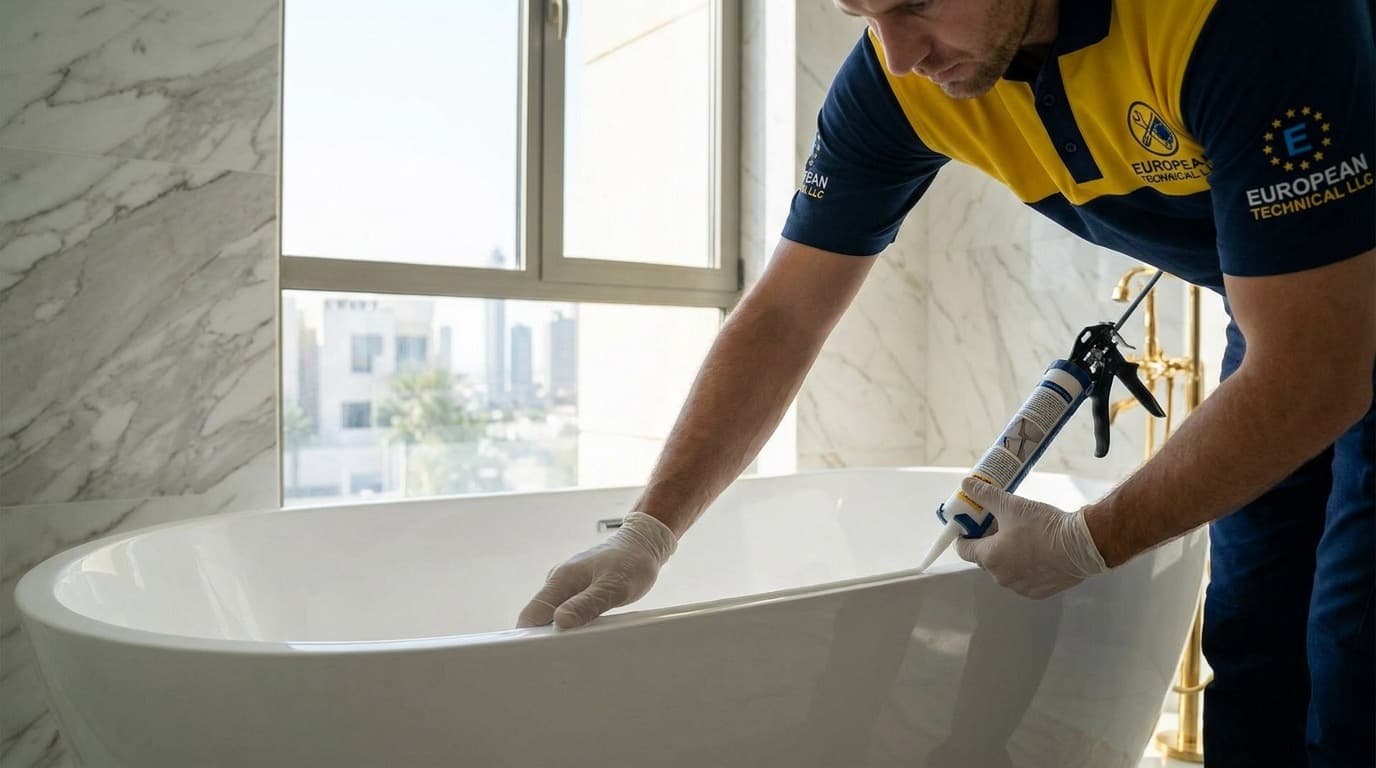
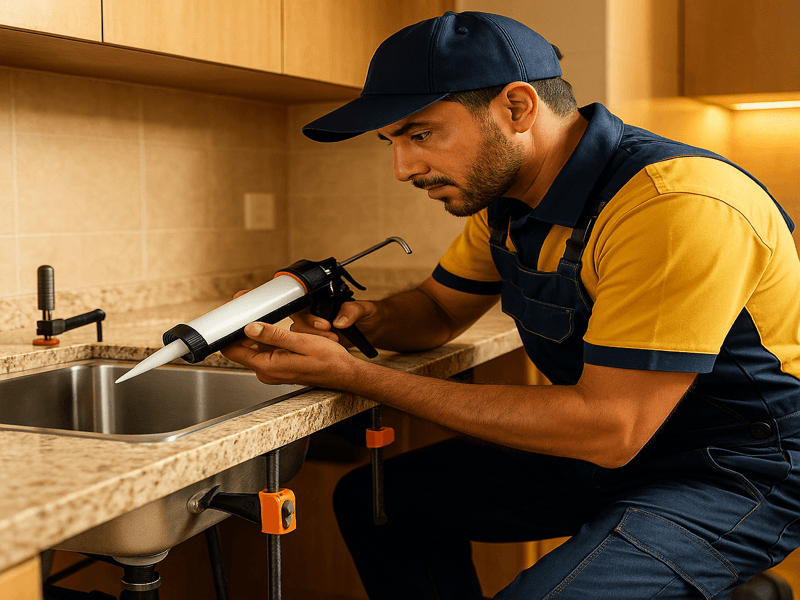
A professional plumber or handyman will first remove the old sealant completely using specialised tools. This step is critical because applying new sealant over old material will not create a proper waterproof bond. Any remaining residue will prevent adhesion and lead to premature failure.
Once the old sealant is removed, the area is cleaned thoroughly and allowed to dry. In Dubai's humid conditions, this may require the use of a heat gun or fan to ensure the surface is completely dry before applying new sealant.
The professional will then apply a high-quality sanitary silicone, using a smoothing tool or finger dipped in soapy water to create a clean, consistent bead. Excess sealant is removed immediately, and the area is left to cure for at least 24 hours before the bathroom is used.
Addressing Underlying Leak Issues
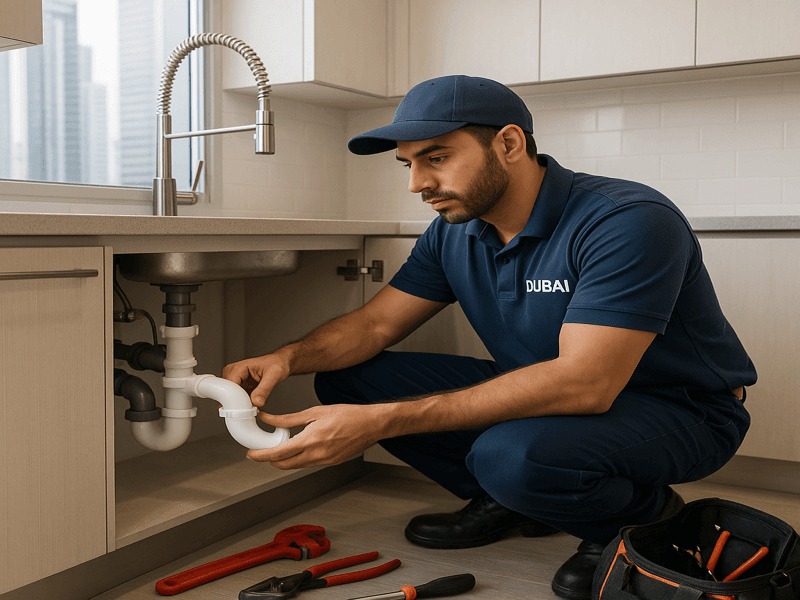
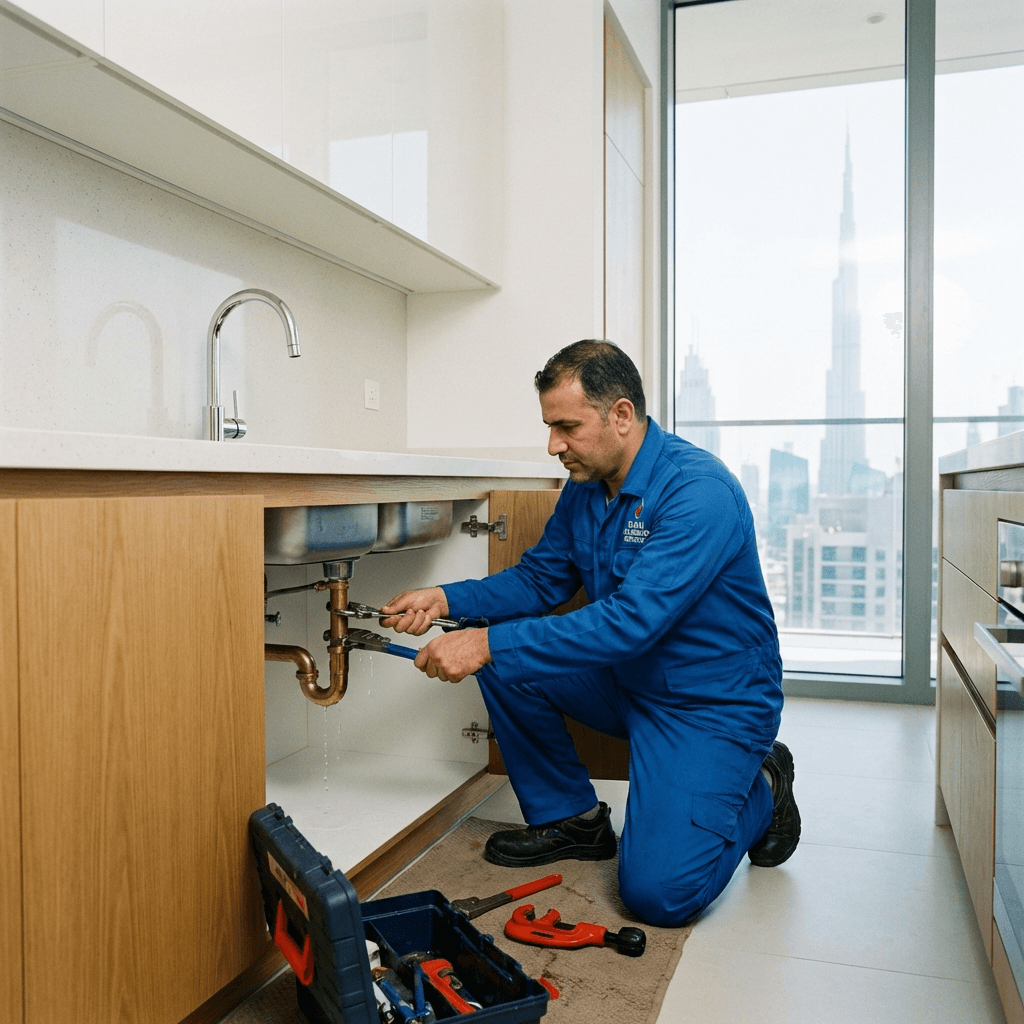
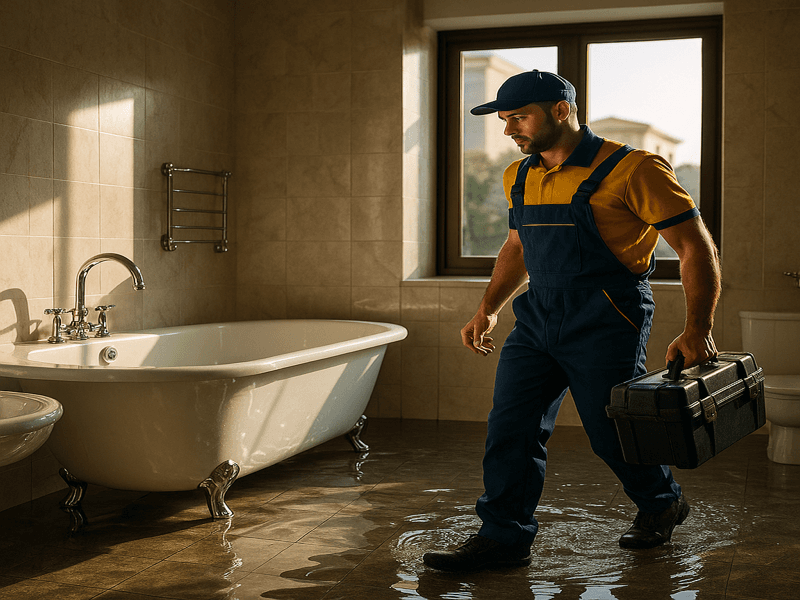
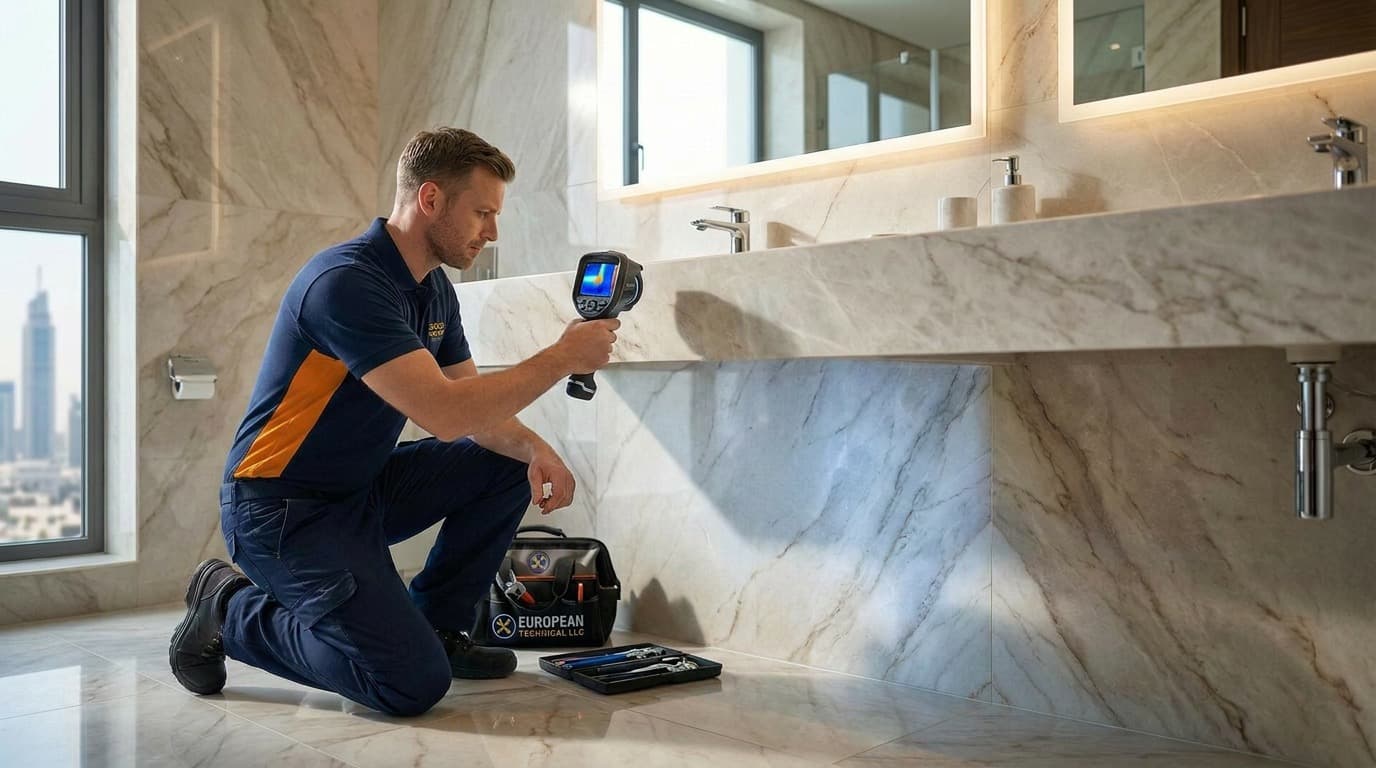
Sometimes, what appears to be a sealant problem is actually a symptom of a deeper plumbing issue. A slow leak from a pipe behind the wall can cause persistent dampness that no amount of sealant will resolve. Professional plumbers in Dubai offer reliable services for bathroom leak repairs, including quick detection and effective fixes to prevent water damage.
If you notice damp patches on walls adjacent to your bathroom, unexplained increases in your DEWA bill, or a musty smell that persists after cleaning, you may have a concealed leak. Expert teams handle all types of plumbing issues, ensuring minimal disruption to your daily life.
For shower-specific problems, specialised shower leakage repair services can identify whether the issue stems from the shower tray, the mixer, or the pipework concealed within the wall. Addressing these problems promptly prevents water damage to your property and avoids unnecessary increases in your water bill.
Cost Considerations for Sealant and Leak Repairs in Dubai
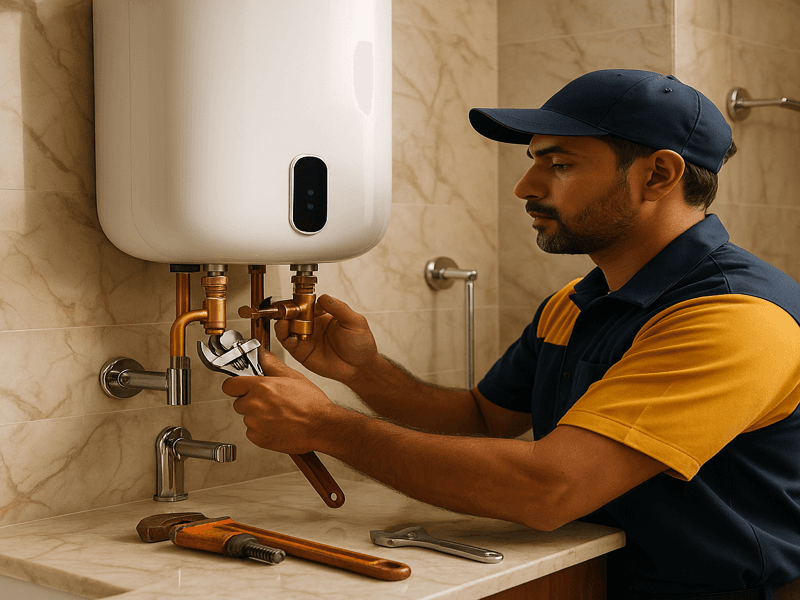
Understanding the likely costs helps you budget appropriately for bathroom maintenance. Tap replacement in Dubai costs around 20 to 400 AED depending on complexity and materials. Basic repairs are cheaper, while full installations can be more expensive.
Sealant replacement is generally affordable. A professional handyman can typically replace sealant around a standard bathtub or shower for a modest call-out fee plus materials. If you have multiple bathrooms requiring attention, booking a handyman for a half-day session can be more cost-effective than individual visits.
For leak detection and repair, costs vary depending on the complexity of the problem. Simple fixes such as replacing a worn washer or tightening a fitting may cost less than 100 AED. More complex issues involving concealed pipes or tiled walls will naturally cost more due to the additional labour and materials required.
Investing in an annual maintenance contract can help spread these costs and ensure your bathrooms are inspected regularly. Preventive maintenance identifies potential issues before they become expensive repairs, saving you money over time.
Choosing the Right Service Provider in Dubai
Dubai has no shortage of maintenance companies, but not all deliver the same quality. When selecting a provider for sealant replacement or leak repair, consider several factors.
First, ensure the company is licenced and insured. This protects you if something goes wrong during the work. European Technical is a fully licenced Dubai maintenance company with experience across all major residential areas.
Second, look for a provider that offers a warranty on their workmanship. A company confident in its quality will stand behind its repairs. This is particularly important for sealant work, where poor application may not become apparent for several weeks.
Third, consider response times. Water leaks can cause significant damage quickly, so having access to a provider that offers prompt service is valuable. For active leaks, professional plumbing services with emergency availability can prevent minor issues from becoming major problems.
Finally, check whether the company uses quality materials. The difference between a cheap, generic sealant and a reputable brand can be the difference between a repair that lasts two years and one that lasts ten.
Maintaining Your Bathroom Between Professional Visits
While professional maintenance is important, what you do between service visits matters equally. Simple habits can significantly extend the life of your sealant and reduce the likelihood of mould growth.
Keep your bathroom well-ventilated. Run the extractor fan during and after showers. Wipe down wet surfaces. Avoid using abrasive cleaners on sealant or tiles, as these can damage the protective surface and create areas where mould can establish.
Check your sealant monthly for signs of wear. Early detection of cracks or discolouration allows you to address problems before water penetrates behind your tiles. If you notice any issues, contact a professional promptly rather than waiting for the problem to worsen.
For residents managing multiple properties or those with busy schedules, professional bathroom and kitchen maintenance services can handle these inspections on your behalf. Regular visits from a qualified technician keep your bathrooms in optimal condition and provide peace of mind.
FAQ
How often should bathroom silicone sealant be replaced in Dubai homes?
In Dubai's humid climate, quality sanitary silicone sealant typically lasts between two and five years. Bathrooms with poor ventilation or frequent use may need sealant replacement closer to the two-year mark. If you notice mould that cannot be cleaned, cracking, or peeling, replace the sealant immediately regardless of its age.
Can I apply new silicone sealant over existing mouldy sealant?
No. Applying new sealant over old, mouldy material will not create a proper waterproof bond and the mould will continue to grow beneath the new layer. The old sealant must be completely removed, the surface cleaned and dried thoroughly, and then new sealant applied to a clean surface for a lasting result.
What is the cost of professional sealant replacement in Dubai?
Professional sealant replacement in Dubai typically costs between 150 and 400 AED per bathroom, depending on the extent of the work and the quality of materials used. This usually includes removal of old sealant, surface preparation, and application of new sanitary silicone. Complex jobs involving multiple fixtures or difficult access may cost more.
Does bathroom mould in Dubai pose health risks?
Yes. Prolonged exposure to bathroom mould can cause respiratory issues, allergic reactions, and skin irritation. People with asthma, allergies, or compromised immune systems are particularly vulnerable. If mould covers a large area or persists despite cleaning, professional remediation is recommended to protect your health and your property.
How can I tell if my bathroom has a hidden leak behind the wall?
Signs of a concealed leak include damp or discoloured patches on walls, a persistent musty smell, unexplained increases in your DEWA water bill, and mould that returns quickly after cleaning. If you suspect a hidden leak, contact a professional plumber who can perform leak detection and identify the source before it causes structural damage.
Will an annual maintenance contract cover bathroom sealant inspection?
Many annual maintenance contracts include visual inspection of bathroom sealant as part of routine plumbing checks. However, replacement of sealant may be charged separately depending on the terms of your contract. Check with your maintenance provider to understand exactly what is included in your agreement.