गर्मी के दौरान आपका एसी ठंडा क्यों नहीं करता Dubai गर्मी में बाहर तेज़ धूप से निकलकर ठंडी हवा में आना कितना राहत भरा होता है। जब वह ठंडी हवा नहीं आती या आपका एसी चल तो रहा होता है लेकिन कमरे का तापमान थर्मोस्टैट पर सेट किए गए स्तर तक नहीं पहुंचता, तो यह जल्दी ही एक बड़ी समस्या बन जाती है। दुबई में, एयर कंडीशनिंग कोई लक्जरी नहीं बल्कि सुरक्षा और आराम के लिए जरूरी है।
हमारे अनुभव के अनुसार, दुबई के अपार्टमेंट्स और परिवारों के घरों में हर साल एक साफ पैटर्न दिखता है। जैसे ही जुलाई और अगस्त में नमी बढ़ती है, कमजोर हवा और गर्म हवा की शिकायतें बढ़ जाती हैं। यह समझना कि आपका एसी सही से ठंडा क्यों नहीं कर रहा, आपके समय, पैसे और असुविधा को बचा सकता है। आइए सबसे आम कारणों और उनके समाधान पर नजर डालते हैं। Dubai एसी के ठंडा न करने के मुख्य कारण 45 जब आपका एयर कंडीशनर आपके कमरे को ठंडा नहीं कर पाता, तो इसके पीछे आमतौर पर कुछ कारण होते हैं। कुछ समस्याएं आप खुद देख सकते हैं, जबकि कुछ के लिए प्रशिक्षित तकनीशियन और सही उपकरण की जरूरत होती है। Dubaiगंदे एयर फिल्टर्स
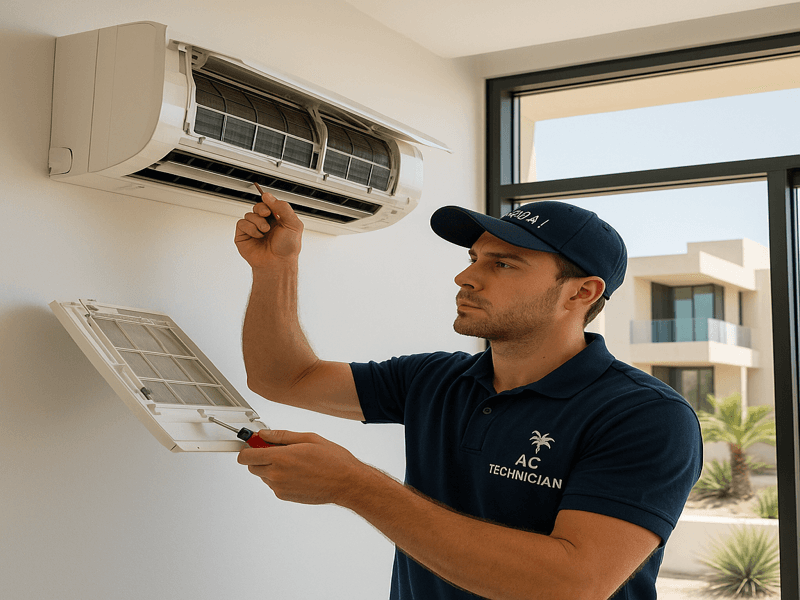
गंदे एयर फिल्टर्स दुबई की गर्मियों में एसी के सही से ठंडा न करने का सबसे बड़ा कारण होते हैं। यह सबसे आम समस्या है जो हमें मिलती है। दुबई एक धूल भरा माहौल है, और आपके एसी की लगातार काम करने वाली इकाई हवा में मौजूद धूल को अंदर खींचती रहती है। महीनों में फिल्टर जाम हो जाता है। Dubai Marina जाम हुआ फिल्टर कूलिंग कॉइल पर हवा के प्रवाह को रोकता है। जब हवा फिल्टर से आसानी से नहीं गुजर पाती, तो ठंडी हवा कमरे में नहीं फैल पाती। एसी चलता रहता है और बिजली खर्च करता रहता है, लेकिन कमरे का तापमान उच्च रहता है। अगर आप दुबई के किसी अपार्टमेंट या विला में रहते हैं, तो फिल्टर की जांच करना पहला कदम होना चाहिए। कई बार गंदे फिल्टर को साफ या बदलने से तुरंत ठंडक वापस आ जाती है। Arabian Ranchesरेफ्रिजरेंट लीक
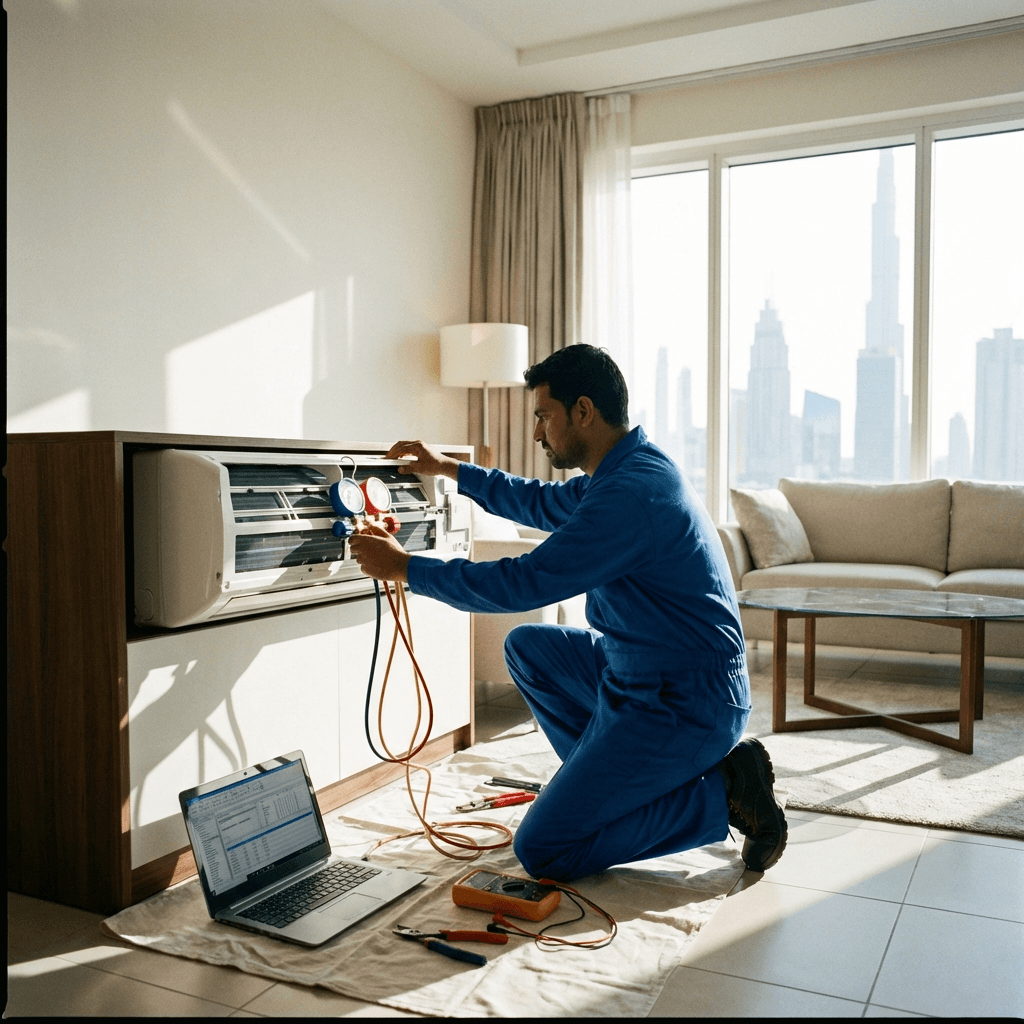
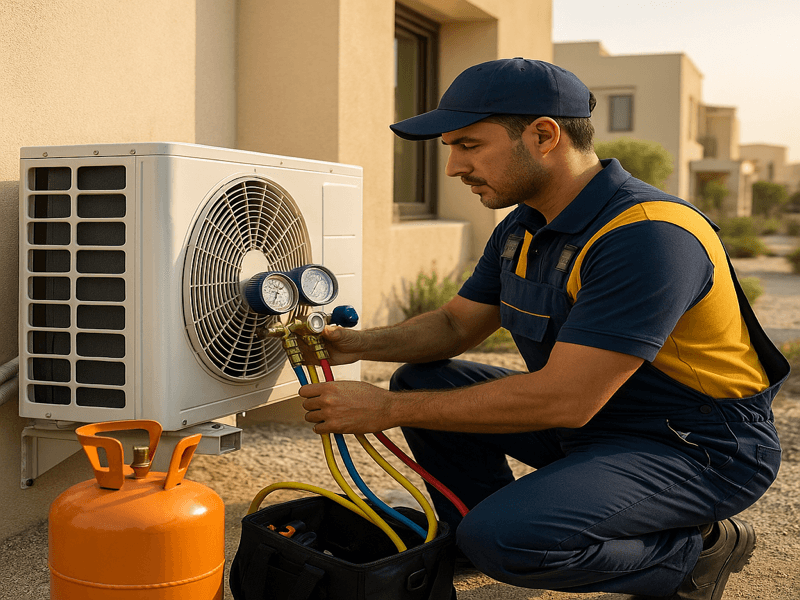
एक और बड़ा कारण रेफ्रिजरेंट लीक है। आपका एसी सिस्टम एक निश्चित मात्रा में रेफ्रिजरेंट गैस पर निर्भर करता है जो अंदर की गर्म हवा से गर्मी सोखता है और बाहर छोड़ता है। अगर कॉपर पाइपिंग या अंदरूनी कॉइल में लीक हो जाए, तो गैस की मात्रा कम हो जाती है। बिना पर्याप्त गैस के सिस्टम गर्मी को ठीक से सोख नहीं पाता।
आप महसूस कर सकते हैं कि वेंट से निकलने वाली हवा थोड़ी ठंडी है लेकिन पूरी तरह ठंडी नहीं, या आप बाहर की इकाई से जुड़ी कॉपर पाइपों पर बर्फ जमती देख सकते हैं। रेफ्रिजरेंट लीक खुद ठीक नहीं होता। तकनीशियन को लीक ढूंढकर उसे ठीक करना और सही मात्रा में गैस भरना जरूरी है। बिना लीक ठीक किए गैस भरवाना पैसे की बर्बादी और पर्यावरण के लिए हानिकारक है।
ब्लॉक्ड कंडेंसर कॉइल्स
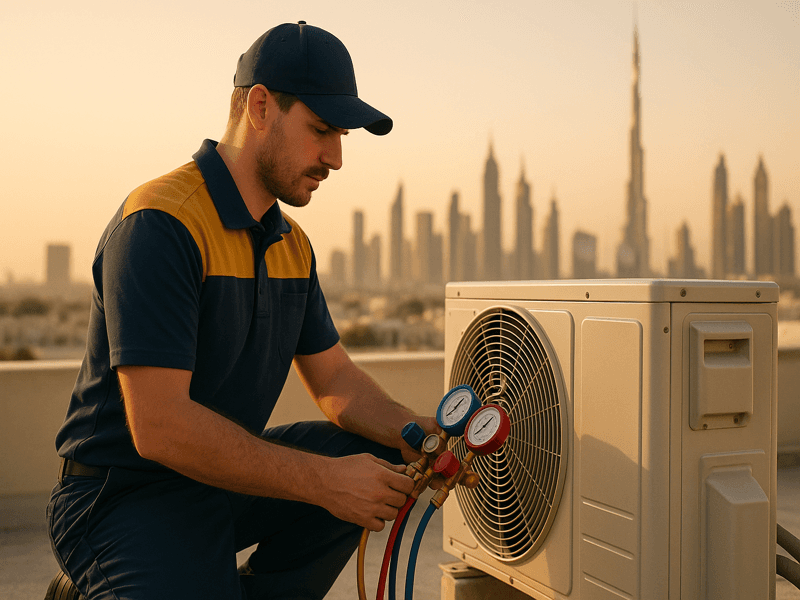
आपके एसी की बाहरी इकाई, जिसे कंडेंसर कहा जाता है, वह गर्मी बाहर छोड़ने का काम करती है। दुबई में ये इकाइयां सीधे धूप में रहती हैं और धूल भरे तूफान और निर्माण के मलबे के संपर्क में आती हैं। समय के साथ, कंडेंसर कॉइल के एल्यूमिनियम फिन्स गंदगी से बंद हो जाते हैं। Dubai जब कंडेंसर कॉइल गंदा होता है, तो वह गर्मी बाहर नहीं छोड़ पाता। सिस्टम को कूलिंग में दिक्कत होती है, दक्षता कम हो जाती है, और अंत में एसी पूरी तरह ठंडा करना बंद कर सकता है। गंभीर मामलों में, ब्लॉक्ड कंडेंसर से कंप्रेसर गर्म होकर खुद को बचाने के लिए बंद हो जाता है। बाहरी इकाई के आसपास जगह साफ रखना और कॉइल्स की पेशेवर सफाई जरूरी है। Dubai गलत एसी साइज या प्रकार
कभी-कभी एसी सही काम कर रहा होता है, लेकिन वह आपके कमरे के लिए पर्याप्त नहीं होता। यह तब होता है जब प्रॉपर्टी में बदलाव किया गया हो या गलत प्रकार का सिस्टम लगाया गया हो। स्प्लिट एसी हर कमरे के लिए अलग होता है, जबकि सेंट्रल एसी पूरे घर को डक्ट के जरिए ठंडा करता है। स्प्लिट एसी रखरखाव और मरम्मत में आसान होते हैं, जबकि सेंट्रल एसी बड़े घरों के लिए अधिक प्रभावी होते हैं। Jumeirah अगर आपके बड़े खुले कमरे में एक छोटा स्प्लिट एसी लगा है, तो वह लगातार चलता रहेगा लेकिन तापमान नहीं घटाएगा। इसी तरह, सेंट्रल एसी के लीक डक्ट्स से ठंडी हवा छत में चली जाती है। स्प्लिट और सेंट्रल सिस्टम के बीच फर्क समझना जरूरी है ताकि आप जान सकें कि समस्या डिजाइन की है या खराबी की। Dubai दुबई के मौसम का एसी पर प्रभाव
दुबई का मौसम एयर कंडीशनिंग उपकरणों के लिए बहुत कठोर है। गर्मी और नमी का संयोजन एसी सिस्टम को पूरी क्षमता पर काम करने को मजबूर करता है। मई से सितंबर तक आपका एसी दिन में कई घंटे चलता रहता है, जिससे पुर्जे जल्दी खराब हो जाते हैं।
नमी एक बड़ी चुनौती है। ज्यादा नमी का मतलब हवा में अधिक पानी की मात्रा होती है। आपका एसी इस नमी को हटाने के लिए ज्यादा मेहनत करता है। अगर सिस्टम ठीक से मेंटेन न हो, तो ड्रेनेज लाइनें जैविक विकास से जाम हो सकती हैं, जिससे पानी लीक हो या ड्रेन पैन में जमा हो।
दुबई की धूल भी एक कारण है। हवा में मौजूद रेत के कण बाहरी इकाई के हर कोने में पहुंच जाते हैं। बाहर से साफ दिखने के बावजूद अंदर की कॉइल्स पर धूल की परत जम जाती है, जो गर्मी के आदान-प्रदान को रोकती है। इसलिए केवल बाहरी निरीक्षण पर्याप्त नहीं होता, कॉइल्स की पूरी सफाई जरूरी है।
जो लोग इन जलवायु संबंधी समस्याओं से बचना चाहते हैं, उनके लिए वार्षिक मेंटेनेंस कॉन्ट्रैक्ट सबसे अच्छा उपाय है। नियमित जांच से छोटी समस्याएं बड़ी खराबी बनने से पहले पकड़ ली जाती हैं।
स्प्लिट एसी बनाम सेंट्रल एसी: दुबई में रखरखाव और मरम्मत के अंतर Dubaiआपके सिस्टम के प्रकार से रखरखाव और समस्या पहचानने के तरीके प्रभावित होते हैं। आइए दुबई के प्रॉपर्टी मालिकों के लिए अंतर समझते हैं।
स्प्लिट एसी सिस्टम का रखरखाव
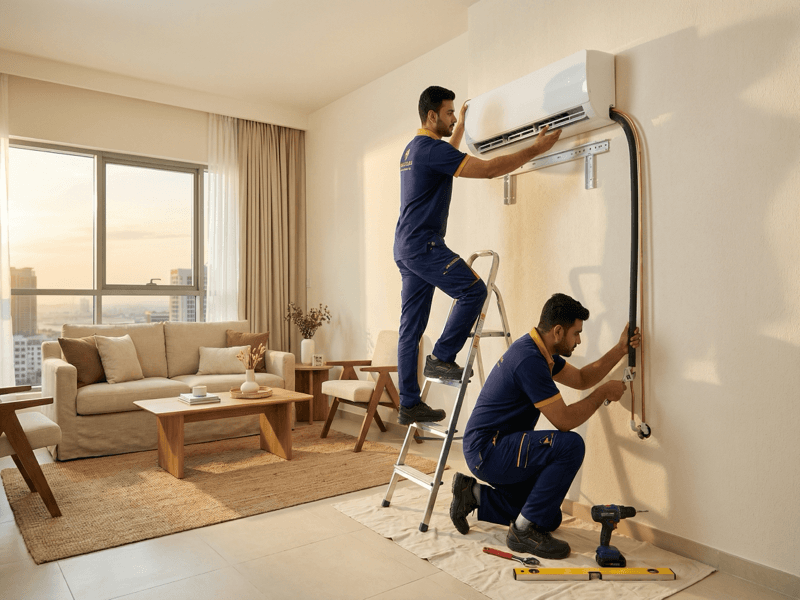
स्प्लिट एसी में एक अंदरूनी यूनिट होती है जो हवा को ठंडा करती है और एक बाहरी कंप्रेसर यूनिट होती है। हर कमरे की अपनी यूनिट होती है, जिससे आप अलग-अलग कमरे का तापमान नियंत्रित कर सकते हैं। इससे आप केवल इस्तेमाल हो रहे कमरे को ठंडा करते हैं, जिससे बिजली की बचत होती है। स्प्लिट एसी की मरम्मत और रखरखाव आसान होता है क्योंकि हर यूनिट स्वतंत्र होती है।
रखरखाव में फिल्टर की सफाई या बदलना, अंदरूनी कूलिंग कॉइल की सफाई, ड्रेनेज लाइन की सफाई और बाहरी कंडेंसर कॉइल की धुलाई शामिल होती है। ये काम प्रशिक्षित तकनीशियन के लिए आसान होते हैं। अगर कंप्रेसर खराब हो जाए, तो केवल उस यूनिट की मरम्मत या बदलाव होता है।
नुकसान यह है कि बड़े विला में कई स्प्लिट यूनिट्स हों तो हर एक की अलग सेवा करनी पड़ती है। लेकिन सिस्टम की सरलता के कारण मरम्मत तेज और सस्ती होती है। Business Bay सेंट्रल एसी सिस्टम का रखरखाव
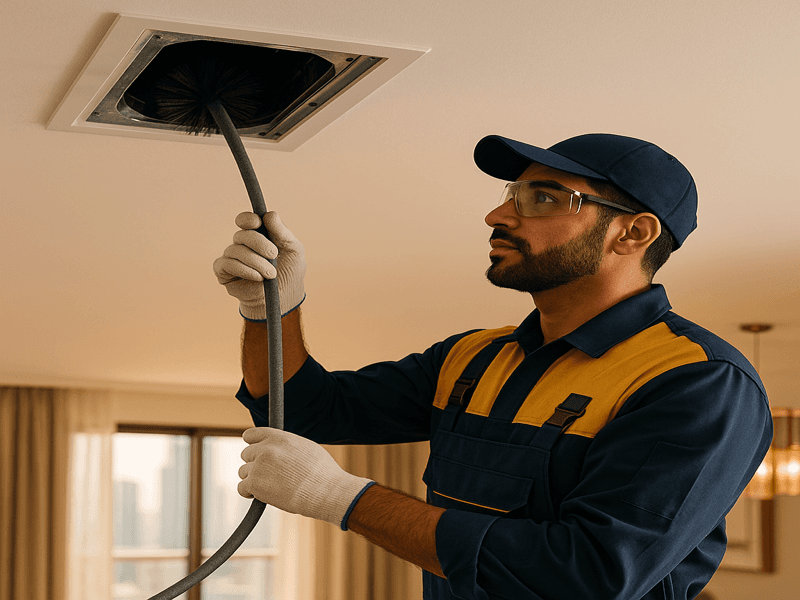
सेंट्रल एसी में एक ही बाहरी कंप्रेसर होता है जो पूरे घर की हवा को डक्ट के जरिए ठंडा करता है। बड़े घरों के लिए यह अधिक प्रभावी होता है, इसलिए दुबई के कई विला में इसका इस्तेमाल होता है। Dubaiलेकिन सेंट्रल सिस्टम के रखरखाव में चुनौतियां होती हैं। छत में छुपे डक्ट्स में समय के साथ लीक हो सकते हैं। अगर डक्ट ठीक से सील न हों, तो ठंडी हवा छत में चली जाती है और कमरे ठंडे नहीं होते। डक्ट की जांच और सीलिंग एक विशेषज्ञ का काम है।
Dubaiसेंट्रल सिस्टम में एयर हैंडलर यूनिट बड़ा और जटिल होता है। फिल्टर आमतौर पर एक केंद्रीय जगह पर होते हैं, जिन्हें नियमित जांच और बदलना जरूरी होता है। पूरे घर के लिए एक ही सिस्टम होने से अगर कोई खराबी हो, तो पूरा घर ठंडा नहीं होता, जिससे मरम्मत अधिक जरूरी और जटिल हो जाती है। 18 तकनीशियन को बुलाने से पहले आप क्या जांच सकते हैं 24 मदद के लिए फोन करने से पहले आप कुछ चीजें खुद जांच सकते हैं। ये सरल कदम समस्या को हल कर सकते हैं या तकनीशियन को जानकारी देने में मदद कर सकते हैं।
सबसे पहले, थर्मोस्टैट की सेटिंग जांचें। यह सामान्य लगता है, लेकिन कई बार थर्मोस्टैट गलती से हीट मोड पर होता है या बैटरी खत्म हो जाती है। सुनिश्चित करें कि यह कूल मोड पर हो और तापमान कमरे से कम सेट हो।
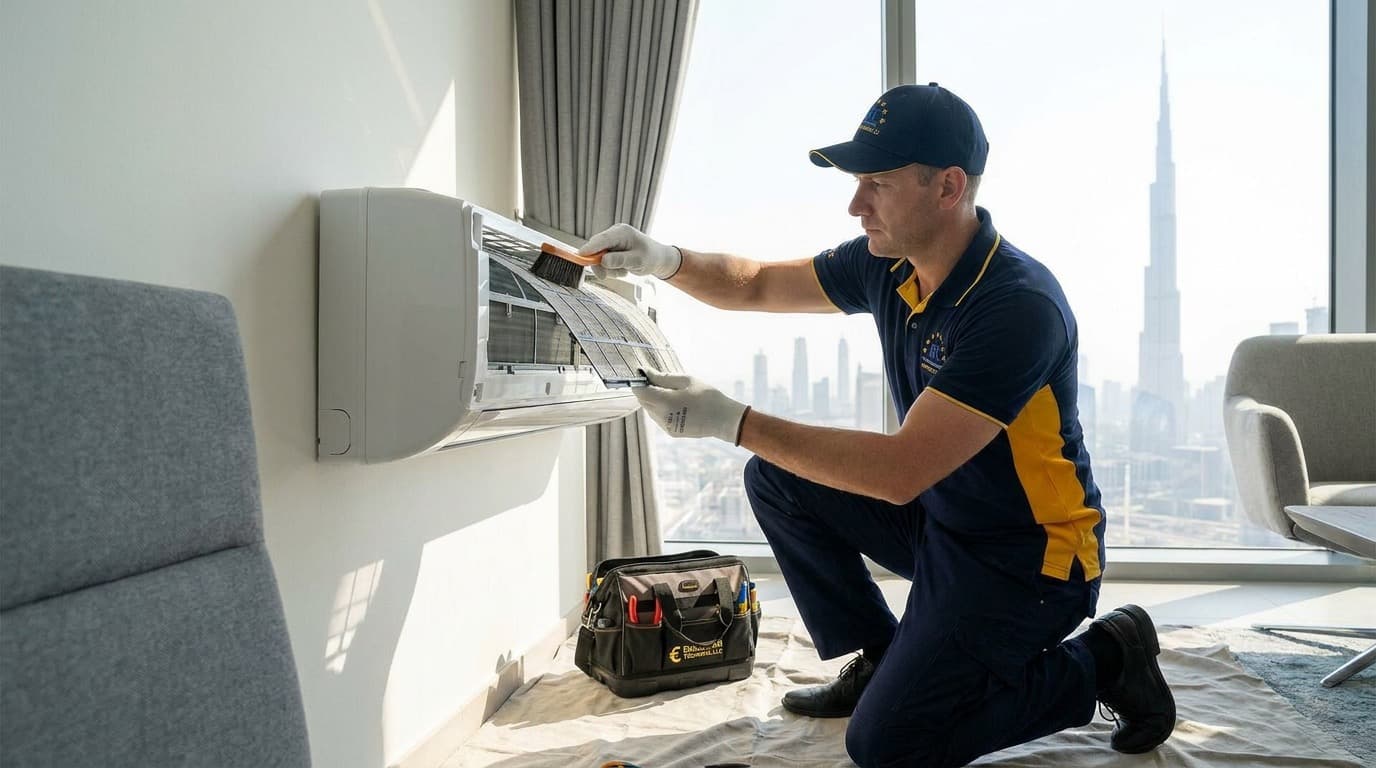
दूसरे, एयर फिल्टर देखें। स्प्लिट एसी में अंदरूनी यूनिट का फ्रंट पैनल खोलकर फिल्टर निकालें। अगर यह धूल से भरा हो, तो हल्के पानी से धोकर पूरी तरह सुखाएं और वापस लगाएं। सेंट्रल एसी में छत या यूटिलिटी क्षेत्र में रिटर्न एयर फिल्टर देखें। अगर फिल्टर बहुत जाम हो, तो तुरंत बदलें। Dubai तीसरे, बाहरी यूनिट देखें। सुनिश्चित करें कि उसके आसपास हवा का रास्ता खुला हो। पौधे, फर्नीचर या सामान जो कंडेंसर के करीब हो, उसे हटा दें। यूनिट के चारों ओर कम से कम आधा मीटर जगह खाली रखें।
चौथे, अपने बिजली बिल में अचानक बढ़ोतरी देखें। बिना उपयोग में बदलाव के बिजली की खपत बढ़ना संकेत हो सकता है कि आपका एसी ज्यादा मेहनत कर रहा है, जो दक्षता की समस्या बताता है।अगर ये सब जांचने के बाद भी एसी ठंडा नहीं कर रहा, तो पेशेवर को बुलाने का समय है। खराब सिस्टम को चलाते रहने से कंप्रेसर को नुकसान हो सकता है, जो सबसे महंगा पार्ट होता है। दुबई में पेशेवर एसी रखरखाव का महत्व
ऐसे मौसम में जहां एसी साल भर चलता है, पेशेवर रखरखाव जरूरी है। कम से कम साल में दो बार पूरी जांच होनी चाहिए, सबसे अच्छा समय गर्मी से पहले व बसंत और गर्मी के बाद पतझड़ होता है। Dubai
पेशेवर एसी रखरखाव सिर्फ फिल्टर साफ करने से आगे बढ़कर होता है। तकनीशियन रेफ्रिजरेंट प्रेशर मापता है, लीक जांचता है, इलेक्ट्रिकल कनेक्शन, कैपेसिटर और कंप्रेसर की जांच करता है, विशेष रसायनों से कॉइल्स साफ करता है और ड्रेनेज सिस्टम फ्लश करता है। थर्मोस्टैट कैलिब्रेशन और सेंट्रल सिस्टम के डक्ट्स की जांच भी करता है। Dubai जो मकान मालिक अपनी प्रॉपर्टी किराए पर देते हैं, उनके लिए नियमित रखरखाव खासा जरूरी है। अगस्त में ठंडा न होने की शिकायत जल्दी सुलझानी होती है ताकि विवाद न हो। कई दुबई के इलाके जैसे कि मदीना और हिल्स में प्रॉपर्टी मालिक प्रॉपर्टी मेंटेनेंस सर्विसेज पर भरोसा करते हैं।
दुबई में एसी मरम्मत और रखरखाव की लागत समझना
हमसे अक्सर दुबई में एसी सेवाओं की कीमत पूछी जाती है। समस्या और सिस्टम के प्रकार के अनुसार कीमतें अलग होती हैं, लेकिन एक सामान्य गाइड यहां है।