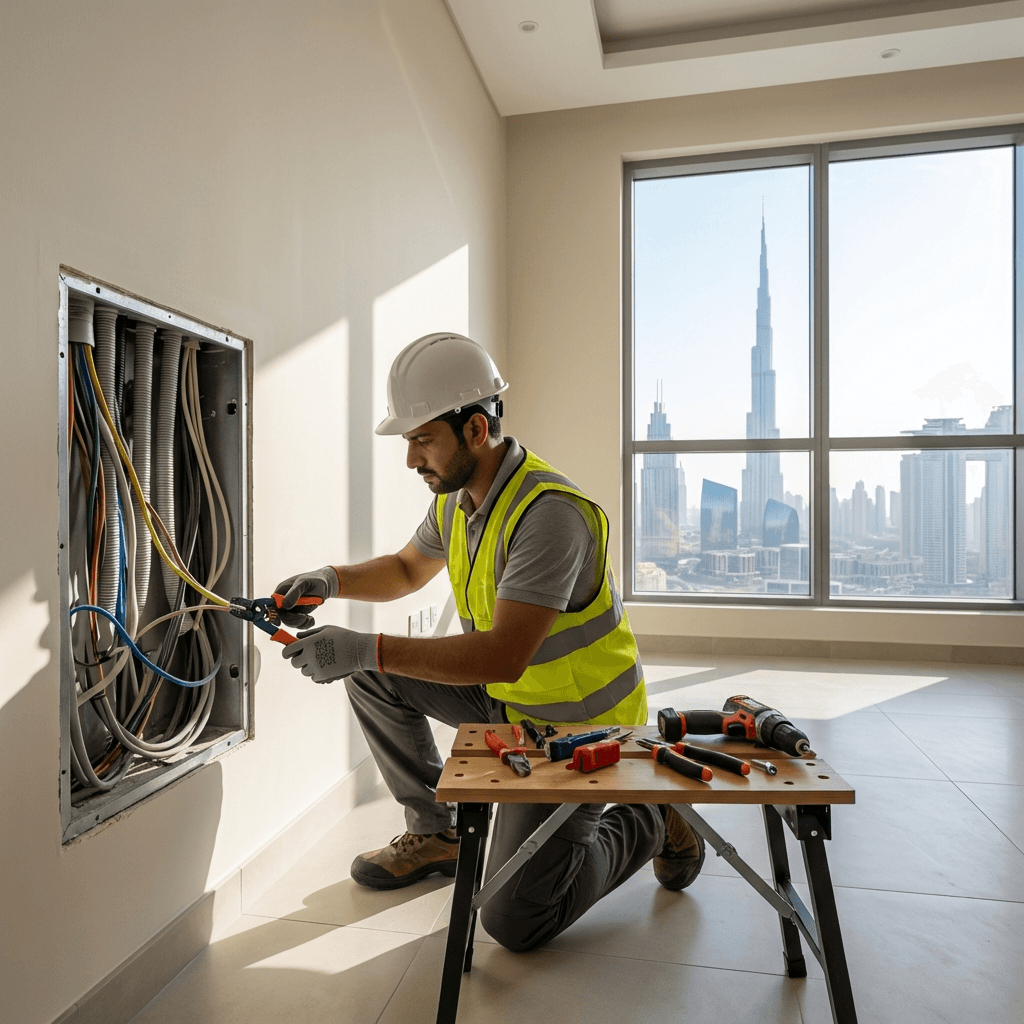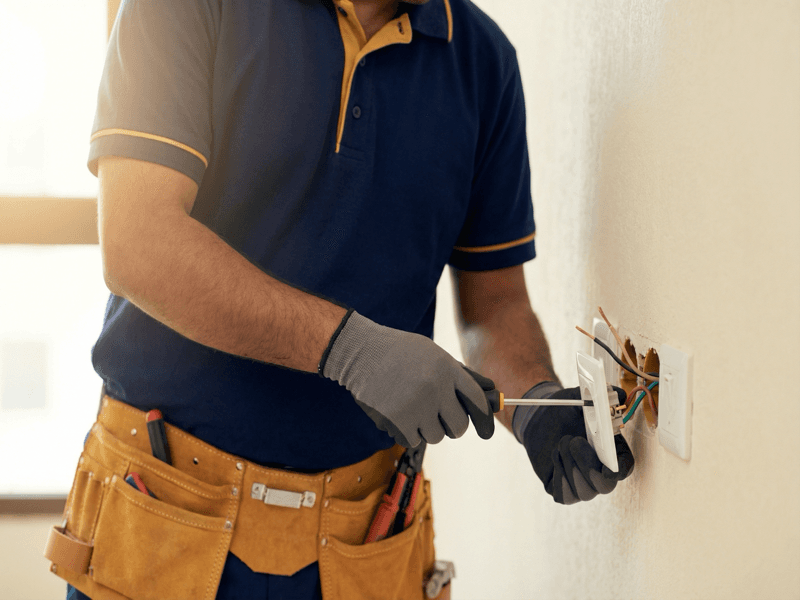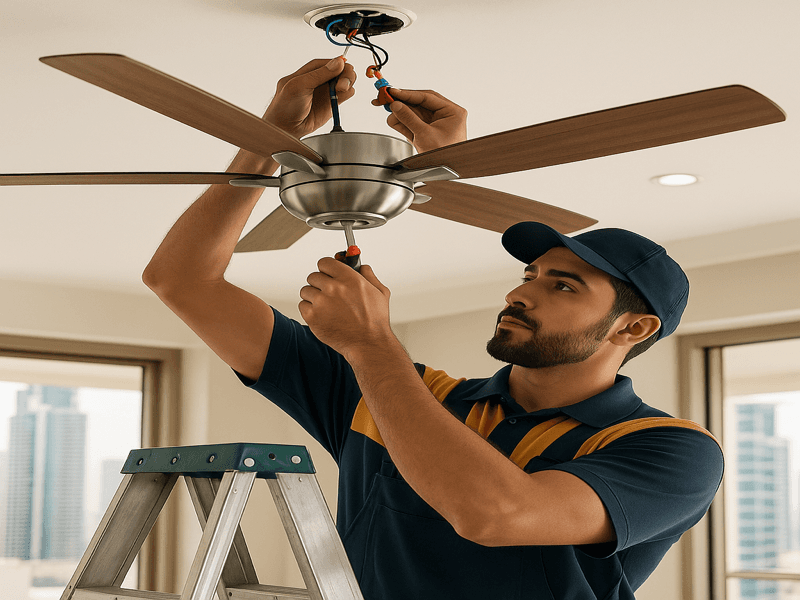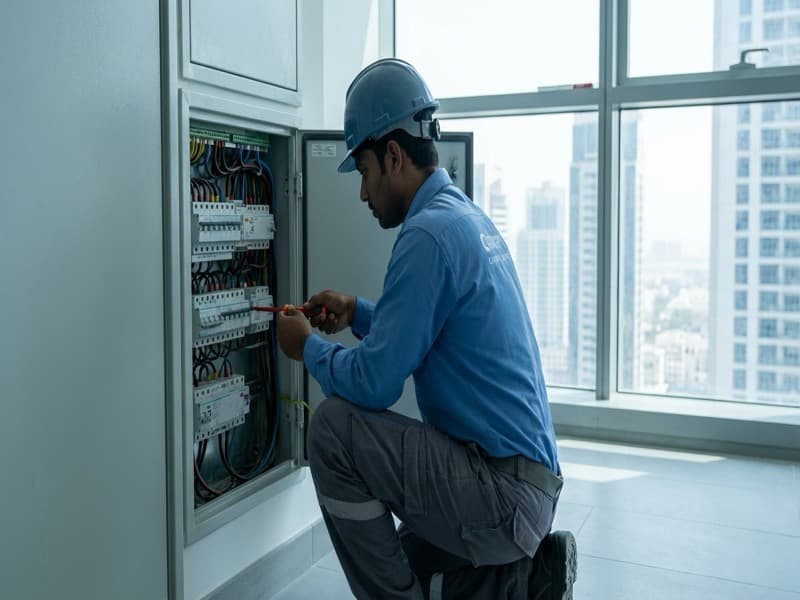
Ang bawat tahanan sa Dubai ay tumatakbo sa kuryente. Ang iyong AC, water heater, refrigerator, washing machine, TV, at phone charger ay lahat gumagamit ng kapangyarihan sa pamamagitan ng parehong mga dingding. Kapag may problema, hindi laging halata.
Ang pablogang electrical wiring ay nakakaursyon ng mahigit 25,000 na sunog sa bahay sa UAE bawat taon ayon sa mga ulat ng Dubai Civil Defence. Ang magandang balita? Karamihan sa mga electrical problems ay nagbibigay ng malinaw na warning signs bago ito maging mapanganib. Ang pag-alam kung ano ang hanapin ay maaaring protektahan ang iyong tahanan at ang iyong pamilya.
Ang gabay na ito ay sumasaklaw sa mga pinakakaraniwan na electrical safety issues sa mga properties sa Dubai, ang kanilang kahulugan, at kung kailan mo kailangan ang isang licensed electrician.
Bakit ang Dubai Homes ay Nahaharap sa Natatanging Electrical Risks
Ang klima ng Dubai at mga pattern ng pagtatayo ay lumilikha ng mga partikular na electrical challenges:
Mainit na tag-init. Kapag ang outdoor temperatures ay umabot ng 45°C, ang iyong electrical system ay gumagana nang mas mahirap. Ang AC units, refrigerators, at fans ay tumatakbo sa loob ng mga buwan nang walang tigil. Ang mga kableng nag-init. Ang mga koneksyon ay nag-loosen. Ang circuit breakers ay sumasakal nang mas madalas.
Mas lumang mga gusali. Maraming apartments sa Bur Dubai, Deira, at mas lumang bahagi ng lungsod ay itinayo 15-25 taon na ang nakakaraan. Ang kanilang electrical systems ay hindi idinisenyo para sa modernong loads -- maraming AC units, home offices, at high-power kitchen appliances.
DIY work. Ang mga dating may-ari o tenants ay minsan ay kumukuha ng mga shortcut. Ang mga loose connections, maling wire gauges, at mga joints na nakatago sa likod ng mga dingding ay karaniwan sa mga resale properties. Ang isang tamang electrical inspection bago bumili o magrenta ay nakakahanap ng mga ganitong isyung ito.
Humidity sa coastal areas. Ang mga properties sa Dubai Marina, JBR, Palm Jumeirah, at Jumeirah Bay ay harap sa mas mataas na humidity. Ang kapaliguan ay umuusap sa outdoor sockets, garden lighting, at switch boxes. Sa paglipas ng panahon, ito ay nagdudulot ng kaagnisan na nagreresulta sa short circuits.
7 Mga Tandang Babala na Hindi Mo Dapat Balewalain
1. Kumikislap o Bumababa ang Ilaw
Ang ilaw na kumikislap paminsan-minsan ay maaaring kailangang bagong bombilya lamang. Ngunit kung ang parehong ilaw ay patuloy na kumikislap, o maraming ilaw ay kumikislap sa parehong oras, mayroon kang problema sa wiring.
Ano ang ibig sabihin nito: Loose connection sa circuit na iyon, o ang circuit ay overloaded. Sa mas lumang apartments, ang kumikislap kapag ang AC compressor ay sumimuot ay isang tanda na ang iyong sistema ay malapit nang maabot ang kanyang kapasidad.
Ano ang gawin: Magsimula sa pag-check ng bombilya. Kung hindi iyon ang problema, tawagan ang isang licensed electrician upang suriin ang circuit. Huwag patuloy na gumagamit ng kumikislap na ilaw sa loob ng mga linggo -- ang loose connections ay lumilikha ng init at maaaring magpasimula ng mga apoy sa loob ng iyong mga dingding.
2. Mainit o Napakainit na Outlets at Switches
Hawakan ang iyong mga electrical outlets at light switches. Dapat silang maging sa temperatura ng kwarto. Kung ang sinuman ay mainit o mainit sa pagkakadarang, huwag na itong gamitin kaagad.
Ano ang ibig sabihin nito: Ang outlet ay kumukuha ng mas maraming kasalukuyang kaysa sa idinisenyo nito. Ito ay nangyayari kapag maraming devices ay naka-plug sa isang outlet sa pamamagitan ng power strips, o kapag ang internal wiring ay loose o damaged.
Ano ang gawin: I-unplug ang lahat mula sa outlet na iyon. Huwag itong gamitin hanggang sa ang isang licensed electrician ay nagsuri at nag-ayos nito. Ang isang mainit na outlet ay maaaring matunaw ang kanyang internal components sa loob ng ilang oras at magsimulang sunog.
3. Circuit Breakers na Patuloy na Sumasakal
Ang isang circuit breaker na sumasakal minsan sa isang habang ay gumagawa ng kanyang trabaho. Ang isang breaker na sumasakal araw-araw o maraming beses sa isang linggo ay nagsasabi sa iyo na may problema.
Ano ang ibig sabihin nito: Alinman ay overloading mo ang circuit na iyon, o may short circuit sa isang lugar sa wiring. Sa Dubai apartments, ang kitchen at living room circuits ay ang pinaka-commonly overloaded.
Ano ang gawin: Tukuyin kung aling breaker ang sumasakal at anong appliances ay tumatakbo kapag ito ay nangyari. Kung maaari mong bawasan ang load (itigil ang AC, i-unplug ang kettle) at ito ay patuloy na sumasakal, tawagan ang isang electrician. Ang pagpalit ng isang breaker na may mas mataas na amperage ay maaaring magpasimula ng mga apoy -- huwag itong gawin.
4. Burning Smell Malapit sa Electrical Panels o Outlets
Ang isang burning smell mula sa anumang electrical component ay isang emergency. I-off ang kapangyarihan sa main breaker kaagad at tawagan ang isang 24-hour electrician.
Ano ang ibig sabihin nito: Ang insulation ay natutunaw sa loob ng dingding, o ang isang koneksyon ay umarc. Pareho ay lumilikha ng init at usok bago magsimula ang apoy.
Ano ang gawin: I-kill ang main breaker. Umalis sa lugar. Tawagan ang European Technical sa +971 58 544 1160. Huwag ibalik ang kapangyarihan hanggang sa ang isang licensed electrician ay nagsuri at nag-clear ng sistema.
5. Spark Kapag Nag-plug ka ng Kahit Ano
Ang isang maliit na asul na spark kapag nag-plug ka ng kahit ano ay normal -- ito ay ang paunang kasalukuyang hila. Ang isang malaking dilaw o puting spark, o isang spark na nangyayari sa bawat pagkakataon, ay hindi normal.
Ano ang ibig sabihin nito: Ang outlet ay may internal damage o isang short circuit. Ang sparking ay magiging mas masama sa bawat paggamit.
Ano ang gawin: Huwag nang gamitin ang outlet na iyon. Hayaan itong baguhin ng isang licensed electrician. Ang gastos ay karaniwang AED 120-200 para sa isang standard socket replacement -- mura na insurance laban sa isang house fire.
6. Buzzing o Humming Sounds
Ang electrical systems ay dapat na tahimik. Kung marinig mo ang isang buzzing, humming, o crackling sound mula sa isang outlet, switch, o breaker panel, may problema.
Ano ang ibig sabihin nito: Ang loose wiring ay nag-vibrate sa 50Hz (ang UAE mains frequency). Ang tunog ay kuryente na umarc sa isang puwang. Ito ay lumilikha ng init at sa huli ay magdudulot ng failure.
Ano ang gawin: Subaybayan kung saan nanggagaling ang tunog. Tawagan ang isang licensed electrician. Huwag ibigay ang iyong tainga malapit sa panel upang makinig -- ang breaker boxes ay maaaring mag-arc at sumabog.
7. Discoloured Sockets o Switch Plates
Tingnan ang kulay ng iyong sockets at switches. Ang dilaw, kayumangian, o itim na mga marka sa paligid ng mga gilid ay isang tanda ng overheating.
Ano ang ibig sabihin nito: Ang device ay tumatakbo nang mainit sa loob ng mahabang panahon. Ang discolouration ay scorching. Sa ilang mga kaso, ang plastic ay nag-degrade na.
Ano ang gawin: Baguhin ang outlet o switch kaagad. Hayaan ang isang electrician na suriin ang wiring sa likod nito. Ang damage ay maaaring umaabot sa wall cavity.
Ano ang Gawin sa isang Electrical Emergency
Kung mayroon kang active sparking, smoke, o burning smell:
- I-off ang main circuit breaker kaagad.
- Kung hindi mo ligtas na maaabot ang panel, i-off ang kapangyarihan sa metre box (nakalagay sa corridor para sa apartments, o external wall para sa villas).
- Umalis sa lugar. Huwag subukan ang pagpapatay ng isang electrical fire gamit ang tubig.
- Tawagan ang European Technical sa +971 58 544 1160. Ang aming emergency electricians ay dumarating sa loob ng 60 minuto sa buong Dubai.
- Huwag ibalik ang kapangyarihan hanggang sa ang sistema ay nagsuri at nag-clear.
Paano Maiwasan ang Electrical Problems
Karamihan sa electrical emergencies ay maaaring maiwasan sa pamamagitan ng basic maintenance.
Mag-schedule ng Annual Electrical Inspection
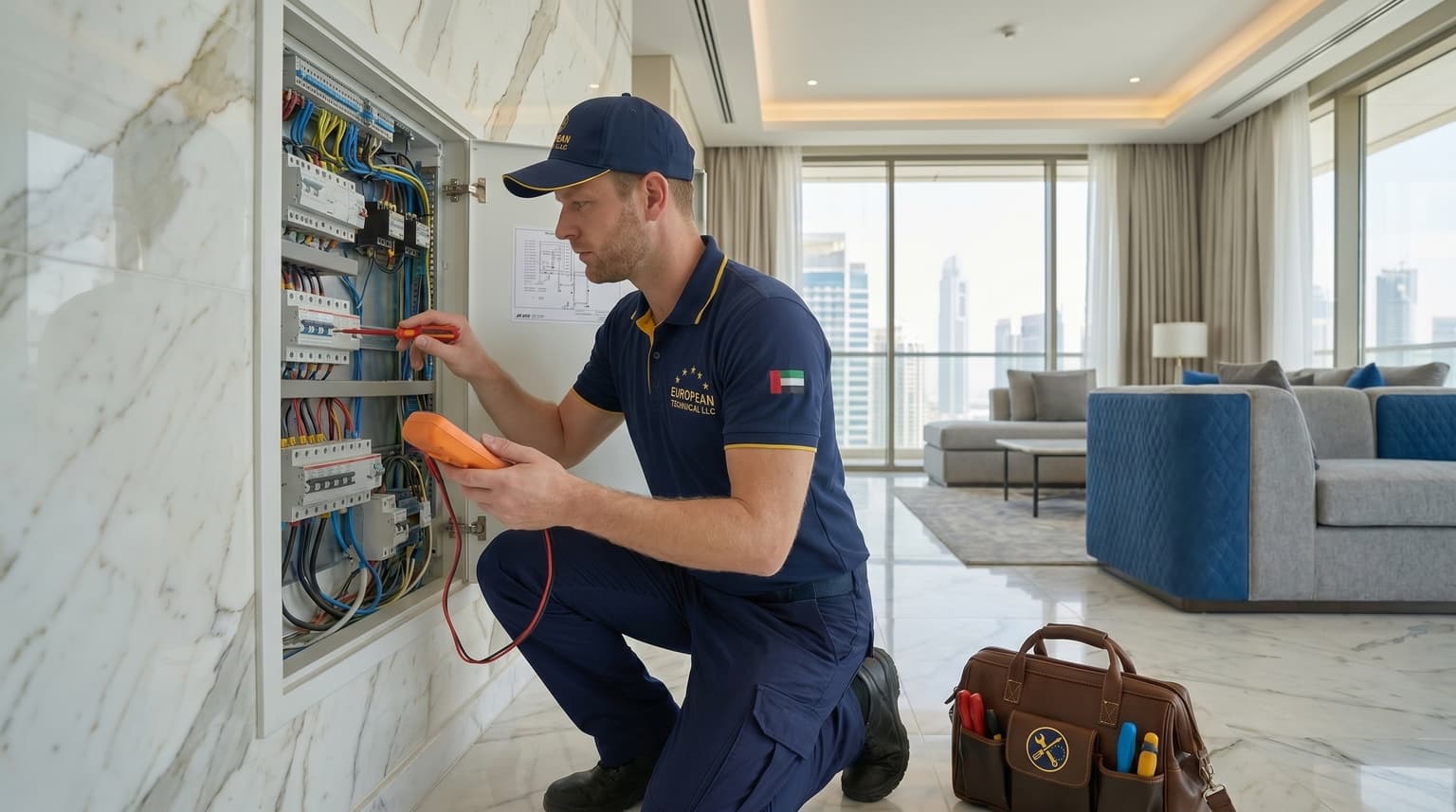
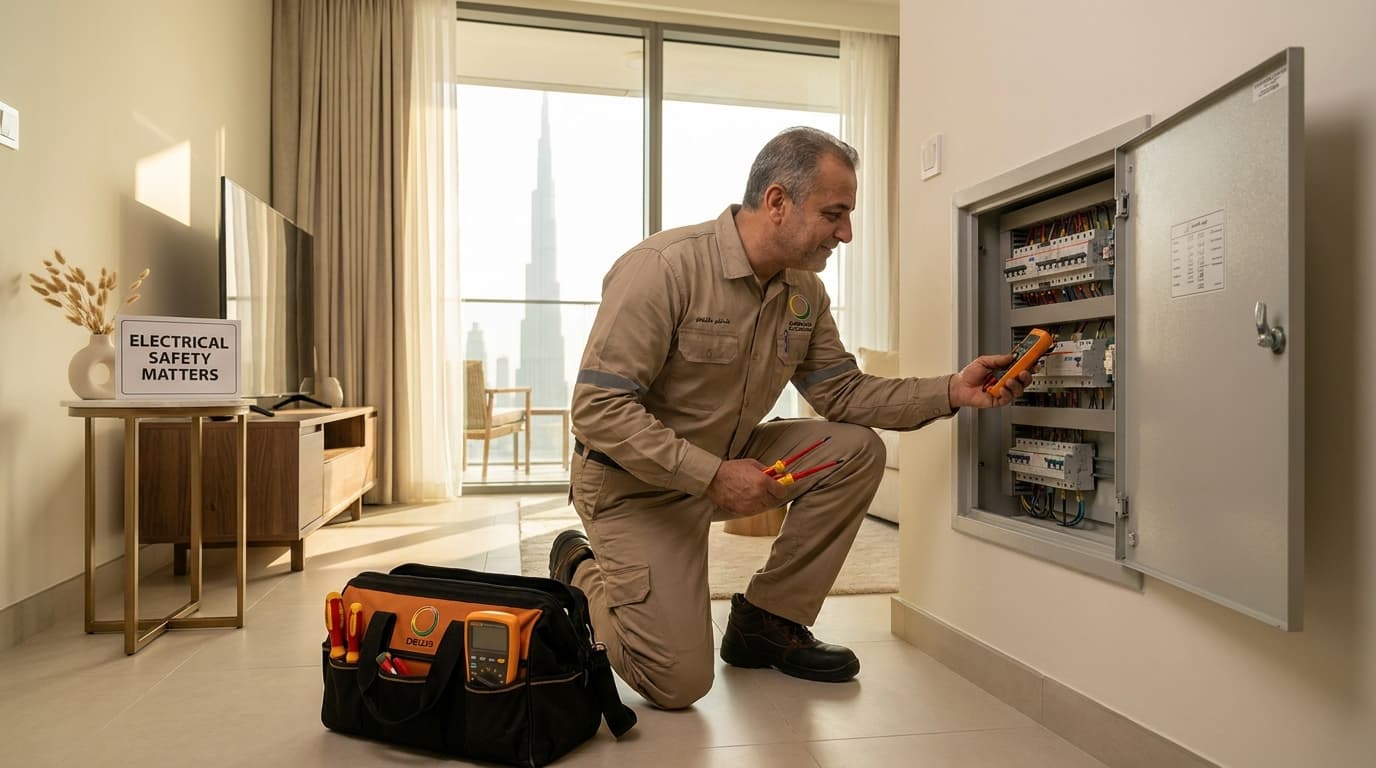
Ang isang licensed electrician ay sumusuri sa iyong breaker panel, nagsusuri sa bawat circuit, sinusuri ang outlets at switches para sa mga tanda ng overheating, at nag-verify na ang iyong earthing system ay gumagana. Ang isang taunang inspection ay gumagana ng AED 200-400 at tumatagal ng tungkol sa isang oras para sa isang standard apartment.
Ipahagi ang Load
Ang Dubai kitchens at living rooms ay madalas na may masyadong maraming devices sa isang circuit. Ipahagi ang high-power appliances sa iba't ibang outlets. Iwasan ang daisy-chaining power strips. Kung kailangan mo ng higit pang outlets, hayaan ang isang electrician na mag-install ng karagdagang circuits sa halip na umasa sa extension cords.
Mag-upgrade Kapag Nagrenovate
Kung nag-renovate ka ng iyong Dubai apartment o villa, i-upgrade ang electrical panel at wiring upang makasabay sa modernong loads. Ito ay partikular na mahalaga sa mas lumang mga gusali kung saan ang orihinal na wiring ay idinisenyo para sa isang AC unit at basic lighting.
Gumamit ng Licensed Electricians
Ang DIY electrical work ay mapanganib at ilegal sa UAE. Ang lahat ng electrical work ay dapat gawin ng isang licensed, DEWA-compliant electrician. Ang mga electrician ng European Technical ay nagdadala ng kinakailangang certifications para sa residential, commercial, at emergency work.
Electrical Safety Checklist para sa Dubai Homeowners
I-download at patakbuhin ang checklist na ito minsan sa isang buwan:
- [ ] Walang outlets o switches na nakadarang mainit
- [ ] Walang kumikislap na ilaw kahit saan sa property
- [ ] Walang buzzing sounds mula sa outlets, switches, o breaker panel
- [ ] Ang lahat ng sockets at switches ay malinis -- walang discolouration o scorch marks
- [ ] Walang sparks kapag nag-plug o nag-unplug ng devices
- [ ] Ang lahat ng circuit breakers ay manatiling sa ON position -- walang unexplained tripping
- [ ] Walang burning smells malapit sa electrical panel o sinumang outlet
- [ ] Walang extension cords na tumatakbo sa ilalim ng mga karpeta o sa bukas ng pintuan
- [ ] Ang smoke alarms ay gumagana at may fresh batteries
- [ ] Ang mga miyembro ng pamilya ay alam kung saan ang main breaker at kung paano ito i-off
FAQ
Paano ako makakahanap ng isang licensed electrician sa Dubai?
Ang European Technical ay gumagamit ng licensed, background-checked electricians na nagrehistro sa ilalim ng SHAMS licence #2542059. Ang bawat trabaho ay naka-insure at suportado ng 90-day warranty. Tawagan ang +971 58 544 1160 o mag-book online sa europeantechnical.ae.
Magkano ang gastos ng isang electrician sa Dubai?
Ang standard call-out fees ay sumasaklaw mula sa AED 100-200 sa oras ng negosyo. Ang emergency call-outs (gabi, katapusan ng linggo, public holidays) ay sumasaklaw mula sa AED 200-400. Karamihan ng standard repairs tulad ng socket replacement o switch repair ay gumagana ng AED 120-300. Ang isang buong quote ay ibinibigay bago magsimula ang anumang trabaho.
Kailangan ko ba ng DEWA approval para sa electrical work sa aking apartment?
Para sa minor repairs tulad ng pagpalit ng sockets o switches, walang DEWA approval na kailangan. Para sa major electrical work kabilang ang mga bagong circuits, panel upgrades, o rewiring, ang DEWA approval ay kinakailangan. Ang isang licensed electrician ay gumagawa ng prosesong ito.
Kailan ko dapat i-upgrade ang aking electrical panel?
Isaalang-alang ang isang upgrade kung ang iyong mga breakers ay tumatagal ng mapanatili, ang iyong tahanan ay itinayo bago 2010, o nagdadagdag ka ng high-power appliances tulad ng split AC units, isang home office, o isang electric vehicle charger.
Maaari ba akong gumawa ng sariling electrical repairs sa Dubai?
Hindi. Ang UAE law ay nangangailangan na ang lahat ng electrical work ay gawin ng licensed professionals. Ang DIY electrical work ay nauugat ang insurance claims, nagriesgo ng fines mula sa Dubai Municipality, at -- higit sa lahat -- maaaring pumatay.
Ang European Technical ay nagbibigay ng licensed electrical services sa buong Dubai, kabilang ang emergency call-outs, inspections, rewiring, panel upgrades, at preventive maintenance. Same-day service available. Tawagan ang +971 58 544 1160 o mag-book online.