Ano ang Nakakaapekto sa Gastos ng Plumbing sa Dubai Bagong Gawa
Ang pagtatayo ng bagong bahay o pag-aayos ng bagong apartment sa Dubai ay isang kapanapanabik na proyekto, pero ang plumbing ay isa sa mga serbisyong maaaring hindi mo namamalayan na lumalampas sa budget kung hindi mo ito planuhin nang maayos. Kung ikaw man ay nagtatayo ng villa sa Arabian Ranches, nagtatapos ng penthouse sa Dubai Marina, o naglilipat ng mga apartment sa Jumeirah Village Circle, ang pagtataya ng gastos sa plumbing na gagawin mo sa simula ang magdidikta ng bawat desisyon na susunod.
Dubai Ang 45 ay may natatanging mga kondisyon na nakakaapekto sa gastos ng plumbing. Ang init ng tag-init ay umaabot nang higit sa
degrees, mataas ang antas ng halumigmig sa loob ng maraming buwan, at ang suplay ng tubig mula sa munisipyo ay may mga mineral na naiipon sa loob ng mga tubo sa paglipas ng panahon. Dahil dito, hindi mo maaaring kopyahin lang ang budget ng plumbing mula sa UK o Europe at asahan na pareho ang gastos dito. Iba ang pag-uugali ng mga materyales dito. Ang pag-expand ng tubo, stress sa mga kasukasuan, at tigas ng tubig ay may epekto sa singil ng plumber at sa mga materyales na kakailanganin mo.
Ang unang hakbang sa pagtataya ng gastos sa plumbing para sa bagong konstruksyon ay ang pag-unawa kung ano talaga ang nagpapataas ng presyo. Tatlong pangunahing salik ang pinakamahalaga: ang laki at layout ng ari-arian, ang kalidad at uri ng mga materyales na pipiliin mo, at ang komplikasyon ng disenyo ng sistema. Ang isang banyo sa isang studio sa Downtown ay ibang usapan kumpara sa isang villa na may limang banyo sa isang established na komunidad. Ang bilang ng mga wet rooms, ang distansya ng mga water heater sa mga fixtures, at kung ang mga supply lines ay dumadaan sa kongkretong sahig o service shafts ay nakakaapekto sa oras ng paggawa at dami ng materyales. Business Bay Kailangan mo ring isaalang-alang ang uri ng gusali. Ang mga apartment building sa
o Marina ay karaniwang may shared vertical plumbing stacks, kaya ang plumbing ng bagong konstruksyon ay kailangang ikabit sa mga risers na pinamamahalaan ng developer o owners association. Sa kabilang banda, ang mga villa ay nagbibigay ng mas malayang ruta pero nangangailangan ng independent water heating, pressure boosting, at external drainage connections. Bawat sitwasyon ay may iba't ibang epekto sa gastos.
Mga Pangunahing Bahagi na Dapat Isama sa Iyong Budget sa Plumbing
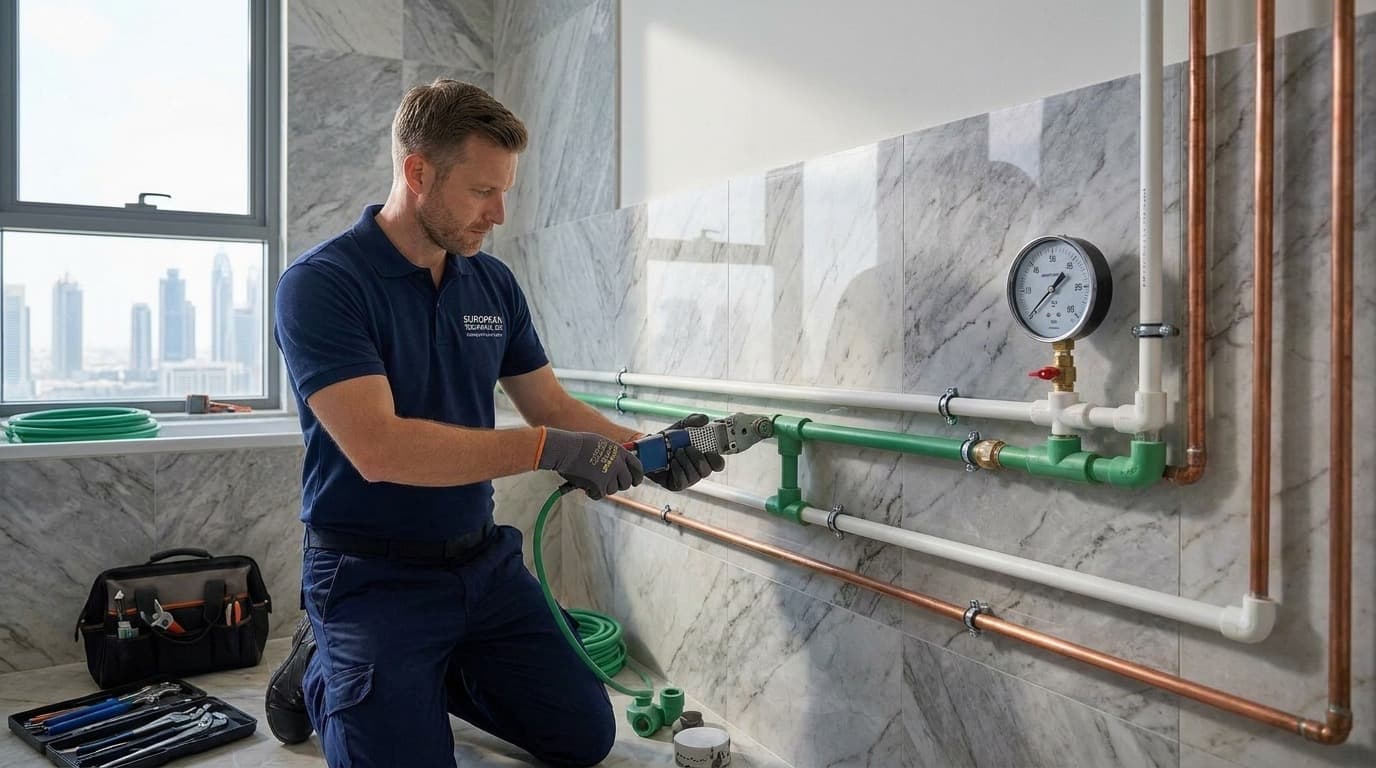
Ang tamang pagtataya ng gastos sa plumbing ay nahahati sa ilang distinct na work packages. Kapag pinagsama-sama mo lahat sa isang numero lang, nawawala ang kakayahan mong subaybayan kung saan napupunta ang pera at saan maaaring makatipid. Ganito ang pag-iisip tungkol sa mga bahagi. Rough-in plumbing Dubai ang pundasyon ng iyong sistema. Kasama dito ang lahat ng supply pipes, drainage pipes, at vent lines na nakatago sa likod ng mga pader at ilalim ng sahig bago simulan ang plastering at tiling. Dito mahalaga ang pagpili ng materyales. Karaniwan sa 40 ang PPR (polypropylene random copolymer) piping para sa mainit at malamig na tubig dahil kaya nitong tiisin ang init at hindi madaling kapitan ng scale buildup. Isa pang opsyon ay ang CPVC. Para sa drainage lines, karaniwang UPVC ang gamit. Iko-kalkula ng plumber ang linear meters ng tubo base sa architectural layout, tapos idaragdag ang fittings, elbows, tees, at valves. Asahan na ang rough-in ay aabot ng mga 50 hanggang
porsyento ng kabuuang budget sa plumbing. Fixtures and fittings AED 600 ang mga nakikitang bahagi: gripo, showerheads, toilet, lababo, at water heaters. Malaki ang pagkakaiba ng presyo depende sa brand at specification. Ang isang standard wall-mounted toilet mula sa mid-range na brand ay maaaring nagkakahalaga ng AED 1,200hanggang AED 8,000 , habang ang high-end smart toilet ay maaaring umabot ng AED 250 o higit pa. Ang mixer taps para sa kitchen sink ay mula AED 2,500 para sa basic na modelo hanggang 50para sa designer brands. Malaki rin ang bahagi ng water heaters sa gastos. Ang isang AED 500 -litre electric water heater na angkop para sa isang apartment na may isang banyo ay nagkakahalaga ng mga AED 900hanggang
, habang ang mas malalaking unit para sa mga villa ay mas mahal. Imultiply ang bawat fixture sa bilang ng mga banyo at kusina, kaya makikita mo kung bakit madalas na katumbas ng rough-in ang gastos nito. Pressure boosting systems Dubaiay may sariling linya sa budget. Maraming gusali sa Dubai , lalo na ang mga luma, ang may problema sa mababang water pressure. Isa ito sa mga karaniwang problema sa plumbing sa mga apartment sa AED 1,500 , kadalasan dahil sa partially closed valves o sira na pressure regulators. Sa bagong konstruksyon, maaari mo itong maiwasan sa pamamagitan ng pag-install ng pressure booster pump kung kulang ang suplay mula sa munisipyo. Ang residential booster pump ay nagkakahalaga ng AED 4,000 hanggang
depende sa kapasidad at bilang ng mga pump na kailangan. Drainage and sewage connections
ay kinabibilangan ng mga underground o nakatagong tubo na nagdadala ng dumi palabas ng iyong ari-arian papunta sa munisipal na sistema. Para sa mga villa, kasama dito ang external trenching, inspection chambers, at koneksyon sa main sewer line. Para sa mga apartment, ito ay ang pag-kabit sa vertical drainage stack ng gusali. Depende ang gastos sa distansya, lalim, at kondisyon ng lupa kung kailangan ng external na trabaho. Testing and commissioning
ang huling bahagi. Bawat bagong plumbing system ay kailangang ma-pressure test para sa leaks bago isara ang mga pader. Pinipressurize ang mga water supply lines at pinananatili ito ng ilang oras para makita kung may pagbaba ng pressure. Ang drainage lines ay sinusubukan ang daloy. Hindi ito pwedeng laktawan at dapat kasama ito sa quote ng plumber. Huwag tanggapin ang estimate na hindi kasama ang pressure testing.
Mga Karaniwang Problema sa Plumbing na Dapat Iwasan Mula Sa Simula Dubai Isa sa pinakamatalinong gawin kapag nagtataas ng gastos sa plumbing para sa bagong konstruksyon ay pag-aralan ang mga problema na madalas mangyari sa mga umiiral na ari-arian saat maglaan ng kaunting dagdag na gastos para maiwasan ang mga ito. Ang aming plumbing Dubai team ay madalas tumugon sa mga tawag sa buong
para sa mga isyung maaaring naiwasan kung mas maayos ang disenyo at pagpili ng materyales sa simula pa lang. Mababang water pressure AED 200 ang pinakakaraniwang problema na nararanasan ng aming mga plumber sa mga lumang gusali at apartment sa lungsod. Nakakaapekto ito sa araw-araw na gawain tulad ng pagligo o paghuhugas ng pinggan. Kadalasang sanhi nito ay partially closed valves, sira na pressure regulators, o maliit na sukat ng supply pipes. Sa bagong konstruksyon, ang pagtukoy ng tamang sukat ng supply lines at pag-install ng pressure regulator sa punto ng pagpasok ng tubig ay nakakatulong para maiwasan ito. Maglaan ng budget para sa kalidad na regulator, karaniwang AED 600hanggang
, at siguraduhing tama ang sukat ng mga tubo base sa peak demand, hindi lang minimum flow rates. May mga tumutulo na gripo Dubai ay isa pang karaniwang problema. Kadalasan sanhi ito ng worn washers, sira na cartridges, luma na O-rings, o maluwag na fittings. Pinapabilis ng matigas na tubig sa UAE ang pagkasira ng mga maliliit na bahagi na ito. Kapag pumipili ng fixtures para sa bagong bahay, piliin ang mga brand na kilala sa matibay na cartridges at madaling makahanap ng spare parts sa merkado ng AED 150 . Ang murang gripo na nagkakahalaga ng AED 500 ay maaaring kailanganin ng cartridge replacement sa loob ng dalawang taon, habang ang mas maayos na gripo na nagkakahalaga ng
ay maaaring tumagal ng sampung taon nang walang problema. Isama ang lifecycle cost sa iyong budget, hindi lang ang presyo ng pagbili. Baradong drainage Dubaiay isa sa mga pinakamasama at nakakainis na problema sa plumbing sa
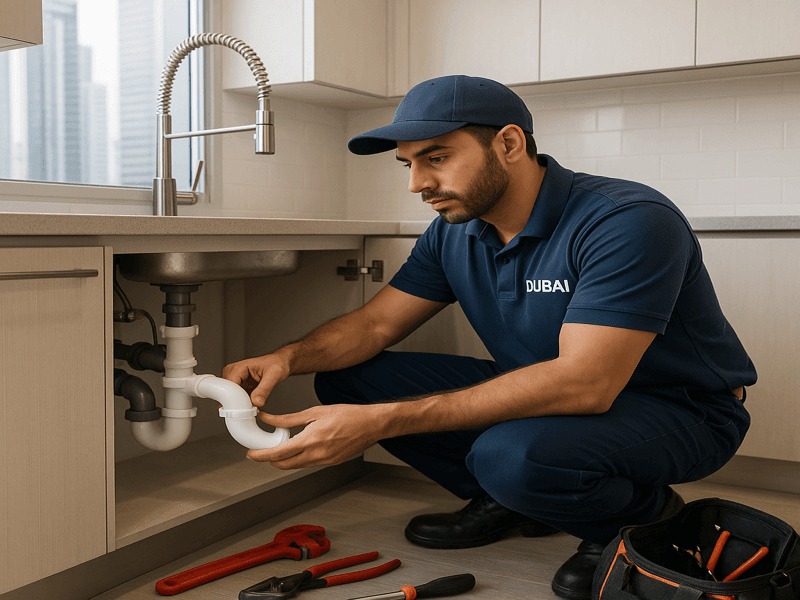
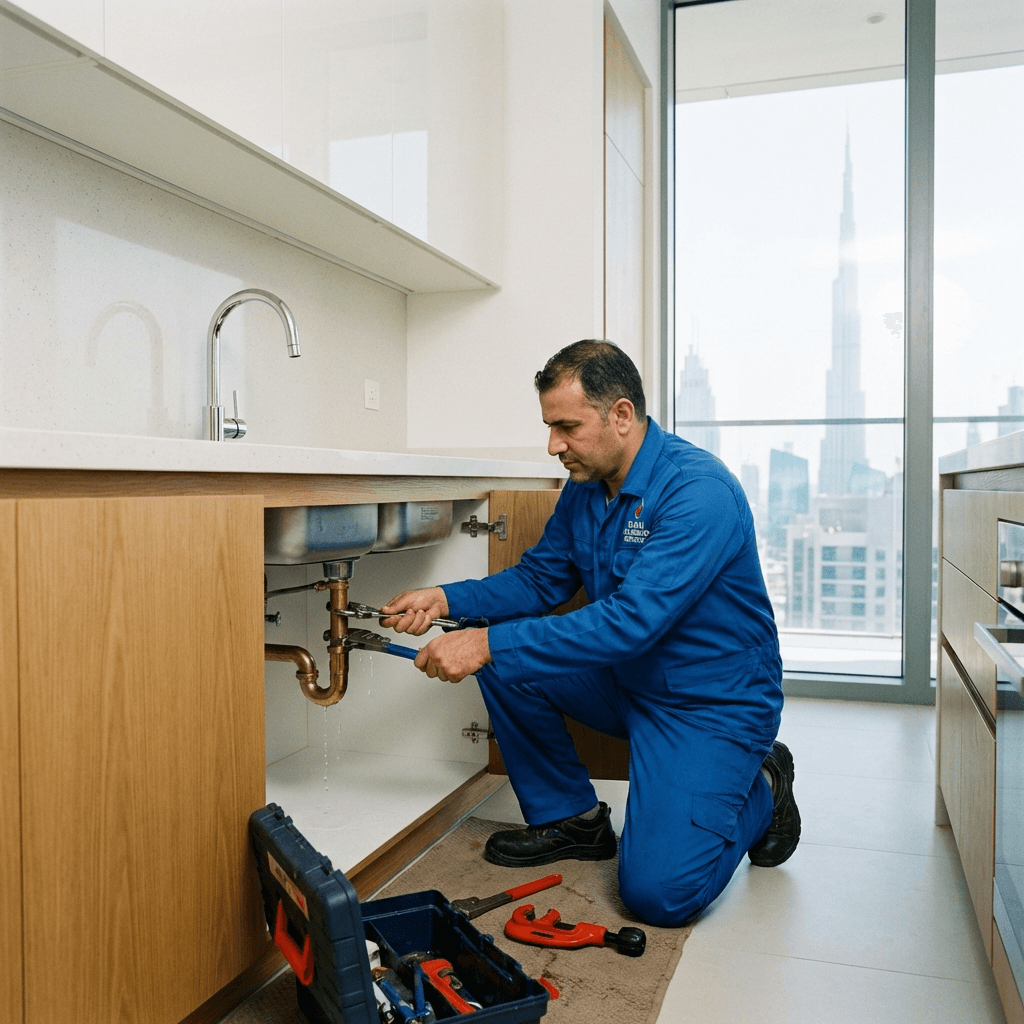
. Madalas barado ang kitchen sink dahil sa fats, grease, at oil na tumitigas sa loob ng mga tubo. Ang mga drainage sa banyo at shower ay madalas barado dahil sa buhok at sabon. Sa bagong konstruksyon, maaari itong maiwasan sa pamamagitan ng pag-install ng tamang laki ng waste pipes na may tamang slope, paglalagay ng accessible cleanout points sa bawat liko, at paglalagay ng hair strainers sa shower drains. Maliit na dagdag ito sa budget pero malaking tipid sa gastos at abala sa hinaharap. Ang manual drain snake ay pwedeng gamitin para sa maliliit na bara, pero ang malalaking bara ay nangangailangan ng espesyal na kagamitan at emergency callout fees. Tuyong drain traps Dubai ang sanhi ng amoy ng imburnal na pumapasok sa loob ng bahay, isang karaniwang reklamo sa mga apartment sa
, lalo na sa mga guest bathroom na bihirang gamitin. Ang water seal sa trap ay natutuyo at nagpapapasok ng sewer gases. Ang pagdisenyo ng plumbing na may mas malalim na trap seals at paggamit ng floor drain traps na may mas malaking kapasidad ng tubig ay nakakatulong. May mga modernong floor drains na may membrane seal na bumubukas lang kapag dumadaloy ang tubig, kaya hindi natutuyo. Medyo mas mahal ito pero tuluyang nawawala ang problema sa amoy. Pumutok na mga tubo Dubaiay hindi madalas sa bagong gawa pero maaaring mangyari kung hindi binigyan ng tamang allowance para sa expansion ang mga tubo. Ang pagbabago ng temperatura sa pagitan ng air-conditioned na loob at mainit na ceiling voids sa
ay nagdudulot ng pag-expand at pag-contract ng mga tubo. Dapat maglagay ang plumber ng expansion loops o flexible connectors kung saan kailangan. Ito ay mas labor cost kaysa materyales, kaya hindi ito masyadong magpapataas ng gastos, pero kung hindi ito gagawin ay magdudulot ng mamahaling pagkukumpuni. Mga problema sa water heater
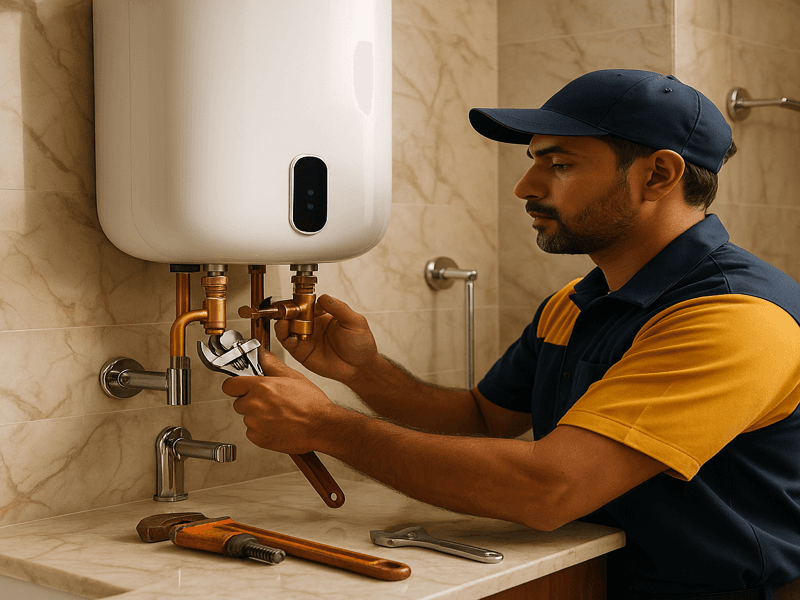
ay madalas lumalabas pagkatapos ng installation. Mali ang sukat, maling lugar ng paglalagay, o kawalan ng access para sa maintenance ang mga dahilan. Sa pagtataya, siguraduhing ang bawat water heater ay tama ang sukat para sa mga fixtures na pinaglilingkuran nito at nakalagay sa lugar na may sapat na bentilasyon at clearance para sa serbisyo.
Paano Kalkulahin ang Gastos sa Labor at Materyales
Ngayon na naiintindihan mo na ang mga bahagi at mga problemang dapat iwasan, paano mo ilalagay ang mga numero sa papel? Magsimula sa room-by-room takeoff.
Ilista ang bawat wet area sa iyong ari-arian: kusina, bawat banyo, laundry room, outdoor tap points, at anumang kitchenette o powder room. Sa bawat lugar, bilangin ang mga fixtures: basin mixer, shower mixer, toilet, bidet, kitchen sink mixer, dishwasher connection, washing machine supply, water heater, floor drain, at iba pang point of use. Ang bilang ng fixtures na ito ang pundasyon ng iyong pagtataya dahil bawat fixture ay nangangailangan ng supply lines, waste lines, at venting. 15 Susunod, tantiyahin ang haba ng mga tubo. Kailangan mo ng architectural floor plans para gawin ito nang tama. Sukatin ang distansya mula sa water heater papunta sa bawat fixture para sa mainit na tubig, mula sa pangunahing supply entry point papunta sa bawat fixture para sa malamig na tubig, at mula sa bawat fixture papunta sa main drainage stack o external sewer connection. Magdagdag ng AED 15 porsyento para sa fittings, bends, at waste. Imultiply ang kabuuang linear meters sa presyo kada metro ng pipiliing materyal. Ang PPR pipe kasama ang fittings ay karaniwang nagkakahalaga ng AED 35 hanggang
kada linear meter kasama ang installation, depende sa diameter at kapal ng tubo. Dubai Para sa labor, ang mga AED 800 plumbing contractors ay karaniwang nagpepresyo sa isa sa dalawang paraan: fixed package price base sa bilang ng mga banyo at kusina, o per-fixture rate. Ang per-fixture rate para sa rough-in at first fix ay karaniwang mula AED 2,500 hanggang AED 200 bawat fixture depende sa komplikasyon at uri ng ari-arian. Kadalasan kasama na dito ang pag-install ng tubo, boxing, at pressure testing pero hindi kasama ang fixture mismo. Ang second fix, na pag-install ng mga gripo, toilet, at shower fittings, ay karaniwang hiwalay ang presyo mula AED 600 hanggang
bawat fixture. AED 800 Huwag kalimutan ang maliliit na bagay na mabilis magdagdag ng gastos. Isolation valves sa bawat fixture, pipe insulation para sa hot water lines, pipe sleeves kung dumadaan ang tubo sa kongkreto, brackets, clips, sealants, at waterproofing para sa mga wet area. Ang waterproofing ng isang standard na banyo ay nagkakahalaga ng AED 2,000 hanggang
depende sa laki at dami ng coats na kailangan. Bagaman ito ay teknikal na trabaho ng tiling o waterproofing, malapit itong kaugnay ng plumbing kaya dapat kasama sa budget. Business BayPara sa isang tipikal na one-bedroom apartment sa mga lugar tulad ng JVC o AED 12,000 , ang kumpletong bagong plumbing installation kasama ang rough-in, fixtures, water heater, at testing ay maaaring mula AED 25,000 hanggang AED 25,000 depende sa kalidad ng materyales. Ang three-bedroom apartment sa Marina o Downtown ay maaaring umabot ng AED 55,000hanggang Arabian Ranches . Ang five-bedroom villa sa AED 45,000 o katulad na komunidad ay maaaring mula AED 120,000 hanggang
o higit pa para sa buong plumbing system na may maraming water heaters, booster pump, at external drainage work.
Ito ay mga tinatayang halaga lamang. Iba-iba ang bawat proyekto. Ang tanging paraan para makakuha ng eksaktong presyo ay ang pagpapasuri ng lisensyadong plumber sa site kasama ang iyong mga plano at humingi ng itemised na quote.
Pakikipagtrabaho sa DEWA at mga Regulasyon Dubai Ang anumang bagong plumbing installation sa Dubai ay dapat sumunod sa mga regulasyon ng
Electricity and Water Authority. Itinatakda ng DEWA ang mga pamantayan para sa water connection, meter installation, backflow prevention, at mga materyales ng tubo. Dapat pamilyar ang plumber mo sa mga ito at kailangang pumasa ang trabaho sa inspeksyon bago ma-activate ang suplay ng tubig.
Para sa mga villa at standalone properties, ang DEWA ang humahawak sa external water connection at meter. Ang internal plumbing ay responsibilidad ng contractor mo, pero dapat ito ay sumusunod sa mga teknikal na pamantayan ng DEWA para sa sukat ng tubo, aprubal ng materyales, at pressure requirements. Mandatory ang backflow prevention devices sa pangunahing connection point para maiwasan ang pagbalik ng kontaminadong tubig sa munisipal na suplay.
Para sa mga apartment sa mga managed buildings, karaniwang ang developer o building management ang humahawak sa DEWA connection ng gusali. Ang internal plumbing mo ay nakakabit sa supply at drainage systems ng gusali sa pamamagitan ng mga aprubadong connection points. Kailangan mo ng koordinasyon sa facilities management team ng gusali, at may ilang gusali na nangangailangan ng partikular na contractors o aprubal bago magsimula ang plumbing work. DubaiMahalaga ang water conservation sa regulasyon ng
. Hinihikayat ng DEWA ang paggamit ng water-saving fixtures, at may ilang developments na nag-uutos ng low-flow taps at dual-flush toilets. Medyo mas mahal ang mga ito pero nakakatipid sa tubig at maaaring kailanganin para sa pagsunod sa regulasyon. Isama ito sa iyong pagtataya mula sa simula kaysa magdagdag pa sa huli.Isang praktikal na tip: kung plano mong magkaroon ng regular na maintenance pagkatapos ng turnover, isaalang-alang ang pag-bundle ng plumbing work mo sa isang mas malawak na annual maintenance contract
na sumasaklaw sa AC, plumbing, electrical, at general repairs. Nakakatulong ito para maipamahagi ang gastos sa buong taon at masigurong may regular na inspeksyon para maagapan ang maliliit na problema bago pa ito lumala. Ang tumutulong na gripo ay araw-araw na nasasayang na pera, at ang patak-patak na gripo na hindi inaayos ay maaaring magdulot ng malaking dagdag sa DEWA bill sa loob ng ilang buwan.
Pagkuha ng Propesyonal na Tulong sa Iyong Pagtataya
Ang pagtataya ng gastos sa plumbing para sa bagong konstruksyon ay hindi dapat gawin mag-isa gamit lang ang spreadsheet at hula-hula. Ang resulta ng maling pagtataya ay sobrang gastos, at ang maling pag-install ay nagdudulot ng leaks, baradong drainage, at water damage na mas mahal ayusin kaysa sa tamang pag-install lang sa simula. DubaiAng isang propesyonal na plumber ay bibisita sa iyong site, susuriin ang iyong mga plano, at magbibigay ng detalyadong breakdown. Ituturo nila ang mga posibleng problema, magrerekomenda ng mga materyales na angkop sa klima at kondisyon ng tubig saat magbibigay ng makatotohanang timeline. Maaari rin silang makipag-coordinate sa ibang trades. Ang aming handyman
services ay pwedeng tumulong sa maliliit na adjustments at finishing work na kalakip ng plumbing package, tulad ng boxing in pipes, paglalagay ng access panels, at pag-aayos pagkatapos ng installation.
Kapag nakatanggap ka ng mga quote, ikumpara ito linya-por-linya kaysa tingnan lang ang kabuuang halaga. Ang sobrang mura na quote ay maaaring gumagamit ng mababang kalidad na materyales, hindi kasama ang pressure testing, o hindi isinama ang mga bagay tulad ng isolation valves at insulation. Magtanong. Ang isang kagalang-galang na plumber ay ipapaliwanag ang bawat linya at ipapaliwanag ang kanilang pagpili ng materyales.Maaari mo ring tingnan ang aming general maintenance servicespara sa suporta pagkatapos ng installation at ang aming air conditioning services
kung kailangan mo ng AC installation kasabay ng plumbing. Ang pag-coordinate ng mga trades na ito sa isang provider lang ay nakakatulong para maiwasan ang scheduling conflicts at masigurong pare-pareho ang kalidad ng proyekto.
FAQ DubaiMagkano ang gastos sa plumbing para sa bagong apartment sa
? Dubai Ang kumpletong plumbing installation para sa tipikal na one-bedroom apartment sa AED 12,000 ay nagkakahalaga ng mga tinatayang AED 25,000hanggang AED 25,000 , kasama na ang rough-in pipework, fixtures, water heater, at pressure testing. Ang three-bedroom apartment ay maaaring nasa pagitan ng AED 55,000hanggang
. Nag-iiba ang mga halaga depende sa kalidad ng materyales, brand ng fixtures, at komplikasyon ng layout. Laging kumuha ng itemised na quote mula sa lisensyadong plumber pagkatapos ng site visit. DubaiAnong mga materyales sa plumbing ang pinakamainam para sa klima ng
? Dubai Malawakang ginagamit ang PPR piping sa UAEpara sa mainit at malamig na tubig dahil kaya nitong tiisin ang mataas na temperatura at hindi madaling kapitan ng mineral buildup mula sa matigas na tubig. Karaniwan ang UPVC para sa drainage lines. Sa fixtures, piliin ang mga brand na may matibay na cartridges at madaling makahanap ng spare parts sa Dubai. Iwasan ang pinakamurang opsyon dahil pinapabilis ng matigas na tubig sa
ang pagkasira ng washers, O-rings, at cartridges.
Paano maiiwasan ang mababang water pressure sa bagong gawa? Dubai Tukuyin ang tamang sukat ng supply pipes base sa peak demand, mag-install ng pressure regulator sa pangunahing entry point, at maglagay ng booster pump kung kulang ang pressure ng munisipal na suplay. Ang mababang water pressure ang pinakakaraniwang reklamo sa plumbing sa mga lumang gusali sa
, kadalasan sanhi ng partially closed valves, sira na regulators, o maliit na tubo. Ang pagdisenyo para sa tamang pressure mula sa simula ay maliit lang ang dagdag na gastos pero malaking tipid sa abala.
Kailangan ba ng DEWA approval para sa bagong plumbing work? Dubai Oo. Lahat ng bagong plumbing installation sa
ay dapat sumunod sa mga regulasyon ng DEWA na sumasaklaw sa mga materyales ng tubo, pamantayan sa water connection, backflow prevention, at pag-install ng meter. Para sa mga villa, ang DEWA ang humahawak sa external connection at meter. Para sa mga apartment, ang internal plumbing ay nakakabit sa supply at drainage ng gusali sa pamamagitan ng mga aprubadong connection points. Dapat pamilyar ang plumber mo sa mga ito at siguraduhing pumasa ang trabaho sa inspeksyon. Dubai Ano ang mga pinakakaraniwang problema sa plumbing sa mga apartment sa
?
Ang mga pinakakaraniwang problema ay mababang water pressure, tumutulo na gripo, baradong drainage, tuyong drain traps na nagdudulot ng amoy ng imburnal, at mga problema sa water heater. Ang tumutulong na gripo ay kadalasang sanhi ng worn washers o sira na cartridges. Ang baradong drainage ay karaniwang sanhi ng grease at oil sa kitchen sink o buhok sa shower drains. Marami sa mga problemang ito ay maaaring maiwasan sa bagong konstruksyon sa pamamagitan ng tamang sukat ng tubo, kalidad na fixtures, at accessible na cleanout points.
Dapat ba akong maglagay ng maintenance contract pagkatapos ng konstruksyon? DubaiOo. Ang annual maintenance contract na sumasaklaw sa plumbing, AC, electrical, at general repairs ay nakakatulong para maagapan ang maliliit na problema nang maaga at pantay-pantay ang gastos sa buong taon. Ang regular na inspeksyon ay makakatuklas ng worn washers, mabagal na leaks, at drainage issues bago pa lumala. Mahalaga ito lalo na sa lugar tulad ng , kung saan ang matigas na tubig at mataas na temperatura ay nagpapabilis ng pagkasira ng mga bahagi ng plumbing.