Why Bathroom Mould on Silicone Sealant Is a Dubai Problem
Dubai presents a unique set of environmental challenges for homeowners. While residents often worry about the extreme summer heat, the hidden culprit behind many bathroom issues is indoor humidity. When you run a cold shower or bath in an air-conditioned apartment in Dubai Marina or JVC, the temperature differential creates heavy condensation. Bathrooms are naturally damp spaces, and over time, even the best silicone sealant can start to break down, giving mould the perfect place to take hold.
It is quite common to see mould growing under or around the silicone sealant in a bathroom. The warm, damp conditions typical of UAE bathrooms create an ideal breeding ground for fungal spores. Many property owners in areas like Downtown and Business Bay assume that a quick wipe with bleach will solve the problem. However, surface cleaning rarely addresses the root cause. The mould often penetrates deep into the sealant, making it nearly impossible to eradicate without replacing the affected areas entirely.
At European Technical, we frequently attend callouts in Arabian Ranches and across the city where tenants and owners are frustrated by recurring black spots along their bath and shower edges. Understanding why this happens is the first step towards a lasting solution.
How Mould Develops on Bathroom Sealant
Silicone sealants are specifically formulated to resist mould. They contain built-in mould preventatives that inhibit fungal growth. However, these chemical additives degrade over time. If you do not replace the sealant, it will eventually mould. This degradation process accelerates in poorly ventilated bathrooms where moisture lingers long after the shower is turned off.
The structure of silicone itself plays a role here. While silicone sealants are flexible and waterproof, making them great for bathrooms and kitchens, their surface can develop microscopic pores as they age. Soap scum, body oils, and hard water minerals from the Dubai mains supply settle into these tiny crevices. This organic and mineral buildup serves as a food source for mould spores. Once the spores find a damp, nutrient-rich surface, they multiply rapidly.
You will typically first notice mould appearing in the corners of your shower cubicle or along the seam where the bath meets the wall tiles. The black or dark green discolouration starts as small dots but can quickly spread into unsightly streaks. At this stage, the structural integrity of the seal might also be compromised. If water is getting behind the sealant, it can damage the plasterboard or underlying masonry. This is a serious concern for property owners, as hidden water damage often requires extensive and expensive remediation.
Choosing the Right Mould-Resistant Silicone in Dubai
Not all sealants are created equal. When it comes to replacing mouldy bathroom sealant in Dubai, selecting a high-quality, mould-resistant product is essential. The local market offers various options, but premium sanitary silicones provide the best defence against the UAE climate.
Pattex offers mould-resistant silicone sealants specifically designed for bathrooms. These products are engineered to withstand high-humidity areas like bathrooms, kitchens, and even basements. For instance, the Pattex Sf525 Silicone Sealant and Gun is a premium kitchen and bath sealant from their Heavy Duty Series. It is mould resistant and ideal for showers, toilets, and tiles. Another reliable option is the Pattex Sanitary Anti-Mould Pressure Bath and Kitchen Sealant. These specialised products contain stronger fungicides that remain active for years, significantly delaying the onset of mould compared to standard sealants.
A good bathroom sealant must also offer multi-surface use. It needs to bond well to glass, ceramic, wood, and metal. Dubai bathrooms often feature a mix of glass shower enclosures, ceramic tiles, and chrome fittings. A premium silicone will adhere securely to all these materials, creating a watertight and flexible joint that accommodates the slight structural movements common in residential buildings.
For kitchen applications, some homeowners opt for premium food-grade silicone. Made from BPA-free, food-grade silicone that withstands both high heat and freezing temperatures, this type of sealant is flexible and safe for use around food preparation areas. While primarily designed for kitchen safety, its durable and flexible nature makes it a reliable choice for any area requiring a high standard of hygiene.
Step-by-Step Guide to Removing and Replacing Mouldy Sealant
To effectively deal with mouldy silicone, you must remove the old sealant and apply a new bead. Here is a straightforward method of removing mould that appears over time on silicone sealant used around the bath or shower cubicle.
1. Soften and Remove the Old Sealant
Start by softening the existing silicone. You can apply a specialised silicone remover gel, which breaks down the chemical bonds in the old sealant. Leave it to work for the time specified on the product label. Once softened, use a silicone scraper or a sharp utility knife to cut along the edges of the sealant. Pull the silicone away in long strips. Ensure you remove every trace of the old sealant from the joint.
2. Clean and Dry the Joint Thoroughly
This is the most critical step. The surface must be completely clean, dry, and free of grease or soap residue before you apply new sealant. Use a mould remover or a bleach-based cleaner to kill any remaining spores beneath the surface. If you skip this step, the mould will simply grow through the new silicone. After cleaning, dry the area with a clean cloth and leave it to air dry for several hours. In Dubai humid conditions, you might want to use a hairdryer on a cool setting to ensure the joint is bone dry.
3. Apply Masking Tape
Apply strips of masking tape parallel to the joint on both the tile and the bath or shower tray. Leave a gap of a few millimetres between the tape strips. This ensures a neat, straight edge and makes the final result look professional. The tape also catches any excess sealant, protecting your tiles and sanitaryware.
4. Apply the New Silicone Sealant
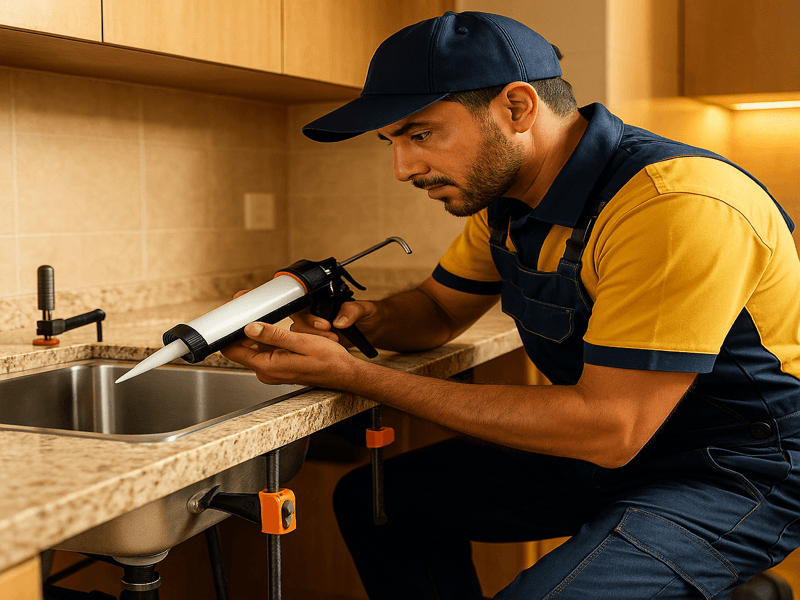
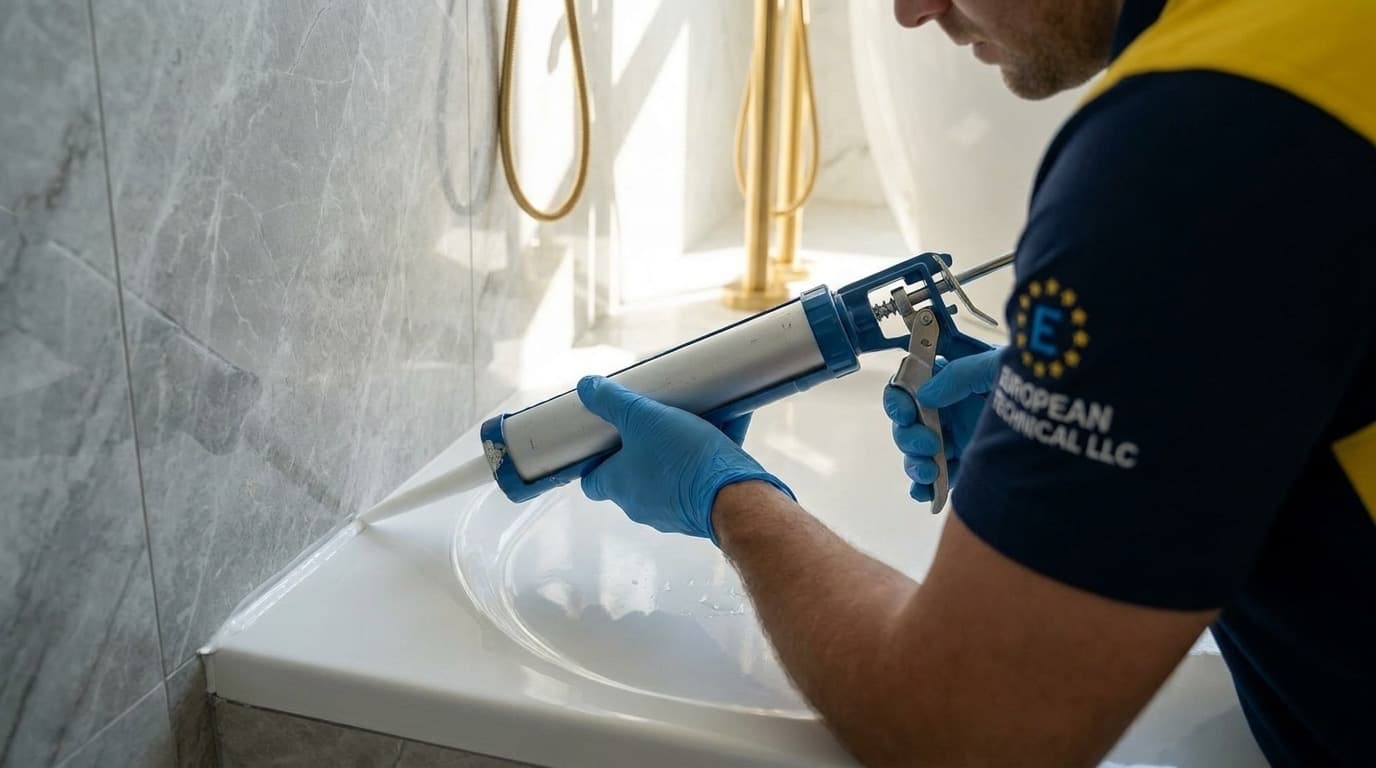
Load your chosen mould-resistant silicone, such as the Pattex Sf525, into a caulking gun. Cut the nozzle of the tube at a 45-degree angle to achieve the desired bead size. Apply steady pressure on the trigger as you move the gun along the joint at a consistent speed. Try to apply the sealant in one continuous motion to avoid uneven lines.
5. Smooth the Bead and Remove the Tape
Once the sealant is applied, you need to smooth it before it forms a skin. Dip a sealant smoothing tool or your finger in a solution of soapy water. Run it along the bead with light, even pressure to push the silicone into the joint and create a concave finish. Immediately after smoothing, carefully peel away the masking tape. Do this before the silicone starts to cure.
6. Allow Proper Curing Time
Leave the bathroom unused for at least 24 hours to allow the sealant to cure fully. Check the manufacturer instructions for exact curing times. Avoid touching or splashing water on the new sealant during this period. Proper curing ensures the silicone achieves its maximum flexibility and waterproof properties.
Preventing Mould Return in Your Dubai Bathroom
Replacing your sealant is only half the battle. Preventing mould from returning requires ongoing maintenance and good ventilation habits. Dubai residents must actively manage indoor humidity levels to protect their bathrooms.
First, always use your bathroom extractor fan. Run it during your shower and leave it on for at least 30 minutes afterwards. If your bathroom lacks an extractor fan, consider installing one. This is a small investment that significantly reduces moisture levels. Leaving a window slightly open after showering also helps, though this is less effective during the peak summer months when the outside air is heavily laden with humidity.
Second, squeegee your shower screen and tiles after every use. Removing standing water from surfaces deprives mould spores of the moisture they need to survive. Keep a squeegee in the shower cubicle for convenience.
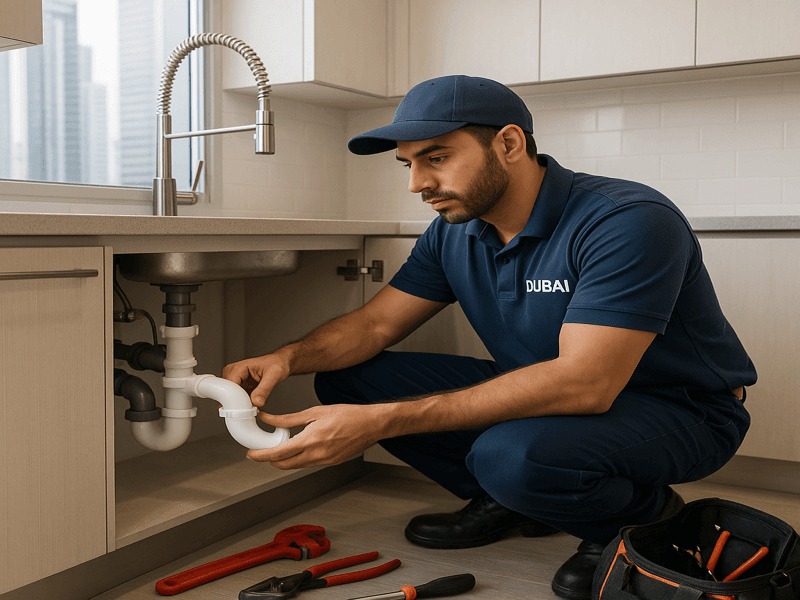
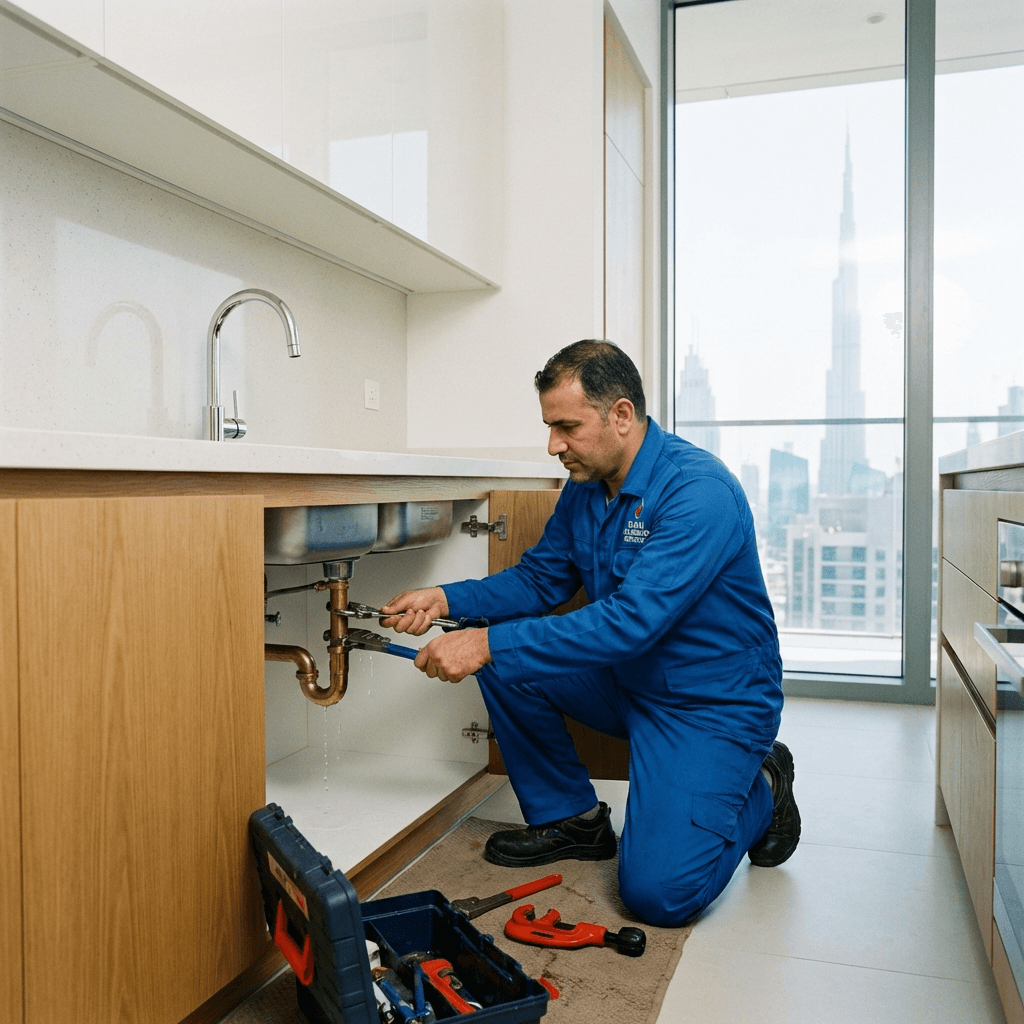
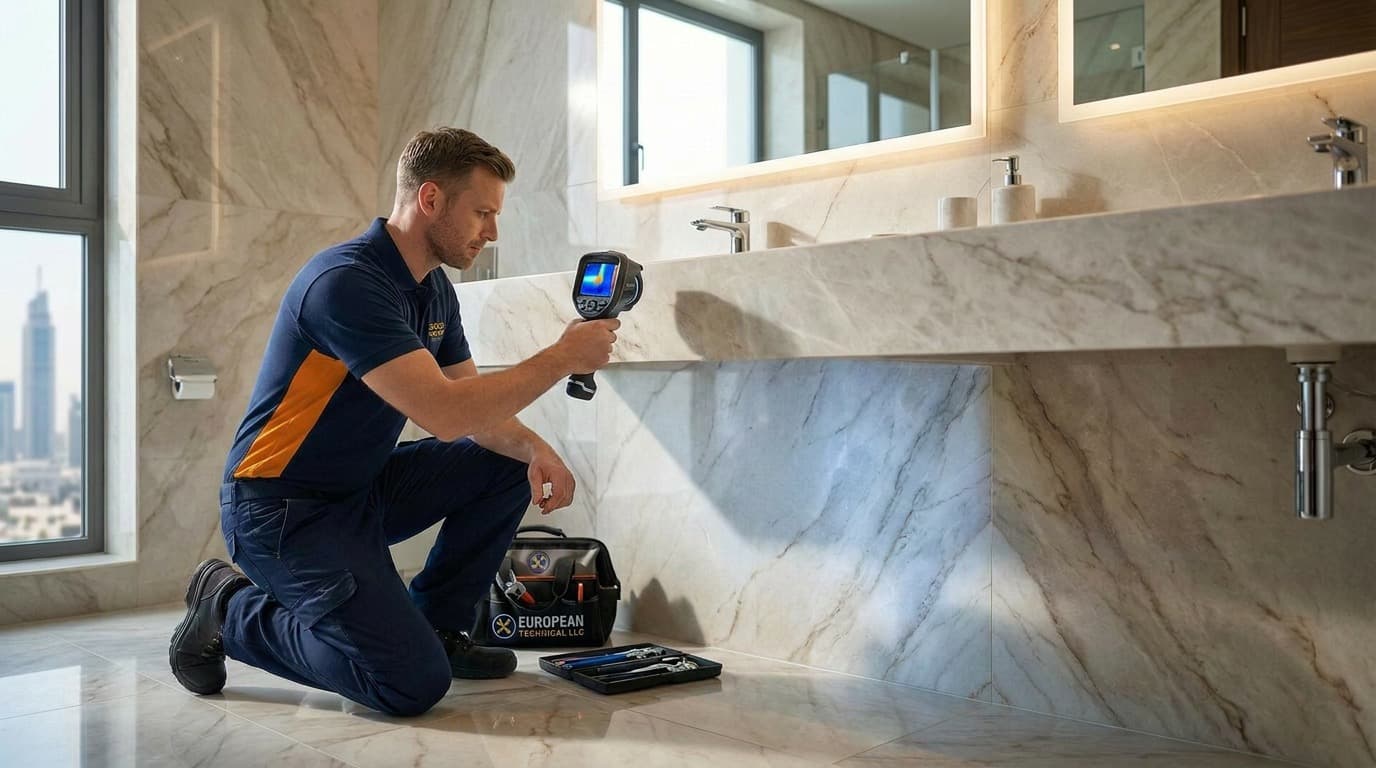
Third, address any plumbing leaks promptly. A dripping tap or a slow leak behind the wall provides a constant source of moisture that will inevitably lead to mould growth. Our plumbing team at European Technical regularly identifies hidden leaks that cause persistent bathroom mould. Fixing these issues protects your property and your health.
Finally, consider professional support. A handyman can re-seal your bathroom efficiently, ensuring a flawless finish. For ongoing peace of mind, an annual maintenance contract covers regular inspections of your home critical systems, including plumbing and sanitary fixtures. This proactive approach catches potential mould and water damage issues before they escalate. You can also learn more about our general home maintenance services to keep your property in top condition year-round.
When to Call a Professional
While replacing silicone sealant is a manageable DIY task for many, certain situations call for professional intervention. If the mould keeps returning despite your best efforts, there may be an underlying issue with your bathroom waterproofing or a hidden leak. If the sealant is extensively damaged or if you are dealing with multiple bathrooms in a large property, hiring a professional saves time and guarantees a high-quality result.
At European Technical, we have the experience and tools to handle bathroom maintenance across Dubai. We understand the specific challenges posed by the local climate and building standards. Our technicians use premium materials and proven techniques to deliver durable, mould-resistant finishes. Do not let bathroom mould devalue your property or compromise your familys health. Contact us for reliable maintenance solutions tailored to your home.
FAQ
Why does mould grow on silicone sealant in Dubai bathrooms?
Mould grows because Dubai bathrooms are naturally damp spaces with high humidity. Silicone sealants contain mould preventatives, but these chemicals degrade over time. As the sealant breaks down, it develops microscopic pores that trap soap scum and moisture, giving mould spores the perfect environment to multiply.
Can I just clean the mouldy silicone instead of replacing it?
Surface cleaning can temporarily remove visible mould, but it rarely kills the spores embedded deep within the silicone. If the sealant is heavily discoloured or breaking down, cleaning will not solve the problem. You must remove the old sealant, clean the area thoroughly, and apply a new bead of mould-resistant silicone for a lasting solution.
What type of silicone sealant is best for Dubai bathrooms?
Premium sanitary silicones designed for high-humidity areas are best. Products like the Pattex Sf525 Silicone Sealant and the Pattex Sanitary Anti-Mould Pressure Bath and Kitchen Sealant offer strong mould resistance. They bond well to multiple surfaces like glass, ceramic, and wood, creating a flexible and waterproof joint.
How long does it take for new bathroom sealant to cure?
Most silicone sealants require 24 hours to cure fully. You should avoid using the shower or bath during this time. Always check the manufacturer instructions on the sealant packaging for the exact curing time, as some products may dry faster or slower depending on the formulation and room conditions.
How can I prevent mould from returning to my bathroom sealant?
Prevent mould by controlling moisture. Use your bathroom extractor fan during and after showers. Squeegee your tiles and glass screen after every use to remove standing water. Fix any plumbing leaks immediately. These habits reduce humidity and deprive mould spores of the water they need to grow.
Should I hire a professional to replace my bathroom sealant?
If you have recurring mould, suspect a hidden leak, or want a flawless finish across multiple bathrooms, hiring a professional is a smart choice. A professional ensures the old sealant is completely removed, the surface is properly prepared, and the new silicone is applied smoothly for a durable, watertight seal.