The State of Plumbing Work in Dubai for 2026
Dubai continues to build and expand at an astonishing pace. From the high-rise towers of Dubai Marina and Business Bay to the sprawling villas of Arabian Ranches and Jumeirah Village Circle (JVC), the infrastructure demands high-quality maintenance. As we move into 2026, plumbing work in Dubai remains a critical service. The extreme summer heat, high humidity, and occasional sandstorms put unique stress on residential and commercial pipework.
Property owners often overlook their plumbing until a problem arises. A small drip under a sink in a Downtown apartment can quickly turn into a major flood, damaging ceilings, walls, and flooring. The climate here accelerates wear and tear on certain materials. For instance, thermal expansion in pipes during the peak summer months when temperatures exceed 45 degrees Celsius can cause joints to weaken over time. Furthermore, the high mineral content in the mains water supply can lead to scaling inside pipes. This scale reduces the internal diameter of the pipe, lowering water pressure and eventually causing blockages.
Different areas of Dubai face specific plumbing challenges. In high-rise buildings in Dubai Marina and Business Bay, shared risers and complex drainage systems require specialised knowledge to maintain. A blockage on one floor can affect multiple units. In contrast, villas in Arabian Ranches or JVC often rely on private water tanks and pressure pumps. These mechanical components require regular servicing to ensure consistent water flow.
Engaging a licenced maintenance provider is not just a recommendation but a necessity. European Technical provides certified plumbing services across the emirate. We understand the local building codes, the specific challenges posed by the Dubai climate, and the standards required by regulatory bodies like the Dubai Municipality. Whether you live in a studio apartment or a five-bedroom villa, keeping your water systems in optimal condition requires local knowledge and professional execution. The push towards sustainability in 2026 also means property owners are looking for ways to reduce water consumption, making efficient plumbing systems more important than ever.
Common Plumbing Issues in Dubai Properties
Understanding the typical plumbing problems in Dubai helps residents act quickly. The most frequent issues we encounter involve hidden leaks, blocked drains, faulty water heaters, and AC condensation lines.
A sudden spike in your DEWA bill is often the first sign of a hidden leak. Water escapes through tiny cracks in pipes, tanks, or outdoor lines. You might not see the water, but the meter keeps spinning. In many cases, a damp wall, a musty smell, or a water stain on the ceiling indicates a leak you cannot see. These hidden leaks often occur behind tiled walls or under concrete floors. If left unattended, the water will eventually saturate the plaster and cause the paint to bubble and peel.
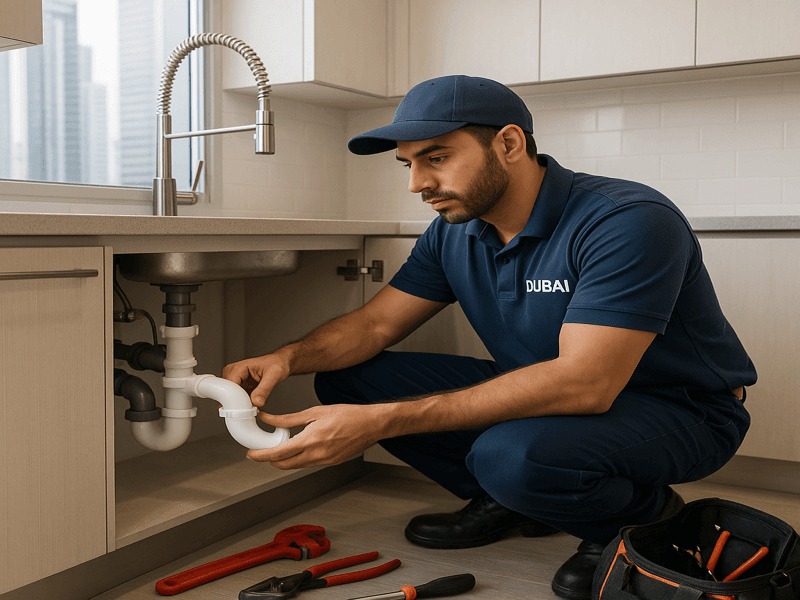
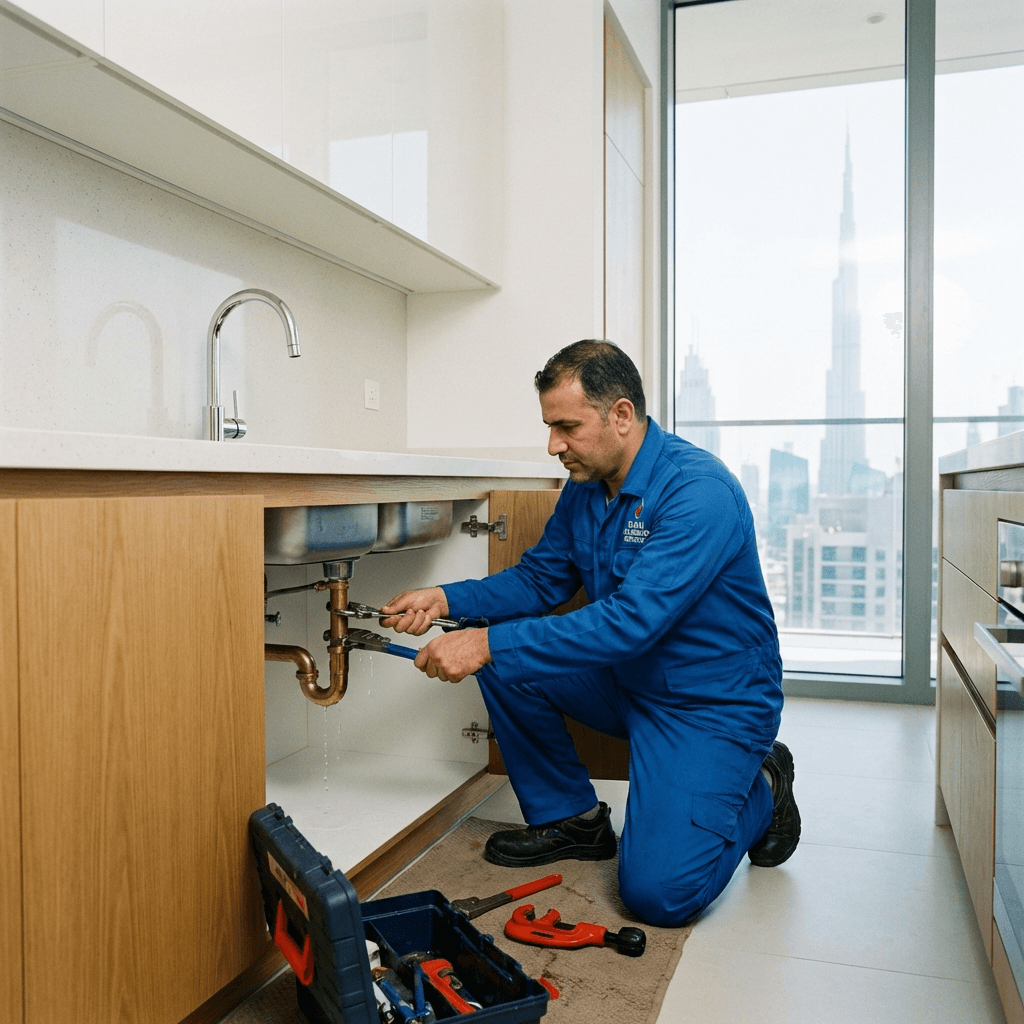
Blocked drains are another major headache. Kitchen sinks suffer from grease and food build-up, while bathroom drains collect hair and soap scum. In older buildings, the original pipes may have narrowed due to years of scale accumulation. For a simple blockage, using a plunger might work. However, stubborn blockages require professional drain cleaning. High-pressure jetting is a standard method used by professionals to clear blocked drains in Dubai. This forces water through the pipes at high velocity, clearing the obstruction and washing away the debris. Emergency services are available for urgent issues where the blockage is causing water to back up into the property.
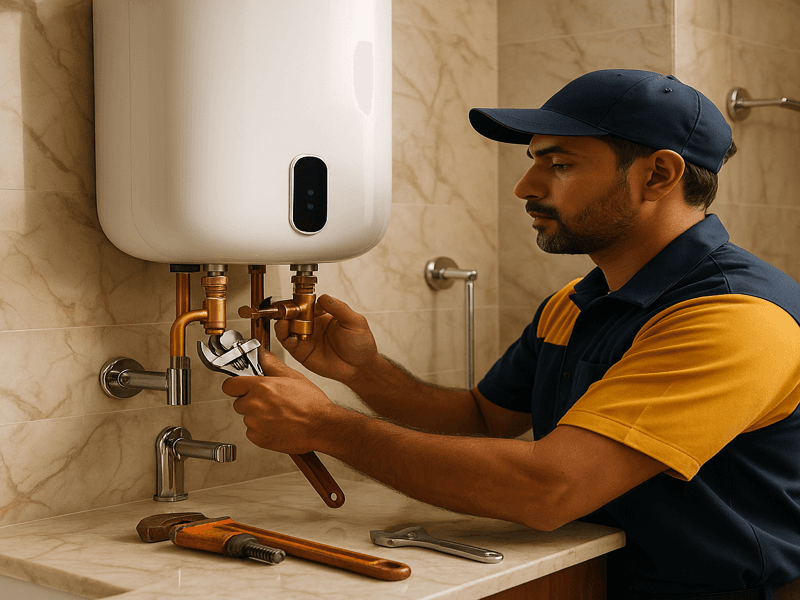
Water heaters also face a tough time in Dubai. The constant demand for cool showers in summer means these units work harder. Sediment build-up in the tank can cause rumbling noises or reduce heating efficiency. Regular flushing of the water heater extends its lifespan and ensures safe operation. If you notice water pooling near the heater, it needs immediate attention. Sometimes a simple seal replacement fixes the issue, but corroded tanks require full replacement. A qualified handyman can handle minor fixes like securing a loose pipe bracket, but electrical and plumbing work on heaters should always involve a certified technician.
Air conditioning condensation lines are a unique challenge in Dubai. AC units run constantly for much of the year, producing a significant amount of condensate. This water drains away through a dedicated pipe. Over time, dirt and algae can block this pipe. When the water cannot drain, it overflows the drip tray and leaks through the ceiling. This often looks like a plumbing leak but is actually an AC issue. Regular AC repair and maintenance include clearing these lines to prevent indoor flooding.
Advanced Water Leak Detection Methods
Finding a leak without tearing up walls or floors requires specialised equipment. Water leak detection services in Dubai have evolved significantly. Companies like LeakDtech and Verteco specialise in using advanced, non-invasive methods to locate and repair leaks. This approach prevents unnecessary property damage and saves on refurbishment costs.
The process begins with a thorough inspection. Technicians check the cause, follow the water source, review meter signs, and confirm if leakage is raising the bill. Simple checks can identify obvious issues, but hidden leaks require more sophisticated tools.
Pressure testing is a fundamental method. Technicians isolate sections of the pipework and pressurise them with air or water. If the pressure drops over a set period, it confirms a leak in that specific section. Moisture tracing involves using moisture meters to map the dampness behind walls or under floors. This helps pinpoint the exact location of the water escape.
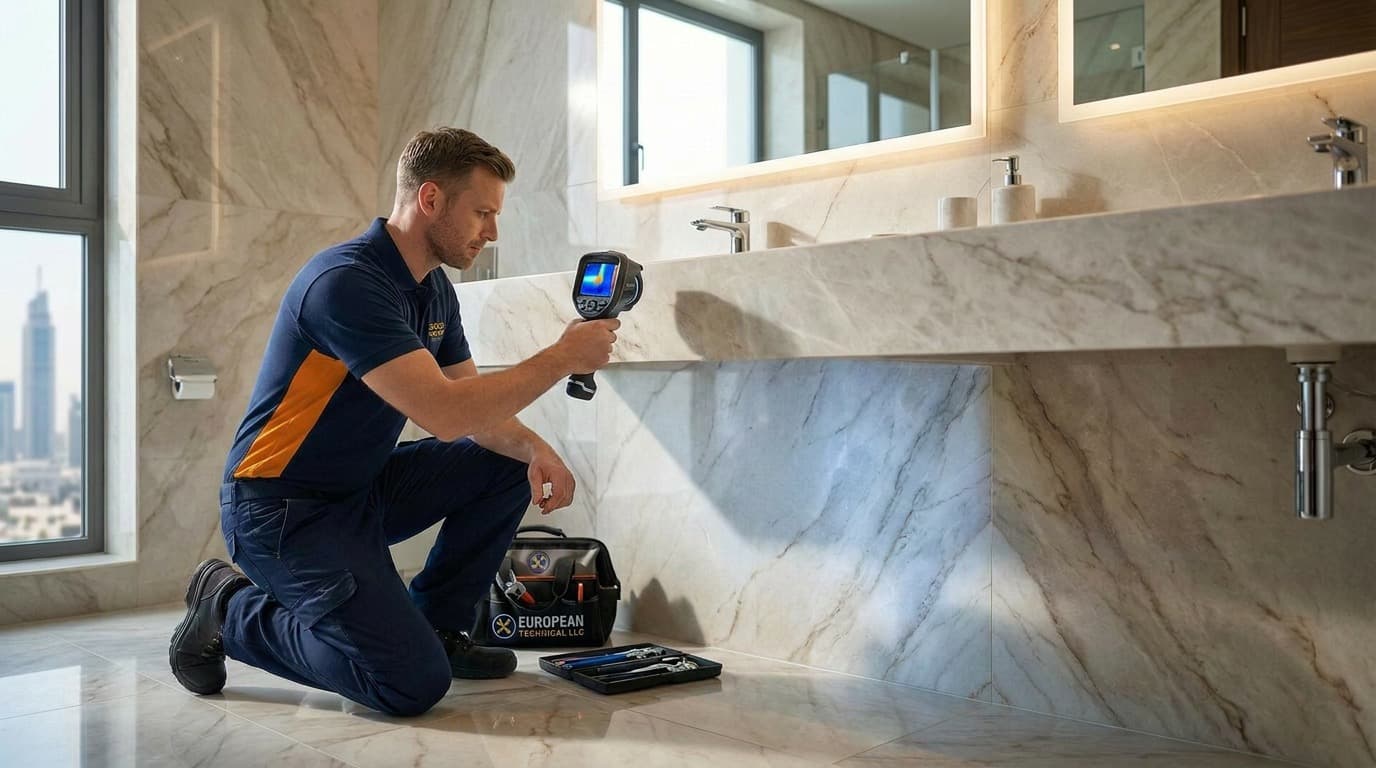
Thermal imaging cameras are also widely used. These cameras detect temperature differences on surfaces. A cold water leak behind a wall will show up as a distinct cold spot on the thermal camera. This allows technicians to see the path of the water without drilling a single hole. It is particularly useful for finding leaks in underfloor heating systems, which are common in luxury Dubai villas.
Acoustic listening devices are another essential tool. These highly sensitive ground microphones pick up the sound of water escaping from a pipe under pressure. By moving the microphone along the floor or wall, the technician can pinpoint the loudest point of the hissing sound, which is usually directly above the leak.
Tracer gas detection is used for complex underground leaks. A safe mixture of nitrogen and hydrogen is introduced into the empty pipe. The gas escapes through the leak and rises to the surface. A sensitive gas detector is then used to sniff the ground until the highest concentration of gas is found, pinpointing the exact leak location.
Choosing experienced providers is vital for effective and efficient leak detection. Some companies even offer a "no find, no fee" guarantee, meaning you only pay if they actually find the leak. This structured fixed-price approach gives property owners peace of mind. Once located, the repair can be carried out with minimal inconvenience, damage, or hassle. The non-invasive solution prevents damage to your property, saves time and money, and offers environmental efficiencies by reducing water wastage.
Maintaining Your Plumbing System Year-Round
Preventative maintenance is always cheaper than emergency repairs. Dubai residents should adopt a proactive approach to their property's plumbing. An annual maintenance contract is the most effective way to keep systems running smoothly. These contracts typically include regular inspections of pipes, drains, water heaters, and AC units.
During a maintenance visit, a technician will check water pressure. High pressure can damage pipes and appliances, while low pressure indicates a possible leak or blockage. They will also inspect the washing machine hoses, which often burst and cause indoor flooding. Replacing a rubber hose with a stainless steel braided line is a cheap upgrade that prevents expensive water damage.
Drain cleaning should not wait for a complete blockage. Scheduling a high-pressure jetting service once a year keeps pipes clear and free-flowing. This is particularly important in commercial properties and large residential buildings where usage is high. Regular cleaning prevents the build-up of grease, hair, and scale that leads to slow drainage.
Outdoor plumbing also requires attention. Villas with gardens and swimming pools have extensive underground pipe networks. The Dubai summer heat can dry out the soil, causing it to shift and put stress on underground pipes. Regular checks of outdoor taps, irrigation systems, and pool pumps prevent major leaks. A small underground leak can waste thousands of litres of water before it becomes visible on the surface.
Furthermore, the high humidity in Dubai can cause condensation on cold water pipes. Over time, this constant dripping can damage drywall and lead to mould growth. Insulating cold water pipes, known as lagging, prevents condensation and also keeps the water cooler as it travels through hot areas. If you notice peeling paint or damp patches, you might need painting services after fixing the underlying moisture issue. Similarly, unchecked dampness can attract pests, requiring professional pest control.
For minor repairs like a loose towel rail or a squeaky door, a handyman can assist. However, for anything involving water lines or drainage, always use a licenced plumber. Attempting a DIY fix on a plumbing issue often leads to worse damage. A small leak improperly fixed can cause a pipe to burst under pressure, leading to a flooded room and expensive repairs.
Career Guide: Becoming a Plumber in Dubai
The construction and maintenance boom in Dubai creates a constant demand for skilled tradespeople. Plumbing is a highly respected and well-paid trade for those with the right qualifications. If you are considering a career in plumbing in Dubai, there are several paths and requirements to understand.
First, you need formal training. Most plumbers complete an apprenticeship or a vocational training course in their home country. This provides the foundational knowledge of pipefitting, drainage systems, and water supply networks. A strong understanding of maths and physics is helpful for calculating pipe sizes and water pressure requirements.
To work legally in Dubai, a plumber must obtain the appropriate trade licence. This usually involves passing exams administered by Dubai Municipality or other relevant authorities like Trakhees. The licensing process ensures that only qualified individuals handle water and gas lines, protecting public health and safety. Plumbers must also undergo regular health and safety training to work on construction sites.
Plumbers in Dubai can work for large maintenance companies, construction firms, or as independent contractors. Starting as a technician with a reputable company like European Technical offers hands-on experience. You will encounter a wide variety of systems, from modern smart home plumbing in luxury villas to traditional setups in older apartments.
Specialising in a niche area can boost your career. Leak detection is a growing field. Technicians who can operate thermal imaging cameras and acoustic equipment command higher salaries. Similarly, expertise in high-pressure jetting and industrial drain cleaning is highly sought after for commercial properties.
The work is physically demanding. Plumbers often work in tight spaces, under sinks, or in plant rooms where temperatures can be high. However, the financial rewards and job security make it a worthwhile career. Continuous learning is essential. As new materials and technologies enter the market, staying updated with the latest non-invasive detection methods and water-saving fixtures will keep you in high demand.
Property owners in Dubai rely heavily on the expertise of plumbers. Whether it is fixing a blocked drain in a JVC apartment or installing a new bathroom in an Arabian Ranches villa, the quality of the work directly impacts the daily lives of residents. A good plumber not only fixes the immediate problem but also advises on preventative measures to avoid future issues. Excellent customer service and clear communication are just as important as technical skills in building a successful career in the UAE.
FAQ
How do I know if I have a hidden water leak in my Dubai home?
A sudden increase in your DEWA bill is the most common indicator of a hidden leak. You should also look out for damp patches on walls, water stains on ceilings, a musty smell, or the sound of running water when all taps are closed. If you notice any of these signs, you should arrange a professional leak detection service immediately.
What is non-invasive water leak detection?
Non-invasive leak detection uses specialised equipment like thermal imaging cameras, acoustic listening devices, and moisture meters to find the source of a leak without breaking walls or floors. This method saves time, reduces mess, and prevents unnecessary damage to your property, ultimately saving you money on repair and refurbishment costs.
How much does a plumber cost in Dubai?
Plumber call-out fees in Dubai generally start from AED 150 to AED 200 for a standard inspection during working hours. Minor repairs might cost between AED 250 and AED 500. Larger jobs, such as installing a new water heater or fixing a major pipe burst, will cost more. Always ask for a fixed price quote before the work begins.
Can high humidity in Dubai affect my plumbing?
Yes, high humidity causes condensation to form on cold water pipes. Over time, this dripping water can damage ceilings and walls, and lead to mould growth. Insulating the pipes, a process called lagging, prevents this condensation. It is a standard practice during property maintenance in Dubai.
What should I do if my drain is blocked?
For a minor blockage, you can try using a plunger. Avoid pouring harsh chemical cleaners down the drain as they can damage older pipes. If the blockage persists, you should call a professional plumber. They will use high-pressure water jetting to clear the obstruction safely and effectively without damaging your pipework.
Is an annual maintenance contract worth it for a Dubai apartment?
Yes, an annual maintenance contract is highly recommended. It ensures your plumbing, AC, and electrical systems are checked regularly by professionals. This proactive approach identifies potential issues before they become expensive emergencies, saving you money and stress in the long run. It also ensures your home remains safe and comfortable throughout the year.