Bakit Karaniwan ang Mga Baradong Drain sa Dubai
Ang pamumuhay sa Dubai ay may kasamang mga partikular na hamon sa pagpapanatili. Ang kombinasyon ng matinding init ng tag-init, mataas na halumigmig, at palagiang paggamit ng air conditioning ay lumilikha ng kapaligiran kung saan kailangang magtrabaho nang husto ang mga sistema ng tubo. Kahit nakatira ka man sa isang mataas na apartment sa Dubai Marina o sa isang family villa sa Arabian Ranches, ang baradong drain ay mabilis na maaaring maging isang malaking problema mula sa isang maliit na abala.
DubaiMalaki ang papel ng klima ng Jumeirah sa mga isyu sa drainage. Ang halumigmig sa mga lugar tulad ng Business Bay Village Circle (JVC) at
ay nagdudulot ng pagbuo ng condensation sa mga tubo. Kapag ang halumigmig na ito ay hinaluan ng alikabok, buhok, at karaniwang sabon, nabubuo ang matigas na latak na dumikit sa loob ng mga tubo. Sa paglipas ng panahon, tumitigas ang latak na ito at humahadlang sa daloy ng tubig. Sa mga lumang gusali lalo na, ang pag-ipon ng calcium deposits ay lalo pang nagpapaliit sa diameter ng tubo, kaya't hindi maiiwasan ang mga bara kung walang regular na maintenance. Dubai Mayroon ding isyu sa grasa. Sa maraming sambahayan sa
ang mga mantika at taba mula sa pagluluto ay hinuhugasan sa lababo ng kusina sa halip na itapon nang maayos. Maaaring panatilihing likido ng mainit na tubig mula sa gripo ang grasa pansamantala, ngunit habang ito ay dumadaloy sa drainage system, lumalamig ito at tumitigas. Nagdudulot ito ng makapal na lining sa loob ng mga tubo na humahuli sa mga piraso ng pagkain at dumi, na kalaunan ay nagreresulta sa ganap na bara. Kinakailangan ang propesyonal na paglilinis ng drain kapag ang mga deposito ay naipon nang husto na hindi na makadaan ang tubig.
Paano Maagang Matukoy ang Baradong Drain
Ang maagap na pagtukoy ng problema sa drainage ay makakatipid sa iyo ng malaking halaga at stress. Karaniwan, may mga palatandaan bago tuluyang huminto ang pagdaloy ng tubig. Ang pagbibigay pansin sa mga babalang ito ay nagbibigay-daan upang kumilos bago pa kailanganin ang emergency na interbensyon.
Ang pinaka-klarong palatandaan ay mabagal na pag-agos ng tubig. Kung mas matagal kaysa karaniwan bago maubos ang tubig mula sa lababo, shower, o bathtub, may nabubuong bara sa isang bahagi ng tubo. Maaari mo ring marinig ang tunog na parang umuugong mula sa butas ng drain kapag unti-unting dumadaloy ang tubig. Nangyayari ito dahil may hangin na naipit sa likod ng bara na pinipilit dumaan sa tubig habang dahan-dahang umaagos. Downtown Dubai Ang masangsang na amoy ay isa pang malinaw na senyales. Kapag may organikong bagay na naipit sa mga tubo at nagsisimulang mabulok, naglalabas ito ng amoy na parang asupre na umaakyat pabalik sa drain. Kung napapansin mo ang hindi kanais-nais na amoy mula sa lababo ng kusina, drain ng banyo, o floor drain sa laundry area, panahon na upang imbestigahan ito. Sa mga apartment sa Business Bayo
, minsan ang amoy mula sa mga shared drainage stacks ay maaaring kumalat sa pagitan ng mga unit, kaya't mahalagang agad itong tugunan.Ang pag-urong ng tubig ay ang pinakamatinding sintomas. Kung kapag nag-flush ka ng toilet ay umaakyat ang tubig sa halip na bumaba, o kapag nagpapatakbo ka ng washing machine ay umaakyat ang tubig sa shower drain, may malubhang bara na kailangang agad na aksyunan. Sa puntong ito, hindi na epektibo ang DIY at dapat kang tumawag ng propesyonal na plumbing
service kaagad.
Mga Paraan sa Pagsasaayos ng Baradong Drain
Mga DIY na Paraan para sa Maliit na Bara
Para sa mga maliit na bara na malapit sa ibabaw, may ilang paraan na maaari mong subukan bago tumawag ng propesyonal. Ang plunger ang madalas na unang gamit. Sa pamamagitan ng pagtakip nito sa drain at paglalapat ng presyon, maaaring matanggal ang bara. Pinakamainam ito para sa mga lababo at toilet na malapit lang ang bara sa bukana.
Ang pagbuo ng mainit na tubig ay isa pang simpleng lunas, lalo na sa mga lababo sa kusina kung saan grasa ang posibleng sanhi. Ang pagbuo ng mainit na tubig nang paunti-unti sa drain ay maaaring matunaw ang mga deposito ng taba at maibalik ang daloy. May ilan na nagdadagdag ng washing-up liquid sa mainit na tubig para mas epektibong matunaw ang grasa. Ngunit hindi ito angkop sa lahat ng uri ng tubo, kaya mag-ingat lalo na kung nasa lumang bahay ka. 15 Ang halo ng bicarbonate of soda at puting suka ay isang popular na natural na solusyon. Ibuhos ang kalahating tasa ng bicarbonate of soda sa drain, kasunod ang kalahating tasa ng suka. Ang reaksyon ng kemikal ay naglalabas ng bula na tumutulong sa pagtunaw ng organikong bagay. Iwanan ito ng 20 hanggang
minuto, pagkatapos ay banlawan ng mainit na tubig. Ligtas ito sa lahat ng uri ng tubo at maaaring gamitin bilang preventive measure buwan-buwan. DubaiMay mga chemical drain cleaners na mabibili sa karamihan ng supermarket at hardware stores sa
. Gumagamit ang mga ito ng malalakas na kemikal para matunaw ang bara. Bagamat epektibo sa maliliit na bara, dapat gamitin nang maingat dahil maaaring makasira ito sa mga lumang tubo at delikado sa balat at mata kung hindi tama ang paggamit. Kung gagamit ka nito, sundin nang mabuti ang mga tagubilin at huwag paghaluin ang iba't ibang produkto.
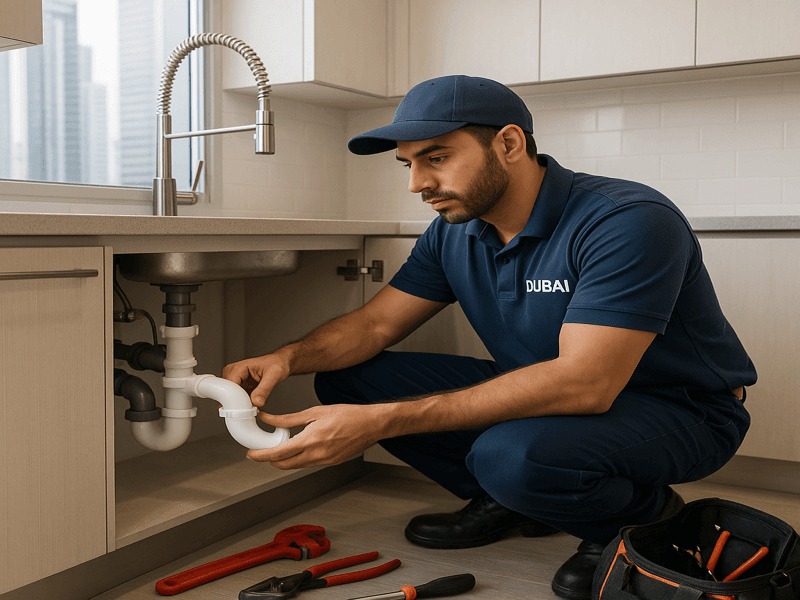
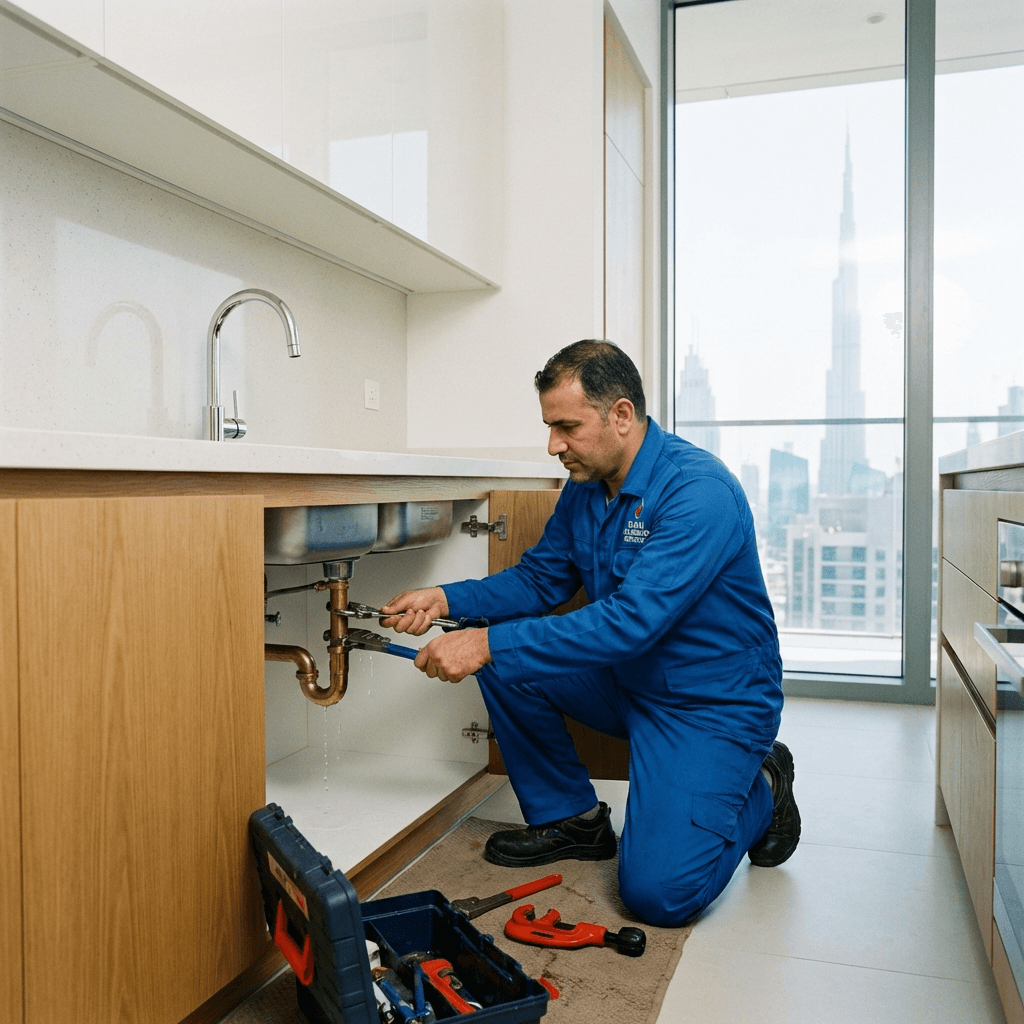
Propesyonal na Paglilinis ng Drain Dubai Kapag nabigo ang DIY o malala na ang bara, ang propesyonal na paglilinis ng drain ang tanging maaasahang solusyon. Gumagamit ang mga propesyonal na tubero sa
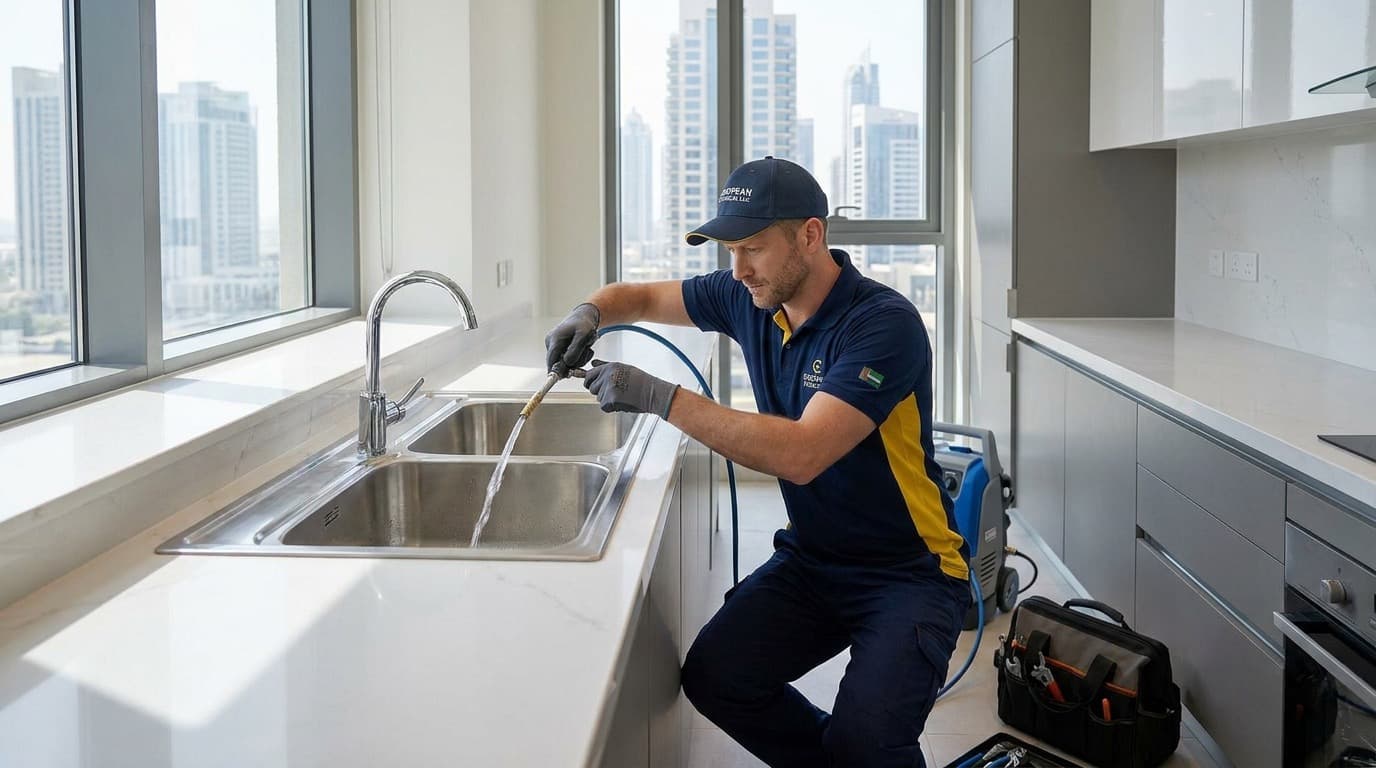
ng espesyal na kagamitan na hindi karaniwan sa mga may-ari ng bahay. Ang pinakaepektibo dito ay ang high-pressure water jetting.
Ang high-pressure jetting ay nagtutulak ng tubig sa loob ng mga tubo gamit ang napakataas na presyon. Ang tubig ay dinidirekta sa pamamagitan ng espesyal na nozzle na kayang putulin ang grasa, calcium deposits, buhok, at iba pang dumi na naipon sa loob ng tubo. Hindi tulad ng chemical cleaners na tinutunaw lang ang bahagi ng bara, nililinis ng high-pressure jetting ang buong loob ng tubo, tinatanggal lahat ng bara at pinananatiling malinis ang tubo tulad ng bago. Dubai Epektibo ito lalo na sa Arabian Ranches kung saan ang kombinasyon ng matigas na tubig at mataas na temperatura ay nagdudulot ng matitigas na deposito. Ang calcium na naiipon sa mga lugar tulad ng
at JVC ay halos parang bato ang tigas. Isa ito sa iilang paraan na kayang alisin ang mga deposito nang hindi nasisira ang tubo.
Gumagamit din ang mga propesyonal ng drain cameras para inspeksyunin ang loob ng tubo bago at pagkatapos ng paglilinis. Nakakatulong ito upang matukoy ang eksaktong lokasyon at uri ng bara, at masigurong tama ang ginamit na paraan. Pagkatapos ng paglilinis, kinukumpirma ng camera na malinis na ang tubo at natutukoy kung may mga structural issues tulad ng bitak o maling pagkakabit ng mga joint na maaaring magdulot ng problema sa hinaharap. Dubai Para sa mga emergency, maraming propesyonal na serbisyo sa tubero sa Dubai Marinaang nag-aalok ng mabilis na tugon. Kung ang baradong drain ay nagdudulot ng pag-urong ng tubig sa loob ng bahay, lalo na kung may kinalaman sa dumi, kailangan mo ng agarang tulong. Karaniwang nakakarating ang mga emergency plumber sa mga sentrong lugar tulad ng Business Bay , Downtown, at Arabian Ranchessa loob ng isang oras. Sa mga suburban na lugar tulad ng
, maaaring mas matagal ng kaunti ngunit inuuna pa rin batay sa tindi ng problema.
Ang Gastos ng Pagsawalang-bahala sa Baradong Drain
Ang pagsawalang-bahala sa baradong drain ay maling tipid. Ang isang mabagal na pag-agos ng tubig ay maaaring mabilis na lumala at magdulot ng problema na nagkakahalaga ng libu-libong dirhams para ayusin. Kapag hindi agad naaksyunan ang bara, lalo itong tumitigas at nagiging mahirap tanggalin. Patuloy na naiipon ang dumi at ang presyon sa likod ng bara ay maaaring magdulot ng bitak o pagsabog ng tubo.
Ang pinsala sa tubig ang pinakaagarang panganib. Kapag nag-overflow ang tubig dahil sa baradong drain, maaaring masira ang sahig, pader, at mga kasangkapan. Sa mga apartment, maaaring tumagos ang tubig sa mga kalapit na unit, kaya maaari kang managot sa pag-aayos ng bahay ng iba. Sa mga villa, ang pagtitipon ng tubig sa paligid ng pundasyon ay maaaring magdulot ng structural damage sa paglipas ng panahon. Mas malaki ang gastos sa pag-aayos ng pinsala kaysa sa paglilinis ng drain. DubaiMay panganib din sa kalusugan. Ang stagnant na tubig sa mga drain ay nagsisilbing pugad ng bakterya at insekto. Sa mainit na klima ng
, mabilis itong nangyayari. Hindi lang masangsang ang amoy, kundi ang bakterya sa tubig ay maaaring magdulot ng seryosong panganib sa kalusugan ng pamilya. Kung may kinalaman sa dumi ang bara, mas seryoso ang panganib at kailangan ng agarang propesyonal na tulong.
Para sa mga landlord at property investors, mahalaga ang regular na maintenance ng drain para maprotektahan ang iyong investment. Inaasahan ng mga nangungupahan ang maayos na plumbing, at ang baradong drain ay maaaring magdulot ng reklamo, pagtatalo sa renta, at sa matinding kaso, maagang pagwawakas ng kontrata. Ang pagsama ng inspeksyon at paglilinis ng drain sa maintenance schedule ay nakakatulong upang maiwasan ang mga problemang ito at mapanatili ang kasiyahan ng mga nangungupahan. Dubai Paano Maiiwasan ang Baradong Drain sa Iyong
Bahay Dubai Mas mainam ang pag-iwas kaysa sa pag-ayos. May ilang simpleng gawi na maaari mong gawin upang mabawasan ang posibilidad ng baradong drain sa iyong bahay. Mahalaga ang mga ito lalo na sa
kung saan ang klima at kalidad ng tubig ay nagpapabilis ng pag-ipon ng dumi sa mga tubo.
Sa kusina, huwag kailanman ibuhos ang mantika o taba sa lababo. Hayaan itong lumamig at tumigas, pagkatapos ay itapon sa basurahan. Gumamit ng sink strainer upang hulihin ang mga piraso ng pagkain at regular itong linisin. Patakbuhin ang mainit na tubig pagkatapos gamitin ang lababo upang maiwasan ang pag-ipon ng grasa sa loob ng tubo. Isang lingguhang pag-flush gamit ang mainit na tubig at kaunting washing-up liquid ay nakakatulong upang panatilihing malinis ang mga tubo.
Sa banyo, gumamit ng hair catcher sa shower o bathtub drain. Ang buhok ang isa sa mga karaniwang sanhi ng baradong drain sa banyo, at ang simpleng mesh catcher ay nakakapigil ng karamihan nito na makapasok sa tubo. Linisin ang catcher pagkatapos ng bawat shower. Iwasang gamitin ang toilet bilang basurahan. Tanging toilet paper at dumi ng tao lang ang dapat i-flush. Ang wet wipes, sanitary products, at cotton buds ay dapat itapon sa basurahan kahit pa sinasabing flushable ang mga ito. Dubai Para sa mga outdoor drain, lalo na sa mga villa na may hardin o balkonahe, panatilihing malinis ang paligid ng drain mula sa mga dahon at dumi. Sa mga bihirang ngunit malalakas na pag-ulan sa
, mabilis na napupuno ang outdoor drains kung may bara na. Regular na pagwawalis at pagtanggal ng dumi ay nakakatulong upang mapanatili ang maayos na drainage.Ang pag-schedule ng taunang inspeksyon sa isang propesyonal na tubero ay isa sa mga pinakaepektibong preventive measure. Kayang tuklasin ng kwalipikadong tubero ang mga posibleng problema bago pa ito lumala. Maaari rin nilang gawin ang high-pressure jetting bilang preventive measure upang alisin ang mga deposito bago pa magdulot ng bara. Maraming residente ang natatagpuan na ang annual maintenance contract
ay nagbibigay ng kapanatagan ng isip at nakakatulong upang pantayin ang gastos sa maintenance sa buong taon. Kadalasang kasama sa kontratang ito ang regular na inspeksyon ng plumbing system, priority emergency response, at diskwento sa mga pag-aayos.Ang pangkalahatang handyman
service ay makakatulong din sa maliliit na plumbing maintenance tulad ng pagpapalit ng mga worn washers, pagtutok ng mga maluwag na fittings, at pag-check ng maliliit na tagas na maaaring magdulot ng mas malaking problema sa hinaharap. Ang pagkakaroon ng maaasahang maintenance partner na may alam sa iyong property at kasaysayan nito ay nagpapadali upang maagapan ang mga posibleng isyu.Maaari mo ring tingnan ang aming mas malawak na home maintenance services
upang mapanatiling maayos ang lahat ng sistema sa iyong property, mula sa air conditioning hanggang sa electrical work.
Kailan Dapat Tumawag ng Propesyonal na Tubero
Ang pag-alam kung kailan tatawag ng propesyonal ay makakatipid sa iyo ng oras, pera, at abala. Bagamat ang maliliit na bara ay madalas na naaayos gamit ang DIY methods, may mga sitwasyon na kailangan ang propesyonal na kaalaman. Kung sinubukan mo na ang plunging, boiling water, o chemical cleaner at nananatili pa rin ang bara, panahon na upang tumawag ng tubero. Ang patuloy na pagsubok ng DIY sa matigas na bara ay maaaring magpalala ng problema sa pamamagitan ng pagtulak ng bara nang mas malalim sa tubo.
Kung maraming drain sa bahay ang sabay-sabay na barado, malamang ang problema ay nasa pangunahing drainage line at hindi sa isang tubo lang. Nangangailangan ito ng propesyonal na kagamitan at kaalaman upang ayusin. Gayundin, kung umaakyat ang tubig sa loob ng bahay, lalo na kung may kinalaman sa dumi, kailangan mo ng emergency na propesyonal na tulong agad. Huwag subukang ayusin ang sewage backup mag-isa dahil delikado ito sa kalusugan.
Ang paulit-ulit na bara ay isa pang palatandaan na kailangan mo ng propesyonal na tulong. Kung paulit-ulit na barado ang parehong drain kahit na sinubukan mo nang ayusin, malamang may mas malalim na problema tulad ng sirang tubo, pagpasok ng ugat ng puno, o depekto sa disenyo ng drainage system. Kayang gamitin ng propesyonal ang camera inspection upang matukoy ang ugat ng problema at magrekomenda ng permanenteng solusyon kaysa pansamantalang ayos.
FAQ DubaiMagkano ang gastos sa propesyonal na paglilinis ng drain sa
? Dubai Ang gastos sa propesyonal na paglilinis ng drain sa AED 150 ay nag-iiba depende sa tindi ng bara, paraan na gagamitin, at lokasyon ng iyong property. Para sa karaniwang bara sa isang drain, maaari kang magbayad mula AED 400hanggang AED 400 . Ang mas komplikadong bara na nangangailangan ng high-pressure jetting o camera inspection ay maaaring umabot mula AED 800hanggang
. Ang emergency call-outs, lalo na sa labas ng regular na oras ng trabaho, ay may karagdagang bayad. Mas mainam na humingi ng quote bago simulan ang trabaho. DubaiGaano kadalas dapat linisin nang propesyonal ang mga drain sa
? DubaiDahil sa matigas na tubig at mataas na halumigmig sa
, inirerekomenda na ipa-inspeksyon at linisin nang propesyonal ang mga drain isang beses kada taon o kada dalawang taon. Nakakatulong ito upang alisin ang calcium deposits, grasa, at iba pang dumi bago pa magdulot ng bara. Kung nakatira ka sa lumang bahay o may paulit-ulit na problema sa drain, maaaring kailanganin ang mas madalas na paglilinis. Mahalaga ang taunang inspeksyon lalo na sa mga villa na may malawak na drainage system at mga property na may matatandang hardin kung saan maaaring pumasok ang ugat ng puno sa ilalim ng lupa.
Pwede ba akong gumamit ng chemical drain cleaners mula sa supermarket?
Epektibo ang chemical drain cleaners para sa maliliit na bara na dulot ng organikong bagay tulad ng buhok at sabon. Ngunit dapat gamitin nang maingat dahil maaaring makasira ito sa mga lumang tubo lalo na kung paulit-ulit gamitin o matagal na nakatambak sa tubo. Delikado rin ito sa kalusugan kung hindi tama ang paggamit. Kung gagamit ka, sundin nang eksakto ang mga tagubilin, magsuot ng gloves, at siguraduhing maayos ang bentilasyon. Para sa matagal o paulit-ulit na bara, mas ligtas at epektibo ang pagtawag sa propesyonal na tubero na gumagamit ng high-pressure jetting para malinis nang husto ang tubo nang walang kemikal. Dubai Ano ang sanhi ng paulit-ulit na baradong drain sa mga bahay sa
? DubaiKaraniwang sanhi ng paulit-ulit na bara ay ang hindi naayos na ugat ng problema. Kabilang dito ang mga partial blockages na hindi ganap na natanggal, sirang o maling pagkakabit ng mga tubo na humuhuli ng dumi, pagpasok ng ugat ng puno sa ilalim ng lupa, at hindi tamang slope ng tubo na nagpapabagal ng daloy. Sa
, ang matigas na tubig ay nagdudulot ng pag-ipon ng calcium na nagpapaliit ng tubo sa paglipas ng panahon, kaya mas madalas ang bara. Kayang gamitin ng propesyonal ang camera inspection upang matukoy ang eksaktong sanhi at magrekomenda ng permanenteng solusyon.
Ligtas ba ang high-pressure jetting para sa lahat ng uri ng tubo?
Karaniwan, ligtas ang high-pressure jetting para sa karamihan ng mga standard na residential plumbing pipes tulad ng PVC, copper, at cast iron. Maaaring i-adjust ang presyon ayon sa uri at kondisyon ng tubo. Ngunit ang mga napakagulang o sirang tubo ay maaaring masira sa mataas na presyon, kaya mahalaga ang propesyonal na pagsusuri bago gawin ito. Karaniwang iniinspeksyon muna ng tubero gamit ang camera ang mga tubo upang tingnan kung may bitak, mahihinang joint, o iba pang structural issues. Kung masyadong marupok ang tubo, maaaring gumamit ng ibang paraan tulad ng mechanical snaking.
Sinasaklaw ba ng DEWA ang mga baradong drain sa loob ng aking property? DEWA ang responsable sa suplay ng tubig at sewerage infrastructure hanggang sa punto kung saan ito nakakabit sa iyong property. Ang mga drainage pipe sa loob ng iyong property boundary, kabilang ang lahat ng internal plumbing, ay responsibilidad ng may-ari o nangungupahan. Ibig sabihin, kung may bara sa loob ng bahay o sa boundary ng property, kailangan mong kumuha ng pribadong tubero para ayusin ito. Kung ang bara ay nasa pangunahing sewer line sa labas ng property, dapat kang makipag-ugnayan sa DEWA para i-report ang problema. Ang pag-unawa kung saan nagsisimula at nagtatapos ang iyong responsibilidad ay nakakatulong upang gawin ang tamang hakbang kapag may problema sa drainage.