Bakit Nagti-trip ang Circuit Breakers sa Dubai Mga Tahanan
Ang isang circuit breaker na nagti-trip minsan ay maliit na abala lang. Pero kung paulit-ulit itong nagti-trip, ito ay babala na hindi dapat balewalain. Mahalaga ang circuit breakers sa sistema ng kuryente sa bahay mo bilang safety mechanism para maiwasan ang sunog at pinsala sa mga kagamitan. Kapag nagti-trip ang circuit breaker, ginagawa nito ang trabaho nitong putulin ang kuryente sa circuit na may problema.
Ang pamumuhay sa Dubai ay may kakaibang pangangailangan sa kuryente. Dahil sa matinding init ng tag-init, mas pinapagal ang air conditioning kaya mas maraming kuryente ang kinukuha nito. Ang mataas na halumigmig ay maaaring makaapekto sa mga wiring at koneksyon sa paglipas ng panahon. Kahit nakatira ka man sa mataas na apartment sa Dubai Marina o sa villa sa Arabian Ranches, ang pag-unawa kung bakit palaging nagti-trip ang circuit breaker ay makakatulong para maiwasan ang madalas na pagbisita ng electrician at mapanatiling ligtas ang iyong tahanan.
Tuklasin natin ang mga karaniwang dahilan kung bakit nagti-trip ang circuit breakers at mga praktikal na paraan para ayusin ito.
Electrical Overload: Pinakakaraniwang Dahilan
Ang overloaded na circuit ang pinaka-karaniwang dahilan kung bakit nagti-trip ang breaker sa mga tahanan sa Dubai . Nangyayari ito kapag lumalagpas ang pangangailangan ng kuryente sa kapasidad ng circuit. Kapag masyadong maraming appliances ang nakasaksak sa isang circuit, umiinit ang wiring. Nararamdaman ito ng breaker bilang sobrang kuryente kaya nagti-trip ito para protektahan ang circuit mula sa sobrang init na maaaring magdulot ng sunog.
Sa Dubaimadalas mangyari ang overload lalo na sa tag-init. Sabay-sabay na kumukuha ng kuryente ang AC unit, water heater, washing machine, at refrigerator. Ang mga lumang gusali sa mga lugar tulad ng Bur Dubai o Deira ay madalas may mga electrical panel na hindi dinisenyo para sa modernong appliances. Kahit ang mga bagong lugar tulad ng JVC ay maaaring magkaroon ng overload kapag maraming high-wattage na gamit ang nakasaksak sa isang power strip.
Paano Malalaman Kung Overloaded ang Circuit
Madaling makita ang mga palatandaan. Nagti-trip ang breaker kapag binuksan mo ang isang partikular na appliance o kapag sabay-sabay na tumatakbo ang maraming gamit. Maaaring mapansin mong kumurap o humina ang ilaw bago mag-trip. Mainit ang breaker kapag hinawakan mo ito para i-reset.
Paano Ayusin ang Overloaded Circuit
Simulan sa pag-unplug ng mga hindi mahalagang gamit mula sa apektadong circuit. I-distribute ang mga appliances sa iba't ibang circuit sa bahay. Iwasang isaksak ang mga high-wattage na gamit tulad ng air conditioner, kettle, at microwave sa iisang outlet o extension cord. Kung naayos mo na ang load pero nagti-trip pa rin ang breaker, maaaring kailanganin mong tawagan angelectrician para suriin kung kailangan ng karagdagang circuit ang panel mo.
Short Circuits at Ground Faults
Mas seryoso ang short circuits at ground faults kaysa sa simpleng overload. Pareho itong nangyayari kapag dumadaloy ang kuryente sa hindi tamang daan at kailangang agad na aksyunan.
Short Circuits
Nangyayari ang short circuit kapag nagdikit ang hot live wire sa neutral wire. Nagdudulot ito ng biglaang surge ng kuryente na hindi kayanin ng breaker kaya agad itong nagti-trip. Ang maluwag na mga wire, sira na insulation, o nakalantad na mga conductor ay maaaring magdulot ng mataas na kuryente na dumadaloy sa circuit at mag-trigger ng arc fault breaker.
Mga palatandaan ng short circuit ay ang amoy sunog malapit sa breaker panel o outlets, mga marka ng pagkasunog sa switch plates, at breaker na agad nagti-trip pagkatapos i-reset. Maaaring mangyari ito kahit saan sa bahay pero karaniwan sa mga lugar na exposed ang wiring sa moisture o pisikal na pinsala tulad ng kusina, banyo, at mga outdoor area.
Ground Faults
Katulad ng short circuits, nangyayari ang ground faults kapag nagdikit ang hot wire sa ground wire o grounded na bahagi ng junction box. Nagbibigay ito ng pinakamababang resistensya para sa kuryente kaya nagti-trip ang breaker. Lalo itong delikado sa mga basang lugar. Sa humid na klima ng Dubaimaaaring maipon ang moisture sa outdoor outlets o mga hindi maayos na sealed na fixtures sa banyo na nagpapataas ng panganib ng ground faults.
Dinisenyo ang Ground Fault Circuit Interrupter outlets para madetect ang mga ganitong faults at putulin ang kuryente bago may masaktan. Kung wala kang GFCI protection sa kusina, banyo, at outdoor areas, magandang ipagawa ito. Madali lang itong trabaho para sa kwalipikadongelectrical technician.
Sira na Appliances at Nasirang Wiring
Minsan, hindi ang electrical panel ang problema kundi ang appliance na nakakabit dito. Ang breaker na paulit-ulit nagti-trip ay kadalasang dulot ng overloaded circuit, short circuit, o sira na appliance. Kailangan ng proseso ng elimination para malaman kung aling appliance ang may problema.
Paano Malaman Kung Sira ang Appliance
Kung nagti-trip ang breaker kapag nakasaksak o naka-on ang isang device, malamang ito ang may sira. Karaniwang salarin ay mga lumang air conditioning units na may sira na compressor, refrigerator na may faulty defrost timer, at washing machine na may worn motor windings. Madalas din ang water heaters lalo na kung sira na ang heating element at kumukuha ng sobrang kuryente.
I-unplug ang pinaghihinalaang appliance at subukang i-reset ang breaker. Kung nanatiling bukas ang kuryente, huwag nang gamitin ang appliance hanggang ma-inspeksyon at maayos ito. Ang patuloy na paggamit ng sira na appliance ay maaaring makasira sa electrical system at magdulot ng sunog.
Nasirang at Matandang Wiring
Dubai May halo ang mga lumang at bagong properties sa
. Ang mga lumang gusali ay maaaring may wiring na nasira dahil sa init at paggamit sa paglipas ng panahon. Ang sira na insulation, kalawang na koneksyon, at maluwag na terminal ay maaaring magdulot ng pagti-trip ng breaker. Kung nakatira ka sa lumang property sa mga lugar tulad ng Al Satwa, Karama, o Deira, magandang ipa-inspeksyon ang wiring mo paminsan-minsan. Business Bay Kahit sa mga bagong lugar tulad ng Downtown Dubaio
, ang hindi maayos na pagkakabit ay maaaring magdulot ng problema sa wiring. Kung madalas magti-trip ang breaker nang walang malinaw na dahilan, maaaring sira ang wiring. Maaaring magsagawa ng masusing inspeksyon ang lisensyadong electrician para tuklasin at palitan ang mga sira nang ligtas.
Kailan Mag-reset at Kailan Tumawag ng Propesyonal
Ang breaker na nagti-trip minsan lang at nananatiling naka-reset ay kadalasang isang isolated na insidente. Maaaring pansamantala lang na kumuha ng sobrang kuryente ang isang appliance o nagkaroon ng pansamantalang fault. Sa ganitong kaso, ligtas ang pag-reset ng breaker.
Paano Ligtas na Mag-reset ng Tripped Breaker
Una, i-unplug o patayin lahat ng gamit sa apektadong circuit. Hanapin ang breaker panel at ang nagti-trip na switch. Karaniwan itong nasa gitnang posisyon, hindi ganap na on o off. Pindutin nang mahigpit ang switch papunta sa off, tapos balik sa on. Kung nanatiling on, malamang pansamantala lang ang problema.
Kailan Tumawag ng Electrician
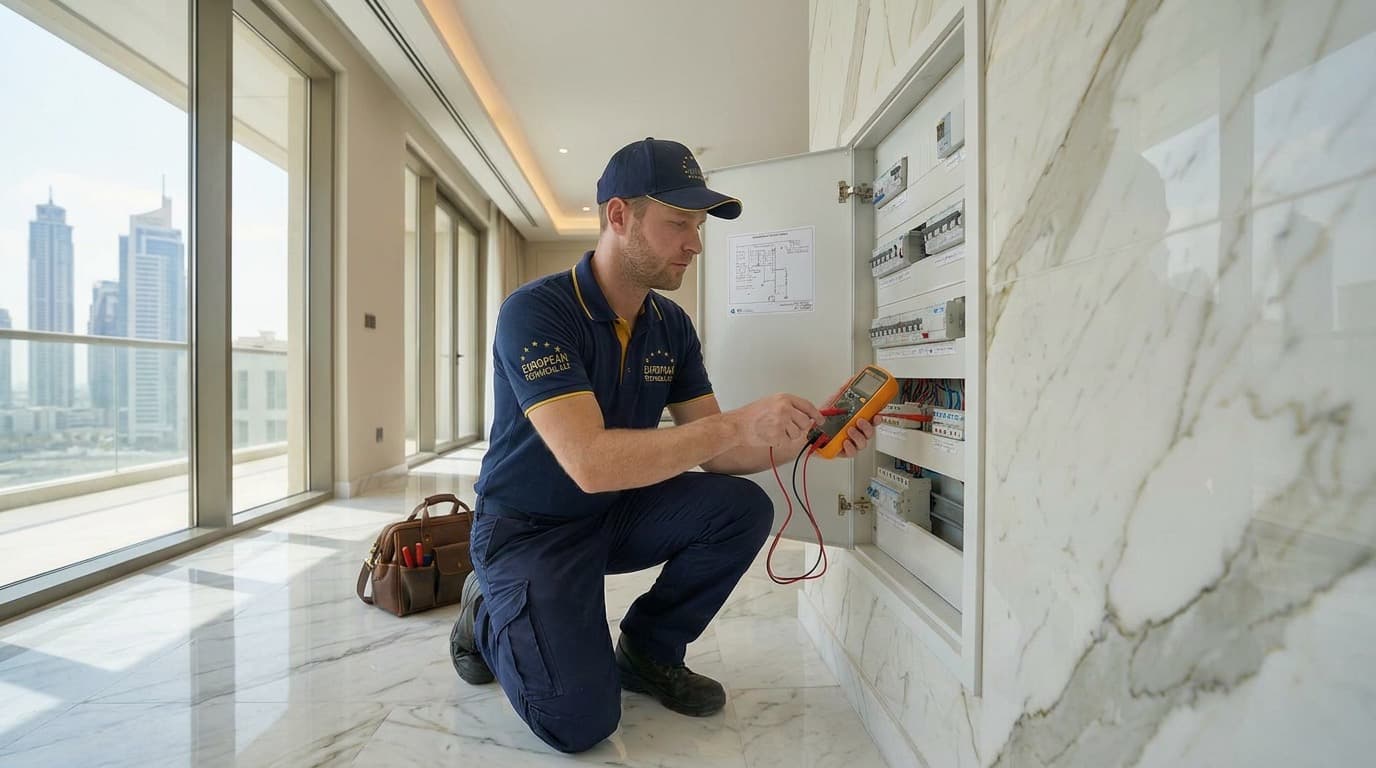
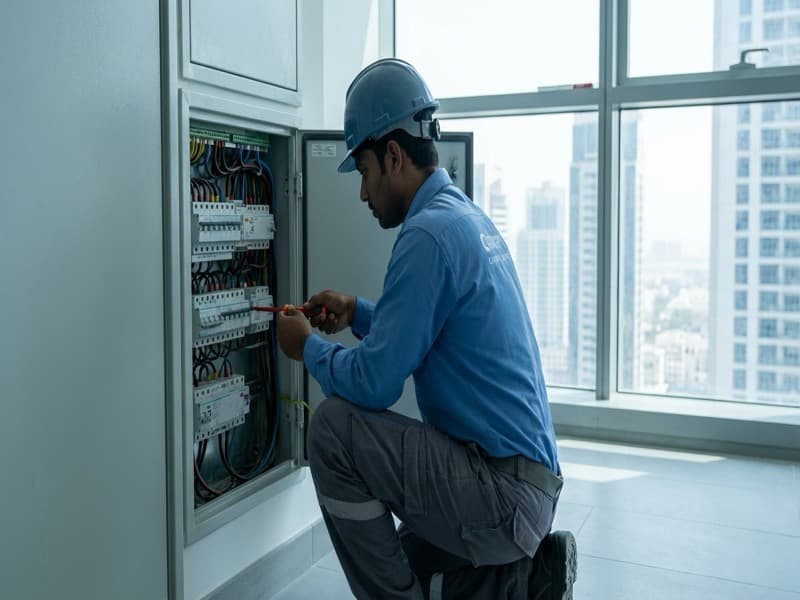
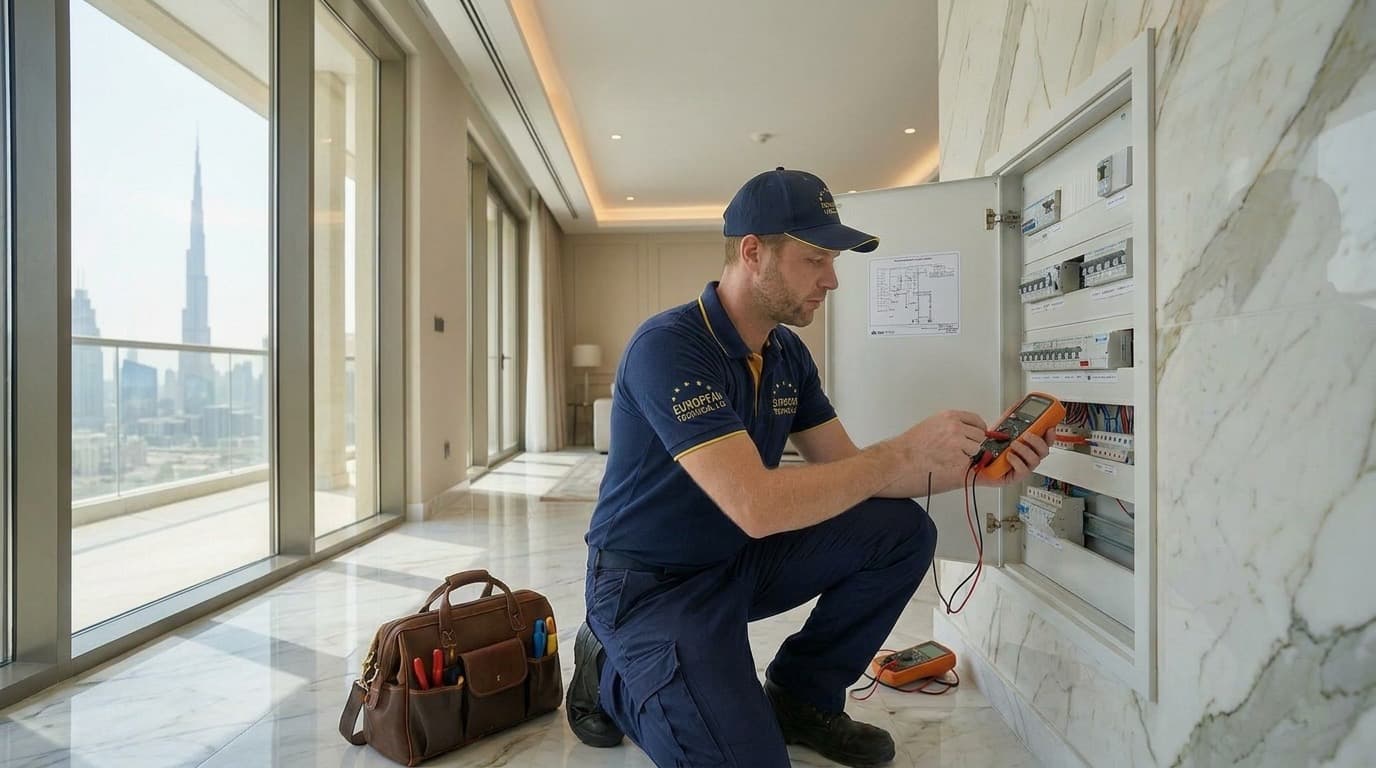
Dapat kang tumawag ng propesyonal kung agad-agad na nagti-trip ulit ang breaker pagkatapos i-reset. Ipinapakita nito na may patuloy na problema na hindi kusang mawawala. Mga babalang palatandaan ay ang breaker na mainit kapag hinawakan, amoy sunog mula sa panel, tunog na buzzing o crackling, o mga marka ng pagkasunog sa paligid ng outlets o breaker box.
Kung sabay-sabay na nagti-trip ang maraming breaker, maaaring may problema sa pangunahing suplay ng kuryente. Kailangan ito ng agarang propesyonal na atensyon. Huwag subukang ayusin ang breaker panel nang mag-isa. Delikado ang trabaho sa electrical panels at dapat gawin lang ng lisensyadong electrician. Dubai
Paano Maiiwasan ang Pagti-trip ng Circuit Breaker sa Dubai Mas mainam ang pag-iwas kaysa pag-ayos. Narito ang ilang hakbang para mabawasan ang pagti-trip ng circuit breaker sa bahay mo sa
.
I-distribute ang Iyong Electrical Load
Mag-ingat sa dami ng appliances na ginagamit sa isang circuit. Ang mga high-wattage na gamit tulad ng air conditioners, water heaters, at ovens ay dapat may sariling circuit. Kung hindi ka sigurado sa pagkakaayos ng circuits mo, maaaring ipamapa ito sa electrician.
Magpa-schedule ng Regular na Electrical InspectionsMakakatulong ang regular na inspeksyon para makita ang mga posibleng problema bago pa magdulot ng pagti-trip o mas malala pa. Mahalaga ito lalo na sa mga lumang bahay o mga nagkaroon ng renovation. Ang annual maintenance contract
ay maaaring isama ang electrical inspections kasama ng iba pang maintenance para may kapanatagan ka buong taon.
I-upgrade ang Iyong Electrical Panel
Kung nakatira ka sa lumang property, maaaring hindi kayanin ng panel mo ang modernong pangangailangan. Ang pag-upgrade sa mas mataas na kapasidad na panel na may mas maraming circuit ay makakatulong para maiwasan ang madalas na pagti-trip. Malaking trabaho ito na kailangan ng lisensyadong propesyonal pero magandang investment para sa kaligtasan at functionality ng iyong property.
DubaiAyusin ang Mga Isyu sa Halumigmig at Moisture
Mahirap ang klima ng
sa mga electrical system. Ang halumigmig ay maaaring magdulot ng kalawang at moisture buildup sa outlets at junction boxes. Siguraduhing may weatherproof covers ang outdoor outlets. Gumamit ng extractor fans sa banyo at kusina para mabawasan ang halumigmig. Kung napapansin mong may condensation sa paligid ng electrical fittings, ipasuri ito sa propesyonal.
Palitan ang Mga Matatandang Appliances
Karaniwang sanhi ng electrical faults ang mga lumang appliances. Kung ang air conditioner, refrigerator, o washing machine mo ay higit sampung taon na, maaaring kumukuha ito ng mas maraming kuryente kaysa dapat. Ang pagpapalit ng mga lumang gamit sa energy-efficient na modelo ay makakatulong para mabawasan ang strain sa electrical system at mapababa ang DEWA bill mo.
Pag-unawa sa Iyong DEWA Connection
Ang DEWA connection mo ang punto kung saan pumapasok ang kuryente sa bahay mo mula sa municipal supply. Pinoprotektahan ito ng main breaker sa panel mo. Kapag nagti-trip ang main breaker, karaniwang may seryosong problema ito na nakakaapekto sa buong property mo. DubaiAng DEWA ang responsable sa supply hanggang sa metro mo. Lahat ng lampas sa metro, kasama ang breaker panel at internal wiring, ay responsibilidad mo bilang may-ari o tenant. Kung may problema sa supply mismo, kontakin ang DEWA. Para sa mga isyu sa loob ng property, kailangan mo ng lisensyadong electrician.
Minsan, ang pagbabago-bago ng boltahe mula sa main supply ay maaaring magdulot ng pagti-trip ng breaker. Mas karaniwan ito sa mga lumang lugar sa
. Kung pinaghihinalaan mo ang problema sa supply, maaaring mag-install ang electrician ng voltage stabilisers o surge protectors para protektahan ang mga appliances at electrical system mo.
Ang Gastos ng Hindi Pag-aalaga sa Madalas na Pagti-trip ng Breaker DubaiDelikado ang hindi pag-aalaga sa breaker na palaging nagti-trip. Bawat trip ay babala na may mali sa electrical system mo. Kapag hindi naayos, maaaring masira ang mga appliances, magkaroon ng sunog, o magdulot ng pinsala.
Isa sa mga pangunahing sanhi ng electrical fires sa mga residential properties ay sira na wiring. Sa klima ng
kung saan madalas tumatakbo ang air conditioning, malaki ang strain sa electrical system. Ang maliit na sira sa wiring ay maaaring lumala nang mabilis.
Kung landlord ka, may legal kang responsibilidad na siguraduhing ligtas ang property mo para sa mga tenant. Mahalaga ang regular na electrical inspections at agarang pag-aayos. Para sa mga tenant, mahalagang i-report agad ang mga electrical issues sa landlord o property manager para maiwasan ang aksidente at masigurong maaayos agad ang problema.
DIY Troubleshooting kumpara sa Propesyonal na Tulong
May mga basic troubleshooting steps na kaya mong gawin. Ang pagtukoy kung aling circuit ang nagti-trip, pag-unplug ng appliances, at pag-reset ng breaker ay ligtas gawin. Maaari ka ring mag-inspeksyon ng outlets at switches para sa mga palatandaan ng sira.Pero ang mga gawain na lampas sa basic troubleshooting ay dapat iwan sa propesyonal. Ang pagbukas ng breaker panel, pagpapalit ng breakers, o pag-rewire ng circuits ay nangangailangan ng espesyal na kaalaman at kagamitan. Ang pagsubok gawin ito nang mag-isa ay maaaring magdulot ng seryosong pinsala, sirain ang property, at mawala ang insurance coverage. Ang kwalipikadong European Technical handyman Dubaiay makakatulong sa mga minor na gawain tulad ng pagpapalit ng sira na outlet covers o pag-secure ng maluwag na fittings. Para sa anumang trabaho na may kinalaman sa wiring o breaker panels, laging gumamit ng lisensyadong electrician. Nagbibigay ang Dubai ng lisensyadong electrical services sa buong
mula Studio City hanggang Dubai
Hills at sa lahat ng lugar sa pagitan. DubaiPaano Pumili ng Tamang Electrician sa Dubai Kapag pumipili ng electrician sa
, hanapin ang kumpanyang may lisensya at may karanasan sa lokal na uri ng mga property. May mga partikular na regulasyon sa
para sa electrical work at dapat sumunod ang trabaho sa DEWA standards.
Ang maaasahang electrician ay tumpak na magdidiyagnose ng problema, ipapaliwanag ito sa simpleng salita, at magbibigay ng malinaw na quote bago simulan ang trabaho. Gagamit sila ng de-kalidad na materyales at gagawin ang pag-aayos nang maayos. Dapat din silang magbigay ng garantiya sa kanilang trabaho. Arabian RanchesKung nakatira ka sa apartment building, alamin muna sa building management bago magpaayos ng electrical work. May mga gusali na nangangailangan ng work permits o may listahan ng aprubadong contractors. Pamilyar ang propesyonal na electrician sa mga ganitong requirements at kaya nilang asikasuhin ang mga papeles para sa iyo. Palm JumeirahPara sa mga may villa sa mga komunidad tulad ng
,
, o The Springs, maaaring kailanganin ang koordinasyon sa community management para sa electrical work. Muli, ang may karanasang lokal na electrician ay alam ang proseso at masisiguro na tama ang lahat ng gawain. Dubai Mga Madalas Itanong
Ano ang dahilan kung bakit paulit-ulit nagti-trip ang circuit breaker sa bahay sa Dubai?
Karaniwang sanhi ng paulit-ulit na pagti-trip ng circuit breaker ay overloaded circuit, short circuit, ground fault, o sira na appliance. Sa
, ang pinaka-karaniwang dahilan ay overloaded circuit, lalo na kapag maraming high-wattage appliances ang sabay-sabay na tumatakbo sa tag-init. Maaari ring sanhi ang sira na wiring o matandang electrical panels sa mga lumang property.
Ligtas bang paulit-ulit na i-reset ang tripped circuit breaker?
Ligtas ang pag-reset ng breaker minsan lang kung natukoy at naalis mo na ang sanhi, tulad ng overloaded circuit. Pero kung agad-agad itong nagti-trip ulit pagkatapos i-reset, huwag nang paulit-ulit na i-reset. Ang paulit-ulit na pagti-trip ay senyales ng patuloy na problema na kailangang suriin ng propesyonal. Ang patuloy na pag-reset ng breaker na nagti-trip dahil sa short circuit o ground fault ay maaaring makasira sa wiring at magdulot ng panganib ng sunog.
Paano ko malalaman kung kailangang palitan ang circuit breaker? Dubai Kailangang palitan ang circuit breaker kung madalas itong nagti-trip nang walang malinaw na dahilan, mainit kapag hinawakan, may nakikitang marka ng pagkasunog, o hindi na nananatiling naka-reset. Ang mga breaker na higit dalawampung taon na ay dapat ding ipa-inspeksyon dahil maaaring bumaba na ang kanilang pagiging maaasahan. Maaaring subukan ng lisensyadong electrician ang breaker at tukuyin kung kailangan na itong palitan.
Nakakaapekto ba ang halumigmig sa
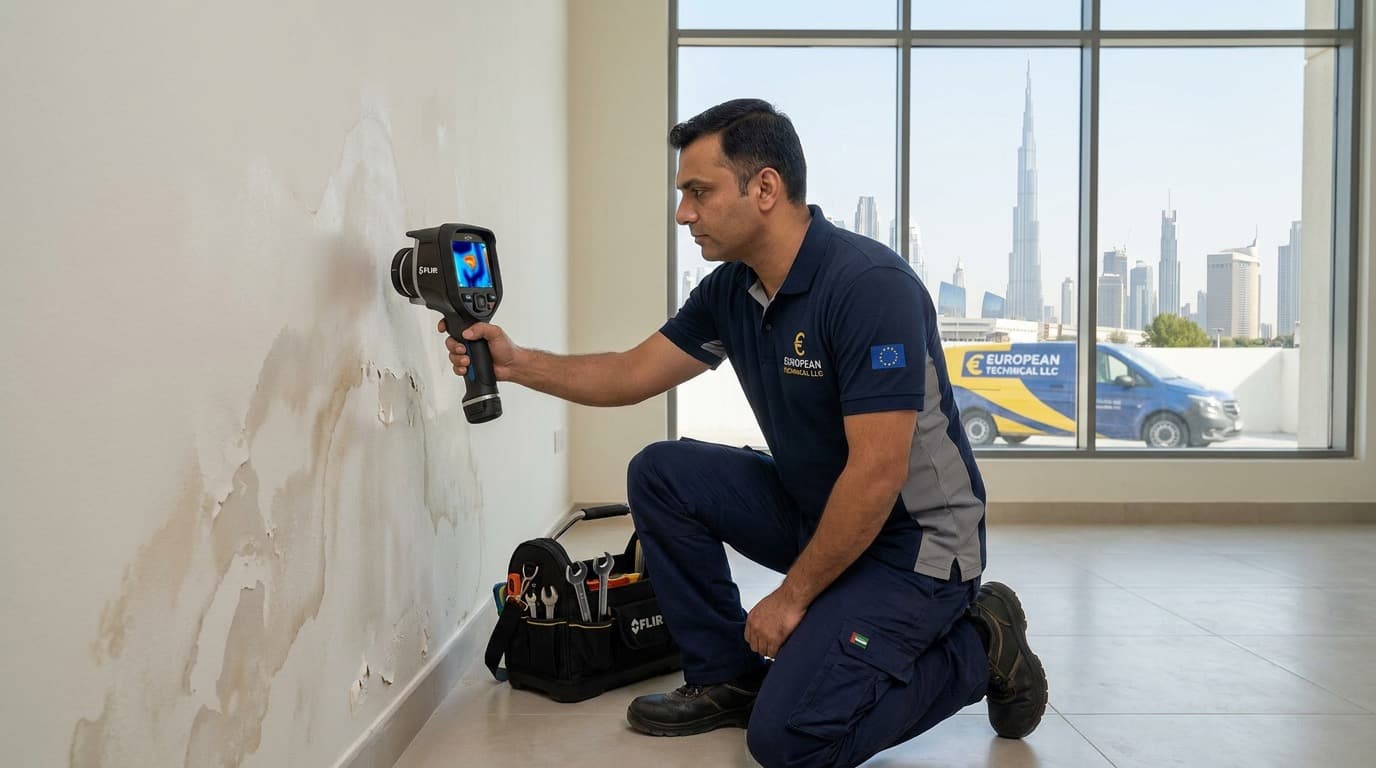
sa pagti-trip ng circuit breaker? DubaiOo, ang mataas na halumigmig ay maaaring magdulot ng electrical faults. Maaaring maipon ang moisture sa outdoor outlets, fittings sa banyo, at mga hindi maayos na sealed na junction boxes na nagdudulot ng ground faults o short circuits. Ang pagkakaroon ng weatherproof covers sa outdoor outlets at paggamit ng extractor fans sa mga basang lugar ay makakatulong para maiwasan ang moisture-related na pagti-trip.
Magkano ang gastos para ipaayos ng electrician ang tripping breaker sa AED 150 ? AED 350Nag-iiba ang gastos depende sa sanhi at lawak ng problema. Ang simpleng diagnostic visit at minor repair ay maaaring nagkakahalaga ng AED 400 hanggang AED 1,000 . Ang mas komplikadong isyu tulad ng pagpapalit ng breaker o pag-aayos ng sira na wiring ay maaaring umabot sa
hanggang
o higit pa. Ang pag-upgrade ng electrical panel ay mas malaking trabaho kaya mas mataas ang gastos. Laging humingi ng quote bago simulan ang trabaho para malinaw ang gastos mo.