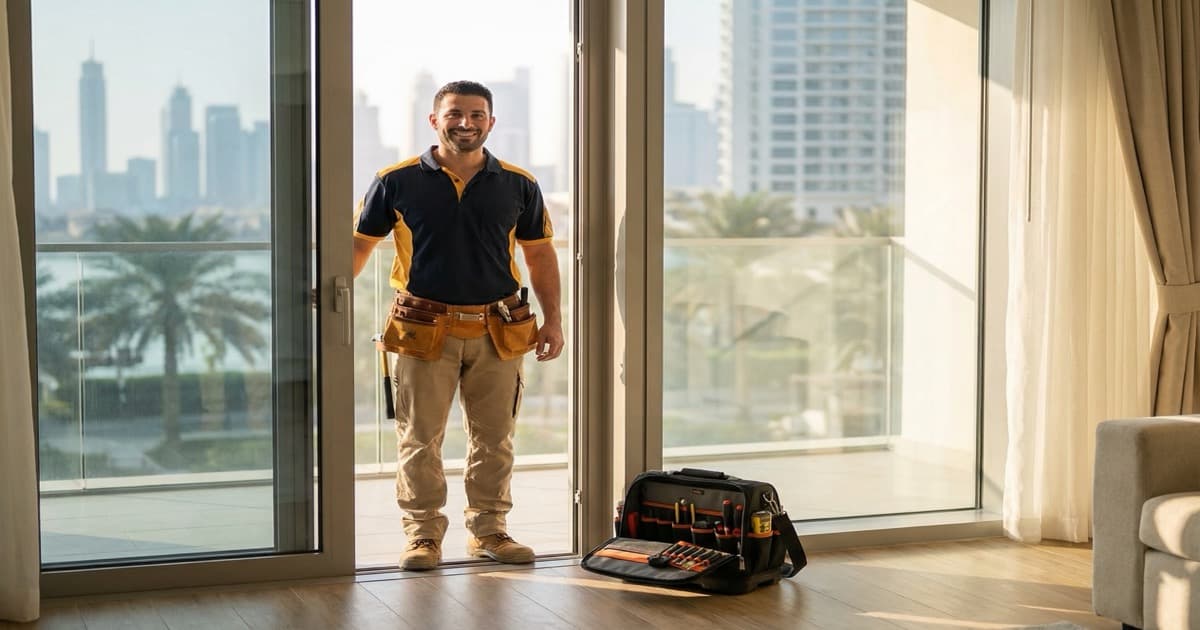
Common Mistakes When Hiring a Handyman in Dubai
Finding reliable handyman services in Dubai should be straightforward - yet property owners repeatedly make costly mistakes that turn simple repairs into expensive disasters. Whether you're fixing a door, painting a room, or handling minor electrical work, these common errors waste money, time, and create safety risks. Here's what goes wrong and how to avoid it.
The "Cheapest Quote Wins" Trap
Why Rock-Bottom Prices Signal Problems
That handyman charging AED 50/hour when everyone else quotes AED 120-150? There's a reason:
Common explanations for suspiciously low rates:
- Unlicensed and uninsured (you're liable if they're injured)
- Using substandard materials and pocketing the difference
- Inexperienced workers learning on your property
- No business overhead (disappears if problems arise)
- Bait-and-switch tactics (low quote, then "discovered" additional work)
A door adjustment quoted at AED 150 becomes AED 800 after the "technician" finds the frame needs "urgent" repair work. By then, your door is half-removed and you're pressured to approve inflated charges.
The Real Cost of Cheap Service
Scenario: Hire cheap handyman to fix leaking tap at AED 80 vs. licensed plumber at AED 250.
Three months later: Improper repair fails, causing water damage to cabinet and flooring. Proper repair plus damage restoration: AED 3,500.
The AED 170 you "saved" cost you AED 3,250. This happens constantly in Dubai's maintenance market.
Finding Fair Pricing
Reasonable Dubai handyman rates (2024):
- Basic handyman: AED 100-150/hour
- Skilled trades (electrical, plumbing): AED 120-200/hour
- specialised work (carpentry, painting): AED 150-250/hour
- Weekend/evening: 50% premium typical
- Emergency call-out: AED 200-400 additional
Quotes within these ranges from established companies reflect fair pricing for quality work.
Skipping licence and Insurance Verification
Why This Matters in Dubai
Dubai Municipality requires specific trade licences for different work types. Unlicensed handymen create multiple problems:
Legal Issues:
- You're liable for injuries occurring on your property
- Insurance claims can be denied if work wasn't done by licensed professionals
- Building management may fine you for unauthorized contractors
- Warranty claims rejected when unlicensed work caused failures
Quality Concerns:
- No oversight of workmanship standards
- No recourse when work fails
- Can't verify actual qualifications
- No business continuity if issues arise later
What to Verify
Before hiring any handyman:
Business Licensing:
- Valid Dubai Municipality trade licence
- cheque expiration date (licences must be renewed annually)
- Verify licence covers the specific work type needed
Insurance:
- Public liability insurance (covers damage to your property)
- Worker injury coverage (protects you from liability claims)
- Insurance certificate should be current and verifiable
Credentials:
- Electrical work: DEWA-approved electrician card
- Plumbing: DM-approved plumber certification
- Gas work: Gas Safe registration (critical for safety)
Reputable companies like European Technical display licensing and insurance information upfront. If a handyman can't or won't show these documents, walk away.
Accepting Vague Quotes
The "I'll Know When I See It" Problem
Handyman arrives, examines work, and says "Around AED 500, maybe a bit more."
Three hours later: Bill is AED 1,200 because:
- "Additional work was needed"
- "Materials cost more than expected"
- "Took longer than anticipated"
- "Found other issues that required fixing"
Without written scope and pricing, you've no basis to dispute charges.
Proper Quote Requirements
Insist on written quotes including:
Scope of Work:
- Specific tasks to be performed
- Materials to be used (brands and specifications)
- What's NOT included
- Estimated time to completion
Pricing Breakdown:
- labour hours and rate
- Materials cost (itemized)
- Any additional fees (transport, disposal)
- Total cost with and without VAT
Terms:
- Payment schedule
- Warranty on work (minimum 30-90 days standard)
- What triggers additional charges
- Cleanup and disposal responsibility
Example Proper Quote: "Paint 12sqm bedroom: AED 650 including labour (8 hours @ AED 50/hr = AED 400), materials (premium paint, primer, supplies = AED 200), surface preparation. Excludes furniture moving and major wall repair. 90-day workmanship warranty."
Hiring Without Checking References
Why Portfolio and Reviews Matter
In Dubai's transient contractor market, companies come and go rapidly. That handyman with a professional-looking van might have started last month after repeated complaints at his previous company.
What to cheque:
Online Reviews:
- Google reviews (harder to fake than social media)
- Facebook business page comments
- Property management forums
- Dubai-specific review sites
Look for patterns:
- Recent reviews (last 6 months matter most)
- Responses to negative feedback (shows accountability)
- Specific details in reviews (vague 5-star reviews may be fake)
- Complaints about billing, quality, or communication
Direct References:
- Request contacts for 2-3 recent customers
- Ask specifically about similar projects
- Verify the reference is real (call, don't just text)
Portfolio:
- Before/after photos of similar work
- Range of project types
- Evidence of quality finishing
Be sceptical of handymen with no online presence or who refuse references. Legitimate businesses welcome verification.
Paying Full Amount Upfront
The Disappearing Deposit Problem
You pay AED 2,000 upfront for painting work. The handyman never returns. You've no receipt, just a WhatsApp conversation and proof of bank transfer. Recovering money is nearly impossible.
Why Full Prepayment Is Risky:
- Removes incentive for quality work
- Leaves you with no use if problems arise
- Enables fraud (intentional or through business failure)
- Standard in scam operations targeting expats
Proper Payment Structures
Standard practise:
- Deposit: 30-50% to secure scheduling and materials purchase
- Progress payment: 30-40% at defined milestone (if multi-day project)
- Final payment: 20-30% upon satisfactory completion
For Small Jobs (under AED 500):
- No deposit required typically
- Pay upon completion and inspection
For Large Projects:
- Formal contract with payment schedule
- Milestone-based payments tied to specific completions
- Final holdback (10%) released after punch-list completion
Never pay:
- 100% before work starts
- Cash without receipt
- To personal accounts when hiring companies (should go to business account)
- Before inspecting completed work
Not Getting Work Permits When Required
When Building Approval Is Mandatory
Many Dubai apartment buildings and gated communities require permits for:
- Any work involving noise or dust
- External modifications (balconies, façades)
- Electrical or plumbing work
- Work during restricted hours
- Contractor access
Consequences of skipping permits:
- Building management fines (AED 500-2,000+)
- Work stoppage orders
- Contractor denied access mid-project
- Liability for damages if unpermitted work causes issues
- Problems during property sale (unauthorized modifications)
Obtaining Necessary Approvals
- cheque your building's maintenance policy (usually available from management office or app)
- Submit work notice 3-7 days before planned start
- Provide contractor licence and insurance details
- Get written approval before work begins
- Ensure contractor follows building rules (timing, elevator use, cleanup)
Reputable handyman services handle permit coordination as part of their service.
Ignoring Red Flags During Work
Warning Signs of Problems
Stop work immediately if:
- Handyman requests payment increases without justification
- Work quality doesn't match promised standards
- Contractor appears impaired or unsafe
- Wrong materials being used
- Safety procedures ignored
- Additional workers appear (unclear who they're)
Address immediately:
- Significant delays without communication
- Mess and damage beyond reasonable work area
- Disrespect to property or residents
- Attempts to upsell unnecessary additional work
Many property owners tolerate poor behaviour to avoid confrontation, then regret it when work fails inspection or creates bigger problems.
Asserting Your Rights
You're paying for service - you've every right to:
- Inspect work in progress
- Ask questions about methods and materials
- Request changes if work doesn't match agreement
- Withhold payment if quality is unacceptable
- End agreement if contractor violates terms
Document problems with photos and written communication. Don't make final payment until satisfied.
Failing to Define Cleanup Expectations
The Post-Work Disaster
Handyman finishes painting, leaves paint cans, drop cloths, and splatters everywhere. "Cleanup isn't included" he says. You spend hours scrubbing or pay cleaning service AED 300-500.
Define upfront:
- Work area protection (drop cloths, masking)
- Daily cleanup for multi-day projects
- Final cleanup scope
- Disposal of waste and materials
- Condition property will be left in
Standard expectation: Professional handymen include basic cleanup (removing work debris, wiping surfaces, removing protection materials). Detailed cleaning (scrubbing paint overspray from tiles) may cost extra but should be quoted upfront.
Not Documenting Everything
Why Paper Trail Matters
Disputes arise. Memory fails. Handymen disappear. Documentation protects you:
Before Work:
- Written quote with scope and pricing
- Photos of pre-existing conditions
- Agreed schedule and milestones
- Payment terms in writing
During Work:
- Photos of progress
- WhatsApp/email confirmations of any changes
- Records of payments made
- Notes on any concerns or changes
After Work:
- Photos of completed work
- Written confirmation of completion
- Warranty documentation
- Final receipt with breakdown
Store digitally: Create folder per project with all documents and photos. This evidence is invaluable if quality issues emerge or disputes arise.
Mixing Multiple Unrelated Repairs
The "While You're Here" Problem
Handyman comes to fix a door. You mention the leaking tap, flickering light, and loose tile. He agrees to handle everything for "good price."
What goes wrong:
- Jack-of-all-trades often means master of none
- Rushed work to finish multiple tasks
- Unclear billing for additions
- No specialised expertise for each issue
- Higher likelihood of problems
Better approach:
- Group similar work (all electrical, all plumbing, all carpentry)
- Use specialists for specialised needs
- Get separate quotes for distinct work types
- Schedule logically (don't do painting then need electrical work that damages fresh paint)
Annual maintenance contracts solve this by providing scheduled visits for various work types with proper planning.
Ignoring Gut Feelings
Trust Your Instincts
If something feels off:
- Handyman seems unreliable or unprofessional
- Quote doesn't make sense
- Communication is poor or evasive
- Online presence is sketchy
- References are vague or unavailable
Walk away. Dubai has hundreds of handyman services. Don't work with anyone who makes you uncomfortable just to avoid the effort of finding alternatives.
Green flags to look for:
- Clear, professional communication
- Transparent pricing and processes
- Proper licensing and insurance shown proactively
- Good online reputation
- Willingness to provide references
- Detailed quotes and contracts
- Respect for your property and time
The Correct Hiring Process
- Define scope clearly: Know exactly what needs doing
- Research options: cheque reviews, verify licences
- Get 2-3 quotes: Compare scope and pricing
- Verify credentials: licences, insurance, references
- Review contract: Written agreement on scope, pricing, timeline
- cheque building requirements: Obtain permits if needed
- Monitor work: Inspect progress, address issues immediately
- Inspect completion: Verify quality before final payment
- Document everything: Photos, receipts, warranties
- Provide feedback: Reviews help others make good choices
Working with Established Companies
Reputable maintenance companies offer advantages over individual handymen:
Benefits:
- Verified licensing and insurance
- Background-checked employees
- Business continuity (won't disappear)
- Clear pricing and processes
- Quality guarantees
- Multiple trade specializations
- Scheduled maintenance programmes
While possibly costing 20-40% more than independent handymen, established services like European Technical eliminate most risks and hassles associated with finding and managing individual contractors.
The Bottom Line
Most handyman hiring mistakes come from prioritising immediate cost savings over long-term value and security. Spending an extra AED 200 on a licensed, insured, reputable service often saves thousands in redoing poor work, fixing damage, and avoiding legal liability.
Take time to vet contractors properly. Get everything in writing. Trust your instincts. The hour you invest in making a good hiring decision prevents months of regret.
Your property is likely your largest investment. Treat its maintenance with appropriate seriousness - cheap and convenient rarely means good.