Municipality Violations to Avoid in Dubai: Don't Let These Mistakes Cost You
Dubai Municipality doesn't mess around. Violate regulations and you might face fines from hundreds to hundreds of thousands of dirhams, forced removal of work you've paid for, or even legal complications affecting your residency.
Most violations happen from ignorance, not malice. People simply don't know what's not allowed. Here are the most common mistakes that cost Dubai residents money-and how to avoid them.
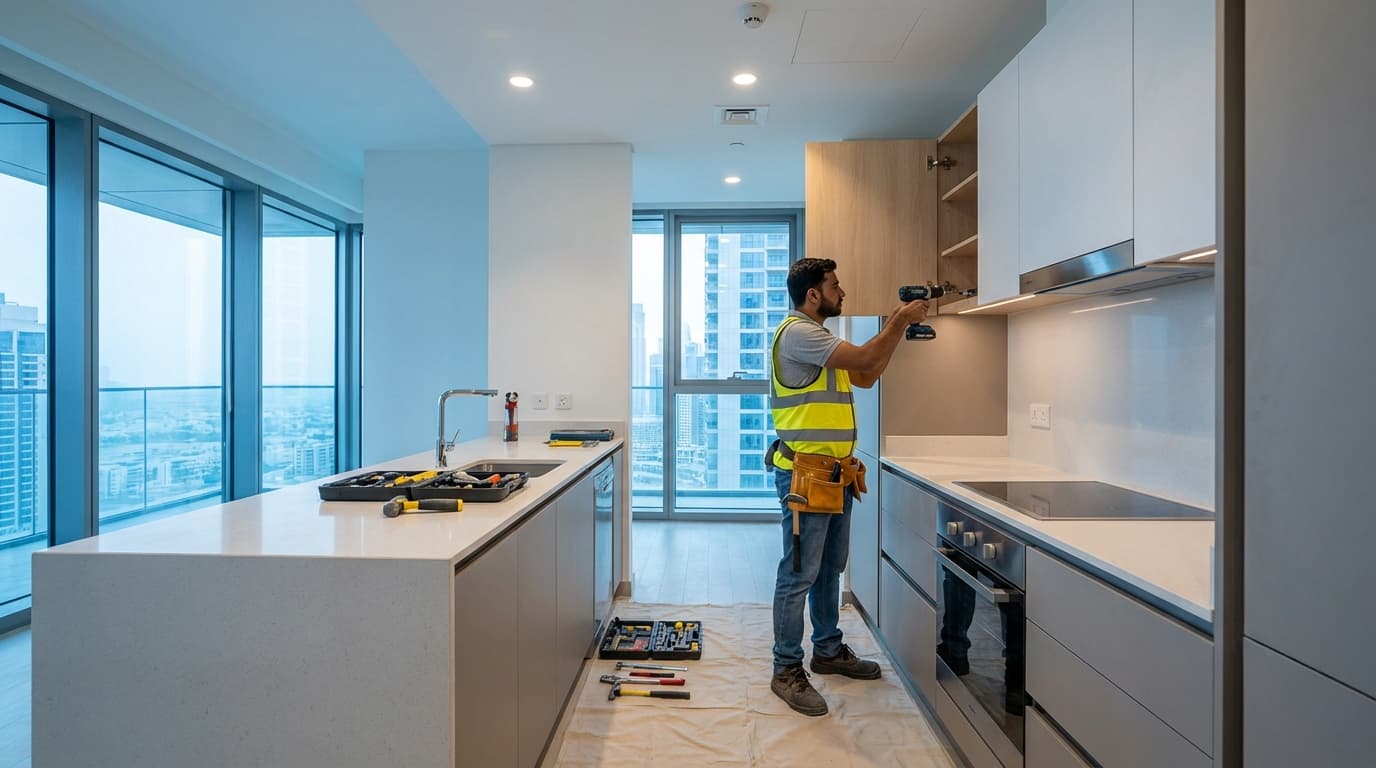
Building or Renovating Without Approval
The mistake: Starting construction, major renovations, or structural changes without municipality approval.
Common examples:
- Removing walls (even non-load-bearing ones)
- Adding rooms or extensions
- Converting garages to living field
- Major kitchen or bathroom relocations
- External structures (rooms, pergolas, shades)
Why people do it: Think approval is just paperwork, contractor says it's not needed, or they don't want to wait.
The cost: Fines of AED 100,000-500,000. Stop-work orders. Forced demolition of unapproved work. Yes, they'll make you tear it down-at your expense.
How to avoid: Always cheque if work requires approval before starting. If you're removing walls, changing layouts, or adding structures, it almost definitely does. Use municipality-registered contractors who know the requirements. For complex projects, hire approved architects to handle approvals properly.
Our maintenance team works only with approved contractors and can advise on what requires approvals.
Using Unlicensed Contractors
The mistake: Hiring contractors who aren't registered with Dubai Municipality.
Why people do it: Cheaper quotes, faster start times, recommendations from friends.
The cost: Fines for both you and the contractor. No recourse if work is substandard. Insurance may not cover damage caused by unlicensed contractors. If something goes seriously wrong (injury, fire, structural failure), you face significant liability.
How to avoid: Always verify contractor municipality registration. Ask for their registration number and verify it. Get written contracts. For electrical work, ensure contractors are DEWA-approved. Cheapest quote is rarely the best-licensed contractors cost more because they follow regulations, have insurance, and do quality work.
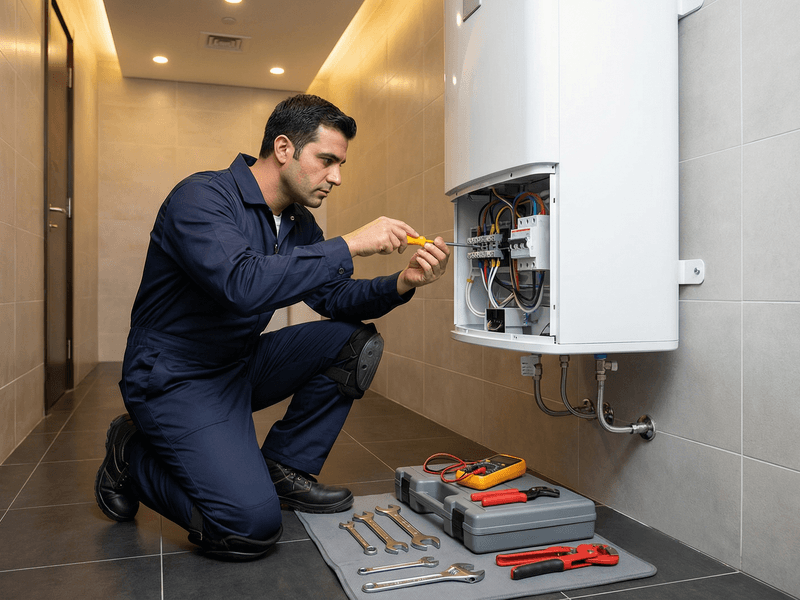
Electrical Work by Non-DEWA Approved Electricians
The mistake: Having electrical work done by anyone other than DEWA-approved electricians.
Common examples:
- Adding circuits or outlets
- Upgrading electrical panels
- Installing major appliances
- Any modification to building electrical systems
Why people do it: Handyman offers to do it cheaper, friend "knows electrical," trying to save money.
The cost: Fines if discovered. Insurance void if fire or damage results. DEWA can disconnect your power. Electrical fires can kill people-this isn't just about fines.
How to avoid: Use only DEWA-approved electricians for any electrical work beyond changing bulbs or basic appliances. Verify their DEWA approval. Get proper documentation. Yes, it costs more, but it's legal, safe, and insured.
Converting Residential to Commercial Use
The mistake: Running businesses from residential properties without proper approvals.
Common examples:
- Home salons or spas
- Retail operations
- Tutoring centres
- Food businesses
- Office operations with clients visiting
Why people do it: Want to save on commercial rent, think small-scale is unnoticed, test business before committing to commercial field.
The cost: Fines, forced closure, confiscation of equipment, visa cancellation in serious cases, criminal charges for certain violations (illegal clinics, unapproved food businesses).
How to avoid: If you're running a business, get proper commercial field and licences. Some home-based businesses are permitted with specific approvals-cheque with Dubai Economy. The risk isn't worth the savings, especially as neighbours often report commercial activity in residential buildings.
Blocking Fire Exits or Safety Equipment
The mistake: Storing items in fire escape routes, blocking fire equipment, or obstructing emergency access.
Common examples:
- Shoes or storage in apartment building stairwells
- Blocking fire extinguisher access
- Locking fire exit doors
- Using emergency stairwells as storage
- Parking blocking emergency vehicle access
Why people do it: Need storage field, "just temporary," common area so assume it's OK.
The cost: Fines for individual violations. Building-wide fines for management if they allow it. In case of fire, criminal liability if obstruction contributed to injury or death.
How to avoid: Never store anything in fire escape routes. Keep all emergency exits clear and unlocked. Don't block fire equipment even temporarily. Building management is strict about this for good reason.
Running Noisy Businesses or Activities in Residential Areas
The mistake: Creating excessive noise in residential zones.
Common examples:
- Construction outside permitted hours (typically 8am-6pm, not Fridays/public holidays)
- Loud parties late at night
- Commercial activities generating noise
- Renovation work on Fridays
Why people do it: Unaware of regulations, trying to finish work faster, hosting celebrations.
The cost: Fines increasing for repeat violations. Police involvement. Forced cessation of work. In extreme cases, deportation for serious repeated violations.
How to avoid: Follow permitted work hours strictly. For renovations, notify neighbours in advance. Keep celebrations at reasonable noise levels. Be particularly respectful during Ramadan and late evenings.
Improper Waste Disposal
The mistake: Dumping construction waste, putting waste in wrong containers, or dumping in unauthorized locations.
Common examples:
- Renovation debris in regular trash bins
- Large items left beside bins
- Dumping waste in vacant lots or public areas
- Not using proper waste disposal services for construction debris
Why people do it: Paying for proper disposal seems expensive, convenience, don't know proper procedures.
The cost: Fines starting around AED 500 and increasing for serious violations. Your name is associated with any waste (mail/documents in dumped waste traces back to you).
How to avoid: Use proper waste disposal services for renovations. For construction debris, hire registered waste removal services. Large items often require special collection-contact municipality. Never dump waste anywhere except designated bins or arranged collection points.
Modifying Building Facades Without Approval
The mistake: Changing external appearance of buildings or units without approval.
Common examples:
- Painting external walls different colours
- Installing awnings or shades
- Adding satellite dishes in visible locations
- Modifying balconies or external features
- Installing external AC units in unapproved locations
Why people do it: Improving property appearance, shade from sun, practical necessity.
The cost: Fines. Forced removal at your expense. Restoration to original condition.
How to avoid: Always get approval before any external modifications. In managed communities, you need community approval plus municipality approval. cheque your building/community rules-many have specific requirements for external appearance.
Water Tank Hygiene Violations
The mistake: Not cleaning water tanks regularly or using unregistered cleaning services.
Why people do it: Forget about it, seems like unnecessary expense, don't realise it's required.
The cost: Fines. Health hazards for your household. Liability if contaminated water affects others.
How to avoid: For villas with water tanks, have them professionally cleaned every 6 months minimum. Keep certificates of cleaning. Use only municipality-registered water tank cleaning companies. This isn't optional-it's required and important for health.
Unauthorized Swimming Pool Construction or Modification
The mistake: Building pools or making significant modifications without approval.
Why people do it: Unaware approval is required, contractor handles it incorrectly.
The cost: Major fines. Potential forced filling of unapproved pools. Liability for any accidents in improperly constructed pools.
How to avoid: Any pool construction or major modification requires detailed approval including safety features, drainage, and structural engineering. Use registered contractors who handle approvals properly. cheque community regulations-many have specific pool requirements.
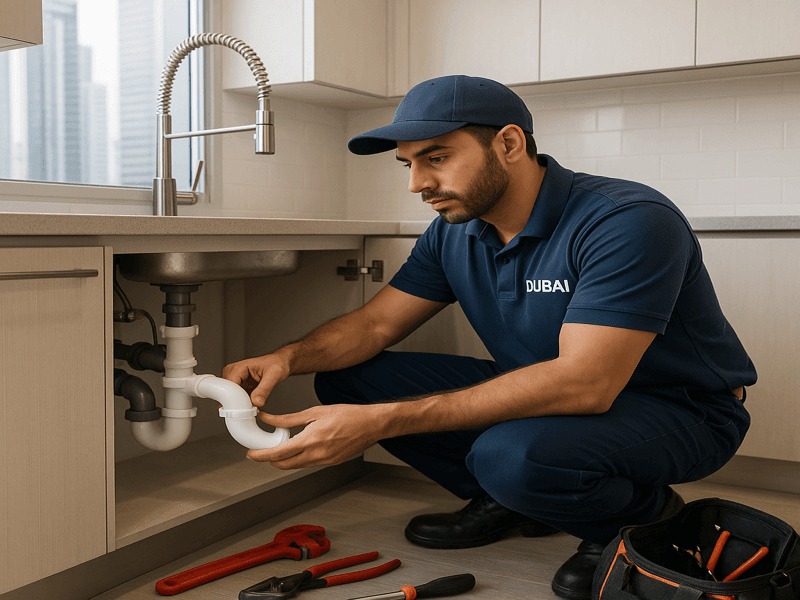
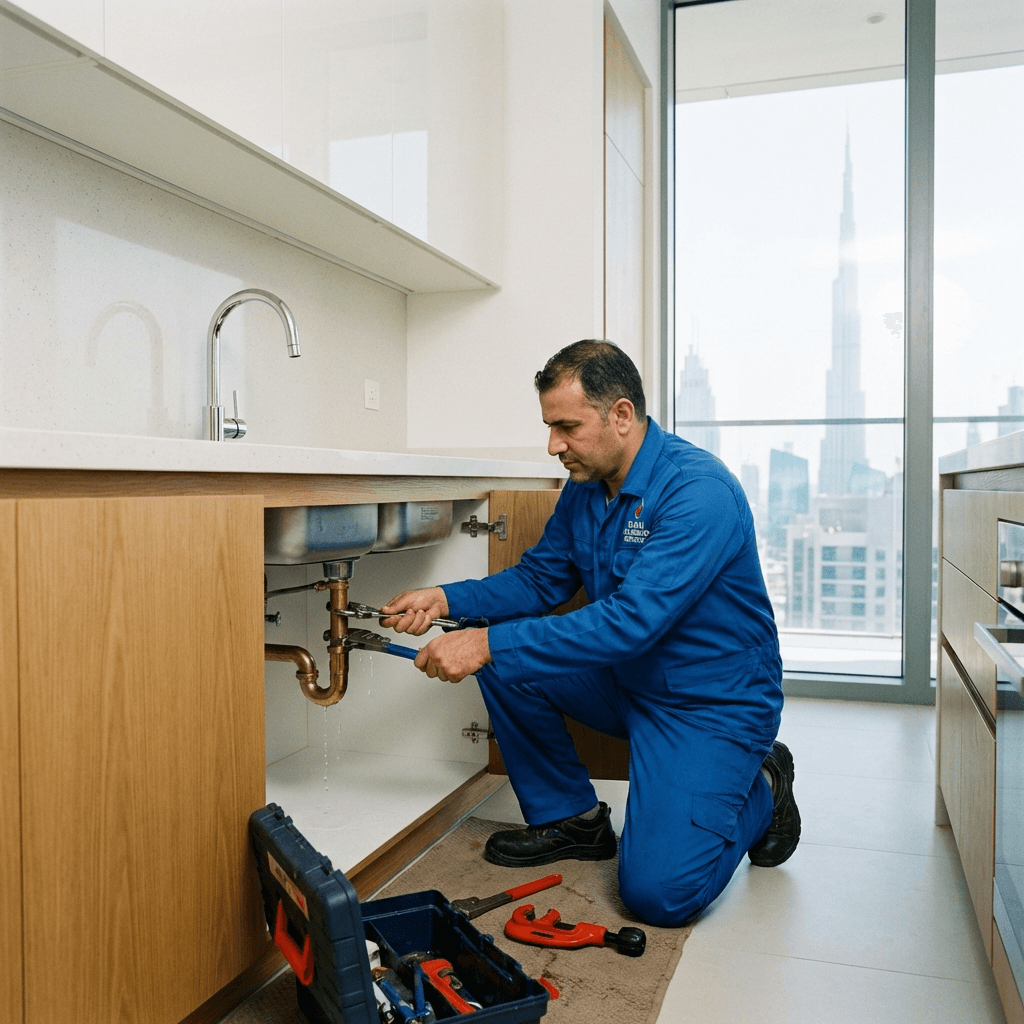
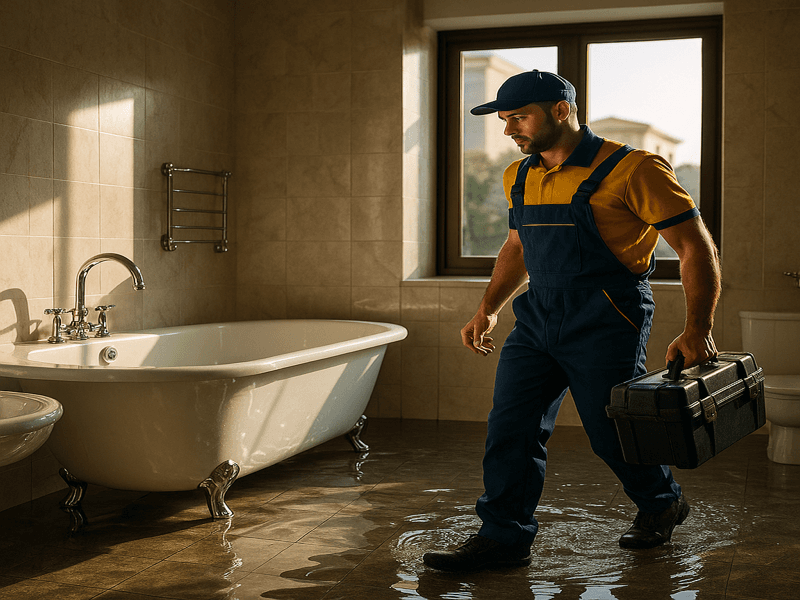
Plumbing Modifications Causing Drainage Issues
The mistake: Modifying plumbing in ways that affect building drainage or other units.
Common examples:
- Connecting washing machines to wrong drainage
- Modifying bathroom drainage improperly
- Creating backup or overflow issues affecting other units
Why people do it: DIY plumbing, unlicensed plumbers taking shortcuts, not understanding building drainage systems.
The cost: Fines. Liability for damage to other units. Forced correction. Potential structural damage if issues severe.
How to avoid: Use qualified plumbers for any plumbing work beyond basic fixture replacement. Never modify drainage systems without proper approval and professional work. In apartments, be especially careful-plumbing connects to building systems.
Keeping Pets in Violation of Building Rules
The mistake: Having pets in buildings that prohibit them or having prohibited species.
Why people do it: Love pets, think small pets don't count, neighbours won't notice.
The cost: Building fines. Forced removal of pets. Potential eviction in severe cases. For prohibited species (certain dog breeds, exotic animals), confiscation and larger fines.
How to avoid: cheque tenancy contract and building rules before getting pets. If building allows pets, follow all requirements (registration, vaccinations, cleaning after pets). Be realistic about pet suitability for your property.
What to Do If You've Already Violated
Discovered you've violated regulations? Don't panic, but don't ignore it.
Steps to take:
- Stop any ongoing work immediately
- Consult with municipality-approved professionals about your situation
- Explore retroactive approval if possible
- Be prepared to restore to original condition if retroactive approval isn't possible
- Address it proactively before municipality discovers it
Voluntary compliance often results in lower penalties than being caught.
Know Before You Start
Most violations are avoidable with simple checks:
- Before any renovation or construction: cheque if approval is required
- Before hiring contractors: verify their municipality registration
- Before modifying anything external: get community and municipality approval
- Before starting a home business: cheque if it's permitted and get required licences
Taking time to verify requirements upfront prevents expensive mistakes.
Get Professional Advice
Not sure if your planned work requires approvals or violates regulations? European Technical works with municipality-approved contractors and can advise on requirements.
We handle routine maintenance and repairs that don't require approvals, and can connect you with appropriate professionals for work that does.
Contact us for guidance: +971 58 544 1160 or schedule a consultation.
Key Takeaways
- Always cheque if work requires municipality approval before starting
- Use only registered, licensed contractors
- DEWA-approved electricians for all electrical work
- Never block fire safety equipment or exits
- Follow noise regulations and permitted work hours
- Dispose of waste properly using registered services
- Get approval for any external modifications
- When in doubt, ask-violations are far more expensive than compliance
Dubai Municipality regulations exist for safety and order. Following them protects you, your property, and your neighbours. The money and time spent doing things correctly is always less than the cost of fixing violations later.