blog

Why April to June Is the Worst Time for Pests in Dubai (And What to Do About It)

Dubai's peak pest season runs April through June. Learn why cockroaches, mosquitoes, and termites surge during these months and what to do before the problem escalates.

European Technical
21 April 20266 min read11 views
Why April to June Is the Worst Time for Pests in Dubai (And What to Do About It)

The Spring Pest Surge Is Already Here

If you've noticed more cockroaches in your kitchen, ants trailing across your bathroom floor, or mosquitoes buzzing around your garden at dusk, you're not imagining it. April marks the start of Dubai's peak pest season, and it intensifies through May and June before the extreme summer heat pushes some species back underground. This three-month window is when pest control companies across the UAE see their call volumes triple.

Understanding why pests surge during this specific period - and what you can do right now to limit the damage - saves you from playing defence all summer long.

What Makes April to June Peak Season

Temperature Hits the Sweet Spot

Pest breeding cycles accelerate dramatically between 25°C and 40°C. Dubai's average highs during April-June sit squarely in this range. Cockroach egg cases that took 6-8 weeks to hatch in winter now hatch in 3-4 weeks. A single German cockroach and her offspring can produce 300,000 descendants in a year under best conditions - and spring in Dubai is about as best as it gets.

Humidity Rises After the Dry Winter

Coastal humidity starts climbing in late March, reaching 60-80% by May. Cockroaches, silverfish, and many stored-product pests need moisture to thrive. The combination of warmth and humidity creates a breeding accelerator that doesn't exist during the dry winter months. This is particularly noticeable in apartments near the coast - Dubai Marina, JBR, Palm Jumeirah, and The Greens.

Spring Rain Creates Mosquito Breeding Sites

Dubai's occasional spring rains leave standing water in places that stay dry the rest of the year - blocked roof drains, garden depressions, construction sites, and neglected pool covers. Mosquito larvae only need 7-10 days in standing water to develop into adults. A single unexpected rain event in April can trigger a mosquito population explosion two weeks later. Dubai Municipality ramps up its larviciding programs during this period, but private properties are the responsibility of owners and tenants.

Pests Migrate Indoors to Escape Heat

As outdoor temperatures climb past 40°C in late May and June, pests that lived happily in gardens, parking areas, and utility spaces start moving into air-conditioned buildings. Your cool apartment becomes their refuge. American cockroaches, which prefer outdoor habitats during mild weather, start appearing in bathrooms and kitchens as the heat drives them inside through pipe penetrations, door gaps, and drainage connections.
Which Pests Peak When

  • April: Ants become hyperactive as colonies expand. Cockroach sightings increase by 50-100% compared to March. First mosquito wave follows any spring rain
  • May: Cockroach peak begins in earnest. Termite swarming season - you'll see flying termites around lights at dusk. Bed bug cases rise with increased travel and tourism
  • June: Mosquitoes peak. Cockroach populations at maximum. Flies become a major nuisance as temperatures soar. Rodents push into buildings for water and food access

What to Do Right Now

Book Pest Control Before You Need It

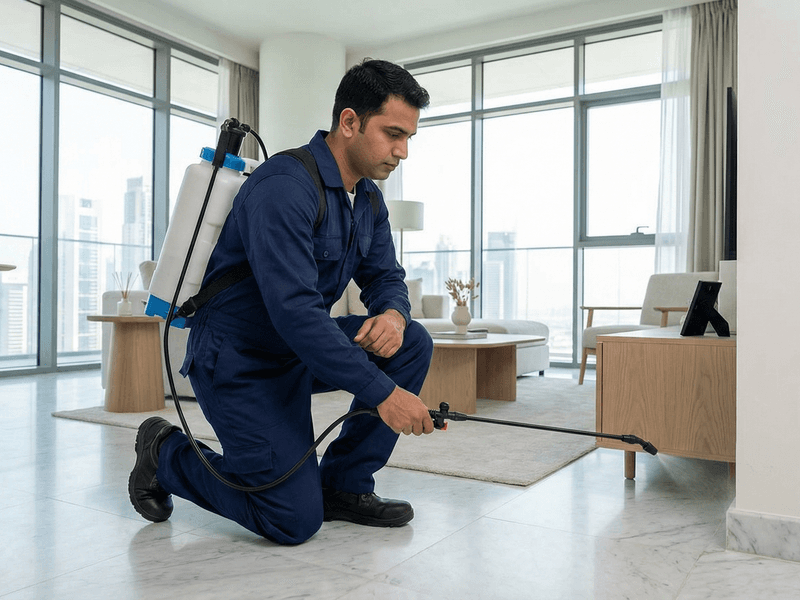
The biggest mistake Dubai residents make is waiting until they see pests to call for treatment. By the time cockroaches are visible during daytime, the hidden population is already substantial. Booking preventive treatment in April means the chemical barrier is in place before the main breeding wave hits.

A standard apartment treatment in April costs AED 200-400. An emergency callout in June when the problem is established costs the same but requires multiple follow-up visits because the population has already exploded.

Seal Every Gap in Your Home

Spend 30 minutes checking and sealing entry points:

  • Gaps around AC pipe penetrations through exterior walls (use silicone sealant)
  • Field under exterior doors (fit door sweeps - available from Ace Hardware or Dragon Mart for AED 20-40)
  • Gaps around kitchen and bathroom drain pipes where they enter the wall
  • Cracks in window frames and door frames
  • Ventilation openings without mesh covers

This single action cuts pest entry by more than half. Pest control treatments work best when pests can't bypass the barrier by walking through an open gap.

Eliminate Indoor Moisture Sources

Fix dripping taps, wipe down shower walls after use, and run bathroom exhaust fans to reduce humidity. Empty AC drip trays regularly. In kitchens, don't leave wet sponges or mops sitting overnight - cockroaches are attracted to moisture even more than food. Store damp laundry in closed hampers rather than leaving it on the bathroom floor.

Clean More Aggressively

During peak season, raise your cleaning standards:

  • Vacuum behind and under kitchen appliances weekly (crumbs accumulate in spots you don't usually see)
  • Wipe down kitchen surfaces every night before bed
  • Take garbage out daily rather than letting it sit overnight
  • Store all food in sealed containers - including pet food
  • Clean behind the fridge and under the stove monthly

Address Your Garden and Outdoor Areas

For villa residents, outdoor action is just as important as indoor treatment:

  • Clear standing water from any source - plant saucers, blocked drains, pool equipment areas
  • Trim vegetation away from walls and windows
  • Clean and seal outdoor storage areas
  • Replace outdoor white lights with yellow insect-repellent bulbs
  • Check irrigation system for leaks that create damp patches

Why Off-the-Shelf Sprays Aren't Enough

Supermarket insect sprays (Raid, Pif Paf, Baygon) kill bugs on contact but provide zero residual protection. You spray a cockroach, it dies, and another one walks the same path an hour later. Professional pest control treatments use residual products that remain active on surfaces for 60-90 days, killing pests that contact treated areas long after the technician leaves.

More importantly, professional treatments target harbourage areas - the cracks, voids, and hidden spaces where pests actually nest - rather than just the surfaces where you see them. A proper treatment reaches the 90% of the population you never see, not just the 10% walking around your kitchen at night.

The Dubai Municipality Factor

Dubai Municipality steps up pest monitoring during peak season. Food establishments face more frequent inspections with stricter enforcement. Residential buildings that receive multiple complaints get inspected, and building management can be fined for inadequate pest control. If you're a landlord, maintaining a valid pest control contract isn't just good practice during these months - it's protection against tenant complaints and municipal action.

Mosquito breeding complaints carry particular weight. Dubai Municipality's vector control teams respond to breeding site reports, and property owners responsible for standing water that breeds mosquitoes can face fines starting at AED 500.

Frequently Asked Questions

How often should I get pest control during peak season?

Monthly treatments during April through August provide the best protection. If budget is a concern, bi-monthly (every 6 weeks) during these months still outperforms quarterly treatment that was designed for cooler seasons.

I'm seeing cockroaches during the day. How bad is the problem?

Cockroaches are nocturnal. Daytime sightings mean the population has outgrown available harbourage space - there are so many that some get pushed into the open. You're seeing the overflow from a much larger hidden population. Book professional treatment immediately and expect it to take 2-3 weeks to bring the population under control.

Are there pet-safe pest control options?

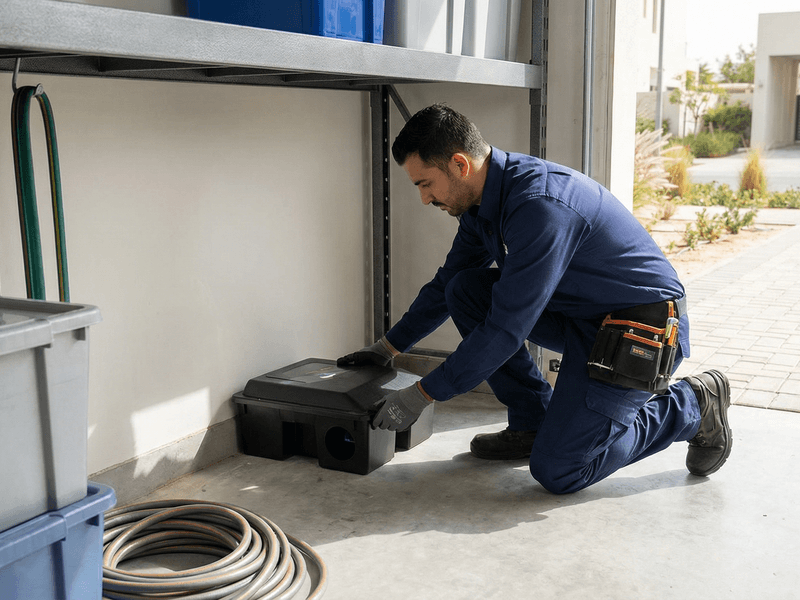
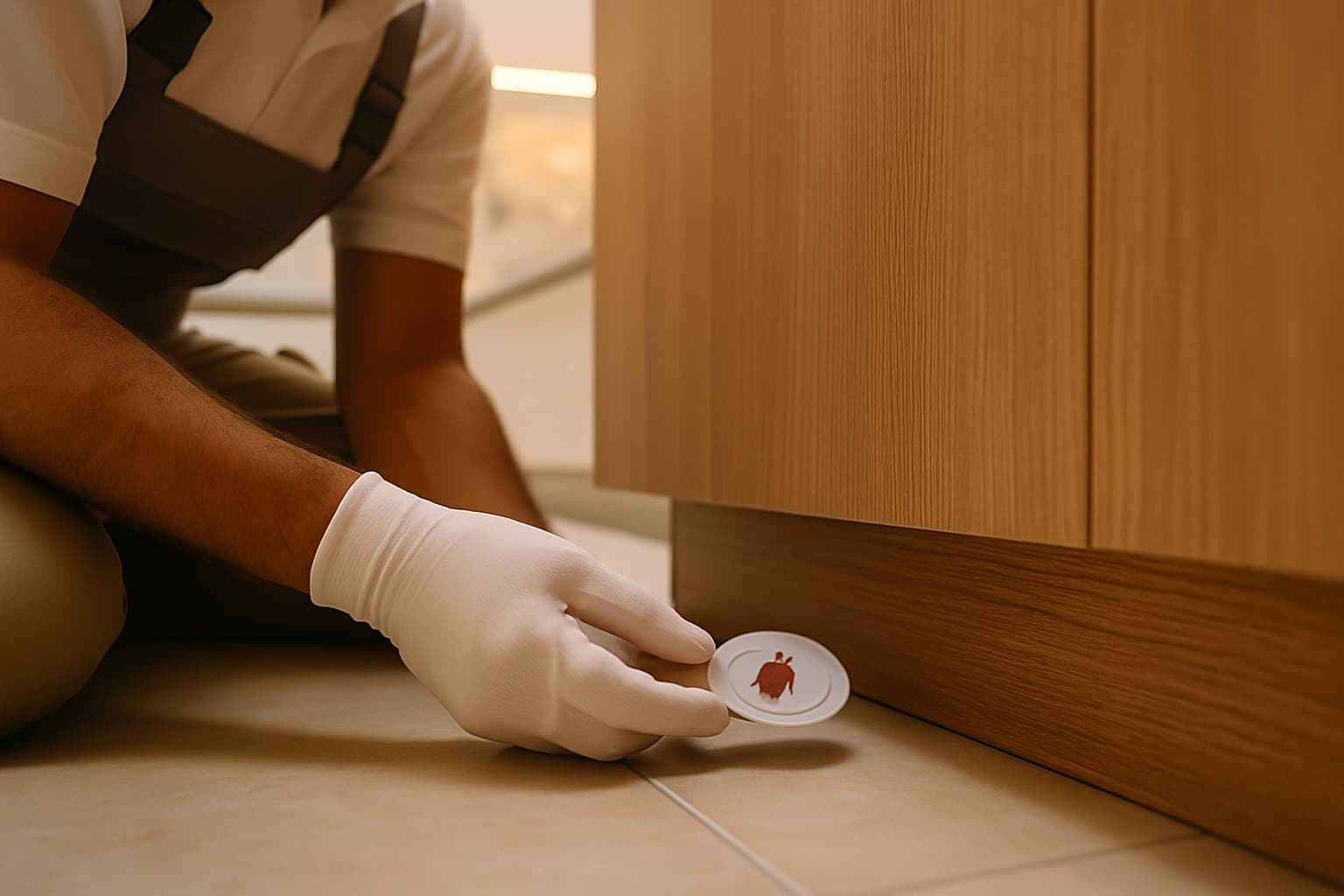
Yes. Gel baits, bait stations, and targeted crack-and-crevice treatments pose minimal risk to pets. Discuss your pet situation with your pest control provider before treatment. The main precaution is keeping pets away from treated areas for 2-4 hours until products dry. Avoid general spray treatments in homes with cats, as cats are more sensitive to pyrethroid insecticides.

Should I treat for termites during spring?

Spring is termite swarming season - the time when mature colonies release flying reproductive termites to establish new colonies. If you see flying termites (winged insects attracted to lights, shedding wings near windows), it means a colony exists nearby. This is the right time for a professional termite inspection and, if needed, treatment or monitoring system installation.

My building already does pest control. Do I need my own?

Building-wide treatments cover common areas - lobbies, parking, garbage rooms, and service corridors. Individual units need their own treatment because pests enter apartments through unit-specific routes (kitchen drain pipes, AC openings, delivery items). Building treatment reduces the population in shared spaces but doesn't protect your unit's interior.

Don't Wait for the Peak

European Technical provides residential and commercial pest control across all Dubai areas. Booking now - before the May-June surge - means treatment is proactive rather than reactive. Call 800-REPAIR (800-737247) or +971 4 847 8388 to schedule pest control that actually prevents the problem rather than chasing it after the fact.

Need professional help at home?

Our licensed technicians are available 7 days a week across Dubai.