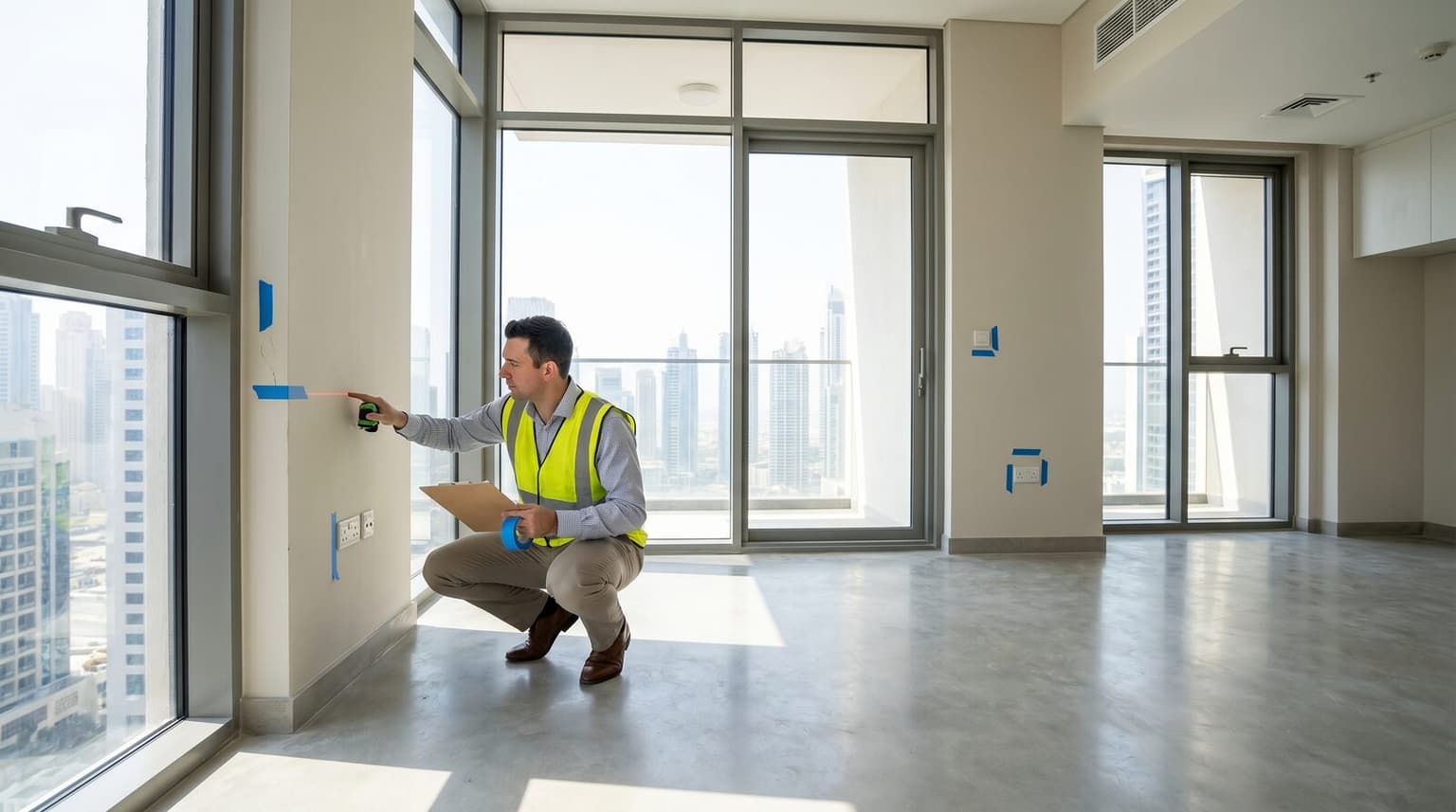
Snagging and Defect Inspection Guide for Dubai Property Handover
When a developer hands over a new property in Dubai, the finish is rarely perfect. Rushed construction timelines, high turnover of labour, and the pressure to complete entire communities simultaneously mean that defects are normal, not exceptional.
Snagging is the process of finding and documenting these defects so the developer fixes them before your warranty expires. This guide covers how to do it properly.
What Snagging Actually Means
Snagging is a formal inspection of a newly built or recently completed property to identify construction defects, poor finishes, and items that do not match the original specification.
In Dubai, snagging typically happens:
- At initial handover from the developer
- During the defect liability period (usually 12 months from handover)
- Before the warranty expires (varies by developer, usually 1-5 years)
You are entitled to raise snagging items at any point during the defect liability period. Most developers allow multiple rounds of snagging, but the first inspection is the most important because it sets the baseline.
RERA and Your Rights
The Real Estate Regulatory Agency (RERA) governs property transactions in Dubai. Under RERA regulations:
- Developers must provide a defect liability period of at least 12 months from handover
- Structural defects carry a 10-year warranty under UAE Civil Code (Article 880)
- You have the right to withhold final payment if significant defects are identified (though this requires legal guidance)
- If the developer fails to rectify defects within a reasonable timeframe, you can file a complaint with RERA
Important: Document everything in writing. Verbal agreements with the developer's handover team do not count. Email your snagging list to the developer's official customer service or defect management team and keep confirmation of receipt.
Professional vs DIY Inspection
Professional Snagging
A professional snagging company sends a qualified inspector with specialist tools (thermal cameras, moisture metres, laser levels, electrical testers). Expect to pay AED 1,500-3,000 for a standard apartment and AED 3,000-6,000 for a villa.
Worth it if:
- You are not comfortable identifying construction defects
- The property is a villa or large unit with complex MEP (mechanical, electrical, plumbing) systems
- You want a formal report that carries weight with the developer
- The property value is high enough that missed defects could cost more than the inspection fee
DIY Snagging
You can snag your own property effectively with basic tools and a systematic approach. Most defects are visible to anyone who knows what to look for.
Tools you need:
- Bright LED torch (angled light reveals surface defects)
- Laser level (or a marble, if it rolls, the floor is not level)
- Socket tester (available from ACE Hardware, AED 30)
- Sticky labels or blue painter's tape to mark defects
- Camera or phone with good close-up capability
- Measuring tape
- Notepad or tablet for the snagging list
Room-by-Room Snagging Checklist
General (Every Room)
Walls and ceilings:
- Run the torch across the wall at a shallow angle, this reveals bumps, dips, cracks, and poor plastering
- cheque all corners for cracks (settlement cracks are common in new builds)
- Look for paint runs, drips, roller marks, and patches where touch-up paint does not match
- cheque ceiling for water stains (indicating plumbing or AC leaks above)
- Ensure all walls are plumb (vertical), hold your phone with a level app against the wall
Floors:
- Walk every square metre and feel for loose or hollow tiles (tap with your knuckle, a hollow sound means the tile is not fully bonded)
- cheque grout lines for consistency and completeness
- Look for chipped or cracked tiles, especially at edges and corners
- Verify the floor is level (marble test: place it in the centre of each room)
- cheque transitions between rooms, tile levels should match
Doors:
- Open and close every door, it should swing freely without rubbing
- cheque that locks latch and deadbolts extend smoothly
- Inspect hinges for alignment
- cheque the gap at the bottom, it should be consistent
- Verify door handles are secure (grab and wiggle)
Windows:
- Open, close, and lock every window
- cheque the seal around the frame, no gaps, no daylight visible
- Run your finger along the seal strip, it should be continuous and properly seated
- Test the tilt function if applicable
- Look for scratches on glass (common from construction debris)
- cheque that drainage holes at the bottom of the frame are clear
Kitchen
- Test every drawer and cabinet door, should open smoothly without catching
- cheque countertop seams and edges
- Run all taps (hot and cold) and cheque for leaks under the sink
- Test the extractor fan
- Verify oven, hob, dishwasher all power on and operate
- cheque backsplash tile alignment and grout
- Inspect the floor under the dishwasher and fridge space for damage
Bathrooms
- Flush every toilet, cheque fill time, flush strength, any rocking at the base
- Run every tap and cheque for leaks under basins
- Test the shower, water pressure, temperature, drainage speed
- cheque shower screen door seals and hinges
- Look for cracked or chipped tiles (especially around fixtures)
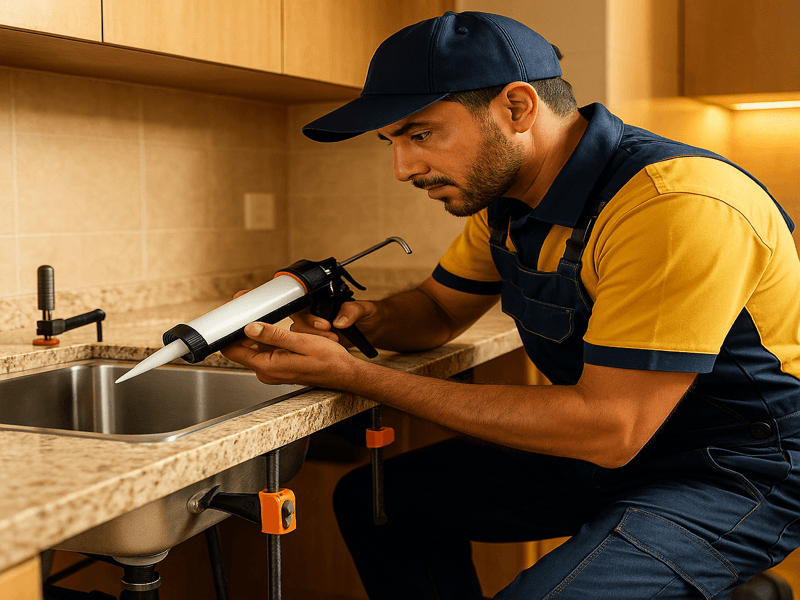
- cheque silicone sealant around the bath, shower tray, and toilet base
- Test the bathroom extractor fan
- cheque for mould or mildew (even in new properties, construction moisture can cause this)
- Verify the toilet roll holder, towel rail, and mirror are secure
Electrical
- Test every light switch and power outlet with your socket tester
- cheque that all outlets are level and flush with the wall
- Test the doorbell
- Verify the distribution board is labelled correctly
- Test any smart home panels or intercom systems
- cheque that recessed lights sit flush and evenly in the ceiling
Plumbing
- Turn on all taps simultaneously and cheque that pressure remains acceptable
- cheque hot water, it should reach the tap within 60 seconds
- Run the washing machine tap and cheque for leaks
- Look for any signs of water staining on walls or ceilings
- cheque outdoor taps (hose connections, garden irrigation points)
- Flush all toilets simultaneously if possible, checks drain capacity
AC System
- Turn on every AC unit and cheque cooling
- Listen for unusual noises, rattling, buzzing, or grinding
- cheque for water dripping from indoor units
- Verify thermostat controls work and temperature display is accurate
- cheque that air flow from vents is consistent (hold a tissue at each vent, it should deflect consistently)
- Inspect outdoor units, they should be level, securely mounted, and have clear airflow around them
Balcony and Exterior
- cheque waterproofing, pour water on the balcony and verify it drains correctly
- Inspect railing fixings, push firmly; no movement is acceptable
- cheque exterior paint and render for cracks
- Verify external light fixtures work
- Inspect the building's main entrance, lobby, and corridor finishes if you are buying in a new building
How to Document and Submit
Create a structured snagging list:
| # | Room | Item | Description | Photo Ref |
|---|---|---|---|---|
| 1 | Master Bedroom | Wall (east) | Crack running from window corner, approx 30cm | IMG_001 |
| 2 | Kitchen | Countertop | Chip on front edge near sink, 2cm | IMG_002 |
| 3 | Bathroom 2 | Toilet | Rocks when seated, not properly secured to floor | IMG_003 |
Email this to the developer with:
- Your unit number and name
- Date of inspection
- All photos attached (or a shared drive link)
- A request for an estimated timeline for repairs
Follow up in writing every 2 weeks until items are resolved. Keep a paper trail.
Common Defects by Developer Quality
High-end developers (Emaar, Meraas, Select Group):
- Defects tend to be cosmetic, paint inconsistencies, minor tile chips, door alignment
- MEP systems are usually sound
- Response time for fixes: typically 2-4 weeks
Mid-range developers:
- More structural items, uneven floors, poor waterproofing, AC duct leaks
- Plumbing defects are common (leaks, low pressure)
- Response time: 4-8 weeks
Budget developers:
- Expect significant snagging lists, 50-100+ items is normal
- Electrical and plumbing defects need professional checking
- Some items may never be fixed properly, know your legal rights
After the Developer Fixes
When the developer completes repairs, inspect their work. It is common for repairs to introduce new defects:
- Paint touch-ups that do not match
- Replaced tiles with different batch colours
- Silicone applied over dirty surfaces (it will peel)
You have the right to reject poor repair work and request it is done again.
When to Bring In Your Own Professionals
If the defect liability period expires and items remain unresolved, or if you want independent verification of the developer's repair work, bring in your own tradespeople:
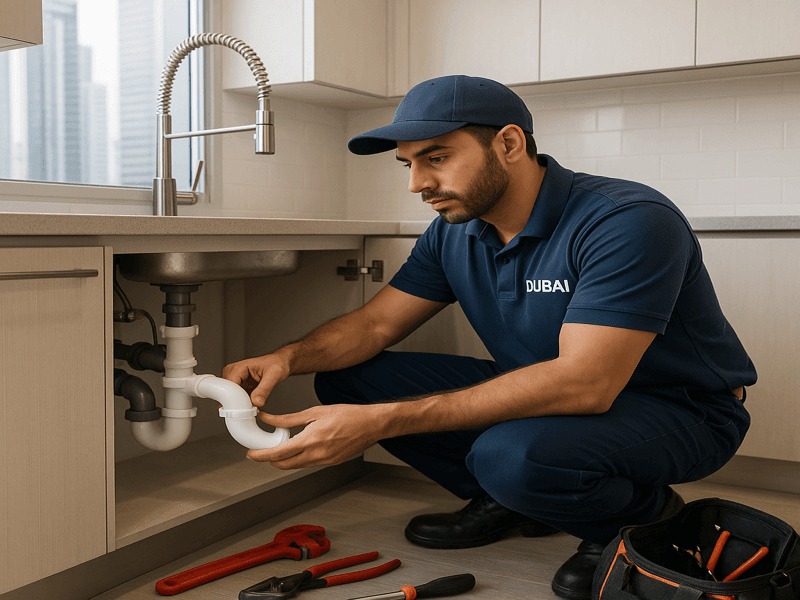
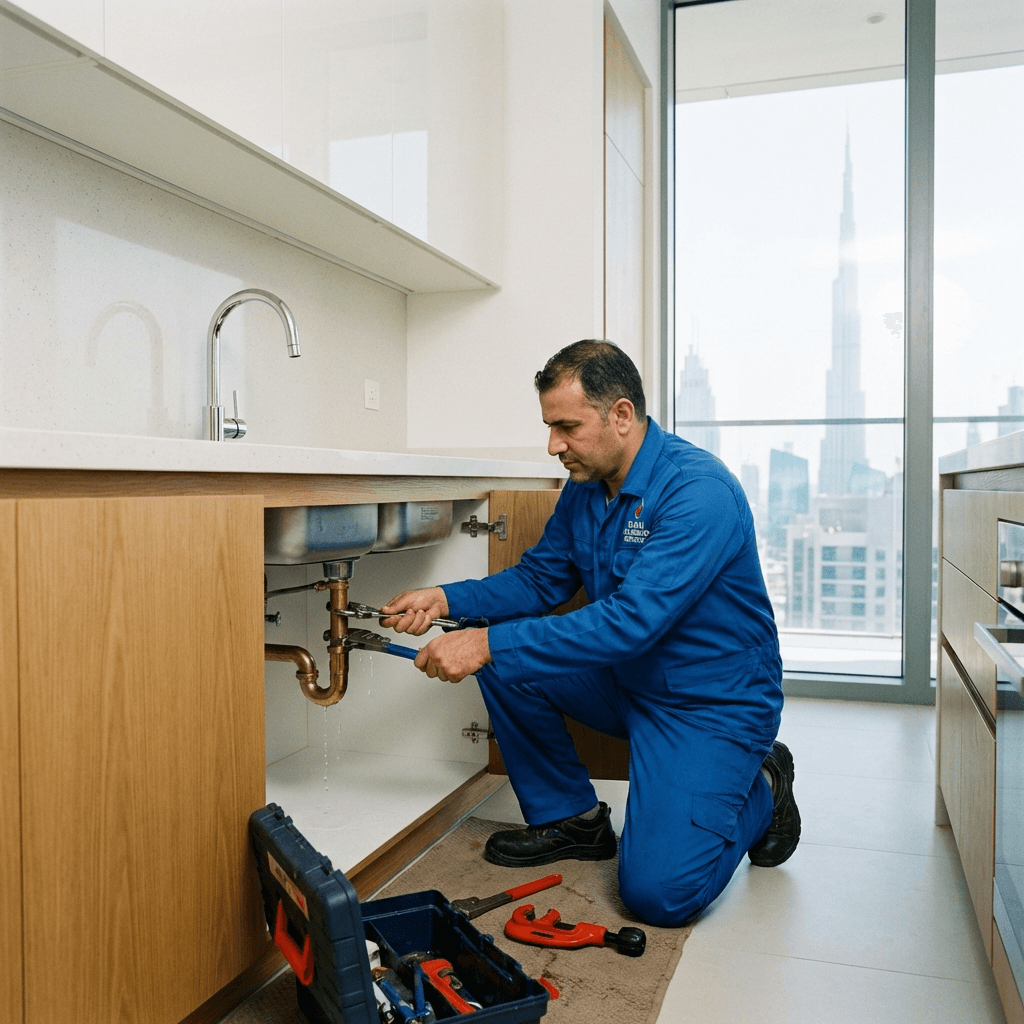
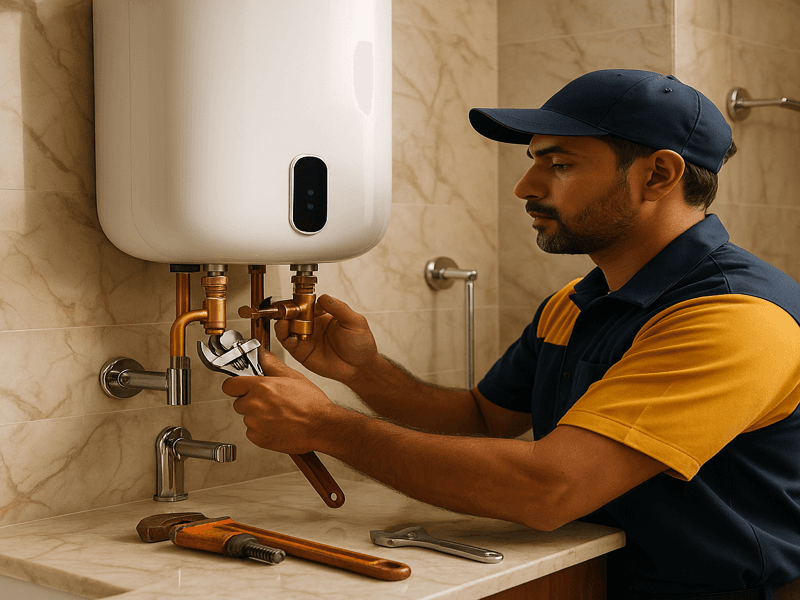
- Plumbing issues: A qualified plumber can diagnose and fix what the developer missed
- Electrical defects: Never leave electrical issues unresolved, get a licensed electrician to cheque and repair
- Paint and finishing: A professional painting service will achieve a better finish than most developer repair teams
The cost of fixing defects yourself is an investment in your property's condition and value. Do not let the warranty expire with known issues unresolved.