Why Water Leaks in Dubai Villas Are a Serious Concern
Dubai villas, whether in established communities like Arabian Ranches or newer developments in JVC, face unique environmental pressures. The intense summer heat, high humidity, and constant air conditioning use create conditions where water leaks can develop and worsen quickly. A small leak behind a wall or under a floor slab might seem minor at first. Left unchecked, it can cause structural damage, mould growth, and unexpectedly high DEWA bills.
Many villa owners first discover a leak when their water bill spikes without explanation. Others notice damp patches on walls, a musty smell in certain rooms, or warm spots on marble flooring. By the time these signs appear, water has often already caused significant hidden damage. This is why professional water leak detection matters so much for Dubai properties.
The challenge with villas is that much of the plumbing infrastructure sits underground or within concrete walls. Traditional methods of finding leaks involved breaking through walls and floors, causing disruption and expense. Modern detection technology has changed this entirely. Non-invasive techniques now allow specialists to pinpoint the exact location of a leak without damaging your property.
Common Causes of Water Leaks in Dubai Villas
Understanding what causes leaks helps you prevent them. Dubai's climate and construction methods create several common vulnerability points.
Pipe Corrosion and Ageing Infrastructure
Many older villas in areas like The Springs and The Meadows have plumbing systems installed fifteen to twenty years ago. Over time, pipes corrode, especially in areas with hard water. Copper pipes develop pinhole leaks. Galvanised steel pipes rust from the inside out. PPR and CPVC pipes, common in newer builds, can fail at joints if installation quality was poor.
The constant temperature fluctuations in Dubai also stress pipe materials. Cold water pipes running through exterior walls experience significant temperature differences between day and night. This thermal expansion and contraction loosens fittings and weakens pipe walls gradually.
High Water Pressure Issues
Dubai's municipal water supply maintains high pressure to serve tall buildings and large communities. While this ensures good flow rates, it also puts strain on residential plumbing systems. Villas without pressure reducing valves often experience pipe joint failures and appliance connection leaks. The problem worsens at night when overall demand drops and pressure peaks.
Swimming Pool and Landscaping Systems
Villas with swimming pools have additional leak sources. Pool plumbing, filtration systems, and underground pipes can develop leaks that waste thousands of litres of water. Landscaping irrigation systems, common in communities like Arabian Ranches and The Villa, also contribute to underground water loss. These leaks often go unnoticed because the water drains into sandy soil rather than surfacing.
DEWA Connection Points
The connection between your villa and the main DEWA water supply is a common leak point. These connections sit underground and are exposed to soil movement, root intrusion, and corrosion. A leak at this point means you pay for water that never reaches your taps. DEWA's High Water Usage Alert service can notify you of unusual consumption patterns, giving you an early warning that something is wrong.
Signs You Need Professional Water Leak Detection
Catching leaks early saves money and prevents extensive property damage. Watch for these indicators in your Dubai villa.
Unexplained Increase in DEWA Bills
This is often the first sign. If your water consumption has not changed but your bill has increased significantly, a hidden leak is the likely culprit. Compare your current bill with the same month from previous years to account for seasonal variations. A sudden spike that cannot be explained by guests staying over or filling a pool warrants investigation.
DEWA provides a High Water Usage Alert service that sends notifications when your consumption exceeds normal patterns. This service has helped many Dubai residents discover leaks before they caused major damage. If you receive such an alert, take it seriously and arrange a professional inspection.
Visible Water Stains and Dampness
Brown or yellowish stains on walls and ceilings indicate water travelling from above. In multi-storey villas, a leak on the second floor often shows up as a stain on the ground floor ceiling. Damp patches on walls, particularly near bathrooms and kitchens, suggest leaking pipes within the wall cavity. Paint that bubbles or peels is another indicator of moisture behind the surface.
Musty Odours and Mould Growth
Dubai's humidity makes mould a real concern. If certain rooms in your villa smell musty despite regular cleaning and ventilation, hidden moisture could be the cause. Black or green mould spots on walls, ceilings, or grout lines indicate persistent dampness. Mould is not just a cosmetic issue. It poses health risks, particularly for children and people with respiratory conditions.
Warm Spots on Floors
Underfloor heating is not standard in Dubai villas, so warm spots on your flooring can indicate a hot water pipe leak beneath the surface. This is particularly relevant for villas with tiled or marble floors throughout. If you notice a section of floor that feels consistently warmer than the surrounding area, have it checked.
Sound of Running Water
When all taps and appliances are off, you should not hear water running. If you hear a hissing or trickling sound behind walls or under floors, a leak is likely. This is most noticeable at night when the villa is quiet. Some leaks produce a dripping sound that echoes through pipe cavities, making it difficult to pinpoint the exact location without specialist equipment.
Reduced Water Pressure
A sudden drop in water pressure at one or more fixtures can indicate a leak in the supply line feeding that area. If the whole house has low pressure, the issue might be at the main supply point or a significant leak in the primary distribution pipe.
How Professional Water Leak Detection Works in Dubai
Modern leak detection has moved far beyond guesswork and demolition. Professional services use advanced technology to locate leaks accurately and non-invasively.
Thermal Imaging Cameras
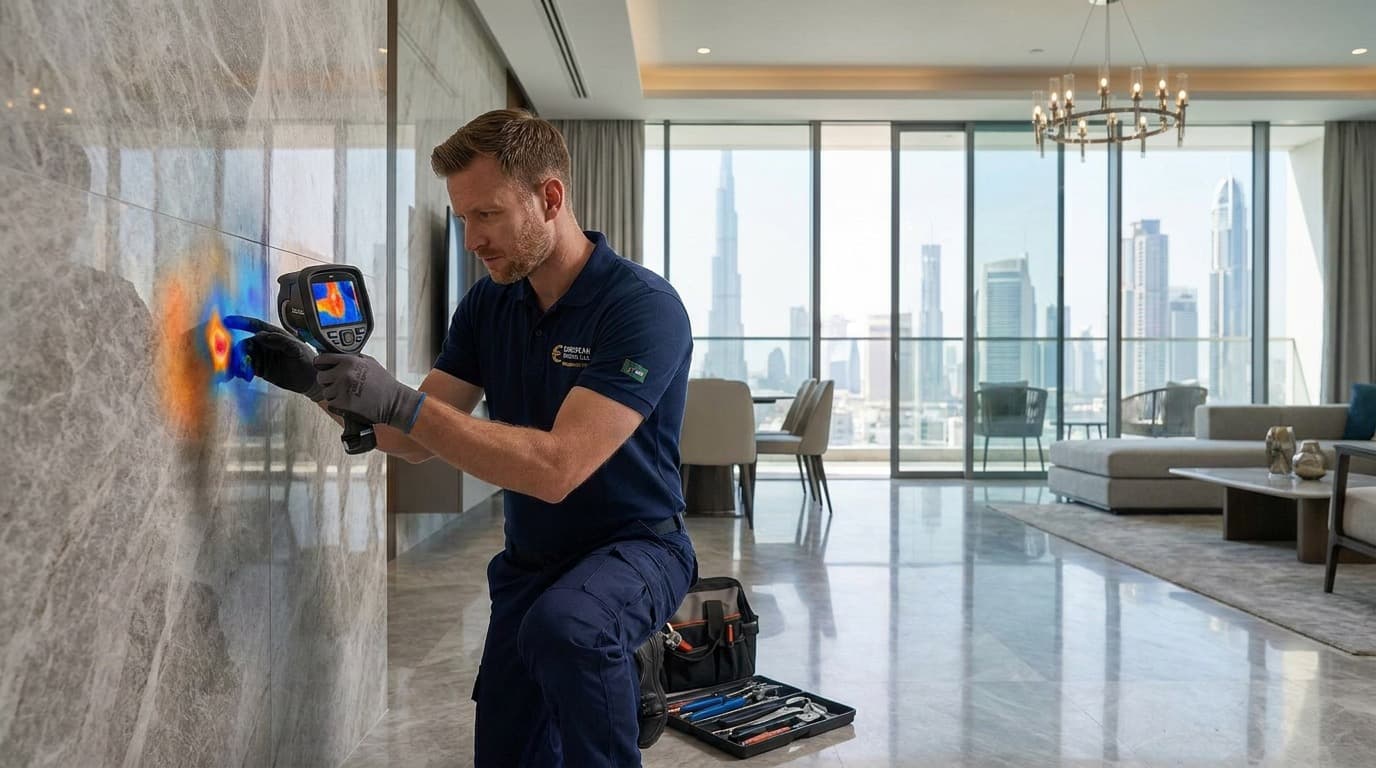
Thermal imaging is one of the most effective tools for finding hidden leaks. These cameras detect temperature differences on surfaces, revealing moisture behind walls and under floors. Cold water leaks show up as cooler areas. Hot water leaks appear as warm patches. The technology allows technicians to scan large areas quickly and identify exactly where moisture has accumulated.
In Dubai villas, thermal imaging is particularly useful for detecting leaks under marble and tile flooring. The dense materials do not show visible water damage until significant saturation has occurred. Thermal cameras can identify the moisture before it reaches the surface, allowing for early intervention.
Acoustic Listening Equipment
Water escaping from pipes under pressure creates sound. Acoustic listening devices amplify these sounds, allowing technicians to hear leaks through concrete, soil, and masonry. Ground microphones and contact sensors pick up the specific frequency of water escaping from a pipe. By moving the sensor along a suspected path, the technician can narrow down the leak location to a small area.
This technology is essential for underground leaks in villa gardens, driveways, and beneath floor slabs. It is also used for detecting leaks in swimming pool plumbing, where pipes run underground between the pool and the pump room.
Tracer Gas Detection
For particularly difficult leaks, tracer gas provides an effective solution. Non-toxic gas, typically a mixture of nitrogen and hydrogen, is introduced into the water system. The gas escapes through the leak and rises through the building material. Sensitive gas detectors on the surface pinpoint the exact location. This method works well for leaks in concrete slabs and underground pipes where acoustic methods struggle.
Pressure Testing
Pressure testing isolates sections of the plumbing system to identify where leaks exist. By closing off specific pipes and monitoring pressure, technicians can determine which section has a leak. This methodical approach eliminates guesswork and ensures that detection efforts focus on the correct area of the system.
CCTV Pipe Inspection
For drainage and sewer lines, CCTV cameras inserted into pipes provide a visual inspection of the interior. This identifies cracks, joint failures, root intrusion, and blockages that cause leaks. The camera footage also reveals the exact location and nature of the problem, allowing for targeted repairs rather than excavation along the entire pipe run.
What to Do When You Suspect a Leak
If you suspect a water leak in your Dubai villa, take these practical steps.
First, check your water meter. Turn off all water-using appliances and fixtures in the villa. Note the meter reading. Wait thirty minutes without using any water. Check the meter again. If the reading has changed, you have a leak somewhere in your system. The faster the meter moves, the larger the leak.
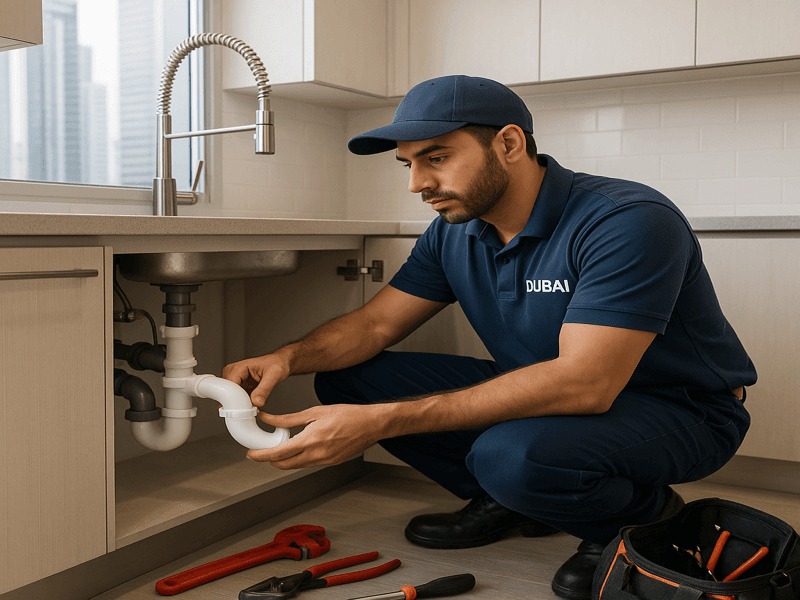
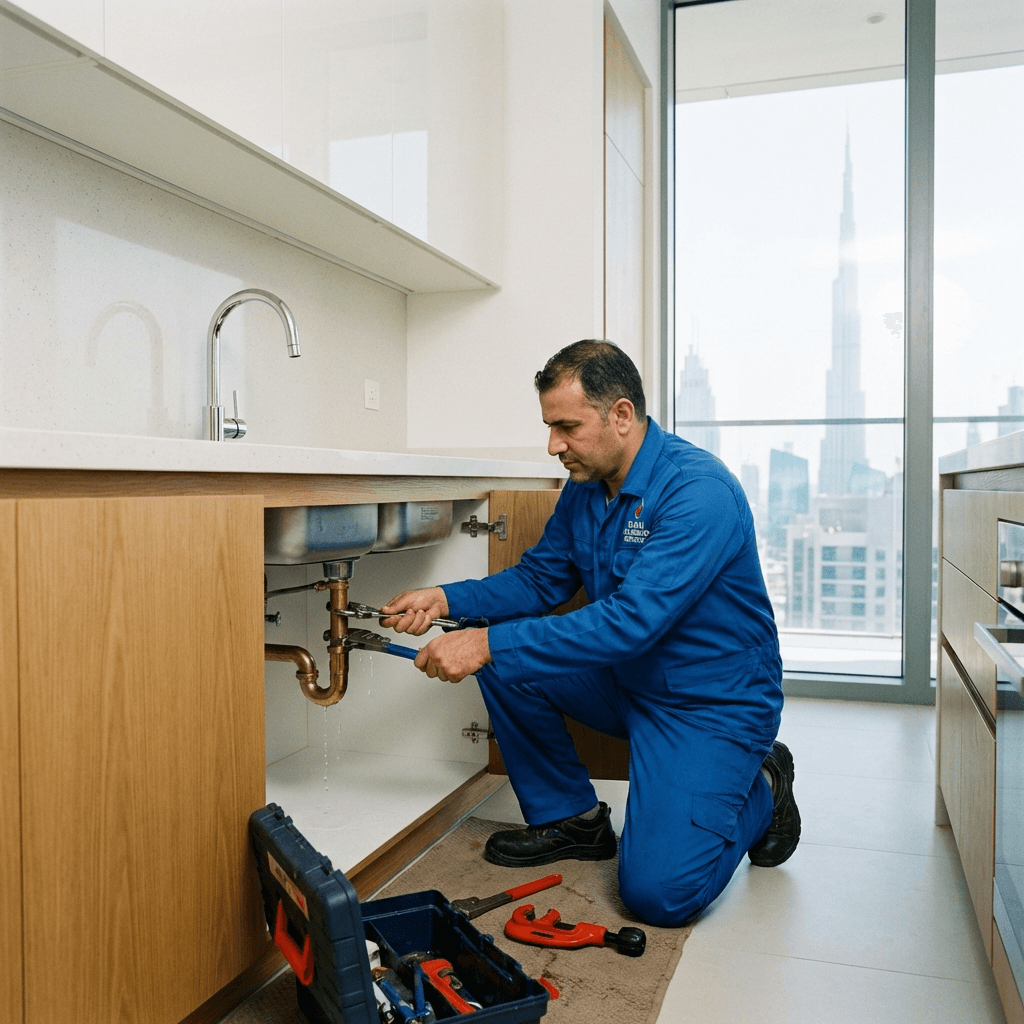
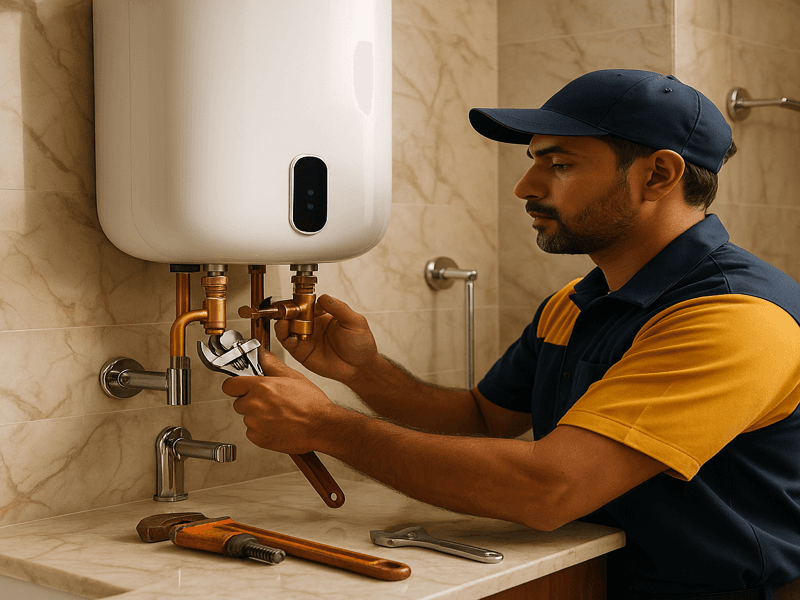
Second, check visible plumbing under sinks, around water heaters, and near washing machines. Look for dripping connections, water stains, and corrosion. Sometimes the source is obvious and does not require specialist detection.
Third, if you cannot find the source but signs persist, call a professional. Attempting to locate hidden leaks yourself by cutting into walls or digging up floors often causes more damage than the leak itself. Professional detection services locate the problem first, then repairs target only the affected area.
For repairs, our plumbing team handles everything from pipe replacement to joint repairs. If the leak has caused damage to walls, flooring, or fixtures, our handyman service can restore affected areas. For villa owners who want to prevent future issues, an annual maintenance contract includes regular plumbing inspections that catch small problems before they become major leaks.
You can also learn more about our full range of maintenance services to keep your villa in top condition year-round.
The Cost of Ignoring Water Leaks
Water leaks in Dubai villas are not just an inconvenience. They carry real financial and health consequences.
A slow leak of just one drip per second wastes approximately 22 litres of water per day. Over a month, that is over 650 litres added to your DEWA bill. Larger leaks waste significantly more. A leak in a main supply line can waste thousands of litres daily, adding hundreds of dirhams to your monthly bill.
Beyond water costs, leaks cause structural damage. Water seeping into concrete weakens it over time. In extreme cases, prolonged water exposure can compromise the structural integrity of walls and floors. Repairing structural damage costs far more than fixing a leak early.
Mould growth is another serious consequence. Dubai's humidity creates ideal conditions for mould once moisture is present. Removing mould requires professional remediation, and the health effects on residents can be significant. Children, elderly residents, and people with asthma or allergies are particularly vulnerable.
Finally, there is the cost of repairs to consider. A leak detected early might require a simple pipe joint replacement costing a few hundred dirhams. The same leak, left for months, could require wall reconstruction, floor replacement, and mould remediation costing tens of thousands of dirhams.
Preventing Future Leaks in Your Dubai Villa
Prevention is always cheaper than repair. Several practical measures can reduce the risk of water leaks in your villa.
Install a pressure reducing valve if your incoming water pressure exceeds 4 bar. High pressure stresses pipe joints and appliance connections. A pressure reducing valve is a relatively inexpensive fitting that protects your entire plumbing system.
Schedule annual plumbing inspections. A professional plumber can identify corroding pipes, loose fittings, and worn connections before they fail. This is particularly important for villas over ten years old. Regular inspections are a core part of any annual maintenance contract and pay for themselves by preventing costly emergency repairs.
Monitor your DEWA bills monthly. Sudden changes in water consumption often indicate a leak. The earlier you notice the change, the less damage occurs. Sign up for DEWA's High Water Usage Alert service to receive automatic notifications.
Maintain your swimming pool and irrigation systems. Check for wet patches in the garden that do not dry out. Monitor pool water levels for unexplained drops. Have pool plumbing inspected annually as part of your villa maintenance routine.
Address minor plumbing issues promptly. A dripping tap or running toilet might seem trivial, but these small problems often indicate broader issues in the system. They also waste significant water over time.
FAQ
How much does water leak detection cost in Dubai?
Professional water leak detection in Dubai villas typically costs between AED 350 and AED 800 depending on the complexity of the job and the technology required. Simple acoustic detection for an accessible pipe costs less than thermal imaging or tracer gas detection for underground leaks. Most detection services provide a report with the exact leak location, which helps plumbers carry out targeted repairs without unnecessary demolition.
Can water leak detection find leaks under marble floors?
Yes. Thermal imaging cameras detect temperature differences caused by moisture beneath marble and tile flooring. The technology identifies damp areas without lifting or damaging the floor. This is particularly useful in Dubai villas where marble flooring is common throughout living areas and bathrooms.
How long does water leak detection take?
Most residential leak detection jobs take between one and three hours. Simple leaks in accessible areas can be found within thirty minutes. Complex cases involving underground pipes, multiple potential leak points, or large villa layouts may take longer. The technician will explain the process and expected timeframe before starting work.
Will my home insurance cover water leak detection and repairs?
This depends on your specific policy. Most building and contents insurance policies in Dubai cover sudden water damage from burst pipes or appliance failures. However, gradual leaks from ageing pipes may not be covered. Check your policy details or contact your insurer. Keep records of detection reports and repair invoices for any claims.
What is DEWA's High Water Usage Alert service?
DEWA provides a High Water Usage Alert that notifies customers when their water consumption exceeds normal patterns. This free service helps detect leaks early by flagging unusual usage. You can activate it through your DEWA account. Receiving an alert does not confirm a leak, but it signals that you should investigate your plumbing system.
Can I detect a water leak myself?
You can perform a basic check using your water meter. Turn off all water in the villa and note the meter reading. Wait thirty minutes, then check again. If the reading has changed, you likely have a leak. However, finding the exact location of a hidden leak requires specialist equipment. Attempting to locate leaks by cutting into walls or floors usually causes unnecessary damage and expense.