What Dubai Municipality Property Inspections Cover
Dubai Municipality conducts property inspections for several reasons: occupancy permit renewal, building safety compliance, pest control certification, and complaint investigations.
The requirements differ depending on the property type and the reason for inspection, but the core focus areas remain consistent: structural safety, fire protection, electrical compliance, plumbing integrity, pest management, and general building maintenance. This checklist covers what you need to address across each category.
Structural and Building Envelope
Step 1: Inspect Exterior Walls and Facades
Walk the full perimeter of your building. Inspectors look for cracked or loose cladding, damaged render, exposed reinforcement steel, and any signs of structural distress. In older Dubai properties - particularly buildings from the 2005-2009 construction boom - facade deterioration is common and increasingly scrutinised following updated building safety regulations.
Key items to cheque:
- Visible cracks wider than 3mm in exterior walls
- Loose or missing facade tiles or cladding panels
- Exposed or corroding reinforcement steel
- Water staining from leaks (indicates waterproofing failure)
- Damaged balcony railings or glass panels
Step 2: cheque Structural Integrity Indoors
Inside the building, inspectors examine load-bearing walls, columns, and ceilings for signs of structural compromise. Pay attention to diagonal cracks near window and door openings, sagging ceilings, doors that no longer close properly (indicating frame distortion), and any signs of water damage to structural elements.
Fire Safety and Life Safety Systems
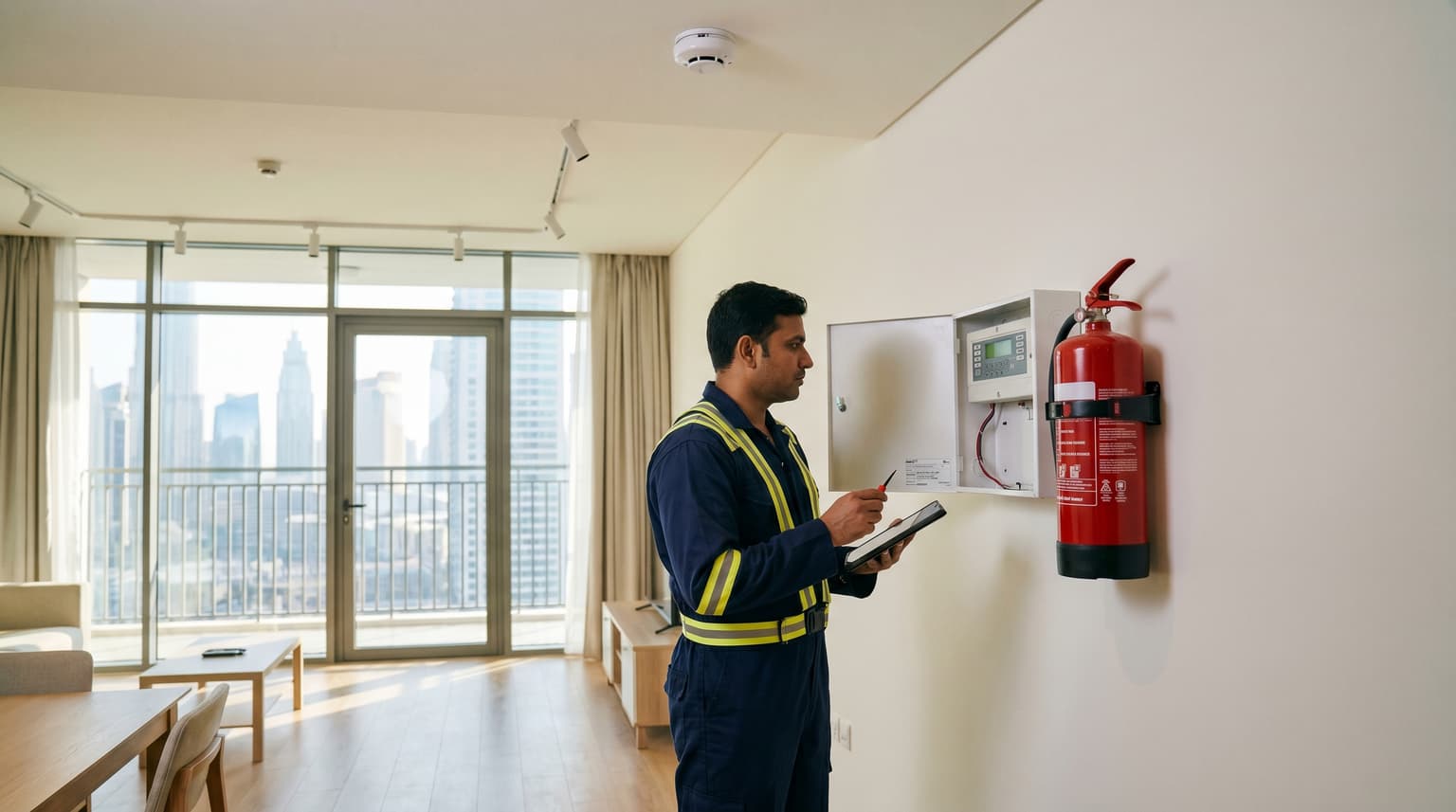
Step 3: Verify Fire Alarm and Detection Systems
Dubai Civil Defence requirements mandate functioning fire detection and alarm systems in all commercial and multi-residential properties. For villas, requirements are less extensive but still apply to smoke detection. Verify:
- All smoke detectors are installed and operational (test each one)
- Fire alarm control panel shows no fault conditions
- Emergency lighting works when power is switched off
- Exit signs are illuminated and correctly positioned
- Fire alarm has been serviced within the last 12 months (keep the service report)
Step 4: cheque Fire Extinguishers and Suppression
Fire extinguishers must be present, accessible, within their service date, and appropriate for the fire risks present. cheque that:
- Extinguishers are mounted in designated locations, not blocked
- Pressure gauges show green (charged)
- Annual service tags are current
- Kitchen suppression systems (for commercial kitchens) are serviced and certified
- Sprinkler heads are unobstructed and not painted over
Step 5: Confirm Emergency Exit Compliance
Emergency exits must be clearly marked, unobstructed, and able to open from inside without keys. This is one of the most common failure points in Dubai inspections - exits blocked by stored items, locked fire doors, or missing signage. Walk every exit route and confirm clear passage from the furthest point in the building to the nearest exit.
Electrical Systems
Step 6: Review Electrical Installations
Inspectors cheque for DEWA compliance and general electrical safety. Common issues that trigger failures include:
- Exposed wiring or junction boxes without covers
- Overloaded circuits (visible from melted sockets or warm distribution boards)
- Incorrect or missing earth connections
- Extension leads used as permanent wiring
- Electrical panels without clear labelling
- Water ingress near electrical installations
If your property hasn't had an electrical inspection certificate (DEWA compliance) renewed recently, arrange one before the municipal inspection. Licensed electrical contractors registered with DEWA can issue these certificates.
Step 7: Test Emergency Power Systems
Commercial properties and multi-unit residential buildings need functioning generator backup for life safety systems (fire alarms, emergency lighting, elevators, pressurisation fans). Verify that generators start automatically on mains power failure and that fuel levels are adequate. Keep generator maintenance logs accessible - inspectors often ask to see them.
Plumbing and Drainage
Step 8: Inspect Plumbing for Leaks and Compliance
Plumbing inspections focus on health and safety rather than aesthetics. Inspectors cheque for:
- Visible leaks from any pipe, joint, or fixture
- Backflow prevention on potable water connections
- Proper separation between drainage and clean water systems
- Functioning water heater safety valves (pressure relief and temperature)
- Sewer gas prevention (P-traps in all drains, not dried out)
- Water storage tank condition and cleanliness (tanks should be cleaned annually)
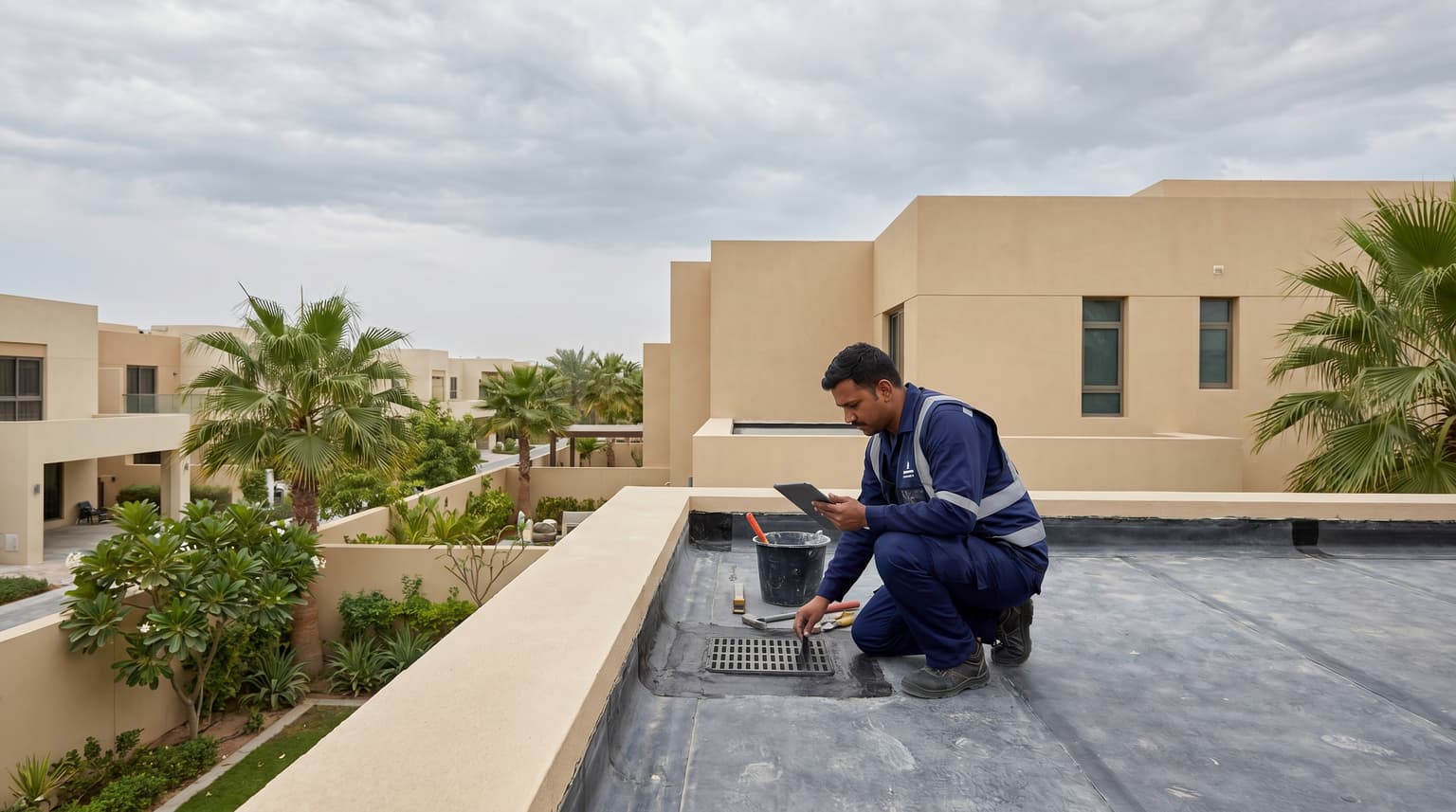
Step 9: Verify Drainage and Waste Systems
Blocked or slow drains violate health codes and attract pests. Run water in all sinks, showers, and floor drains to confirm proper flow. cheque that external drainage gratings are clear and that rainwater drainage routes are unobstructed. In areas like JVC and Dubailand where drainage infrastructure was completed later, ensure your property's connection to the municipal sewer is direct and compliant.
Pest Control Compliance
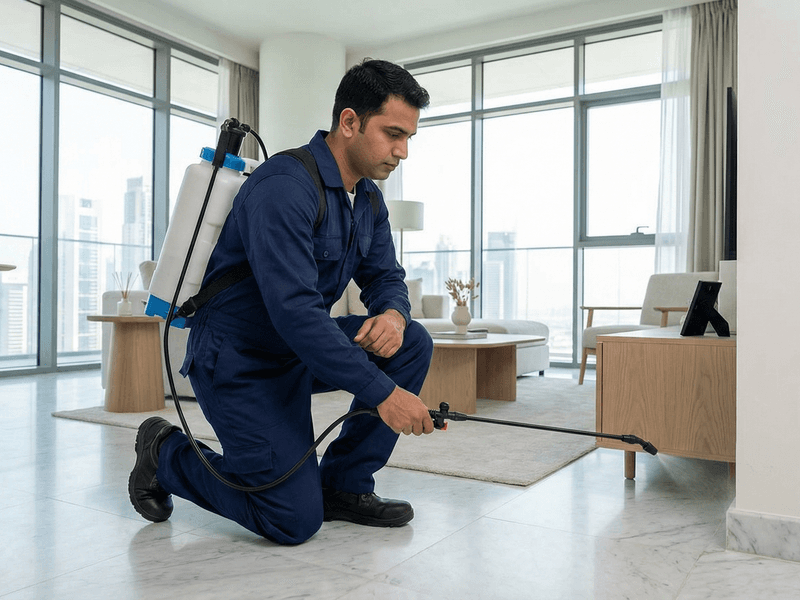
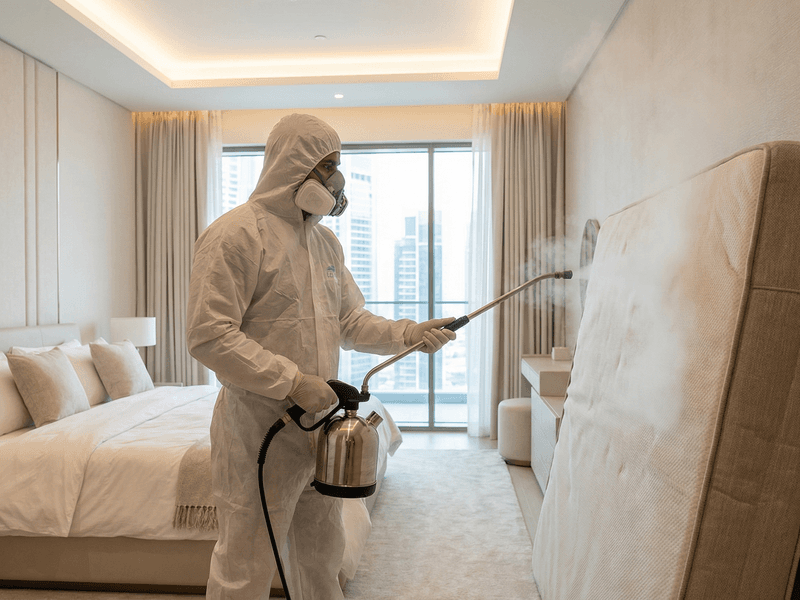
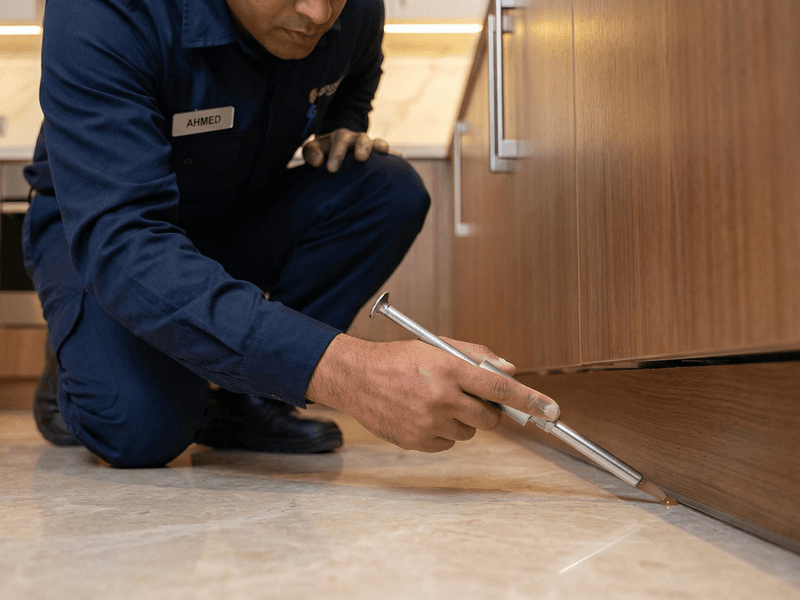
Step 10: Obtain Current Pest Control Certificate
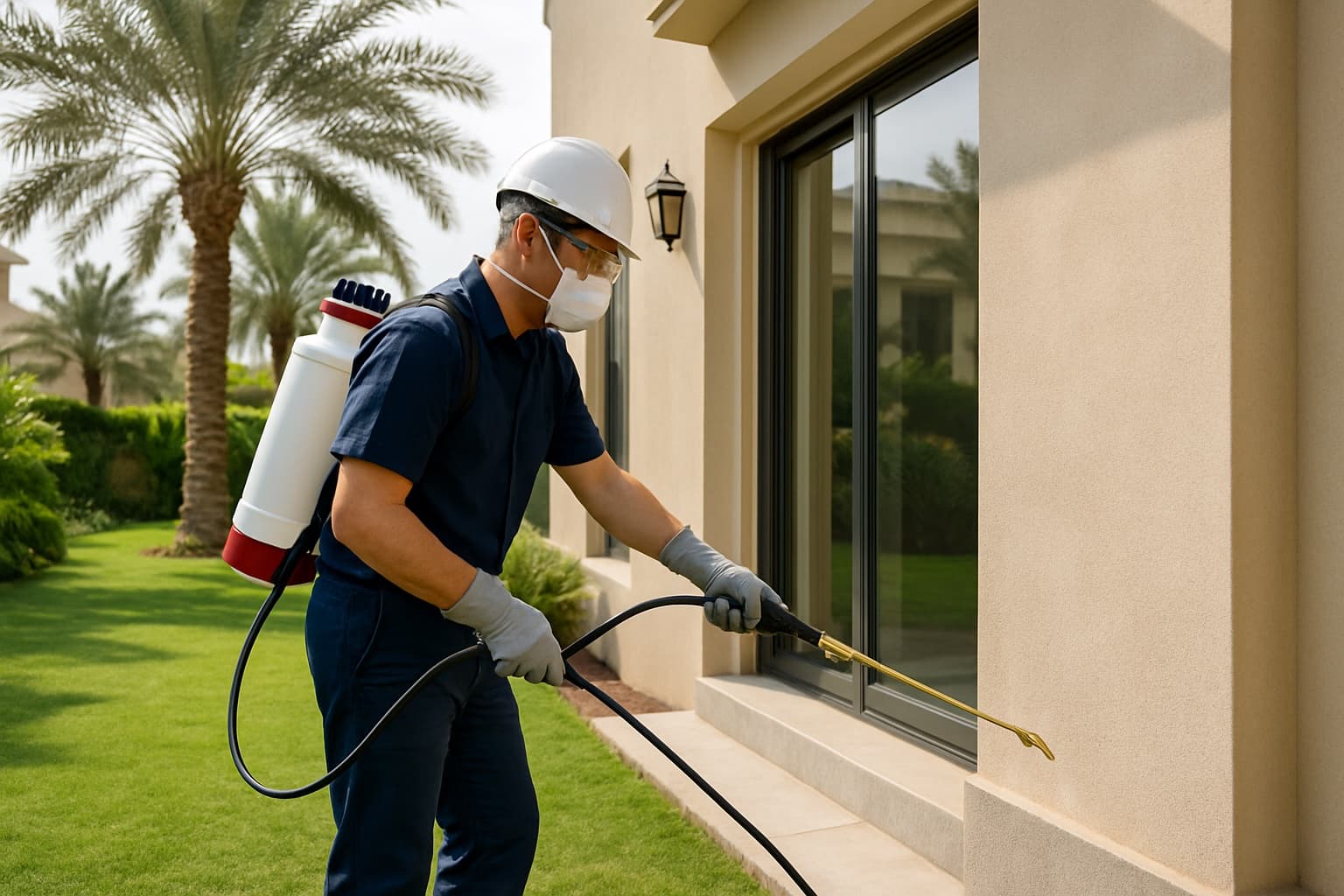
Dubai Municipality requires valid pest control certificates for commercial properties and food establishments. Residential properties need them for occupancy permits and during complaint investigations. Ensure you've:
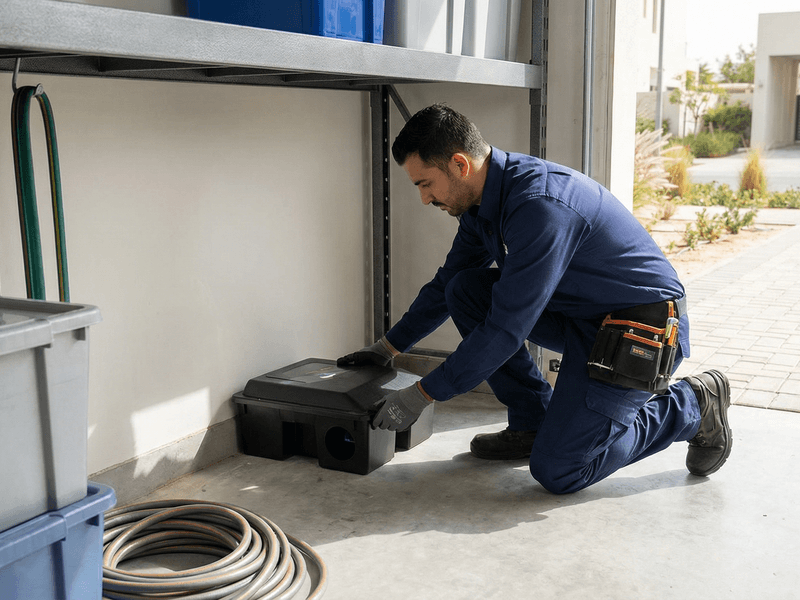
- A current pest control service report from a Dubai Municipality-approved pest control company
- Service date within the last 3-6 months (depends on property type)
- Coverage of all relevant pests: cockroaches, rodents, and termites at minimum
- Bait station map showing placement locations
- Pesticide products listed with registration numbers
If you don't have a current contract, arrange pest control service at least two weeks before the expected inspection to allow time for the treatment to take effect and the certificate to be issued.
HVAC and Ventilation
Step 11: Confirm AC and Ventilation Standards
Dubai's indoor air quality regulations require proper ventilation in all occupied spaces. Inspectors cheque:
- AC systems are operational and adequately sized for the space
- Ventilation meets minimum fresh air requirements
- Duct systems are clean (duct cleaning records may be requested)
- Kitchen and bathroom exhaust fans function correctly
- No visible mould growth in AC units, ducts, or around vents
- Condensate drains route properly (not dripping onto public walkways)
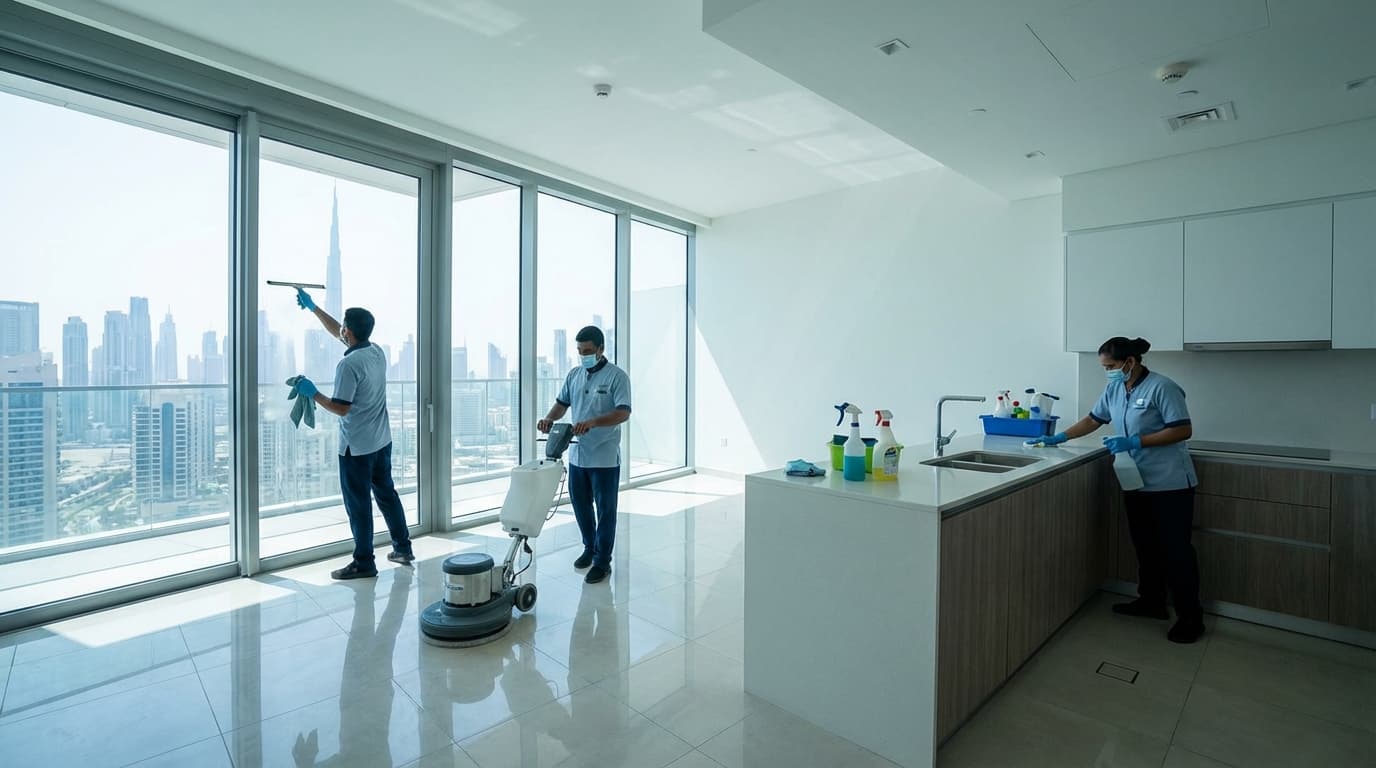
General Maintenance and Housekeeping
Step 12: Address General Building Condition
Beyond specific systems, inspectors assess the overall building condition:
- Common areas are clean and well-maintained
- Stairwells are clear of stored items
- Parking areas don't have oil spills or hazardous materials
- Waste management areas are clean with covered bins
- Swimming pools (if applicable) have current water quality certificates
- Elevators display current maintenance certificates
- Signage for emergency procedures is posted and legible
Documents to Have Ready
Inspectors may request documentation. Prepare these in advance:
- Building completion certificate (occupancy permit)
- DEWA electrical compliance certificate
- Fire alarm and fire fighting system service reports
- Generator maintenance log and test records
- Pest control service contract and recent reports
- Water tank cleaning certificate (annual)
- Elevator maintenance certificate
- AC duct cleaning report (if applicable)
- Building insurance documentation
Common Reasons Properties Fail Dubai Inspections
Based on the most frequent issues European Technical addresses for clients preparing for inspections:
- Blocked or locked fire exits - the single most common failure point
- Expired fire extinguisher service dates - easily overlooked until inspection day
- Missing or expired pest control certificates - especially in properties between pest control contracts
- Electrical non-compliance - exposed wiring, missing earth connections, overloaded circuits
- Water tank not cleaned within 12 months - required for potable water safety
- Emergency lighting not functional - batteries fail silently and are only discovered during testing
- Missing smoke detectors - removed during renovation and not replaced
- Drainage problems - blocked floor drains, missing P-traps causing sewer gas entry
Frequently Asked Questions
How much notice does Dubai Municipality give before an inspection?
Scheduled inspections (occupancy permit renewals, periodic compliance checks) typically come with written notice. Complaint-driven inspections may happen with minimal warning. Maintaining your property to inspection standards year-round avoids the scramble of last-minute fixes.
What happens if my property fails inspection?
You'll receive a written notice detailing the violations and a deadline for correction (usually 30 days for non-critical items, shorter for safety hazards). A re-inspection follows. Repeated failures can result in fines starting at AED 500 and escalating, and in extreme cases, occupancy restrictions until issues are resolved.
Can I request an inspection to prove compliance to a tenant?
Dubai Municipality conducts inspections on their schedule and in response to complaints. For voluntary proof of compliance, hire a private inspection company or maintenance provider to conduct a complete assessment and issue a report. This carries no legal weight as a municipal certificate but demonstrates due diligence.
Do I need separate certificates for each system?
Yes. Fire safety, electrical compliance, pest control, water tank cleaning, and elevator maintenance each require separate certificates from licensed service providers in their respective fields. There's no single "all clear" certificate that covers everything.
How often are commercial properties inspected in Dubai?
Food establishments face the most frequent inspections - potentially quarterly. Other commercial properties are typically inspected annually or when trade licence renewals require compliance verification. Residential properties are inspected less frequently unless complaints are filed.
Prepare Your Property With European Technical
European Technical provides pre-inspection maintenance services across Dubai, addressing the items on this checklist before the inspector arrives. From fire safety equipment servicing to pest control certification, plumbing repairs, and general maintenance, we handle everything through a single point of contact. Call 800-REPAIR (800-737247) or +971 4 847 8388 to arrange a pre-inspection assessment.