Fire Safety Guide for Dubai Properties: Essential Protection for Your Home
Fire safety isn't something most Dubai residents think about daily. Unlike places with cold winters and open fireplaces, our primary concerns here tend to revolve around air conditioning and water leaks. But electrical fires, kitchen incidents, and other fire hazards are very real risks in UAE properties-and the consequences can be devastating.
This guide covers everything you need to know about fire safety in Dubai homes and apartments, from legal requirements to practical prevention steps you can take today.
Fire Safety Requirements in Dubai
Dubai Civil Defence enforces strict fire safety regulations for all residential and commercial properties. Understanding these requirements isn't just about compliance-it's about protecting your family and property.
What the Law Requires
All residential buildings in Dubai must meet specific fire safety standards:
- Smoke detectors: Required in all residential units, particularly in bedrooms and hallways
- Fire extinguishers: Mandatory in all homes, properly maintained and inspected
- Emergency exits: Buildings must have clearly marked, unobstructed emergency exits
- Fire-resistant materials: Certain construction materials must meet fire rating standards
- Annual inspections: Regular Civil Defence inspections for buildings and some villa compounds
Villa owners have additional responsibilities including maintaining external fire safety equipment and
Civil Defence Inspections
Dubai Civil Defence conducts regular inspections, particularly in apartment buildings and commercial complexes. During these inspections, they cheque:
- Functionality of fire alarms and smoke detectors
- Condition and accessibility of fire extinguishers
- Clear access to emergency exits
- No storage in fire escape routes or stairwells
- Proper labelling and signage
Violations can result in fines, and in serious cases, properties may be closed until issues are rectified. For villa owners, ensuring your property meets these standards is your responsibility.
Common Fire Hazards in Dubai Homes
Understanding what causes fires is the first step in prevention. These are the most common culprits in UAE residential properties:
Electrical Issues
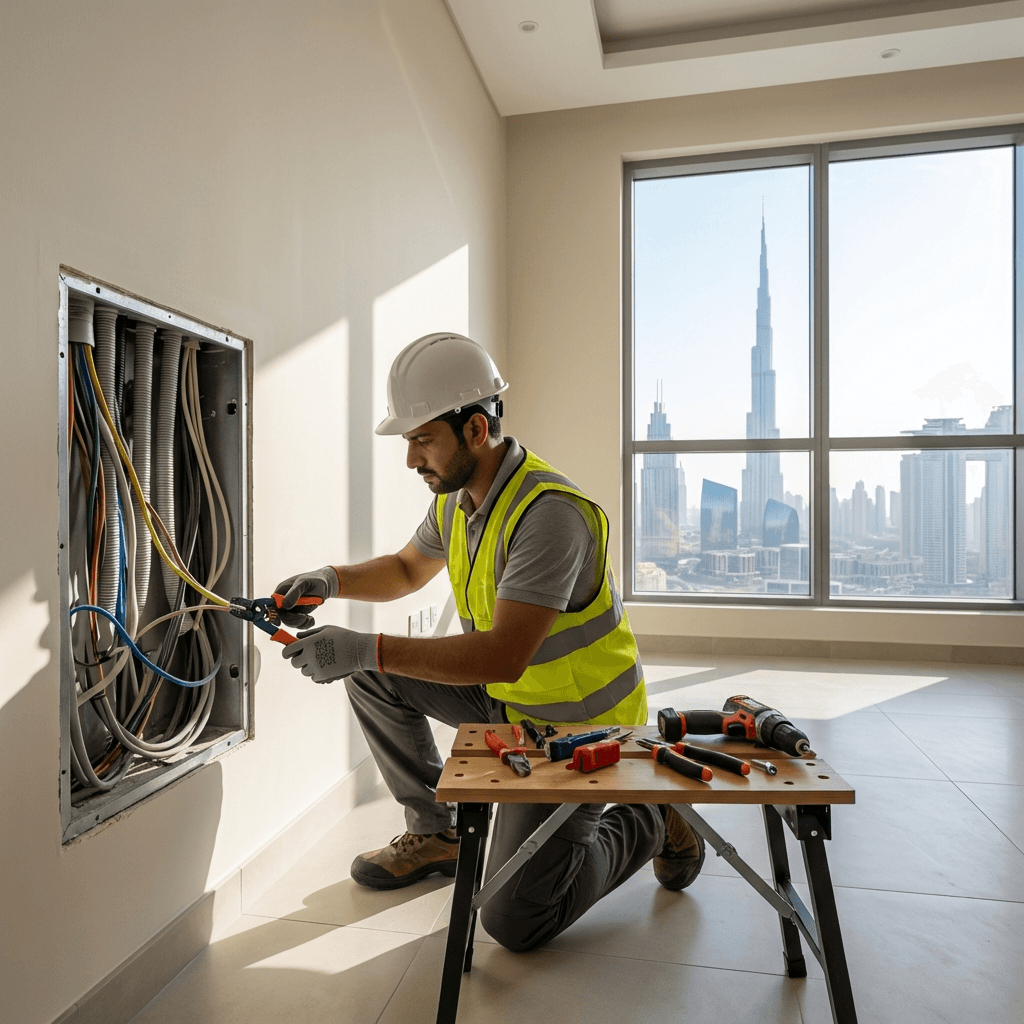
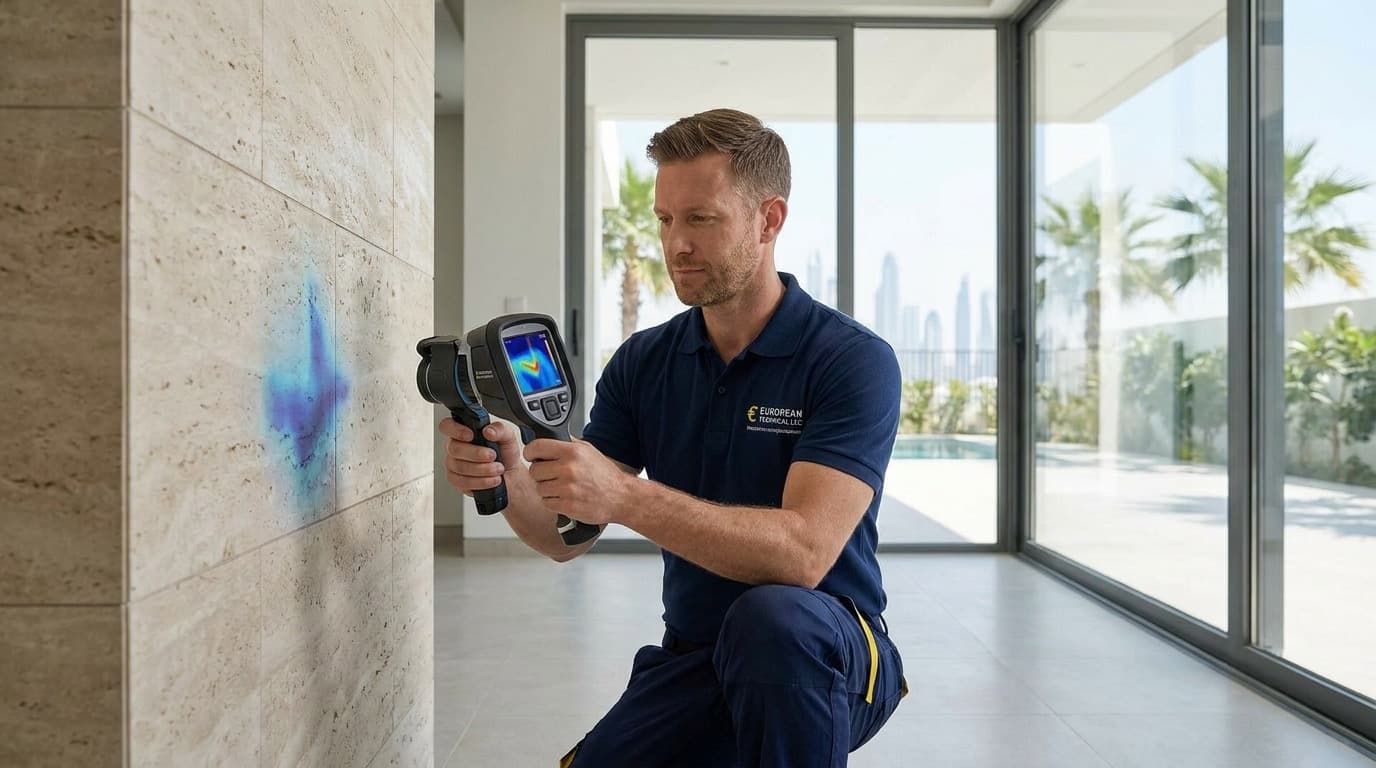
Electrical fires are the leading cause of residential fires in Dubai. The high electricity demand from air conditioning, combined with ageing wiring in older properties, creates significant risk.
Warning signs include:
- Flickering lights or dimming when appliances start
- Warm or discoloured outlets and switches
- Burning smell from outlets or electrical panels
- Frequent circuit breaker trips
- Buzzing or crackling sounds from switches
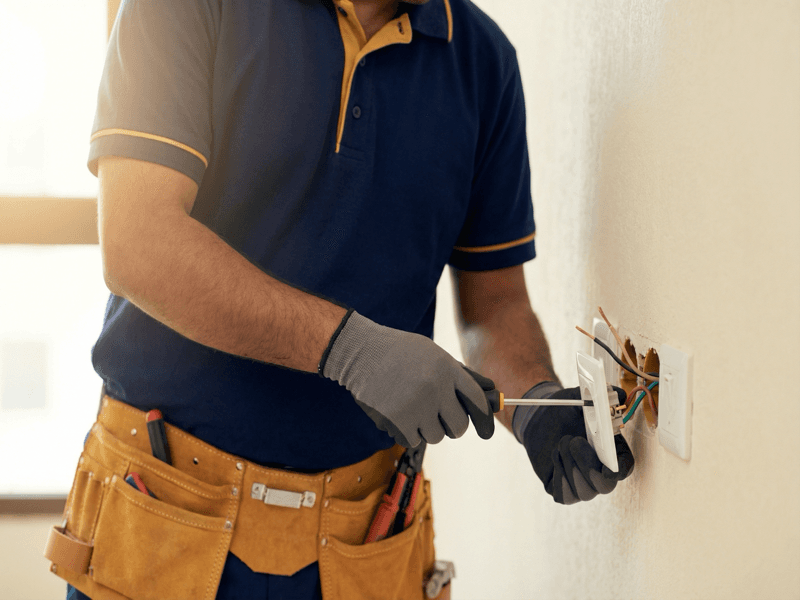
If you notice any of these signs, contact a DEWA-approved electrician immediately. Don't wait for the situation to worsen.
Kitchen Fires
Cooking is the second most common cause of home fires. Oil fires, forgotten stovetops, and malfunctioning appliances all pose risks.
Prevention measures:
- Never leave cooking unattended, especially when frying
- Keep flammable items (tea towels, paper, curtains) away from the stove
- Have a fire blanket accessible in the kitchen
- Ensure your kitchen appliances are well-maintained
- Turn pot handles inward to prevent accidental spills
Never use water on an oil fire. Smother it with a lid or fire blanket instead.
Air Conditioning Units
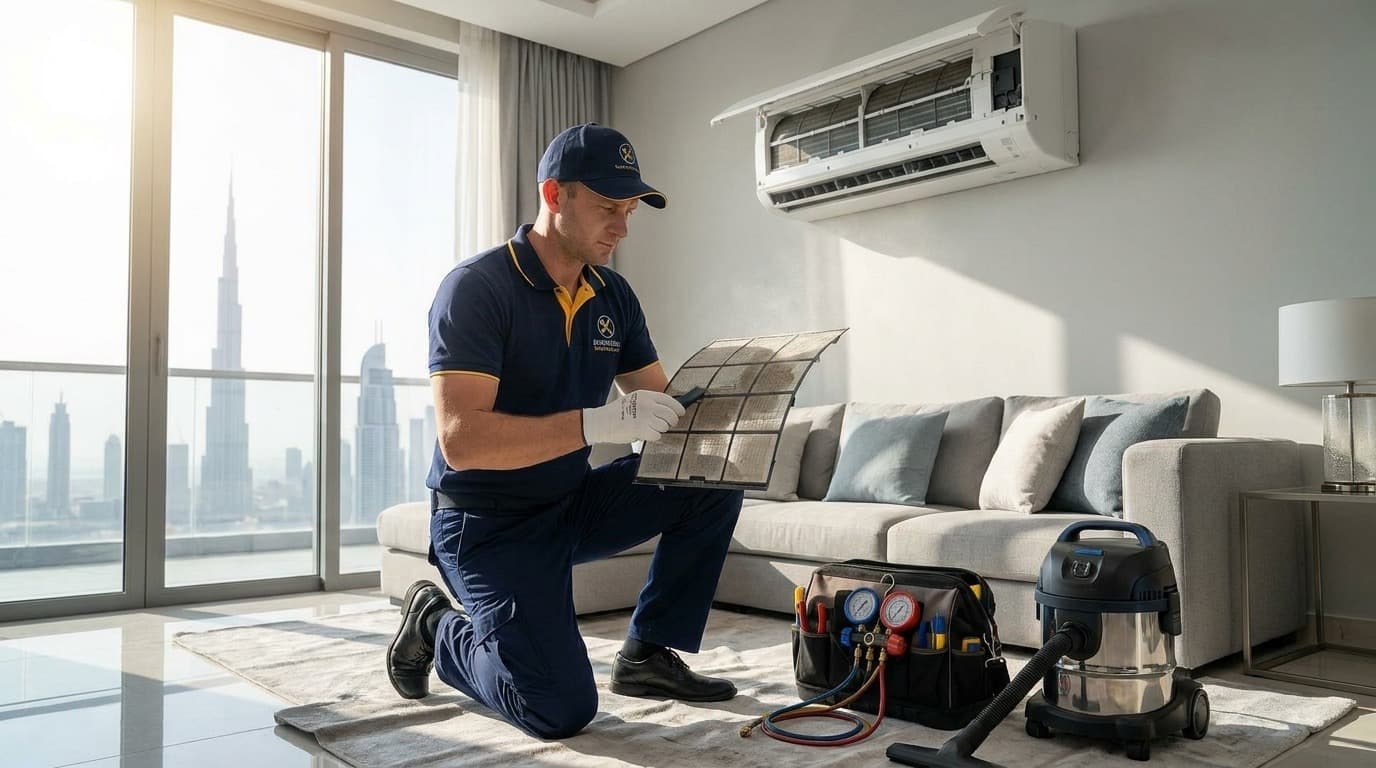
Poorly maintained AC units can overheat and cause fires. With Dubai's reliance on air conditioning, this is a particular concern here.
Risk factors:
- Clogged filters restricting airflow
- Electrical faults in older units
- Overworked compressors
- Faulty wiring or connections
Regular AC maintenance significantly reduces this risk. At minimum, have your AC serviced twice yearly before summer and winter.
Portable Heaters and Appliances
During Dubai's mild winter months, some residents use portable heaters. These can be fire hazards if not used correctly.
- Keep heaters at least one metre from flammable materials
- Never leave heaters running unattended or overnight
- Plug directly into wall outlets, not extension cords
- Turn off when leaving the room
Essential Fire Safety Equipment
Having the right equipment can mean the difference between a minor incident and a catastrophic fire.
Smoke Detectors
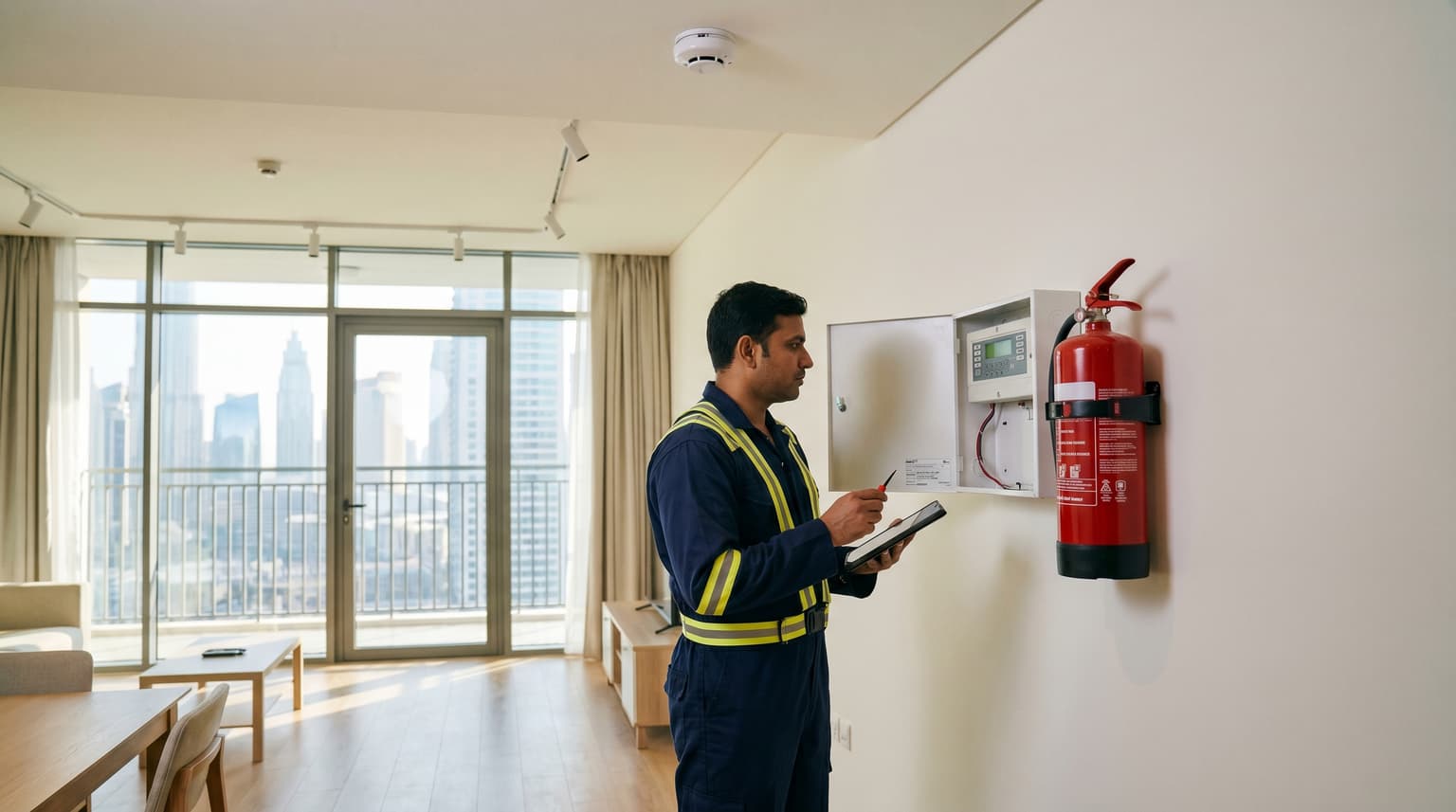
Smoke detectors should be installed in every bedroom, hallway, and common area. Battery-operated detectors are common in Dubai homes.
Maintenance checklist:
- Test monthly by pressing the test button
- Replace batteries annually (or when the low battery chirp starts)
- Replace entire units every 10 years
- Clean dust from sensors every few months
- Never disable a detector because it's "too sensitive"
Interconnected detectors that all sound when one is triggered provide better protection, especially in larger villas.
Fire Extinguishers
Every home should have at least one fire extinguisher, ideally more than one.
Where to place them:
- Kitchen (ABC or BC rated for grease fires)
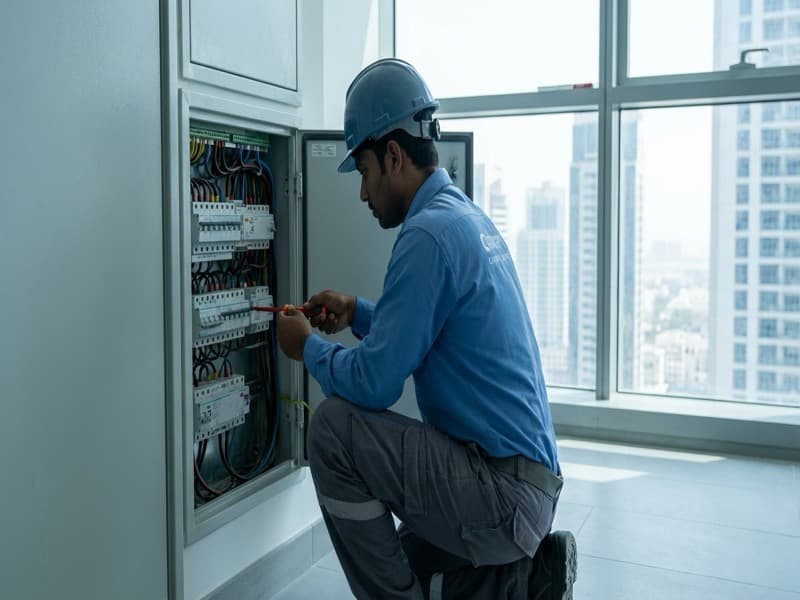
- Near electrical panels
- Garage or workshop areas
- Near bedrooms on upper floors
Remember PASS:
- Pull the pin
- Aim at the base of the fire
- Squeeze the handle
- Sweep side to side
Fire extinguishers need annual professional inspection. cheque the pressure gauge monthly-the needle should be in the green zone.
Fire Blankets
Fire blankets are excellent for kitchen fires and should be mounted near your cooking area. They're simple to use and don't expire like extinguishers.
To use: Pull down sharply to release, hold in front of you to protect yourself, and cover the fire completely, cutting off oxygen.
Emergency Lighting
Power often fails during fires. Keep torches in accessible locations, particularly near exits. Battery-operated emergency lights that activate during power cuts are worth considering.
Creating Your Fire Escape Plan
Every household needs a fire escape plan. It sounds dramatic, but in an emergency, panic takes over and people forget basic things.
Planning Your Escape Routes
For apartments:
- Identify primary and secondary exits from every room
- Know your building's fire escape routes
- Never use lifts during a fire-use stairs only
- Identify assembly points outside the building
For villas:
- Plan two ways out of every room (door and window)
- Ensure windows on upper floors have escape ladders if needed
- Keep hallways and exits clear of clutter
- Designate a meeting point outside, away from the building
practise Makes Perfect
Run fire drills with your family twice a year. Yes, it feels silly, but it works. Children especially benefit from practising what to do.
What to practise:
- How to test doors for heat before opening
- Staying low under smoke
- Not stopping to collect belongings
- Meeting at your designated assembly point
- Not re-entering the building for any reason
Special Considerations
If you've elderly family members, young children, or anyone with mobility issues, plan so:
- Assign someone to assist them during evacuation
- Keep wheelchairs or walking aids near exits
- Consider ground-floor bedrooms if climbing stairs is difficult
- Alert neighbours who might need to help in an emergency
Fire Prevention Maintenance
Regular maintenance prevents most fire incidents. Add these checks to your home maintenance routine.
Monthly Checks
- Test all smoke detectors
- cheque fire extinguisher pressure gauges
- Inspect electrical outlets for damage or warmth
- Clear lint from dryer filters and vents
- cheque that emergency exits are unobstructed
Quarterly Checks
- Clean behind major appliances to remove dust buildup
- Inspect power cords for fraying or damage
- cheque outdoor lighting and electrical fixtures
- Clean AC filters and inspect units for issues
Annual Maintenance
- Professional electrical inspection
- AC system servicing
- Fire extinguisher professional inspection
- Dryer vent professional cleaning
- Review and update your fire escape plan
What to Do If Fire Breaks Out
Despite all precautions, fires can still happen. Knowing how to respond is important.
Small Fires (Contained to One Object)
If the fire is very small and contained (a pan, small appliance), you might be able to extinguish it:
- Alert everyone in the home immediately
- Use your fire extinguisher or fire blanket
- If it doesn't go out in seconds, evacuate
- Never risk your safety fighting a fire
Larger Fires (Spreading Beyond Initial Source)
- Get out immediately - don't try to fight it
- Close doors behind you to slow fire spread
- Alert others as you evacuate
- Call 999 once safely outside
- Don't go back for anything, ever
If You're Trapped
If you can't reach an exit:
- Close the door between you and the fire
- Seal gaps under doors with wet towels or clothing
- Call 999 and tell them your exact location
- Signal from a window if possible
- Stay low where air is clearer
- Do not break windows unless necessary (can draw fire toward you)
After a Fire
Once the fire is out and Civil Defence has cleared your property, you'll need to assess damage and begin recovery.
Safety First
- Don't enter until Civil Defence gives permission
- Be alert for structural damage
- Don't use electrical systems until inspected
- Watch for hot spots that could reignite
Documentation for Insurance
- Photograph all damage before cleaning
- Make a detailed inventory of damaged items
- Get Civil Defence incident report
- Contact your insurance company immediately
- Keep receipts for all temporary accommodation and expenses
Professional Assessment
Before occupying the property again, you'll need:
- Electrical inspection: Fire often damages wiring, even in areas that don't show visible damage
- Structural assessment: Particularly important for walls, ceilings, and load-bearing elements
- Smoke damage evaluation: Smoke can permeate materials and require specialised cleaning
Our maintenance team can coordinate these assessments and handle repairs once you're cleared to proceed.
Fire Safety for Different Property Types
Apartments
Living in an apartment building means shared responsibility:
- Don't block communal hallways or fire exits with personal items
- Report fire safety issues to building management immediately
- Attend building fire drills
- Know where building fire fighting equipment is located
- Be aware that your actions affect your neighbours' safety
Villas
Villa owners have complete responsibility for fire safety:
- Install and maintain all required safety equipment
- Ensure renovations include proper fire safety measures
- Keep garden areas clear of dry vegetation near buildings
- Maintain clear access for emergency vehicles
- Consider whole-house fire alarm systems
Townhouses
Townhouses present unique challenges as fires can spread between units:
- Pay extra attention to shared walls
- Coordinate with neighbours on fire safety
- Be vigilant about BBQ use and outdoor fire risks
- Ensure any modifications to shared structures maintain fire ratings
Frequently Asked Questions
How often should I replace smoke detector batteries?
Replace batteries annually, or immediately when you hear the low battery warning chirp. Many people choose to do this at the same time each year (perhaps at the start of Ramadan or New Year) to make it easy to remember.
Are fire extinguishers mandatory in Dubai homes?
Yes, all residential properties in Dubai are required to have at least one working fire extinguisher. Villa owners typically need multiple extinguishers depending on property size.
What type of fire extinguisher should I buy for home use?
An ABC-rated fire extinguisher is most versatile for home use, as it works on ordinary combustibles, flammable liquids, and electrical fires. For kitchens, a BC or ABC rated extinguisher is essential for grease fires.
How much does a fire safety inspection cost in Dubai?
Professional fire safety inspections for villas typically cost AED 300-800 depending on property size. This includes checking all equipment, testing alarms, and providing a compliance report. This is often included in complete Annual Maintenance Contracts.
Can I do my own electrical safety checks?
You can do visual checks for obvious damage, but electrical systems should be inspected by DEWA-approved electricians. DIY electrical work is dangerous and illegal in Dubai without proper certification.
What should I do if my smoke detector keeps giving false alarms?
First, clean the unit-dust can cause false alarms. If problems persist, the detector might be positioned too close to bathrooms or kitchens where steam triggers it, or it may need replacing. Never disable a detector completely.
Get Professional Support
Fire safety is too important to leave to chance. If you're concerned about your property's fire safety, need equipment installed, or want a complete safety cheque, we can help.
European Technical provides complete fire safety support including:
- Fire safety equipment installation
- Smoke detector installation and testing
- Electrical safety inspections
- AC maintenance to prevent electrical fires
- Property safety assessments
Contact us for a fire safety assessment of your Dubai property. Call +971 58 544 1160 or book online today.