Pre-Purchase Property Inspection Guide for Dubai Homebuyers
Buying property in Dubai represents a significant financial commitment, often ranging from hundreds of thousands to millions of dirhams. Yet many buyers skip thorough inspections, relying on surface appearance and developer reputation to guide decisions worth years of income. That's a mistake that can cost tens of thousands in unexpected repairs, uncover hidden defects after purchase when use is gone, or saddle you with systemic problems that plague your entire ownership period.
This guide provides a systematic inspection system for evaluating properties before purchase, identifying red flags specific to Dubai construction and climate, and knowing when to walk away versus negotiate repair credits.
Why Dubai Properties Need Careful Inspection
"It's a new build, it doesn't need inspection" - this assumption causes more buyer regret than any other.
Dubai's rapid construction boom, extreme climate, and diverse contractor standards create unique property challenges:
Common hidden problems:
- AC systems undersized for property square footage (runs constantly, never truly cools)
- Substandard waterproofing leading to leak damage within 2-3 years
- Electrical installations that don't meet DEWA code (safety hazards and certification problems)
- Plumbing using inferior materials that fail prematurely
- Cosmetic finishes covering structural or system flaws
- Handover with incomplete or non-functional systems
Even new properties from reputable developers have defects. Your inspection identifies them while you still have negotiating power.
Resale properties carry different risks: deferred maintenance, modifications that violated building codes, undisclosed damage, or systems at end-of-life requiring immediate expensive replacement.
When to Conduct Your Inspection
Timing matters significantly:
During Viewing Stage (Informal Assessment)
Quick visual inspection during property viewings helps you shortlist candidates. You're looking for obvious red flags that eliminate properties before deeper investment.
After Initial Offer, Before Final Commitment
Once you've identified your preferred property and made an initial offer, conduct formal inspection before signing the final sales contract or MOU. This inspection informs your final decision to proceed, negotiate, or withdraw.
In Dubai's hot market, sellers may resist lengthy inspection periods. Build inspection contingency into your offer: "Offer subject to satisfactory inspection within 7 days." Most reasonable sellers accept this as standard due diligence.
Final Pre-Handover Inspection (New Builds)
For off-plan purchases, conduct thorough inspection during your official handover appointment. Don't sign handover completion until you've verified everything works correctly. Document all defects for developer remediation.
Inspection Tools and Preparation
What to bring:
- Smartphone with good camera and flashlight
- Measuring tape
- Electrical outlet tester (simple plug-in device showing wiring faults)
- Spirit level (check for settling or structural issues)
- Binoculars (inspect exterior areas from inside)
- Notepad or tablet for observations
- Copy of property specifications and floor plans
What to wear:
- Comfortable clothes that allow climbing, kneeling, reaching
- Closed-toe shoes with good grip
- Light-coloured clothes that show dirt/water easily (helps spot leaks)
How long to allocate:
- Studio/1-bedroom: 1-2 hours
- 2-3 bedroom apartment: 2-3 hours
- Villa (3-4 bedroom): 3-4 hours
- Large villa (5+ bedroom): 4+ hours
Don't rush. Systematic inspection reveals issues that quick walk-throughs miss.
Exterior Inspection (Villas and Ground-Floor Units)
Start outside before entering. Exterior condition predicts interior investment needs.
Building Structure and Foundation
Look for:
- Cracks in exterior walls: Hairline cracks are common (thermal expansion), but cracks wider than 3mm or diagonal cracks indicate potential structural settling
- Staining patterns: Water stains suggest drainage problems or roof leaks
- Paint condition: Excessive peeling or bubbling indicates water intrusion behind surface
- Level and plumb: Use spirit level on windowsills and door frames - if significantly off level, foundation may have settled
- Render/plaster condition: Loose or hollow-sounding sections (tap with knuckles) indicate failing adhesion
Red flags:
- Large diagonal cracks from corners
- Visible foundation movement or separation
- Widespread staining patterns
- Recent cosmetic repairs covering problems (fresh paint over damaged areas)
Roof Condition (Villas)
Most villas have flat roofs with membrane waterproofing. Roof problems are expensive and cause extensive interior damage.
Check from ground with binoculars:
- Pooling water areas (indicates inadequate drainage slope)
- Membrane condition: cracking, lifting, or obvious damage
- Roof penetrations (AC units, vents, solar panels): proper flashing and sealing?
- Debris accumulation (blocks drains)
If possible to access safely:
- Walk the roof checking for soft spots (water damage underneath)
- Verify drainage outlets are clear
- Check waterproofing membrane for cracks, holes, or lifting edges
- Inspect roof-mounted equipment mounting and sealing
Many buyers skip roof inspection because it's not easily accessible. That's exactly why sellers hope you'll skip it.
Exterior Doors and Windows
Test every door and window:
- Opens and closes smoothly without sticking or scraping
- Locks engage properly and operate smoothly
- Weather stripping intact and properly seated
- Frames square and level (use spirit level)
- No gaps around frames allowing air/water infiltration
Check seals:
- Run your hand around closed door/window frames feeling for air leaks
- Look for water staining on interior sills or walls below windows
- Verify drainage weep holes in window frames aren't blocked
Poor sealing wastes massive AC energy and allows sand/dust/water infiltration.
Balconies and Terraces
Inspect:
- Waterproofing condition: cracks, bubbling, peeling
- Drainage: does water pool or drain freely?
- Railings: secure mounting, no wobble, meets height requirements
- Tile condition: cracks, loose tiles, grout deterioration
- Connection to building: signs of water penetration at junction
Test by pouring water:
- Check drainage slope and speed
- Verify water doesn't pool against door thresholds
- Confirm drains aren't blocked
Balcony waterproofing failure is among the most common and expensive defects in Dubai properties.
Landscaping and Drainage (Villas)
Assess:
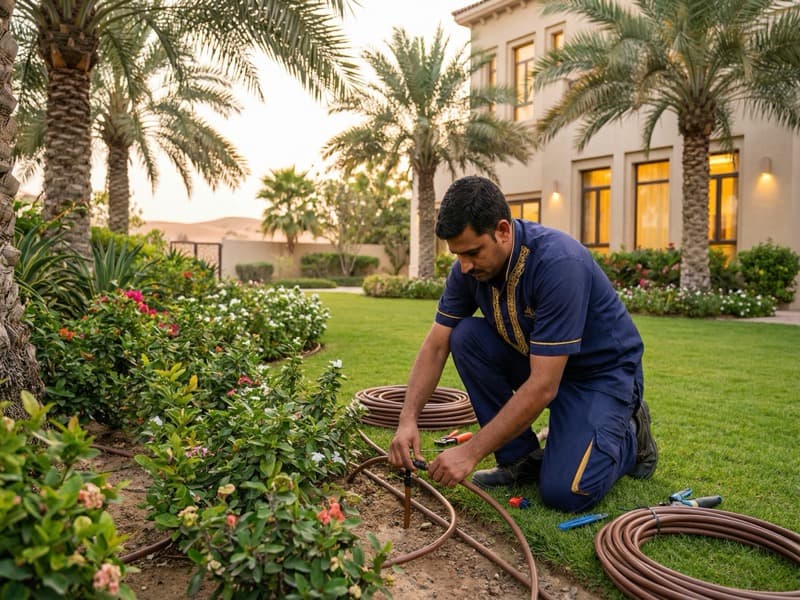
- Irrigation system function: turn on and check all zones
- Drainage patterns: does water flow away from the house?
- Pavement condition: cracks, settling, drainage problems
- Tree/plant health: dead plants may indicate irrigation failure
- Erosion or settling near foundation
Poor drainage causes foundation problems, flooding during rare heavy rains, and persistent moisture issues.
External Utilities
Verify:
- AC outdoor units: condition, age (check manufacturer labels), proper mounting
- Electrical panel: accessible, proper weather protection, DEWA sticker current
- Water metre and supply: leaks, proper valve function
- Gas connections (if applicable): no corrosion, proper installation
Interior Inspection: Structural and Major Systems
Walls, Ceilings, and Floors
Inspect each room systematically:
Walls:
- Cracks: note location, width, pattern
- Staining: especially ceiling/wall joints, window areas, exterior walls
- Paint/finish condition: bubbling, peeling, or patches suggest water problems
- Sound: tap sections listening for hollow areas (failing plaster)
- Levelness: significant bowing or waviness indicates structural or settling issues
Ceilings:
- Staining (typically brown or yellow from water damage)
- Sagging or uneven sections
- Cracks, especially at corners or around fixtures
- Condition around AC vents and light fixtures
Floors:
- Tile/stone: cracks, loose tiles (tap to hear hollow sound), lippage (uneven edges)
- Wood/laminate: warping, buckling, water damage, gaps
- Carpet: staining, wear, smell (moisture or pet issues), padding condition underneath
- Levelness: use spirit level, significant slopes indicate settling
Major red flags:
- Water staining patterns anywhere (indicates active or recent leaks)
- Multiple repairs or patches in ceiling (repeat AC or roof leak problems)
- Diagonal cracks in walls
- Springy or soft spots in floors (subfloor damage)
Windows and Interior Doors
Every window and door:
- Operate smoothly without sticking
- Locks work properly
- Frames square and intact
- Glass undamaged (chips, cracks, seal failure in double-pane units)
- No condensation between double-pane glass (seal failure if present)
Interior doors:
- Hang properly without scraping
- Hardware secure and functional
- No warping or water damage at base
- Even gaps around frame when closed
Sticky doors and windows may indicate foundation settling or frame movement.
Interior Inspection: Systems and Utilities
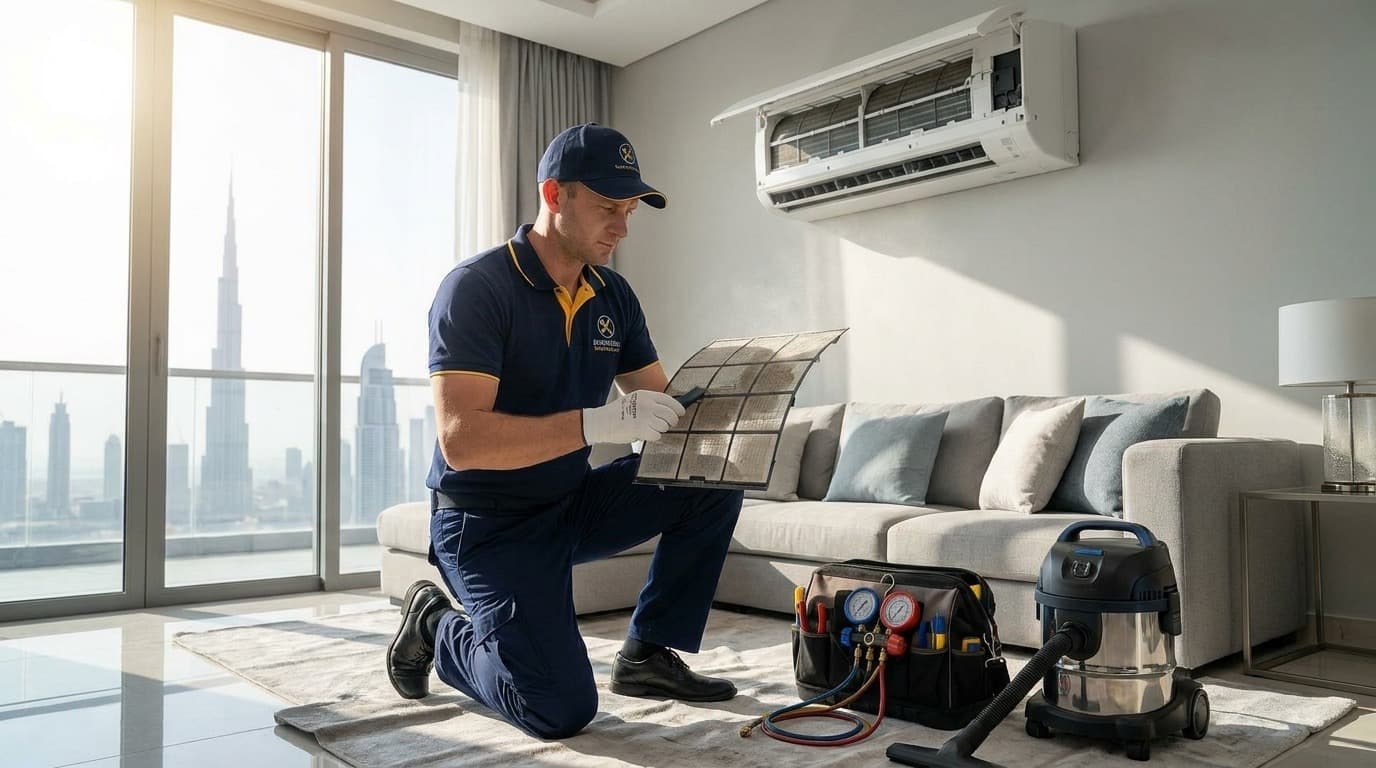
Air Conditioning System
AC is your highest-cost system in Dubai. Thorough evaluation is critical.
For each AC unit:
- Age: Check manufacturer label (units over 7-10 years are near end-of-life)
- Operation: Turn on, verify cold air within 5-10 minutes
- Airflow: Strong airflow from all vents
- Temperature: Use smartphone thermometer app - should achieve 10-15°C temperature drop from intake to output
- Noise: Unusual sounds indicate mechanical problems
- Drainage: Check drain line drips water when running (confirms drainage works)
- Filters: Inspect condition (dirty filters indicate poor maintenance)
Check outdoor units:
- Age and condition
- Proper mounting and vibration isolation
- No physical damage or corrosion
- Refrigerant lines insulated and undamaged
For centralized AC systems:
- Verify all rooms cool evenly and adequately
- Check main AHU (air handling unit) location and condition
- Assess ductwork where visible: insulation intact, no visible damage
- Ask for maintenance records showing regular servicing
Red flags:
- System can't achieve comfortable temperature (20-22°C) within 20 minutes
- Uneven cooling (some rooms cold, others warm)
- Excessive noise or vibration
- Water leaks from indoor units or condensation on outdoor lines
- No maintenance records for system over 2 years old
- Unit age over 8 years (budget for replacement soon)
Undersized AC systems plague many Dubai properties. The unit runs constantly but never cools adequately. This is a disaster in summer and expensive to remedy.
If in doubt, hire an AC specialist for detailed system assessment before purchase.
Electrical System
Check:
- Main panel: Properly labelled breakers, appropriate amperage for property size, DEWA certification current
- Outlets: Test every outlet with outlet tester (shows wiring faults)
- Switches: All functional and control correct fixtures
- Lighting: All fixtures work, no flickering or dimming
- Ground fault (RCD): Test GFI outlets in bathrooms and kitchen trip properly
- Special circuits: Oven, water heater, AC units on appropriately rated circuits
Red flags:
- Outlets/switches not working
- Flickering or dimming lights
- Burn marks around outlets or switches
- Exposed wiring or improper connections
- Breakers that feel hot
- Insufficient outlets (indicates need for expensive rewiring to add more)
- Missing DEWA certification
- Modifications that look unprofessional
Electrical issues are safety hazards and expensive to remedy. Don't compromise on electrical system condition.
Plumbing System
Test every water source:
Sinks, showers, tubs:
- Turn on hot and cold water at full pressure
- Verify good pressure (fill a 1-litre bottle in under 10 seconds)
- Check water heats within 30-60 seconds
- Look under sinks for leaks while water runs
- Check drain speed (should empty quickly without gurgling)
Toilets:
- Flush and verify strong, complete flush
- Check tank refills properly and shuts off
- Look for leaks around base
- Listen for running water after flush completes (indicates valve leak)
Water heater:
- Age and condition (typically 8-12 year lifespan)
- Signs of leaking or corrosion
- Proper installation and ventilation
- Pressure relief valve present and functioning
Throughout property:
- Water pressure consistency across all fixtures
- No visible pipe leaks or corrosion
- Proper hot water temperature (50-60°C)
- No water hammer (banging when valves close quickly)
- Floor drains in bathrooms, laundry, balconies drain freely
Red flags:
- Weak water pressure
- Fluctuating pressure (indicates supply or pump problems)
- No hot water or excessively slow heating
- Visible leaks anywhere
- Water stains under sinks or around fixtures
- Rust-coloured water (corroded pipes)
- Slow drains or gurgling sounds (blockages or venting issues)
Ask for water tank cleaning certificates (should be cleaned every 6 months by Dubai Municipality standards).
Kitchen Appliances
If appliances are included, test each thoroughly:
Oven/stove:
- All burners/elements heat properly
- Oven reaches temperature and maintains it
- Door seals properly
- No gas smell (gas ranges)
Refrigerator:
- Cools to proper temperature (2-4°C fridge, -18°C freezer)
- No excessive noise or vibration
- Ice maker works (if equipped)
- Door seals intact
Dishwasher:
- Runs complete cycle
- No leaks during operation
- Drains properly
- No unusual noise
Check warranties and age of included appliances. Budget for replacements if approaching end of typical lifespan (7-12 years depending on type).
Bathroom Fixtures and Waterproofing
Bathrooms are high-risk areas for hidden water damage:
Showers and tubs:
- Grout and caulk condition: cracks or gaps allow water infiltration
- Tile work: look for loose tiles or hollow sounds when tapped
- Glass doors: seals intact, proper closing, no leaks
- Shower pan: no cracks, proper drainage slope
Floors:
- Soft spots indicate water damage to subfloor (serious problem)
- Tile condition and grout integrity
- Waterproofing membrane (hidden but evidenced by lack of water damage)
Ventilation:
- Exhaust fan works and vents outside (not into ceiling field)
- Adequate ventilation to prevent moisture buildup
Test by running shower for 10 minutes:
- Check for leaks from below (if accessible)
- Verify floor drains work and water doesn't pool excessively
- Assess humidity removal rate with ventilation
Poor bathroom waterproofing is expensive to repair, often requiring full bathroom renovation.
Building Systems (Apartments)
Common Areas and Building Maintenance
Inspect:
- Entrance lobby: condition indicates overall building maintenance standards
- Elevators: smooth operation, current maintenance certificates visible
- Hallways and stairs: clean, well-lit, well-maintained
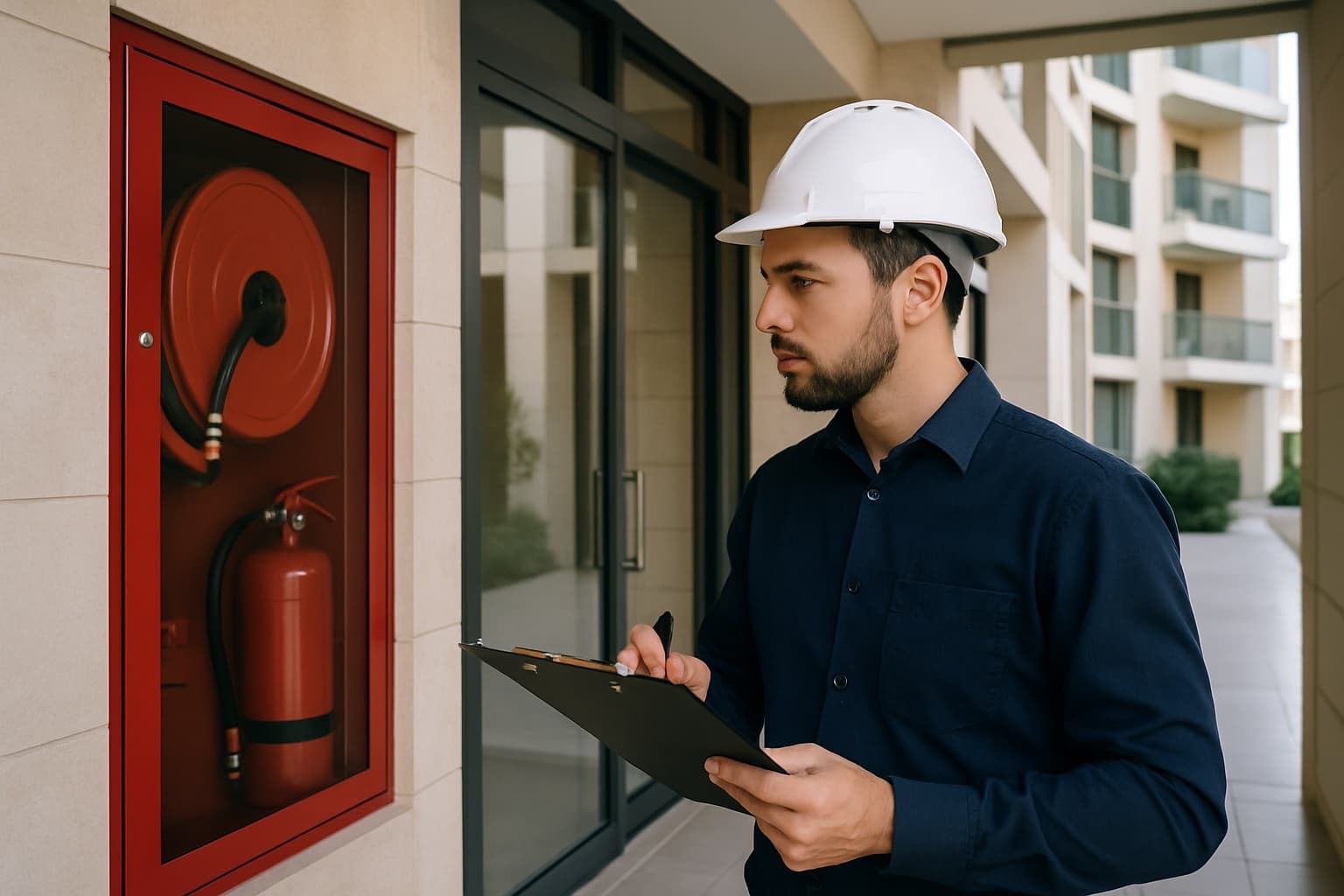
- Fire safety: extinguishers current, exit signs functional, stairwells clear
- Building cleanliness: indicates management standards
Ask about:
- Building maintenance schedule and service contracts
- Common area repair history
- Elevator breakdown frequency
- Recent building-wide issues
A well-maintained building suggests good management and lower likelihood of special assessment fees for deferred maintenance.
Parking and Storage
Verify:
- Your designated parking field(s): location, size, condition
- Storage unit (if included): security, condition, proper enclosure
- Parking area lighting and security
- Building access from parking area
Check in documents:
- Parking and storage officially registered to your unit
- No disputes or encroachments from neighbours
Legal and Administrative Checks
Your physical inspection must be paired with legal/administrative due diligence:
Essential Documents to Review
For any property:
- Title deed verification: Ownership clear, no liens or encumbrances
- Sales contract review by lawyer: Terms, conditions, liabilities clearly understood
- Service charge history: Recent amounts paid and any arrears
- No Objection Certificate (NOC) from developer/master developer
- DEWA clearance: No outstanding utilities bills
For apartments:
- Building management company and contract
- Community rules and regulations
- Recent AGM minutes (reveals building issues and conflicts)
- Special assessments pending or planned
For villas in communities:
- Homeowners association rules and fees
- Community maintenance responsibilities
- Any planned community infrastructure work
For off-plan:
- Payment schedule and terms
- Handover specifications and inclusions
- Completion timeline and penalty clauses for delays
Red flags in documents:
- Outstanding bills or arrears
- Pending legal disputes
- Restrictions on resale or rental
- Special assessments planned for major building repairs
- Unclear title or ownership disputes
Property History Research
Investigate:
- Previous sale prices and dates (indicates market trends and problems)
- Rental history if applicable
- Insurance claims history (water damage, fire, other incidents)
- Building permit history (renovations, additions, modifications)
Ways to research:
- Land Department records
- Building management
- Previous owner disclosures
- Online property portals historical data
Red Flags That Should Stop Purchase
Some issues are negotiable repair items; others should end your purchase interest:
Walk away if:
- Major structural damage (foundation failure, significant settling, large structural cracks)
- Active water infiltration with no identifiable source
- Electrical systems that don't meet current DEWA codes and require full replacement
- Undersized AC system requiring complete replacement (AED 50,000+ for villas)
- Undisclosed major building assessments pending
- Title problems or legal disputes
- Evidence of unpermitted construction or code violations
- Building with pattern of serious maintenance issues or systemic failures
Negotiate hard or walk away if:
- AC units 8+ years old
- Water heater 10+ years old
- Extensive deferred maintenance across multiple systems
- Recent water damage without proof of complete remediation
- Multiple systems near end-of-life requiring replacement soon
- No maintenance records for major systems
Negotiating After Inspection
Your inspection report is negotiating use. Use findings strategically:
Categorise Defects
Safety/code violations:
- Must be fixed before you'll close
- Seller responsibility to bring to code
Major systems near failure:
- Negotiate purchase price reduction to cover replacement cost
- Or require seller replacement before closing
Minor repairs and cosmetic issues:
- Lower priority, may accept as-is with price adjustment
- Bundle multiple minor items into single credit
Present Findings Professionally
Don't:
- Present findings as list of complaints
- Ask for perfection (unreasonable)
- Nickel-and-dime over trivial items
Do:
- organise findings by severity and category
- Get professional quotes for major repairs
- Present reasonable requests backed by facts
- Be willing to walk away if seller won't address legitimate major issues
Example approach: "Inspection revealed AC system is 9 years old and showing signs of reduced efficiency. Professional assessment estimates 2-3 years remaining life with replacement cost of AED 35,000. Request AED 30,000 purchase price reduction to offset near-term replacement."
Hiring Professional Inspectors
While this guide enables thorough self-inspection, professional inspectors bring expertise and liability coverage:
When to hire professional:
- High-value properties (over AED 2 million)
- Properties over 10 years old
- Villas (more complex systems than apartments)
- Properties where you identified concerns but lack expertise to assess severity
- When seller resistance to personal inspection is high
What professionals provide:
- Detailed written report with photos
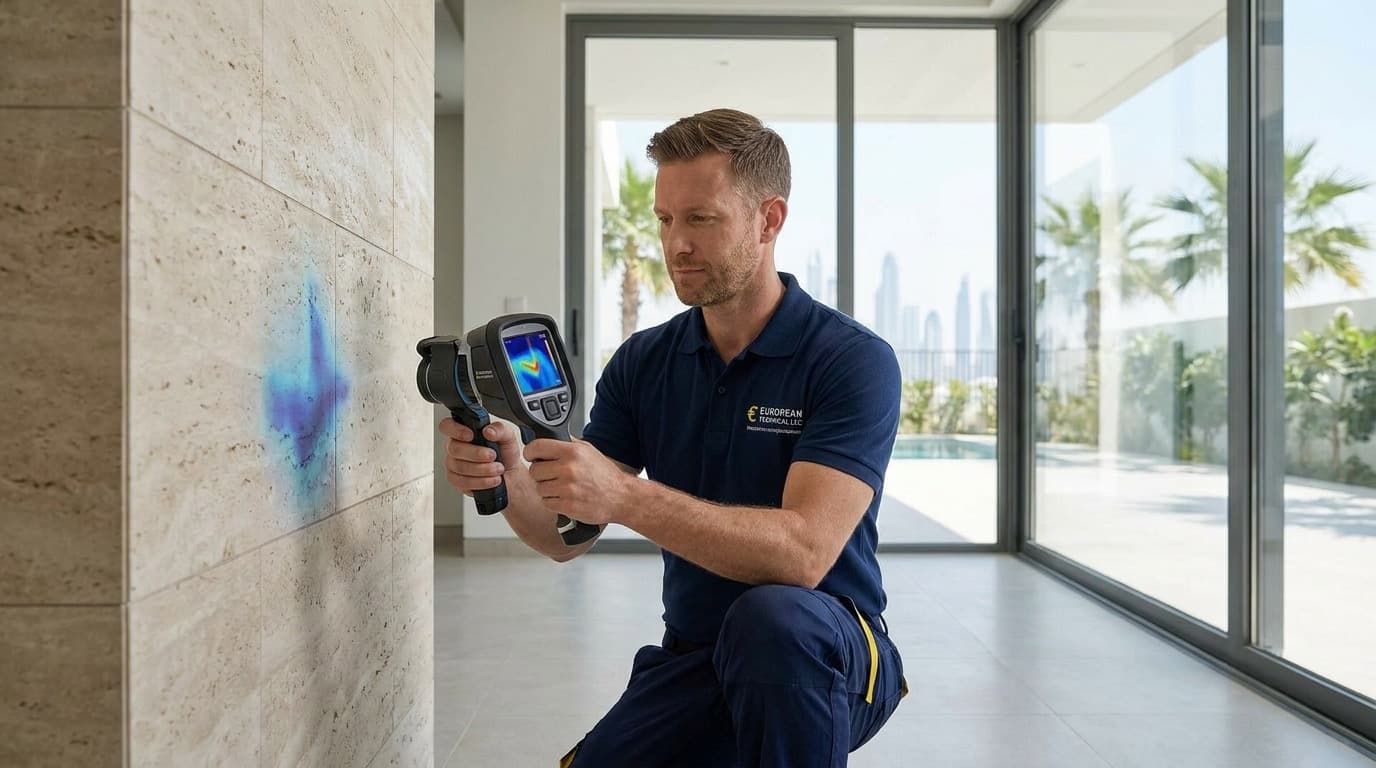
- specialised testing equipment (thermal imaging, moisture meters, pressure tests)
- Expertise in building codes and standards
- Liability coverage if they miss significant defects
- Objective third-party assessment
Professional inspection costs: AED 1,500-5,000 depending on property size and scope.
Given the stakes of property purchase, professional inspection is usually a wise investment that pays for itself many times over if it identifies significant issues.
Final Pre-Handover Inspection (New Builds)
Don't sign handover documents until you've completed this checklist:
Completeness Check
- All finishes as per specifications
- All appliances installed and functional
- All fixtures present and working
- Doors and windows all installed with hardware
- Flooring complete with proper finishing
- Paint complete and to standard
Functionality Check
- All electrical outlets, switches, lighting work
- All plumbing fixtures work with proper pressure
- AC systems cool all rooms adequately
- All doors and windows operate smoothly and lock properly
- All appliances included in unit operate correctly
Quality Check
- Finishes meet acceptable quality standards
- No visible defects in tiles, paint, fixtures
- Proper grouting and caulking throughout
- All surfaces clean and undamaged
Document every defect with photos. Create a snagging list for developer to remedy. Many developers have 7-30 day remedy periods for defects identified at handover.
Do not sign off on handover completion until satisfied, or you lose use for repairs.
Conclusion
Property inspection isn't about finding the perfect property - that doesn't exist. It's about understanding exactly what you're buying: the good, the bad, and the hidden. Armed with thorough inspection findings, you make informed decisions about whether to proceed, negotiate, or walk away.
In Dubai's fast-moving property market, thorough inspection is your defence against expensive surprises and buyer's remorse. The hours you invest inspecting now save tens of thousands of dirhams and years of frustration dealing with problems you could have identified before you bought.
If inspection reveals issues beyond your assessment ability, bring in specialists: AC system evaluation, electrical safety assessment, plumbing inspection, or complete property inspection services.
Your home is likely your largest purchase. Inspect it like your financial future depends on it - because it does.