Why Your Electricity Bill Is So High in Dubai (And How to Fix It)
That DEWA bill just arrived and the number is worse than last month. You are not imagining it, electricity costs in Dubai are genuinely high, especially from May to September when your AC runs almost non-stop.
The good news: most of the reasons are fixable. Where your money is actually going and what to do about it.
Your AC Is the Main Culprit
Air conditioning accounts for 60-70% of a typical Dubai electricity bill. In a 3-bedroom villa, the AC alone can cost AED 1,500-2,500 per month during peak summer.
The three biggest AC-related drains:
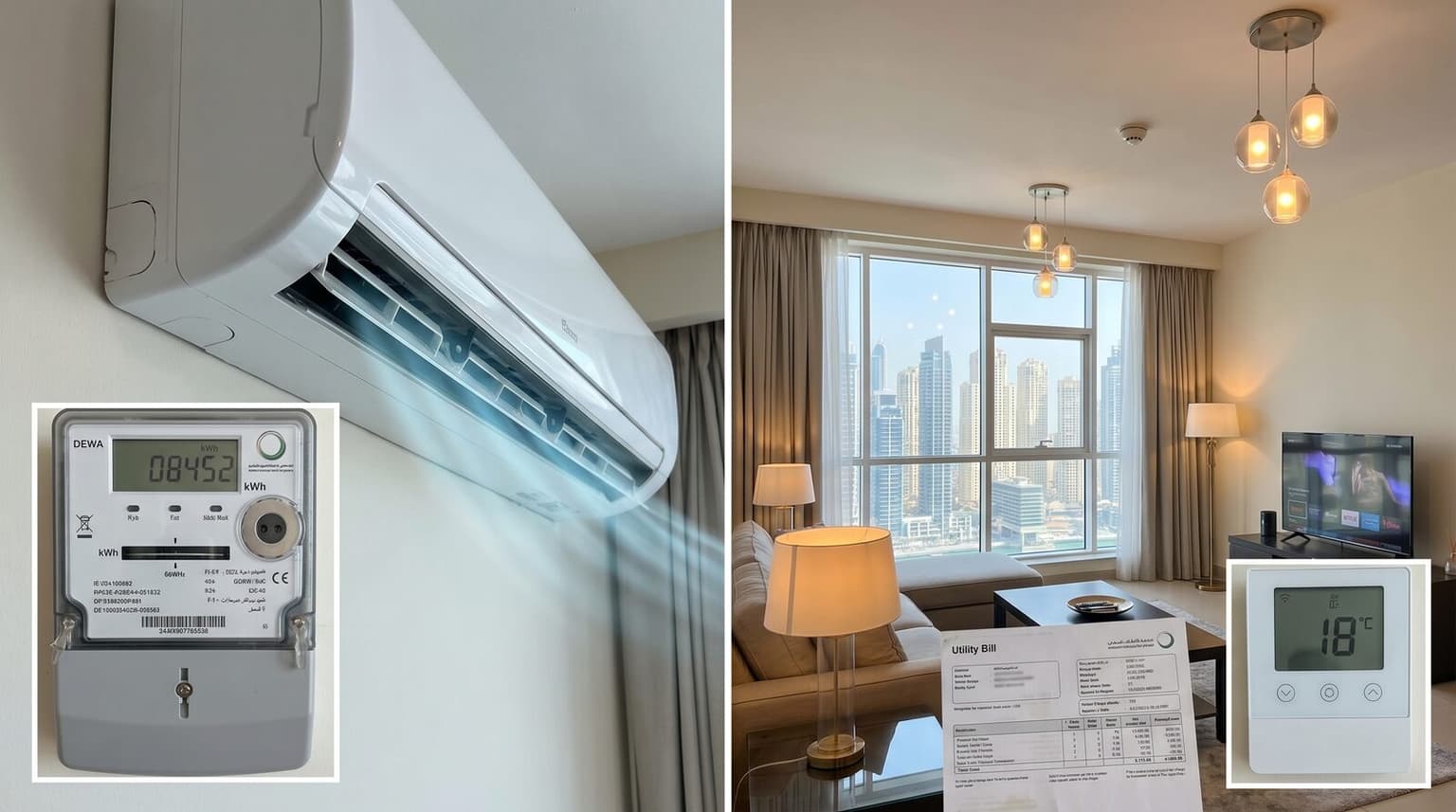
1. Thermostat set too low. Every degree below 24°C increases your consumption by roughly 6%. Setting the AC to 20°C feels great, but it costs significantly more than 24°C. Try 24°C with a ceiling fan, you will barely notice the difference on your skin, but your bill notices it immediately.
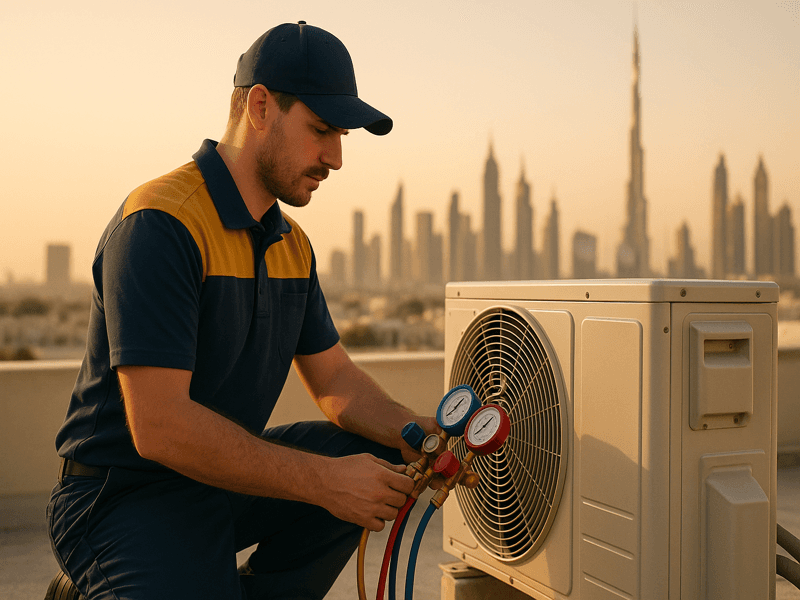
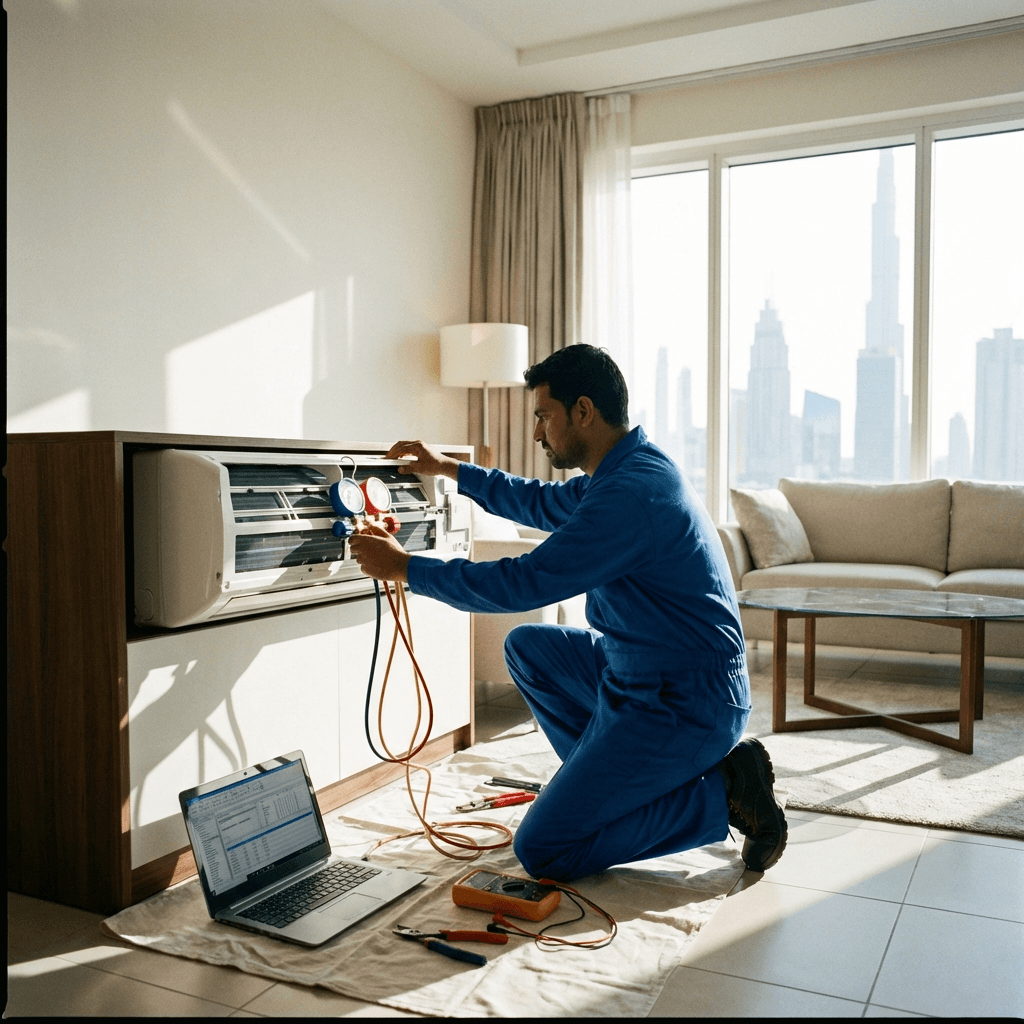
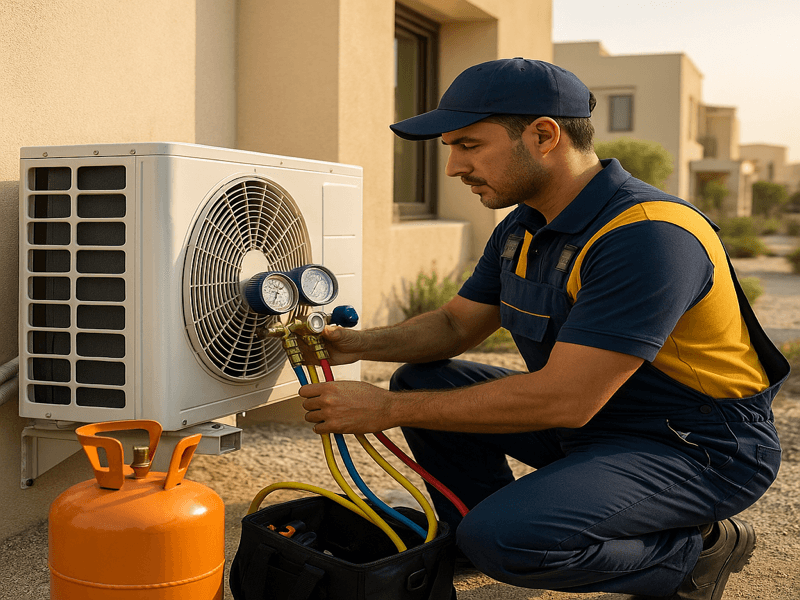
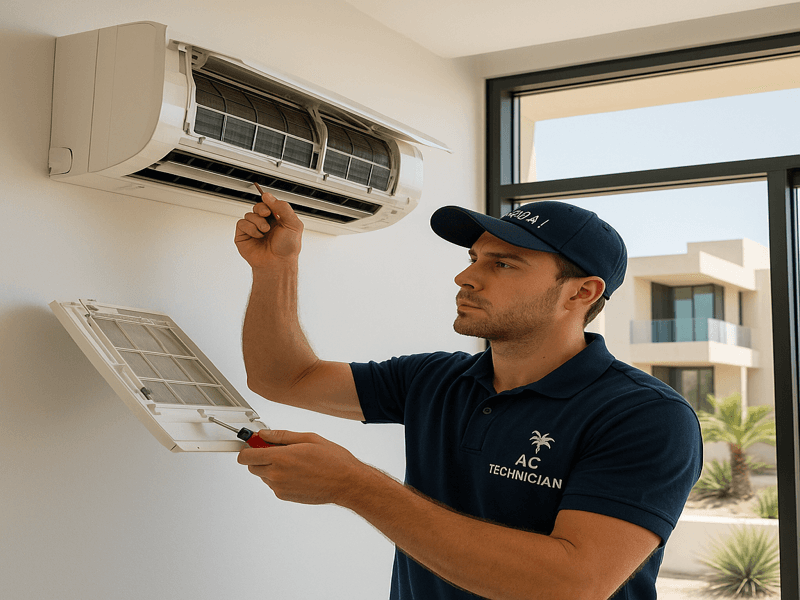
2. Dirty filters. A clogged AC filter forces the compressor to work harder. This increases consumption by 15-20% and shortens the lifespan of the unit. cheque your filters monthly and clean or replace them. If you have not had an AC service in over 6 months, book one today.
3. Old or undersized units. AC units lose efficiency over time. A 10-year-old unit might run 30-40% less efficiently than when it was new. If your AC runs constantly but the room barely reaches temperature, the unit may need replacing, the energy savings often cover the cost within 2-3 years.
DEWA Tariff Structure
DEWA charges on a slab system, the more you use, the higher the per-unit rate:
| Monthly Usage (kWh) | Rate per kWh |
|---|---|
| 0 - 2,000 | AED 0.23 |
| 2,001 - 4,000 | AED 0.28 |
| 4,001 - 6,000 | AED 0.32 |
| 6,001+ | AED 0.38 |
Plus a fuel surcharge and 5% VAT on top.
The jump between slabs is significant. A villa using 5,500 kWh pays a higher average rate than one using 3,800 kWh, not just on the excess, but on every unit in the higher slab. Small reductions in usage can drop you into a lower slab and save disproportionately.
The Hidden Drain: Your Water Heater
Electric water heaters in Dubai draw 2-3 kW and often run 24 hours a day on thermostat cycle. During summer, you do not need hot water heating at all, the water in your pipes is already warm from ambient temperature.
Fix: Turn off your water heater from May to September. You will not notice any change in water temperature, but you will save AED 100-200 per month. In winter, put it on a timer so it only heats for 2-3 hours before you typically shower.
Phantom Loads
Devices on standby still draw power. Individually it is small, but across a household it adds up:
- TV on standby: 5-15W
- Game console on standby: 10-25W
- Phone chargers (plugged in, no phone): 0.5-1W each
- Desktop computer on sleep: 5-15W
- Set-top boxes: 15-30W (often never turned off)
A home with 15-20 devices on standby draws 100-300W continuously, that is 70-200 kWh per month, or AED 20-65.
Fix: Use power strips with switches for entertainment centres and home offices. One click turns everything off properly.
Poor Insulation
Dubai buildings vary enormously in insulation quality. Older apartments (pre-2010) often have single-glazed windows and minimal wall insulation. Newer builds are better but still imperfect.
The biggest heat entry points:
- West and south-facing windows without film or coverings
- Gaps under exterior doors
- Poorly sealed AC duct connections
- Flat roofs on villas without reflective coating
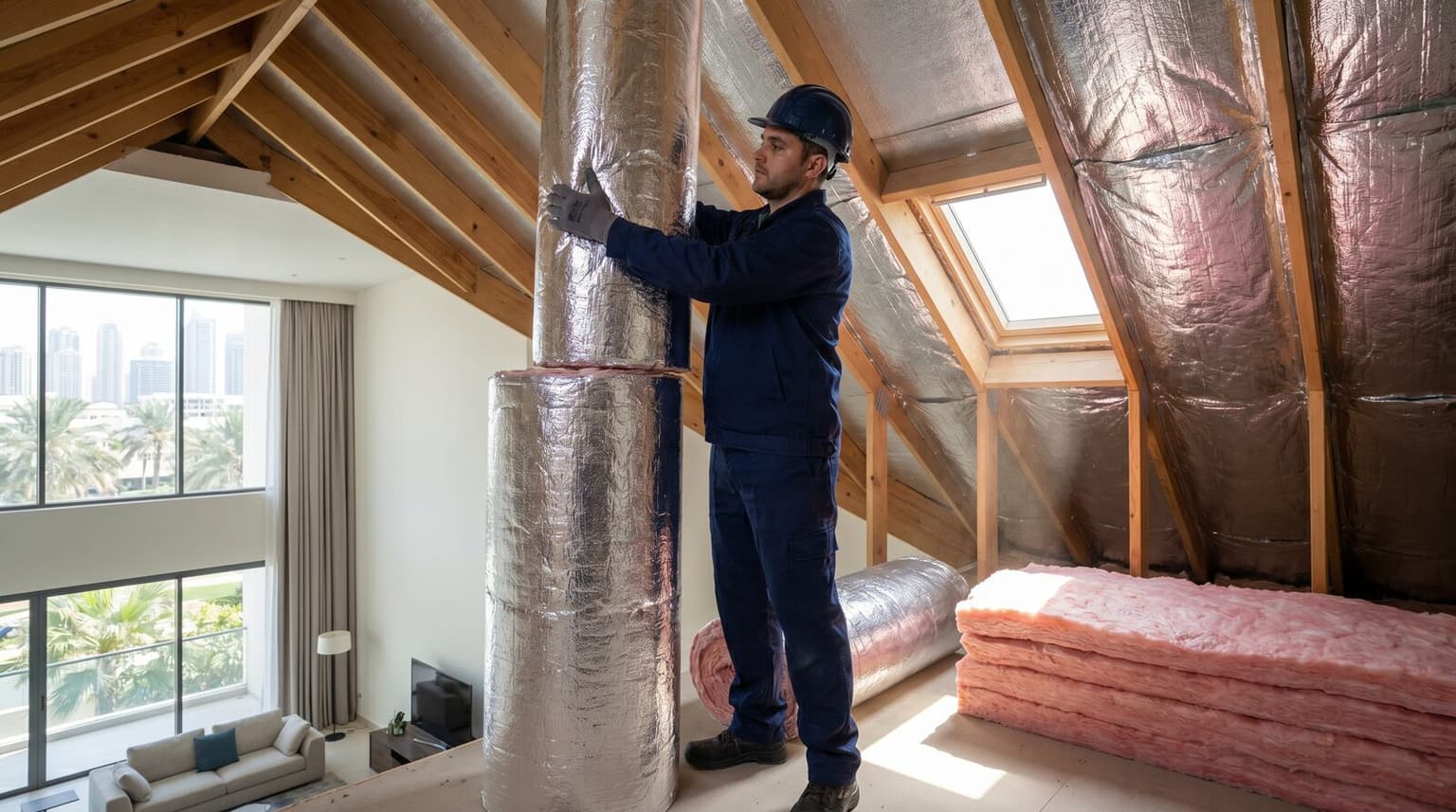
Window films, door seals, and curtains on sun-facing windows make a measurable difference. For a full breakdown of insulation options and costs, see our insulation guide.
Lighting
If you still have halogen downlights, each one draws 50W. A villa with 40 downlights running 6 hours a day uses 360 kWh per month on lighting alone, about AED 100.
LED replacements use 5-7W each for the same light output. Switching 40 halogens to LEDs saves roughly AED 80 per month and the bulbs last 10 times longer. An electrician can swap them all in a couple of hours.
What to Do This Week
In order of impact and effort:
- Set all thermostats to 24°C, free, immediate saving
- Turn off the water heater if it is summer, free, AED 100-200/month saved
- Clean your AC filters, free, 15-20% AC efficiency improvement
- Book an AC service if overdue, AC maintenance costs AED 200-400 and pays for itself in the first month
- Switch off standby devices, buy a few switched power strips from ACE for AED 50
- Close curtains on sun-facing windows during the day, free
- Replace halogen bulbs with LEDs, AED 10-20 per bulb, pays back in 2 months
These seven steps combined can reduce a villa's DEWA bill by 25-35% with minimal investment. That could be AED 500-1,000 saved every month through summer.
Stop accepting the high bill as normal. Most of it is fixable.