Why Water Leak Detection Matters for Dubai Villa Owners
Living in a Dubai villa offers space, privacy, and often a garden or pool. But villas also come with a larger network of pipes, fittings, and water-dependent systems than most apartments. When something goes wrong, the source of the problem is rarely obvious. Water travels along the path of least resistance. A stain on your ceiling in Arabian Ranches could originate from a cracked pipe on the roof. A damp patch in your JVC garden could point to an underground supply line failure.
The climate plays its part too. Dubai's intense summer heat and high humidity accelerate wear on pipe joints, seals, and waterproof membranes. Thermal expansion stresses pipework daily. Roof membranes degrade faster under relentless sun. Add to this the complexity of villa systems such as swimming pools, jacuzzis, irrigation networks, and multi-bathroom plumbing, and the potential leak points multiply quickly.
Hidden leaks are not just an inconvenience. They cause structural damage, promote mould growth, inflate your DEWA bill, and can compromise electrical systems if water reaches wiring. The longer a leak goes undetected, the more expensive the repair becomes. A small pinhole leak in a pressurised pipe can waste hundreds of litres of water per day. Over a month, that is a significant volume of water and a noticeable spike in your utility costs.
Prompt detection is crucial. The good news is that modern leak detection technology has made it possible to find leaks accurately without tearing up floors or breaking walls unnecessarily. For villa owners in Dubai, understanding how this process works and when to call professionals can save thousands of dirhams and prevent serious property damage.
Common Sources of Water Leaks in Dubai Villas
Villas in communities like Arabian Ranches, The Springs, Al Barari, and Jumeirah Golf Estates share certain leak risks due to their design and the local environment. Understanding these common sources helps you spot warning signs early.
Roof Leaks
Dubai villas with flat or low-pitch roofs are particularly vulnerable. The intense UV radiation degrades roofing membranes over time. When the waterproofing layer fails, water seeps into the roof slab and travels through the structure before appearing as a damp patch or stain on an interior ceiling. Roof leaks are often noticed only after rain, but the damage begins long before that. By the time you see water dripping from your ceiling, the waterproofing has already failed substantially.
Swimming Pool and Jacuzzi Leaks
A swimming pool is a standard feature in many Dubai villas. Pools lose some water to evaporation, especially in summer, but excessive water loss indicates a leak. The leak could be in the pool shell, the pipework, the pump room, or the fittings. Jacuzzis have similar vulnerabilities. Pool leaks are particularly wasteful because the lost water is chemically treated and heated, adding chemical and energy costs to the water waste.
A simple bucket test can help determine whether your pool is losing water to evaporation or a leak. Place a bucket of water on the pool step, mark the water level inside and outside the bucket, and check after 24 hours. If the pool level drops more than the bucket level, you have a leak.
Plumbing System Leaks
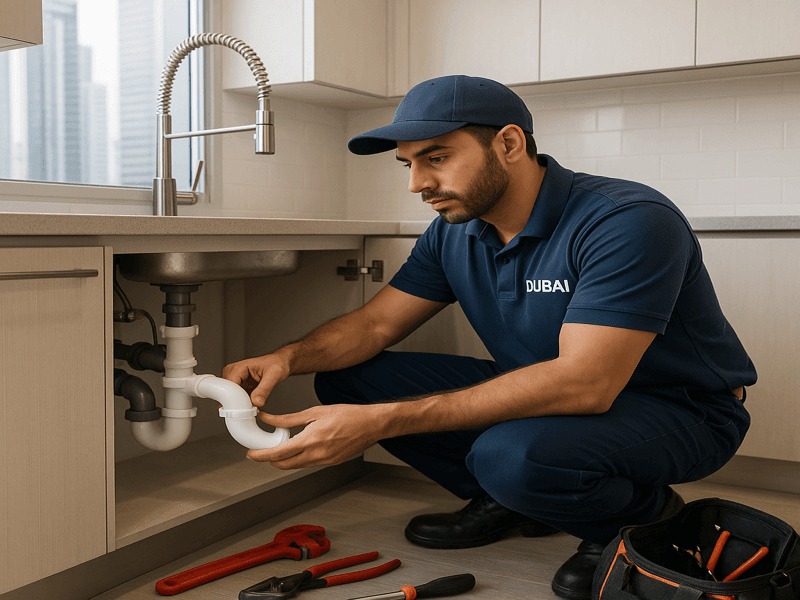
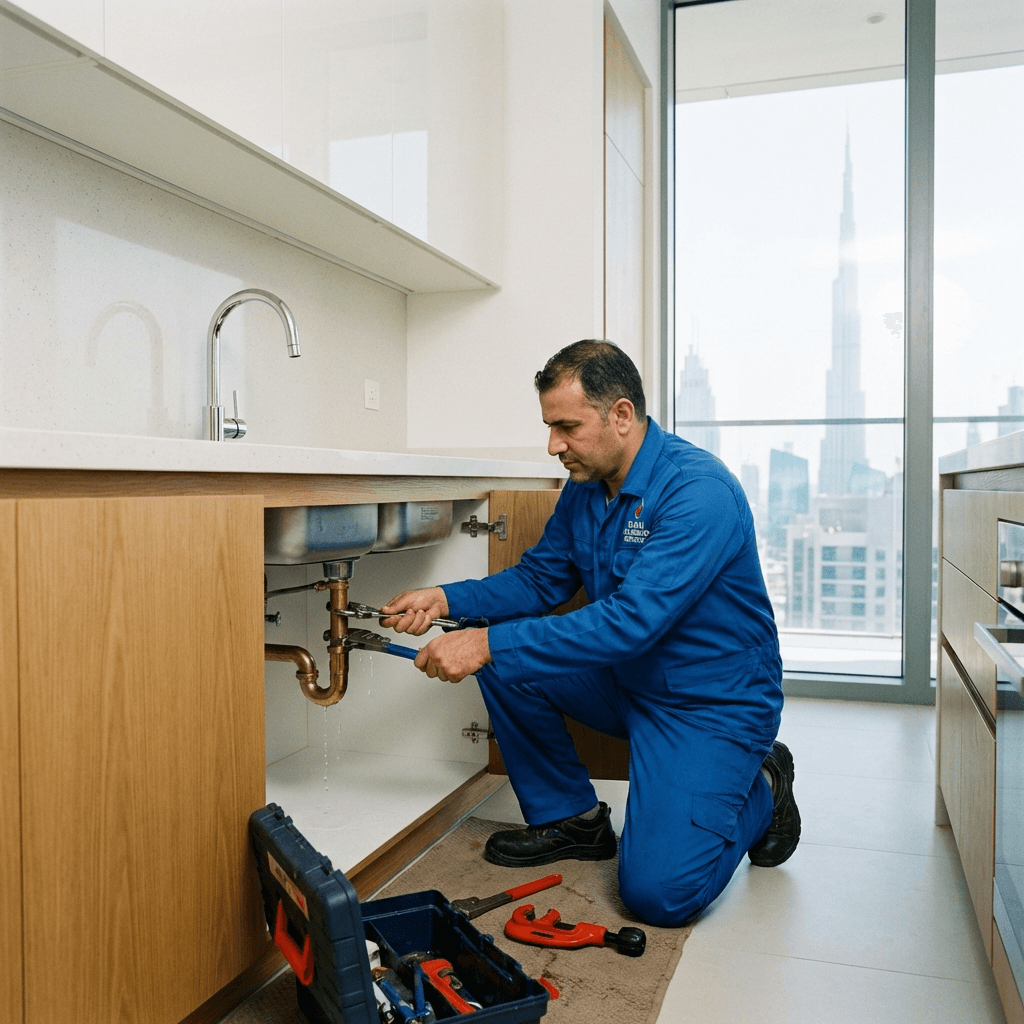
The plumbing network in a villa is extensive. Supply lines, return lines, drainage pipes, and irrigation lines all run through walls, under floors, and underground. Common plumbing leak sources include corroded pipe joints, cracked PVC drainage pipes, failed washing machine connections, and deteriorated sealant around bathroom and kitchen fittings. Toilets are a frequent culprit. A silently running toilet can waste up to 750 litres of water per day.
Landscape and Irrigation Leaks
Villas with landscaped gardens often have underground irrigation systems. These systems are out of sight and prone to developing leaks at joints and emitter points. A leak in the irrigation system may not be visible on the surface, especially in sandy soil where water drains away quickly. However, you may notice patches of unusually lush growth, areas of sinking soil, or a persistent damp smell in certain parts of the garden.
Façade and External Leaks
Cracks in the external render or cladding of a villa can allow water ingress during the rare but heavy rainfall Dubai experiences. Window sealant failures and poorly sealed penetrations for AC pipework or electrical conduits also let water into wall cavities. This water can travel significant distances within the wall before becoming visible indoors.
How Modern Leak Detection Technology Works
The days of guessing where a leak might be and breaking through walls to find it are over. Professional leak detection in Dubai now relies on non-invasive technology that can scan areas thoroughly and pinpoint the exact location of a leak. This approach saves time, reduces repair costs, and prevents unnecessary damage to your property.
Acoustic Leak Detection
Pressurised water escaping from a pipe creates a distinct sound. Acoustic leak detection uses highly sensitive ground microphones and listening devices to detect these sounds. Technicians move the sensor along walls, floors, or ground surfaces, listening for the characteristic hiss or whoosh of escaping water. This method is particularly effective for underground supply lines and pipework concealed within walls.
Thermal Imaging Cameras
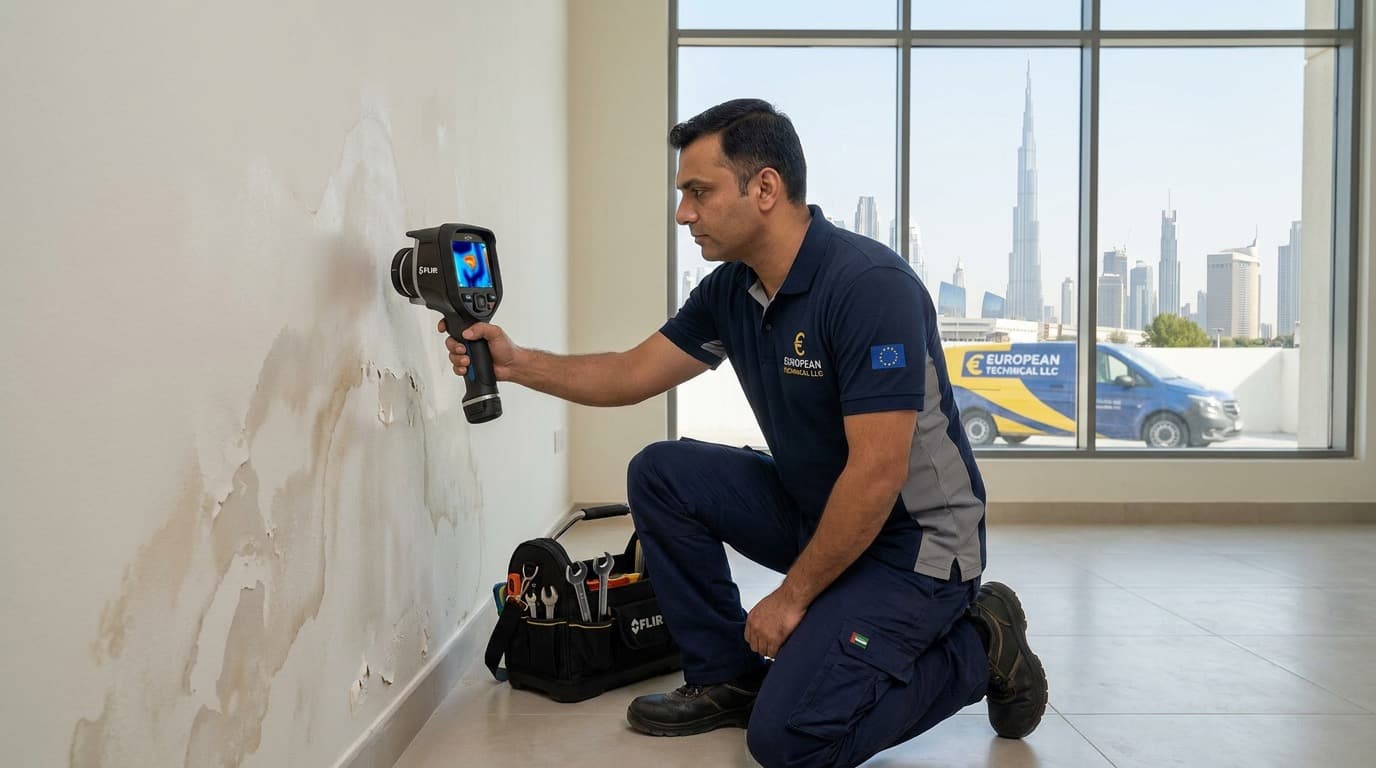
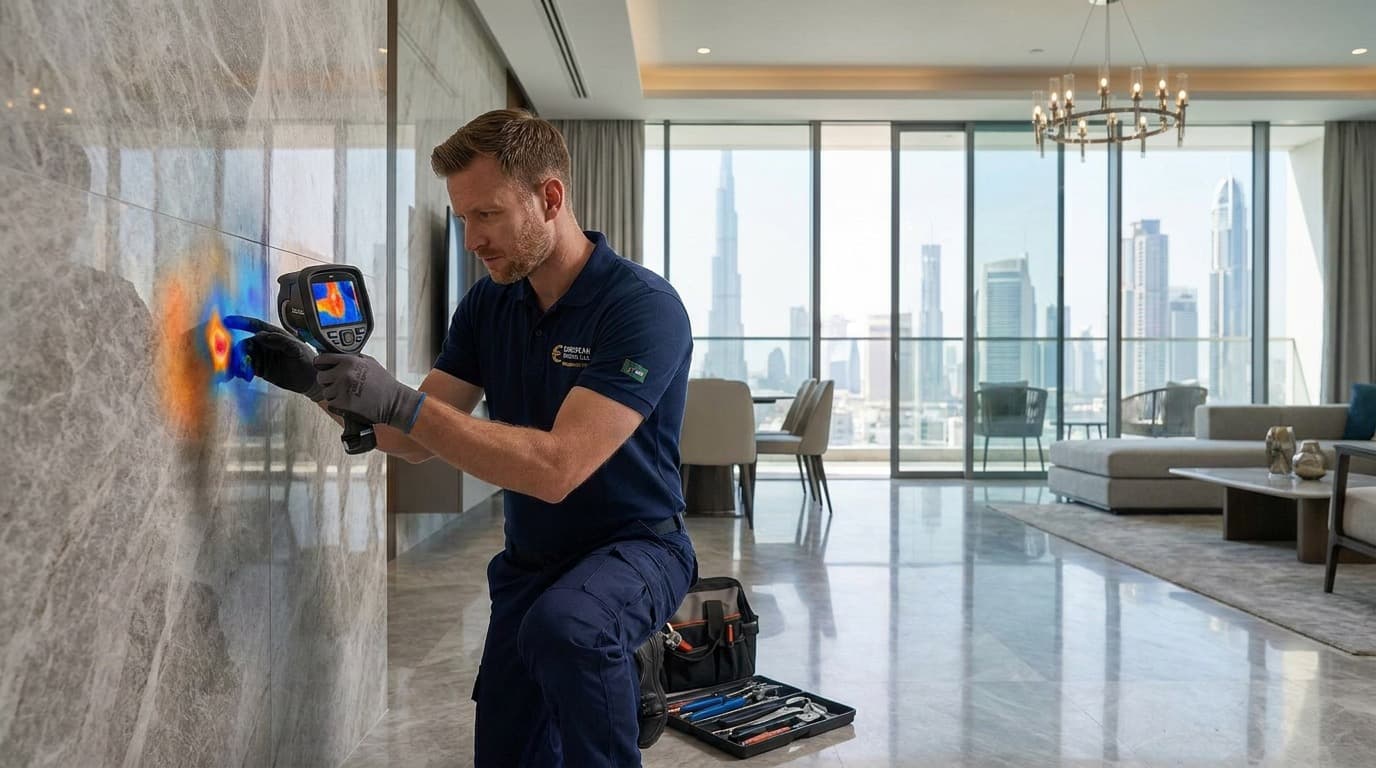
Thermal imaging is one of the most valuable tools in leak detection. A thermal camera detects temperature differences on surfaces. Water leaking from a pipe changes the temperature of the surrounding material. A hot water leak warms the floor or wall above it. A cold water leak may cool the surface, especially if evaporation is involved. The camera produces a visual image showing these temperature variations, allowing technicians to see the extent of water spread and trace it back to the source.
In Dubai villas, thermal imaging is especially useful for detecting underfloor heating leaks, pipe leaks within concrete slabs, and moisture ingress behind tiled walls. The technology works without any damage to tiles, plaster, or flooring.
Tracer Gas Detection
For particularly difficult leaks, tracer gas offers a highly accurate method. A safe mixture of nitrogen and hydrogen is introduced into the pipe network. The gas escapes through the leak and rises through the building material to the surface. A sensitive gas detector is then used to pinpoint where the gas emerges. Because hydrogen is the lightest molecule, it passes through concrete, tiles, and plaster quickly, making this method effective for leaks buried deep within the building structure.
Moisture Meters and Damp Testing
Moisture meters measure the water content in building materials. Pin-type meters penetrate the surface slightly to measure moisture within the material. Pinless meters use electromagnetic sensors to detect moisture below the surface without marking it. These tools help technicians map the extent of water damage and track moisture patterns back to their origin.
Pressure Testing
Pressure testing involves isolating a section of the plumbing system and pressurising it with air or water. If the pressure drops over a set period, there is a leak in that section. This method confirms the existence of a leak and narrows down which part of the system is affected. It is often used in combination with acoustic or thermal detection to pinpoint the exact location.
CCTV Pipe Inspection
For drainage and sewer lines, a small camera on a flexible cable is fed through the pipe. This provides a real-time visual inspection of the pipe interior, revealing cracks, blockages, root intrusions, or joint failures. CCTV inspection is invaluable for diagnosing recurring drainage issues and confirming the exact nature and location of a problem before any excavation or repair work begins.
Warning Signs Every Dubai Villa Owner Should Watch For
Catching a leak early depends on recognising the signs. Some are obvious. Others are subtle and easy to dismiss. If you notice any of the following, it is worth arranging a professional inspection.
A sudden or unexplained increase in your DEWA bill is one of the most reliable indicators of a hidden leak. DEWA also provides a High Water Usage Alert service that notifies you if your consumption spikes unexpectedly. This alert system is one of the best early warning tools available to Dubai residents. If you receive such an alert and your water usage habits have not changed, a leak is the most likely explanation.
Damp or discoloured patches on walls and ceilings are visual signs of water ingress. The stain may appear yellowish or brownish and can grow over time. In humid environments like Dubai, mould can develop on damp surfaces quickly. If you notice a musty smell in a particular room or area of your villa, investigate further.
Warped or lifting flooring can indicate water underneath. Vinyl and laminate flooring are particularly susceptible. Tiles that have become loose or sound hollow when tapped may have lost their adhesive bond due to water beneath them.
Cracks in walls or the foundation can be caused by water eroding the structural support beneath. While minor hairline cracks are common in Dubai properties due to thermal movement, new or widening cracks should be assessed.
A running sound in your plumbing when no taps are open suggests water is moving through the system unintentionally. This could be a toilet running, a leak in a supply line, or a fault in a water tank.
Warm spots on the floor may indicate a hot water pipe leak beneath the surface. This is particularly relevant for villas with underfloor heating systems.
If your pool is losing more than 5 to 7 centimetres of water per week, or if the auto-fill system is running more frequently than usual, suspect a pool leak.
The Cost of Ignoring a Leak
The financial impact of an undetected leak extends well beyond the water bill. Water damages building materials. Drywall absorbs water and loses structural integrity. Timber frames and door surrounds rot. Reinforcement steel within concrete can corrode if water reaches it, leading to spalling and structural weakness.
Mould growth is a serious health concern. Dubai's humidity provides ideal conditions for mould once moisture is present. Mould spores can cause respiratory problems, allergic reactions, and other health issues. Removing mould properly requires professional remediation, which adds to the repair cost.
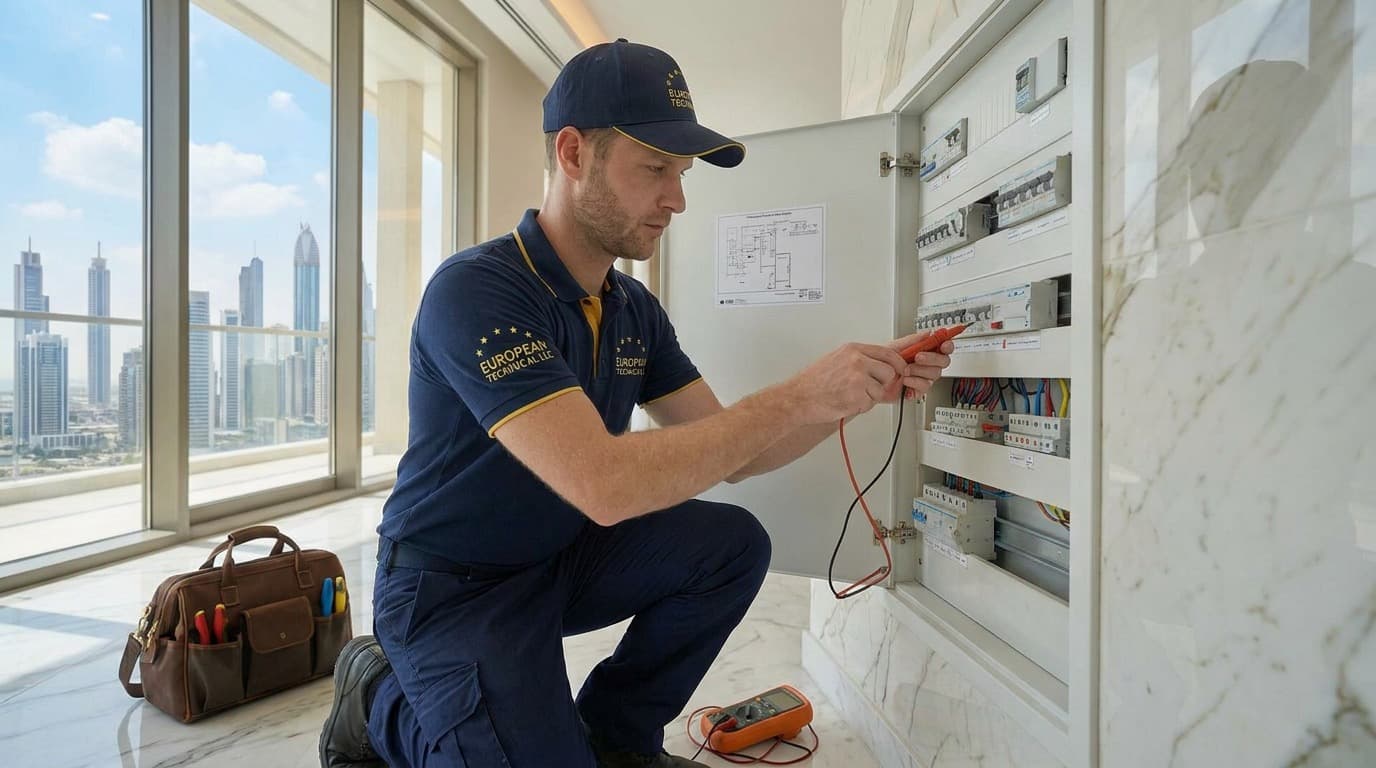
If water reaches electrical wiring or distribution boards, the risk of short circuits and fire increases. This is a critical safety issue that demands immediate attention.
Then there is the cost of the repair itself. A leak detected early may require only a small, targeted repair. A leak left for months may necessitate replacing large sections of flooring, replastering walls, reinstalling waterproofing membranes, and redecorating. The difference in cost can be enormous. A timely plumbing inspection and repair is always cheaper than a major refurbishment.
What to Expect from a Professional Leak Detection Service
When you engage a professional leak detection service for your Dubai villa, the process typically follows a structured approach. Understanding what happens during the visit helps you prepare and ensures you get the most from the service.
The technician begins with a discussion about the symptoms you have noticed. When did the damp appear? Has the DEWA bill increased? Is there a specific area of concern? This information helps focus the investigation.
A visual inspection follows. The technician examines the areas where symptoms are visible and checks adjacent spaces for related signs. This includes looking at walls, ceilings, floors, and external areas of the villa.
Based on the initial assessment, the technician selects the appropriate detection equipment. Most jobs require a combination of methods. For example, thermal imaging might identify the general area of a leak, while acoustic detection pinpoints the exact spot.
Once the leak is located, the technician explains the findings and recommends a repair approach. A good service provider will give you a clear explanation of what the problem is, where it is, and what needs to be done to fix it. They should also advise on any secondary issues, such as damaged waterproofing or mould, that need addressing.
Repair work can range from a simple joint replacement to more involved work such as replacing a section of pipe within a wall. The goal of modern leak detection is to minimise the extent of disruption. By pinpointing the leak accurately, only the necessary area is opened up.
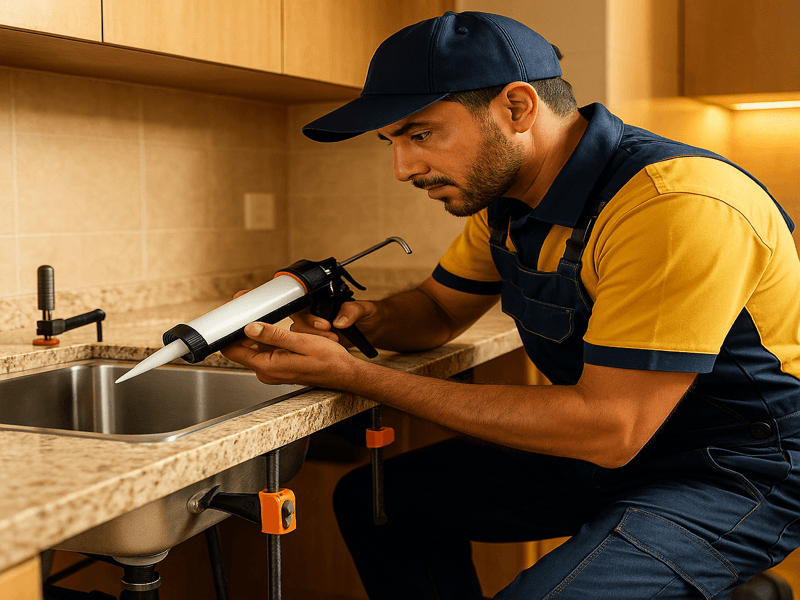
If the leak has caused damage to finishes, a handyman can handle the reinstatement work. This includes patching plaster, reinstalling tiles, painting, and restoring the area to its original condition.
Preventing Future Leaks in Your Dubai Villa
Prevention is always better than cure. While not all leaks can be avoided, regular maintenance significantly reduces the risk. An annual maintenance contract provides scheduled inspections of your villa's plumbing, AC, and other systems, catching potential problems before they develop into leaks.
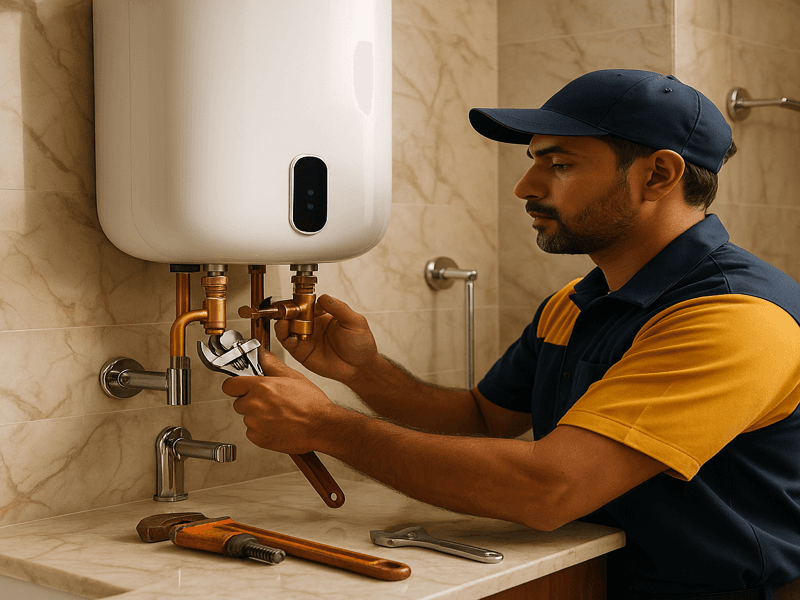
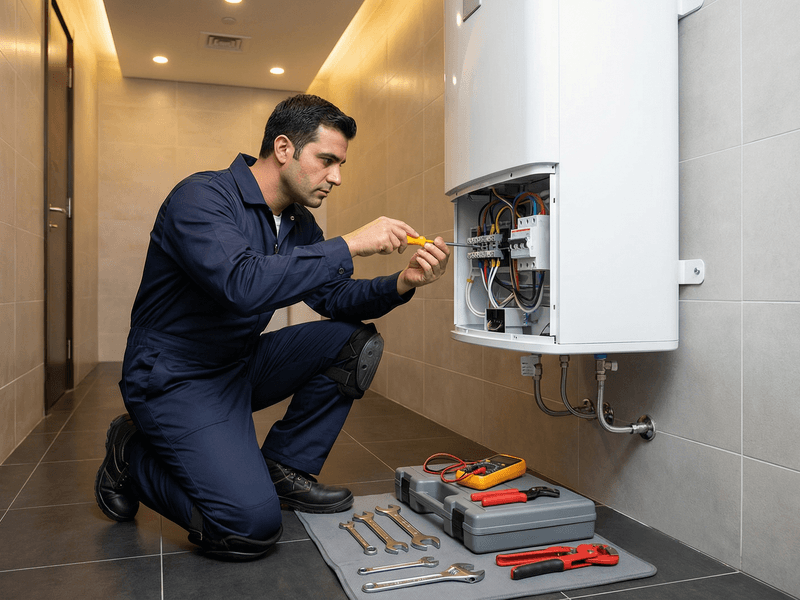
Have your plumbing system inspected at least once a year. This includes checking pipe joints, testing water pressure, inspecting visible pipework for signs of corrosion, and verifying that all fittings and connections are sound. Regular inspection of washing machine hoses, dishwasher connections, and water heater supply lines is particularly important as these flexible hoses are a common failure point.
For villas with swimming pools, schedule regular pool maintenance. A pool professional can check the integrity of the pool shell, inspect pipework, and test the pump and filtration system for leaks. Address any drop in water level promptly.
Keep an eye on your roof. If your villa has accessible roof space, have the waterproofing membrane inspected periodically. Look for signs of cracking, blistering, or pooling water. Roof waterproofing in Dubai typically needs attention every few years due to the harsh sun.
Monitor your DEWA bills. A consistent bill is a good sign. Any unexplained increase warrants investigation. Sign up for the DEWA High Water Usage Alert service if you have not already done so.
Check your water meter when all taps and appliances are off. If the meter is still moving, you have a leak somewhere in your system. This simple test takes two minutes and can be done monthly.
For villa owners in communities like Downtown, Business Bay, or Dubai Marina who may have property they do not live in full-time, arranging periodic inspections is essential. A leak that develops in an unoccupied property can cause catastrophic damage before anyone notices.
Choosing the Right Leak Detection Provider in Dubai
Selecting a reliable leak detection provider requires some research. Look for a company that uses modern, non-invasive detection equipment. The provider should offer a clear explanation of their process and provide a structured cost before beginning work.
Experience matters. Technicians who have worked across Dubai's various property types understand the common issues that affect buildings in this climate. They know where leaks are likely to occur and can investigate efficiently.
Ask about the range of detection methods available. A provider that relies on a single technique may struggle with complex leaks. The best results come from combining multiple technologies.
Check that the provider is a licensed company. European Technical is a licensed Dubai maintenance company with expertise across plumbing, electrical, AC, and general property maintenance. Our team can handle the full scope of leak detection and repair, from initial investigation to final reinstatement. We also offer emergency plumbing services for urgent situations where water is actively causing damage.
A reputable provider will stand behind their work. Some companies offer a guarantee that you only pay if the leak is found. This demonstrates confidence in their detection capabilities and gives you peace of mind.
Finally, consider a provider that can manage the entire repair process. Leak detection is only the first step. You need a reliable repair, followed by reinstatement of any damaged finishes, and potentially treatment for mould or damp. A provider that can handle all of these stages saves you the hassle of coordinating multiple contractors. You can contact our team to discuss your requirements and arrange a visit.
FAQ
How much does water leak detection cost for a villa in Dubai?
The cost of water leak detection varies depending on the complexity of the problem and the methods required. Simple inspections using basic moisture meters and visual checks may start from around AED 350. More involved investigations using thermal imaging, acoustic equipment, or tracer gas typically range from AED 500 to AED 1,500. Most reputable providers will give you a structured price after an initial discussion of the issue. Some companies offer a no-find, no-fee guarantee, meaning you only pay if the leak is successfully located.
Can a water leak be found without breaking my walls or floors?
Yes. Modern leak detection technology is designed to be non-invasive. Thermal imaging cameras, acoustic listening devices, tracer gas, and moisture meters can all detect leaks without damaging your property. These tools allow technicians to scan through walls, floors, and ceilings to pinpoint the leak's location. Only once the leak is confirmed does any opening up become necessary, and even then it is limited to the smallest area required for the repair.
How do I know if my Dubai villa has a hidden water leak?
The most common signs of a hidden leak include an unexplained increase in your DEWA bill, damp patches or discolouration on walls and ceilings, a musty smell, warped or lifting flooring, the sound of running water when no taps are open, and warm spots on floors. DEWA's High Water Usage Alert service can also notify you if your consumption rises unexpectedly. If you notice any of these signs, arrange a professional inspection promptly.
What should I do if I discover a water leak in my villa?
First, turn off the water supply at the main stopcock to prevent further water flow. If the leak is near electrical outlets or wiring, turn off the electricity at the consumer unit for safety. Move furniture and valuables away from the affected area. Place towels or buckets to contain the water if possible. Then contact a professional leak detection and plumbing service to locate and repair the leak. Document the damage with photographs for insurance purposes.
How long does leak detection take for a typical villa?
Most leak detection investigations for a residential villa take between one and three hours, depending on the complexity of the problem and the size of the property. Straightforward leaks that are visible or easily accessible may be found in under an hour. More complex cases involving underground pipes, multiple potential sources, or leaks within concrete slabs may take longer. The technician should give you an estimated timeframe after the initial assessment.
Is water leak detection covered by home insurance in Dubai?
Coverage varies between insurance policies. Most comprehensive home insurance policies in Dubai cover the cost of repairing the damage caused by a leak, such as replacing damaged flooring or drying out walls. Some policies also cover the cost of finding the leak, while others exclude leak detection costs and only cover the repair work itself. Check your policy documents or contact your insurer to confirm what is included. Keep all reports and invoices from the detection and repair work for any insurance claim.