Water Damage Emergency Response Guide for Dubai Properties
Water damage in Dubai properties happens faster than most people expect. A burst pipe can flood an apartment in minutes. A leaking AC unit can cause thousands of dirhams in damage before you notice. And in a city where many people live in high-rise buildings, water damage to your property can mean liability for damage to units below.
This guide covers immediate response steps, damage prevention, insurance considerations, and professional restoration-everything you need to handle water emergencies effectively.
Common Causes of Water Damage in Dubai
Understanding what causes water damage helps with prevention and rapid response.
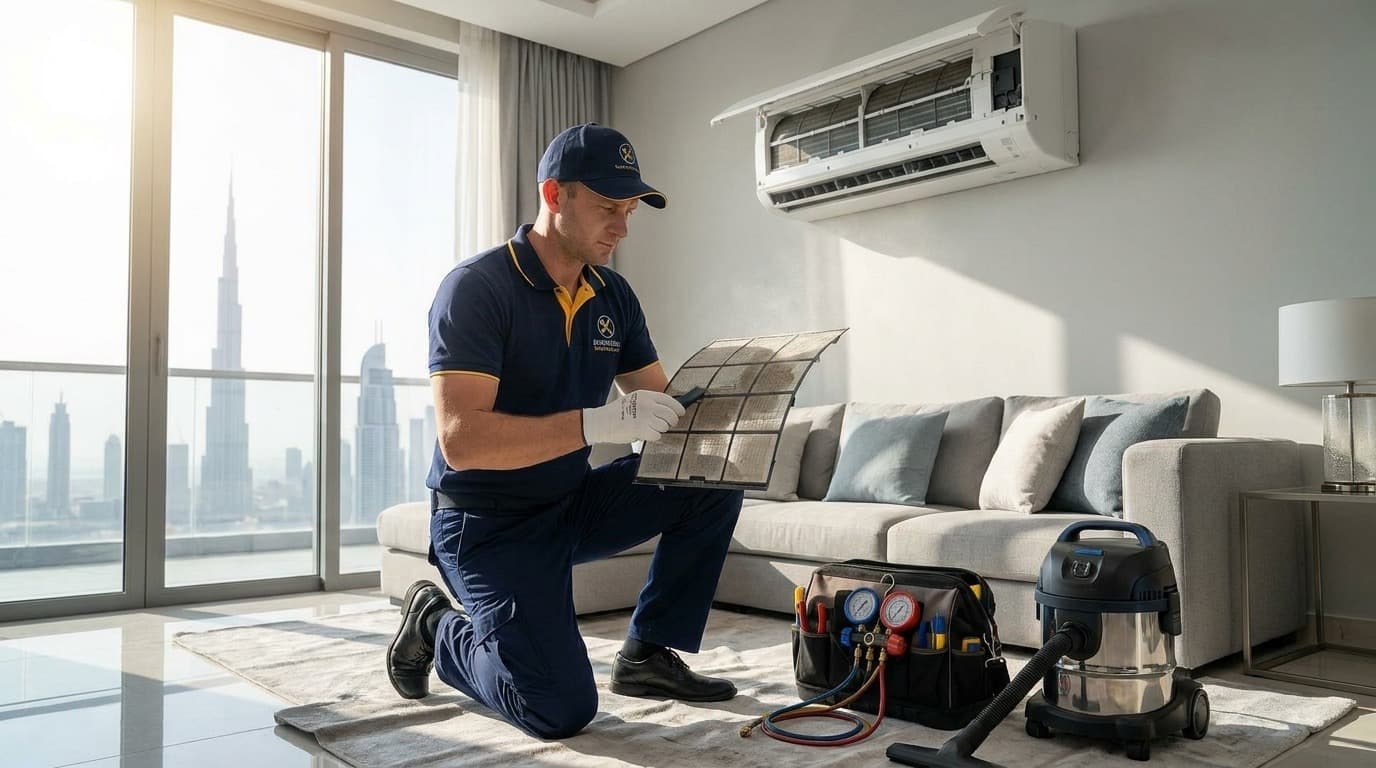
Air Conditioning Systems
The leading cause of water damage in Dubai homes. AC units produce significant condensation, and when drainage systems fail:
- Blocked condensate drains overflow
- Improperly installed units leak
- Frozen evaporator coils melt and flood
- Condensate pumps fail
- Drain pans crack or rust through
Regular AC maintenance prevents most of these issues.
Plumbing Failures
Burst pipes:
- Temperature fluctuations (rare but happens)
- Corrosion in older properties
- High water pressure
- Physical damage during renovations
- Poor installation
Leaking fixtures:
- Worn washers and seals
- Loose connections
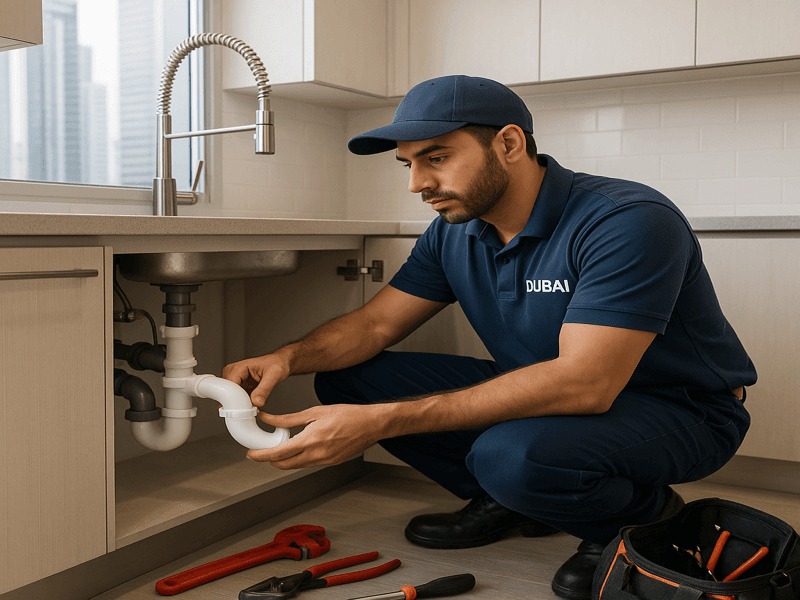
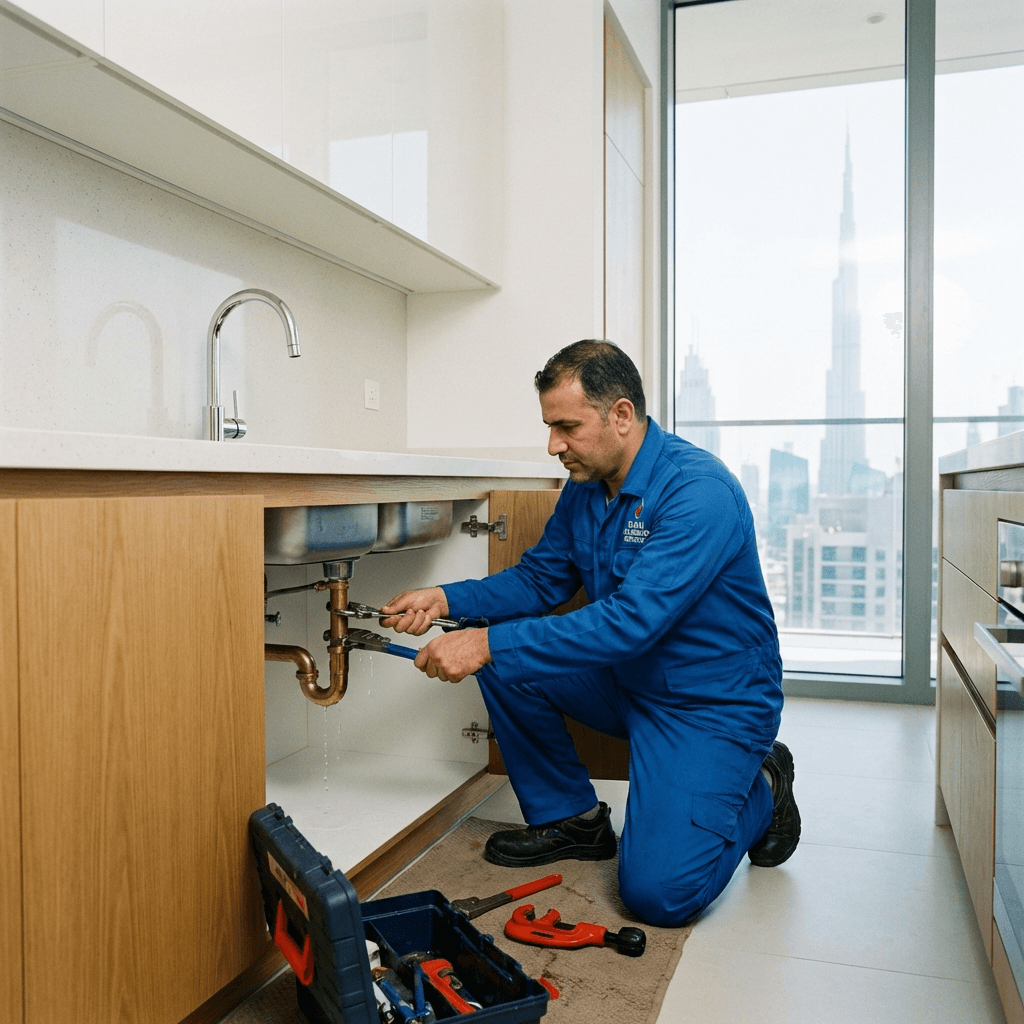
- Corroded pipes under sinks
- Failed toilet seals
Water Heaters
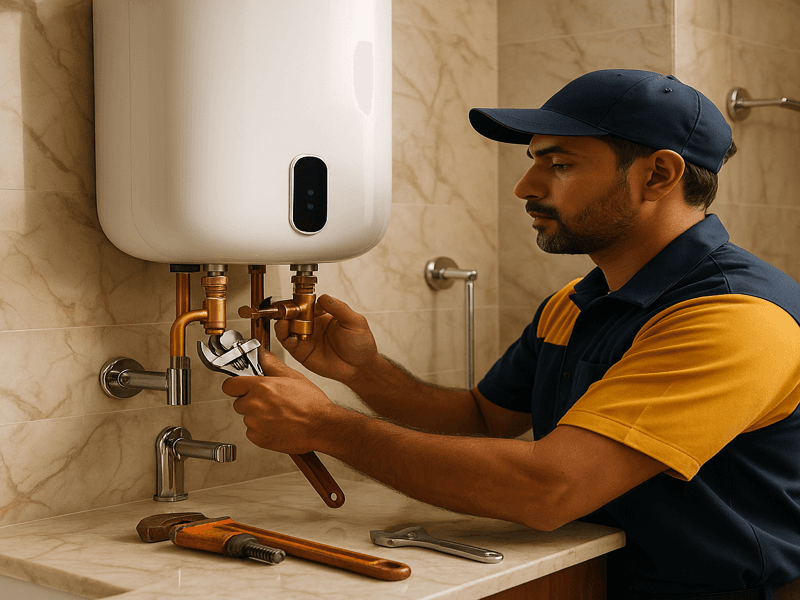
Water heater failures can release significant volumes:
- Tank ruptures from age or pressure
- Relief valve failures
- Connection leaks
- Corrosion perforation
Washing Machines and Dishwashers
- Supply hose failures (especially common)
- Drain hose disconnections
- Internal seal failures
- Oversudsing causing overflows
Weather-Related
While Dubai is dry most of the year, occasional heavy rain causes:
- Roof leaks
- Balcony drainage overflow
- Window seal failures
- Foundation seepage (villas)
Human Error
- Leaving taps running
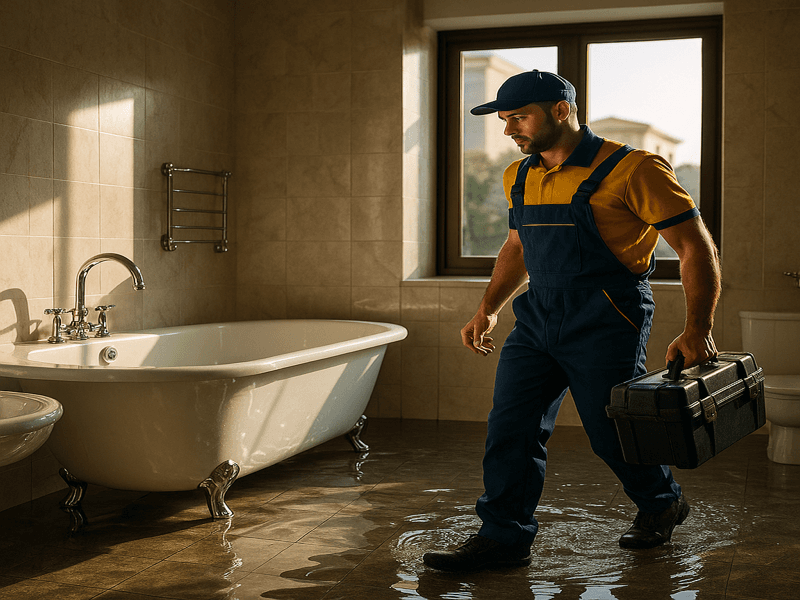
- Overfilling bathtubs
- Accidental damage to pipes during DIY
- Leaving appliances unattended
Immediate Response: First 5 Minutes
Your actions in the first minutes determine
Step 1: Stop the Water (Immediately)
If you can identify the source:
- Appliances: Turn off water supply valves behind washer/dishwasher
- Sinks/toilets: Turn off isolation valves under fixtures
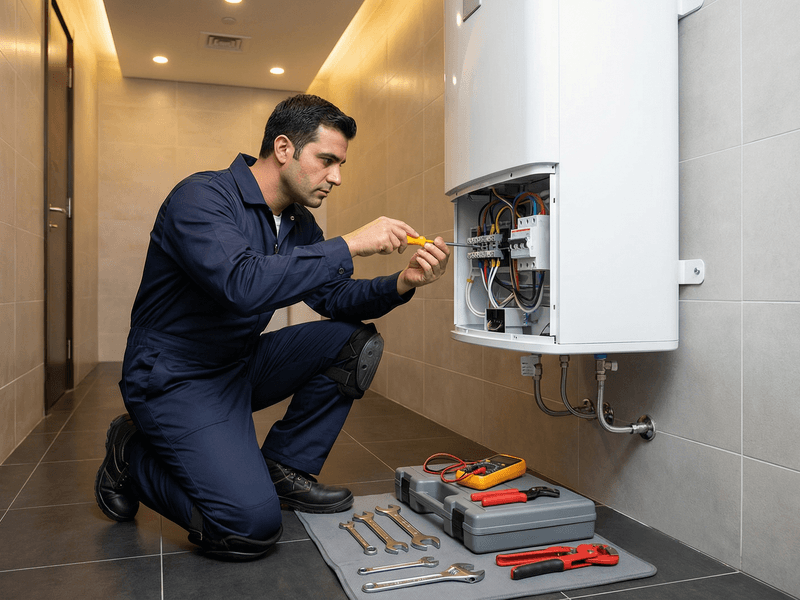
- Water heater: Turn off power first, then water supply
- AC units: Turn off unit, unplug if possible
If you can't identify source or it's a major leak:
- Turn off main water supply (know where this is NOW-don't wait for emergency)
- In apartments: usually in bathroom or kitchen
- In villas: typically outside near water metre
If water is near electricity:
- Turn off power at circuit breaker immediately
- Never touch electrical items while standing in water
- If you can't safely reach the panel, call emergency services
Step 2: Protect Property and People
- Evacuate if water is near electrics, if ceiling is sagging, or if flooding is severe
- Move valuables to dry areas-electronics, documents, furniture
- Lift items off floor using blocks or furniture risers if available
- Remove water-absorbing materials like rugs and loose carpets
Step 3: Alert Relevant Parties
Immediately notify:
- Building management (apartments)-they need to know, especially if water might affect other units
- neighbours below you (apartments)-give them warning to protect their property
- Emergency services if serious (999)
- Landlord if you're a tenant
Call professional help:
- 24/7 emergency plumber: +971 58 544 1160
- Emergency electrician if power issues
- Water damage restoration company
Step 4: Start Water Removal
Don't wait for professionals to start removing water:
- Use mops, towels, sheets to absorb water
- Bail out standing water with buckets
- Push water toward drains if possible
- Use wet/dry vacuum if you've one
- Open windows for ventilation (if not raining)
The faster you remove water, the less damage occurs.
Step 5: Document Everything
Critical for insurance claims:
- Take photos and videos of all damage immediately
- Document water levels, affected areas, damaged items
- Note time water started and when stopped
- Keep receipts for emergency services and repairs
- Don't throw away damaged items until insurance assesses
First 24 Hours: Damage Control
The first day is important for preventing secondary damage.
Continued Water Removal
Keep removing water until completely gone. Standing water causes exponentially more damage over time.
Professional water extraction equipment removes water much faster than DIY methods-worth calling professionals.
Start Drying Process
- Ventilation: Open all windows and doors (if weather permits)
- Fans: Position fans to maximise air circulation
- Dehumidifiers: Essential in Dubai's humid climate
- AC: Run AC on cool to help dehumidify (once you've confirmed it's safe)
Materials need to dry within 24-48 hours to prevent mould growth. In Dubai's humidity, mould can establish very quickly.
Remove Saturated Materials
Some materials can't be saved once saturated:
- Carpets and padding: Usually must be removed if heavily soaked
- Drywall/gypsum: Lower portions often need replacement
- Insulation: Must be removed if wet
- Particleboard furniture: Swells and warps, rarely salvageable
- Paper goods: Books, photos, documents-freeze valuable items for later restoration
Removing these materials prevents mould growth and allows structural drying.
Inspect for Hidden Water
Water travels. cheque areas you might not expect:
- Inside wall cavities
- Under flooring
- Behind baseboards
- In adjacent rooms
- Units below (apartments)
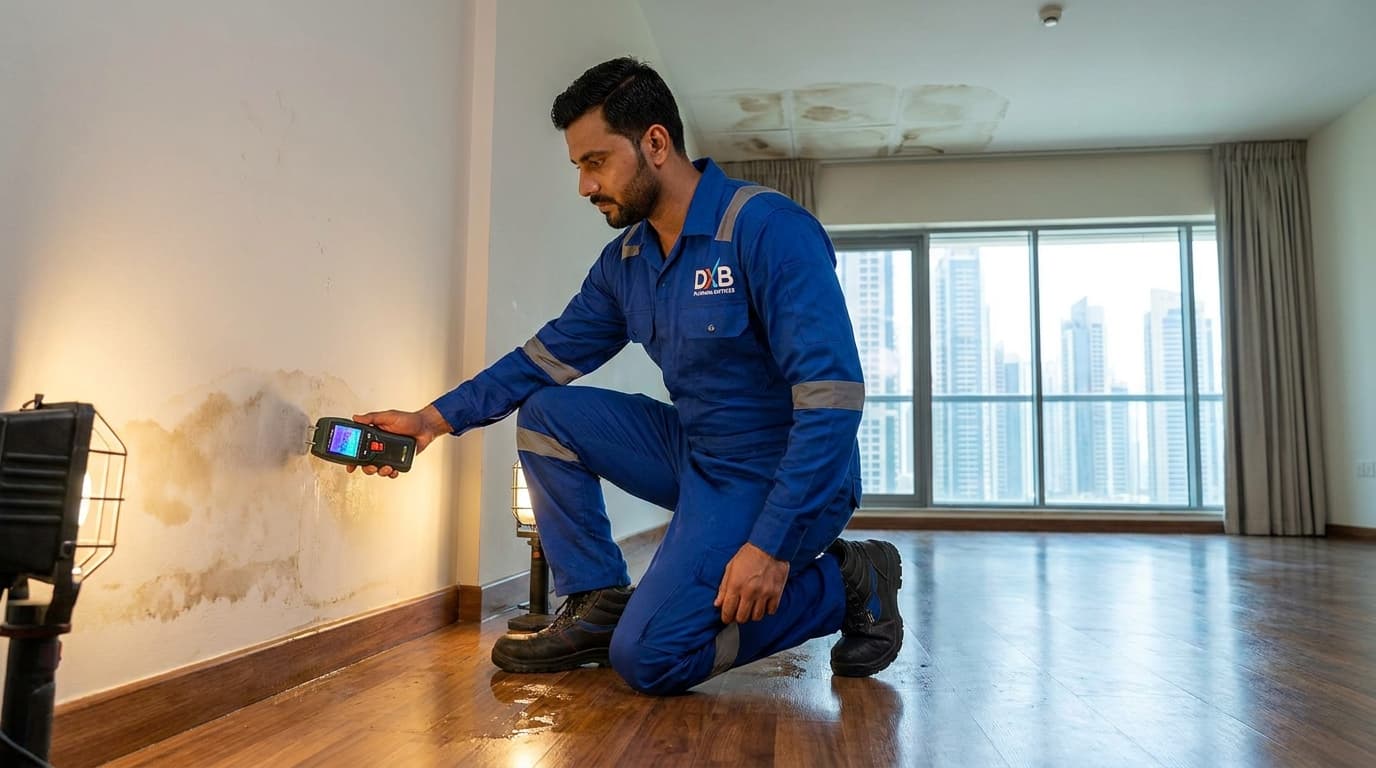
Moisture metres (available from hardware stores or used by professionals) detect hidden water.
Address Electrical Safety
Don't restore power until:
- All water is removed from affected areas
- Electrical outlets and switches are dry
- A qualified electrician has inspected systems
Water damage to electrical systems isn't always visible but can cause fires or electrocution.
First Week: Restoration Begins
Professional Assessment
Within first few days, have professionals assess:
- Structural damage: cheque for compromised structures
- Electrical systems: Ensure safety before use
- Plumbing systems: Identify and repair cause
- Mould risk: Assess likelihood and begin prevention
- Restoration scope: Determine what needs replacement vs repair
Insurance Assessment
Your insurance company should send an adjuster within a few days:
- Show all damage thoroughly
- Provide documentation and photos
- Keep detailed notes of their assessment
- Don't agree to settlements immediately-assess full damage first
- Get copies of their reports
Ongoing Drying
Professional drying typically takes 3-7 days depending on severity:
- Industrial dehumidifiers
- High-velocity air movers
- Moisture monitoring
- Progress documentation
Don't rush this stage. Inadequate drying causes mould problems later.
Prevent Mould Growth
In Dubai's climate, mould prevention is critical:
- Keep humidity below 60% using dehumidifiers
- Apply antimicrobial treatments to affected areas
- Remove any materials showing mould signs immediately
- Don't seal or paint over damp areas
Repairs and Restoration
Once properly dried, restoration can begin.
Typical Repairs Required
Flooring:
- Tile: Usually salvageable once dried, may need re-grouting
- Carpet: Usually requires replacement if heavily soaked
- Wood/laminate: Often needs replacement if swollen
- Concrete: Typically fine once dried
Walls:
- Paint: Needs repainting after drying
- Drywall/gypsum: Bottom sections often need replacement
- Insulation: Replace if wet
- Electrical in walls: Inspect and test before use
Ceilings:
- Water stains: Can sometimes be sealed and repainted
- Sagging: Indicates structural damage, needs assessment
- Mould: Requires treatment before sealing
Systems:
- Plumbing: Repair or replace failed components
- Electrical: Test all circuits, replace damaged components
- AC: Service if cause was AC-related
Restoration Timeline
- Minor damage: 1-2 weeks (drying + minor repairs)
- Moderate damage: 2-4 weeks (drying + significant repairs)
- Major damage: 1-3 months (extensive restoration)
Living Arrangements During Restoration
For major damage, you may need temporary accommodation:
- cheque if insurance covers alternative accommodation
- Hotel costs may be covered
- Keep all receipts
- Some policies have daily limits-understand your coverage
Insurance Claims: What You Need to Know
What's Typically Covered
Most home insurance policies in Dubai cover water damage from:
- Burst pipes
- Appliance malfunctions
- AC unit failures
- Water heater failures
- Accidental overflow
What's Usually NOT Covered
- Gradual leaks (damage from ongoing, unnoticed leaks)
- Lack of maintenance (if damage resulted from neglect)
- Flood from outside sources (requires separate flood insurance)
- Sewer backup (may need additional coverage)
- Mould (unless directly related to covered water damage)
maximising Your Claim
- Notify immediately: Most policies require prompt notification
- Document thoroughly: Photos, videos, detailed inventory
- Keep all receipts: Emergency repairs, hotel, damaged items
- Don't discard items: Until adjuster has seen them
- Get multiple quotes: For restoration work
- Review settlement carefully: Ensure all damage is included
Dealing with Damage to Other Units
If you're in an apartment and your leak damages units below:
- Your insurance should cover liability
- Notify your insurance immediately
- Cooperate with affected neighbours' claims
- Document what happened
- Don't admit fault-let insurance handle it
If You're the Victim of Leak from Above
- Document damage to your unit
- Notify your insurance
- Your insurance may pursue the other party's insurance
- Don't try to negotiate directly-insurance handles this
Prevention: Worth More Than Cure
Most water damage is preventable with proper maintenance and precautions.
Regular Maintenance Tasks
Monthly:
- cheque under sinks for leaks
- Inspect visible pipes for corrosion or moisture
- Clean AC filters
- cheque AC drain lines aren't blocked
- Test appliance hoses for bulges or cracks
Quarterly:
- Professional AC service
- Inspect water heater for leaks or corrosion
- cheque washing machine hoses
- Test toilet seals
Annually:
- Professional plumbing inspection
- Water heater service
- Replace appliance supply hoses
- cheque balcony drainage (apartments)
- Roof inspection (villas)
Smart Prevention Measures
- Water leak detectors: Place near water heaters, under sinks, near washing machines
- Automatic shutoff valves: Can be triggered by leak detectors
- Washing machine hoses: Replace standard with stainless steel braided hoses
- Main water shutoff: Know where it's, test it works, ensure family knows
- AC drain pan: Install secondary drain pans under AC units
- Overflow alarms: For water heaters and AC units
When Leaving Property Unattended
If away for extended periods:
- Consider turning off main water supply
- Set someone to cheque property regularly
- Don't turn off AC completely (causes humidity damage)
- Leave emergency contact information with neighbours
- Notify building management of absence
Professional Water Damage Restoration
For significant water damage, professional restoration is essential.
What Professionals Provide
- Industrial water extraction: Removes water much faster than DIY
- Structural drying: specialised equipment dries hidden moisture
- Moisture monitoring: Ensures complete drying
- Mould prevention: Antimicrobial treatments
- Content restoration: Salvage furniture, documents, electronics
- Reconstruction: Repair damaged structures
- Insurance documentation: Detailed reports for claims
When to Call Professionals
Call professionals for:
- More than a few centimeters of standing water
- Water from contaminated sources (sewage, flooding)
- Damage to multiple rooms
- Water in walls, ceilings, or subfloors
- Valuable items affected
- Any sign of mould growth
- Electrical system exposure
What to Expect From Restoration Companies
Initial response (within hours):
- Assessment of damage extent
- Water extraction begins
- Content inventory and protection
- Drying equipment deployment
First few days:
- Continuous drying and monitoring
- Removal of unsalvageable materials
- Antimicrobial treatment
- Progress documentation
Restoration phase:
- Repairs and reconstruction
- Painting and finishing
- Content cleaning and restoration
- Final inspection
Frequently Asked Questions
How quickly does mould grow after water damage?
Mould can begin growing within 24-48 hours in Dubai's humid climate. This is why rapid drying is important. Once established, mould spreads quickly and becomes much harder to remediate.
Can I clean up water damage myself?
For very minor incidents (small spills, minor leaks caught quickly), yes. For anything more-standing water, soaked drywall, multiple rooms-professional help is worth it. DIY often misses hidden moisture leading to mould problems later.
Should I run AC after water damage?
Once you've confirmed it's electrically safe, yes-AC helps dehumidify. But ensure electrical systems have been checked first, especially if water was near outlets or fixtures.
Will insurance cover damage to units below mine?
Your liability coverage should cover damage your leak causes to other units. This is why having adequate insurance is important in apartment buildings.
How long until I can move back after water damage?
Minor damage: Few days. Moderate damage: 1-2 weeks. Major damage: Several weeks to months. The property must be completely dry and safe before occupancy.
What should I do if water damage happens while I'm away?
Have someone cheque immediately if notified. The longer water sits, the worse damage becomes. If no one can access, contact building management (apartments) or emergency locksmith and plumber (villas) to minimise damage.
Get Emergency Help Now
Water damage requires immediate response. European Technical provides 24/7 emergency water damage response including:
- Emergency plumbing repairs
- Water extraction and drying
- Electrical safety inspection
- Damage assessment
- Insurance documentation support
- Complete restoration services
For water damage emergencies: +971 58 544 1160 (24/7)
For non-emergency consultation or preventative maintenance: schedule online.
Emergency Contacts Checklist
Save these numbers now-don't wait for an emergency:
- European Technical 24/7: +971 58 544 1160
- DEWA Emergency: 991
- Dubai Police/Ambulance/Fire: 999
- Your building management: _______
- Your insurance company: _______
- Your landlord (if applicable): _______
Know where your main water shutoff is located. Test it works. Ensure everyone in your household knows where it's.
Water damage response is time-sensitive. Every minute counts.