Ant Infestations in Dubai: Why They Happen and How to Stop Them
Ants are the complaint we hear most often once the weather warms up. A villa in Arabian Ranches, a flat in Marina, a warehouse in Al Quoz: it makes little difference. When the heat climbs, ants come looking for water and food, and Dubai's buildings offer plenty of both.
Most people reach for a supermarket spray, kill the trail they can see, and assume the problem is solved. A week later the ants are back, often in greater numbers. Understanding why tells you a lot about how to deal with them properly.
Which ants you are actually dealing with
Three species cause nearly all the trouble in Dubai homes.
Pharaoh ants are small, pale yellow, and the hardest to shift. They nest deep inside wall cavities and under flooring, and spraying them makes things worse. The colony responds to a chemical attack by splitting, a process called budding, so one nest becomes several. We see this constantly after a resident has tried to treat them alone.
Ghost ants are tiny, with a dark head and a pale, almost translucent body. They love moisture, so kitchens and bathrooms are their favourite haunts. White-footed ants are larger, forage in long visible trails, and are the ones most people picture when they think of an ant problem.
There are others. Carpenter ants turn up where timber has stayed damp, hollowing it out as they go. Crazy ants, named for their erratic scurrying, swarm in sudden numbers and have a knack for shorting out plug sockets and AC units. Each one behaves differently, which is exactly why a single tactic rarely works on all of them.
Telling them apart matters because the treatment differs. What clears a ghost ant problem will barely dent a pharaoh ant colony. Getting the identification wrong is the single most common reason a do-it-yourself attempt fails, and it is the first thing a trained technician gets right.
Why Dubai is such fertile ground
The climate does most of the work. Outside, summer ground temperatures are brutal and water is scarce. Inside, your home is cool, humid around the sinks, and full of crumbs. From an ant's point of view it is an oasis.
Construction plays its part too. Expansion joints, gaps around plumbing risers, and the cavities behind kitchen units give colonies somewhere safe to live, well out of reach of anything you spray on the worktop. In older buildings around Deira and Bur Dubai, settled cracks open up fresh routes every year.
Newer towers are not immune either. Service shafts run floor to floor, and a colony in a ground-level landscaped bed can follow the warmth and moisture all the way up. We have traced trails in Marina apartments back to planting outside the lobby, ten storeys below.
Then there is the way we live. Shared rubbish chutes, communal landscaping, and back-to-back villas mean a colony evicted from one home simply walks next door and, often, back again. In a compound, treating one unit in isolation is a short-term fix at best. The ants were never confined to your four walls.
Why the shop-bought spray keeps failing
A surface spray kills the ants you can see. It does nothing to the queen, and she is the entire problem. A single colony can hold several queens and tens of thousands of workers, almost all of them hidden. Wipe out the visible trail and the nest replaces it within days.
With pharaoh ants the spray is worse than useless, because it triggers the budding we mentioned earlier. You end up with more colonies than you started with, scattered through the structure. We have walked into homes where a fortnight of determined spraying turned one kitchen trail into ants in three separate rooms.
Repellent sprays cause a second problem. Ants read the treated surface as a barrier and simply reroute, often deeper into the wall cavity where you will never reach them. The trail vanishes from the worktop, the resident assumes victory, and the colony quietly relocates somewhere harder to treat.
Proper control works the opposite way round. Instead of killing foragers on contact, you let them carry a slow-acting bait back to the nest, where it reaches the queens and the brood. The trail you can see becomes the delivery system that destroys the colony you cannot.
How we handle it
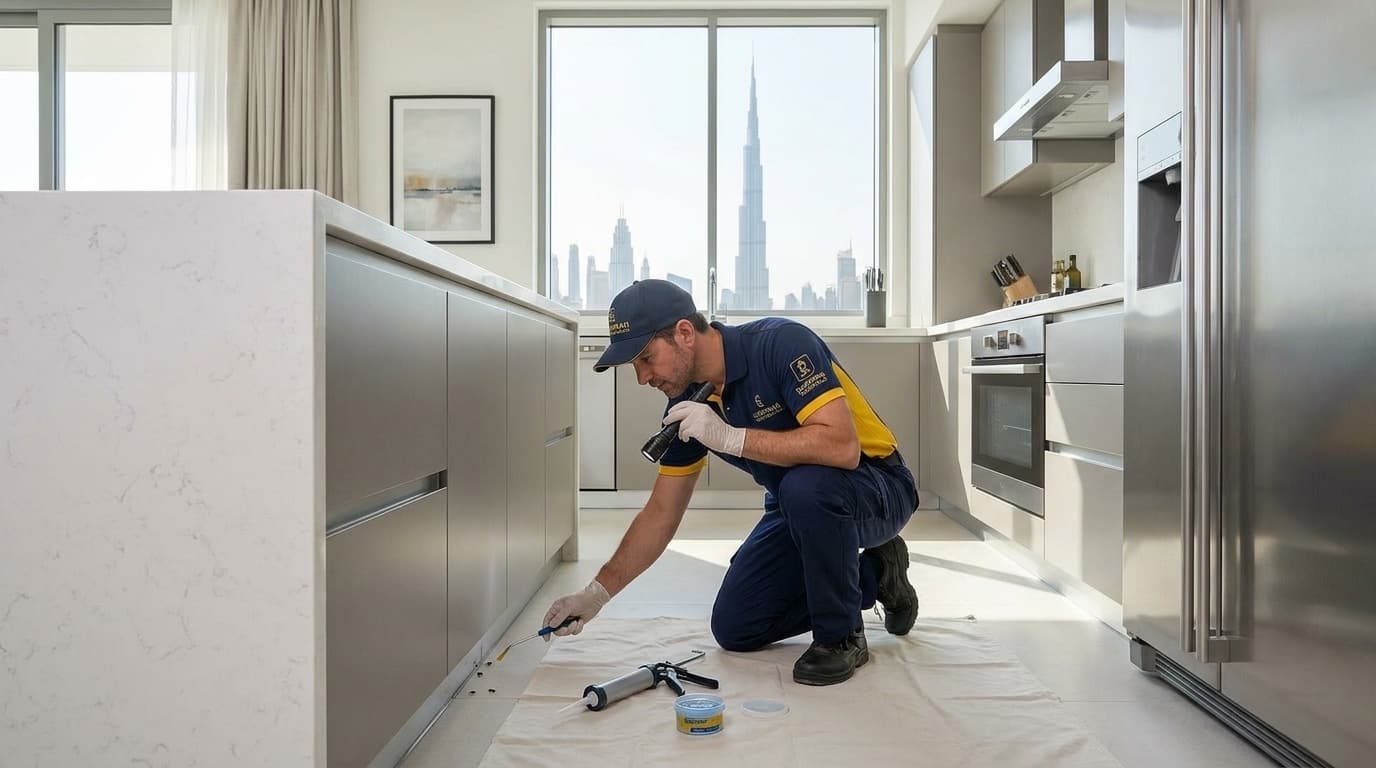
Our technicians start by identifying the species and tracing the trails back towards the nest, rather than treating the first ants they spot. The bait is then matched to the species, because ghost ants and pharaoh ants prefer different formulations, and placed where the ants are actually feeding.
Crucially, we ask you not to spray or clean the bait areas for a few days. It looks counterintuitive to leave ants alone, but that traffic is what carries the treatment home. We follow up to confirm the colony has collapsed and to seal the entry points that let them in.
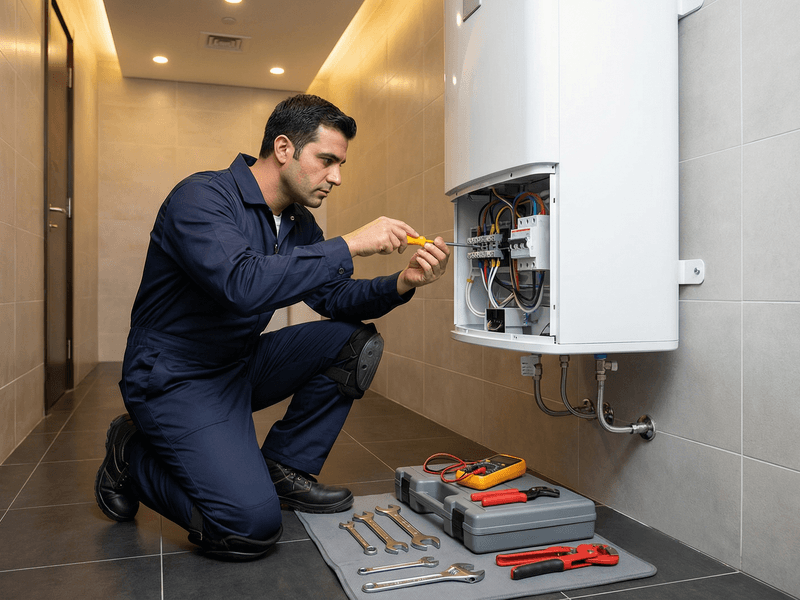
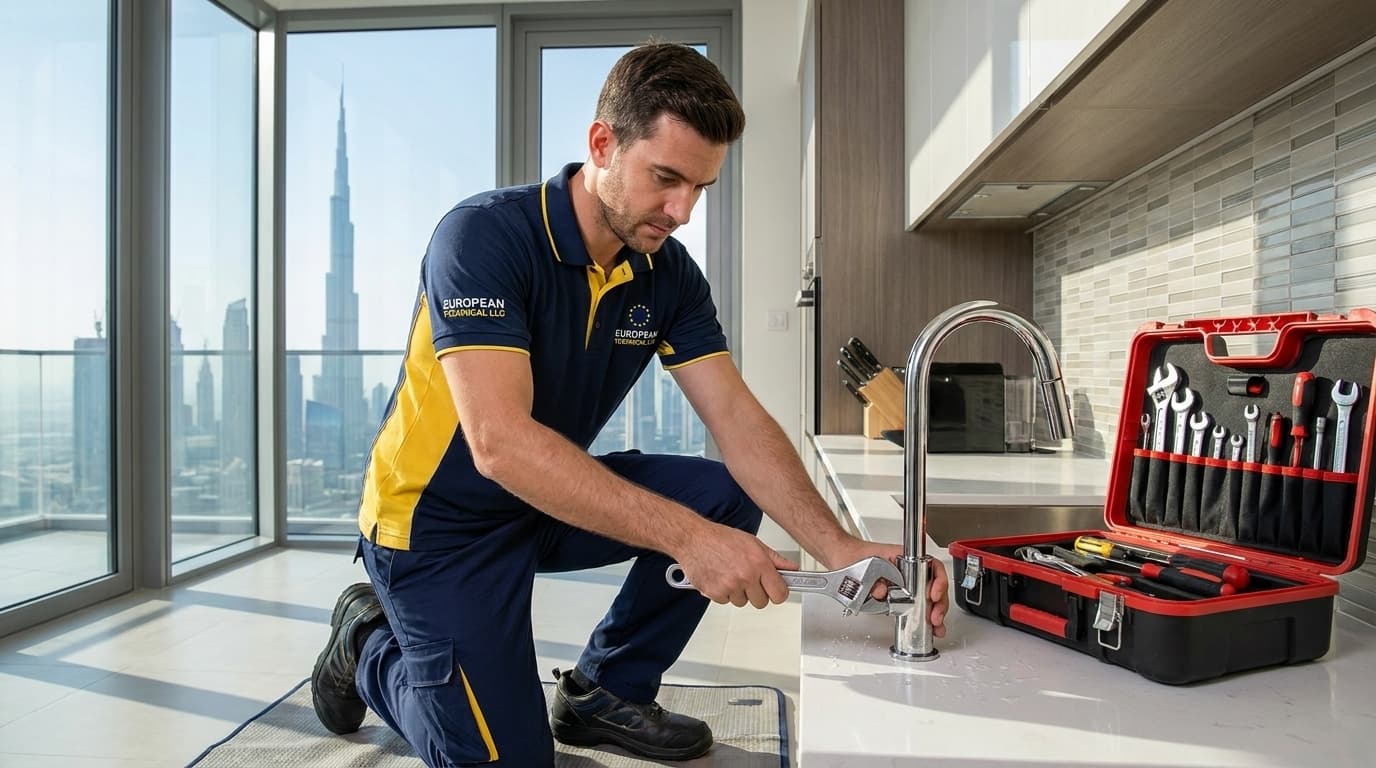
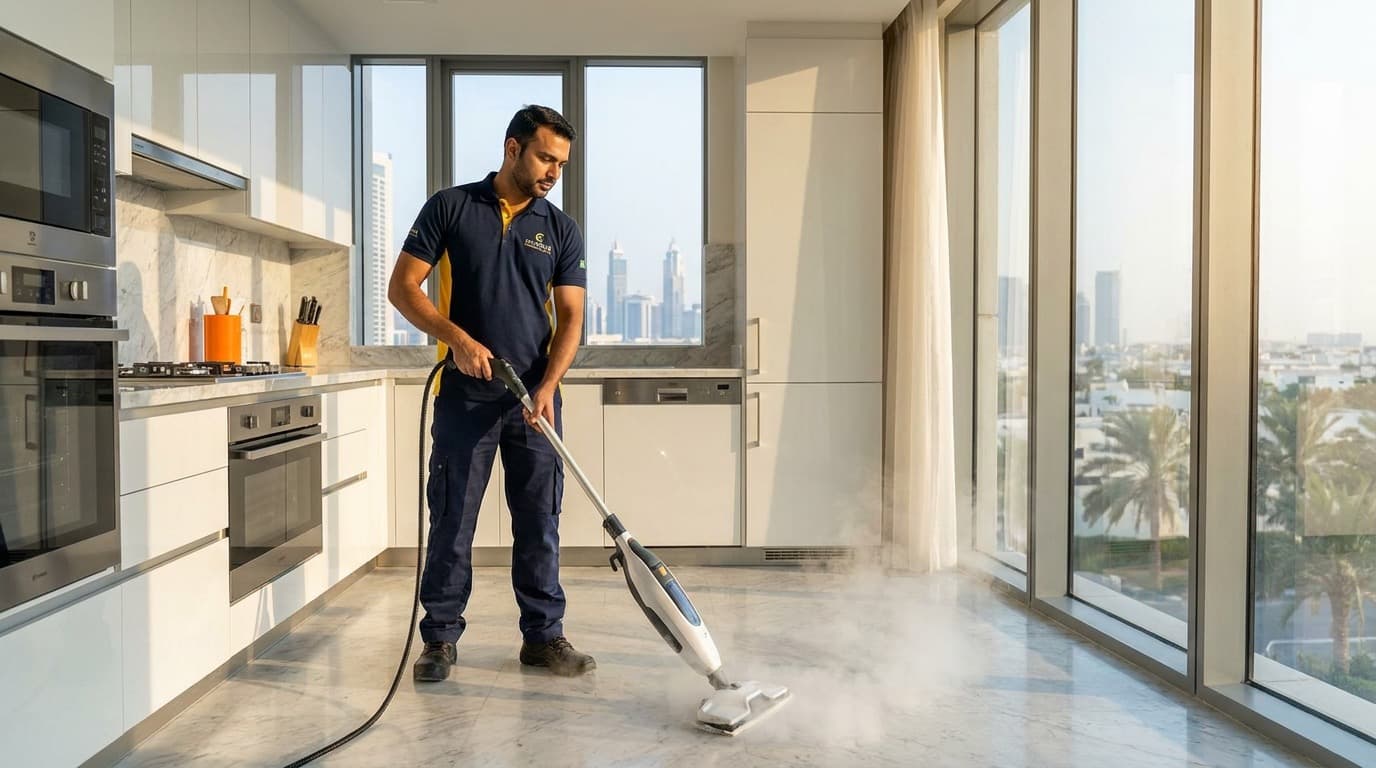
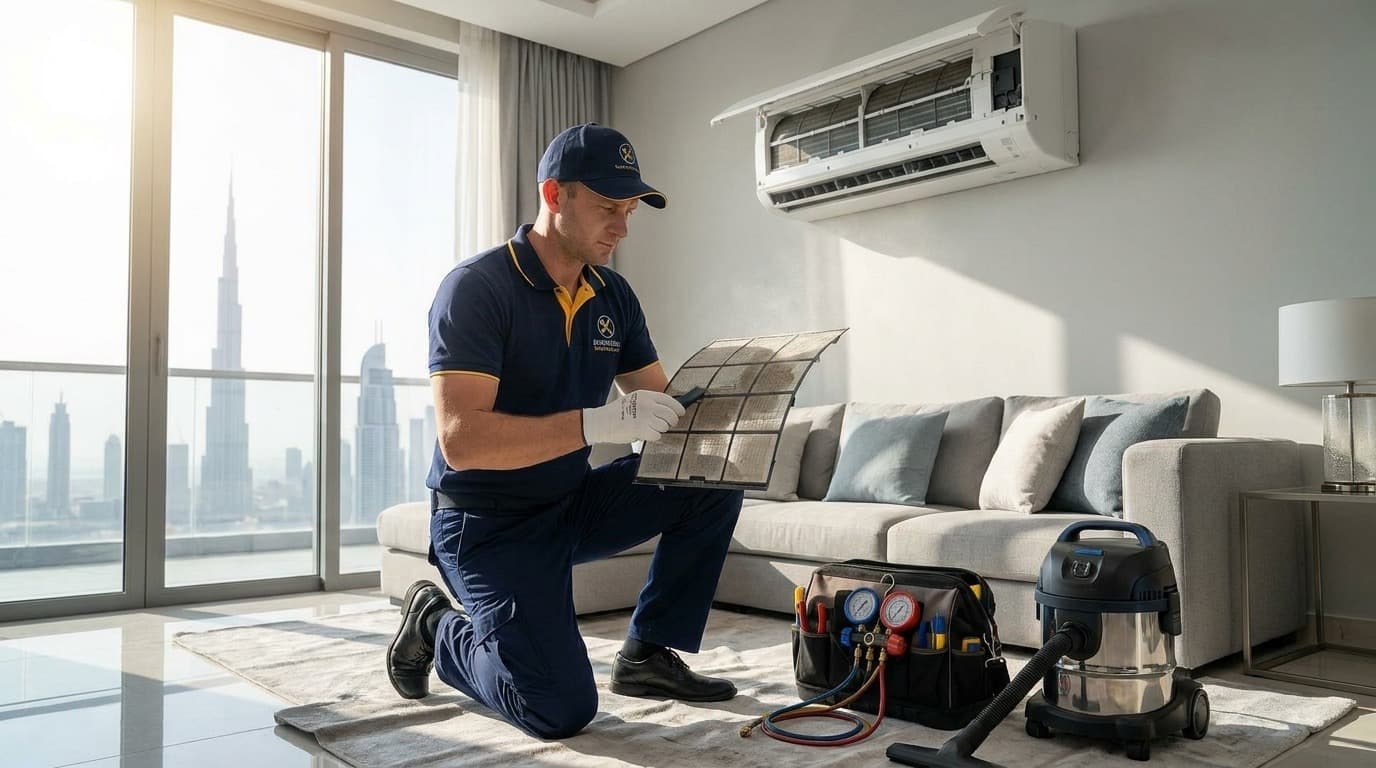
That last step matters more than people expect. Ant control is as much about the building as the insect. Where gaps around pipework are the entry route, our plumbing team can fix the leaking joint that drew the colony in and seal the penetration properly. Where the problem is worn skirting, loose trims, or cracked grout, our handyman service closes the gaps so a treated home stays treated. And because crazy ants are drawn to the warmth of condensing units, a serviced, clean AC system is less of a magnet, which is where our AC maintenance work quietly helps. A deep kitchen and tank clean removes the food and water residues that keep foragers coming back.
For a standard villa or flat, a targeted ant treatment in Dubai typically runs from around AED 250 to AED 450 depending on the size of the property and how established the infestation is. Larger homes, recurring problems, or commercial kitchens are quoted after an inspection. Many residents fold pest control into an annual maintenance contract, which works out cheaper than repeat one-off visits and keeps seasonal flare-ups, along with the plumbing and AC issues that invite ants in, under one roof.
What you can do yourself
Prevention is mostly about removing the oasis. Keep worktops free of crumbs and store dry food in sealed containers. Fix dripping taps and wipe down wet sinks at night, since water draws ants as much as food does. Take rubbish out promptly and rinse recycling. Seal obvious gaps around pipes and skirting where you can.
Outside matters too. Keep landscaped beds and potted plants a little away from the walls, trim back any branches touching the building, and clear standing water after irrigation. These are the bridges ants use to reach the house, and removing them buys you real protection.
None of this clears an established colony, but it makes your home a far less attractive place to settle, and it stops a treated property from being re-invaded.
When to call us
If you have seen the same trails for more than a week, found ants in more than one room, or already tried a spray and watched the problem spread, the colony is established and needs proper treatment. That is particularly true of pharaoh ants, where the wrong approach genuinely makes things worse.
European Technical handles ant control across Dubai for homes and businesses, with technicians who identify the species before they treat it. Get in touch for an inspection and a fixed quote.
Frequently asked questions
How long does ant treatment take to work?
You will usually see foraging drop off within a few days as the bait reaches the nest, and a colony is typically gone within one to two weeks. Pharaoh ant jobs can take a little longer because the colony is larger and more dispersed. We follow up to confirm it has collapsed rather than just quietened down.
Is the treatment safe around children and pets?
Yes. We use targeted gel baits and place them in cracks, voids, and behind units, out of reach of children and pets, rather than spraying open surfaces. We will talk you through which areas to leave undisturbed for a few days.
Why should I not clean where the ants are?
The visible trail is how the bait gets carried back to the queens. Cleaning or spraying it breaks the delivery route and leaves the nest intact. Hold off on those specific spots for a few days and let the ants do the work for you.
Do I need a one-off visit or an annual contract?
A single visit clears an active infestation. If you have had ants return season after season, or you manage a villa, restaurant, or commercial kitchen, an annual maintenance contract is usually cheaper than repeat call-outs and catches the plumbing and AC issues that attract ants in the first place.
Can ants really damage my property?
Some can. Carpenter ants hollow out damp timber, and crazy ants are notorious for nesting in electrical fittings and AC units, where they cause shorts. Beyond the structural worry, any infestation in a kitchen is a hygiene problem worth dealing with promptly.