Why Plumbing Maintenance Matters More in Dubai Than Almost Anywhere Else
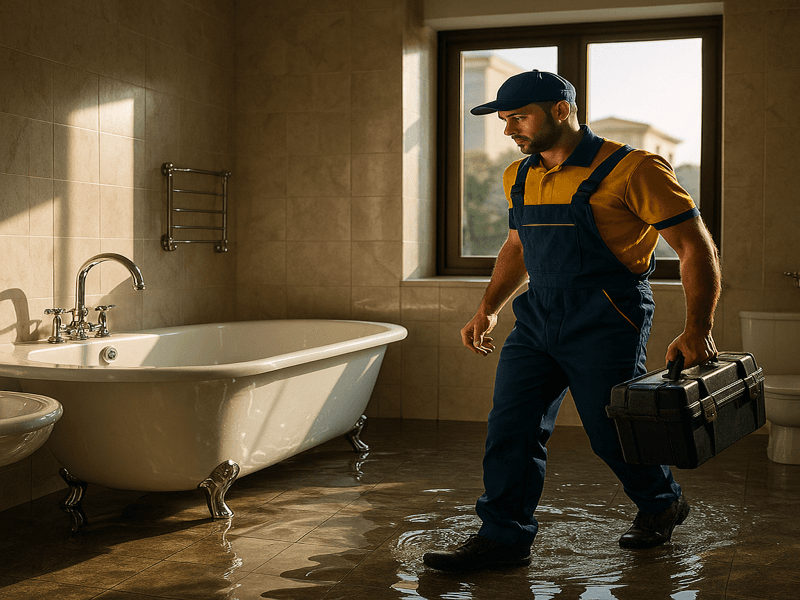
If you own or rent a home in Dubai, you will know that water behaves differently here. The tap water is desalinated and relatively hard, the summer heat pushes air conditioning and water use to their limits, and humidity in areas like Dubai Marina and Jumeirah Beach Residence accelerates corrosion and mould around any point where water escapes. A small leak that would be a minor annoyance in a cooler climate can quietly damage cabinetry, walls and flooring here within weeks.
The good news is that most plumbing problems in Dubai homes follow predictable patterns. Leaky faucets, clogged drains, running toilets, low water pressure and, occasionally, pipe bursts account for the vast majority of callouts our team at European Technical handles across apartments and villas from JVC to Arabian Ranches. Understanding what causes these issues, and building a few simple habits into your routine, will save you money on your DEWA bill and protect your property from water damage.
This guide walks through the most common plumbing problems in Dubai homes, what you can safely do yourself, when to call a licensed plumbing professional, and how a preventive maintenance routine keeps everything flowing.
The Most Common Plumbing Problems in Dubai Homes
Leaky Faucets and Pipes
A dripping tap seems harmless. It is not. A single leaky faucet can waste thousands of litres of water over a year, and in Dubai that wasted water shows up directly on your DEWA bill. Leaks almost always result from worn-out components: washers, O-rings and valve seats degrade over time, particularly with the mineral content in local water. Constant exposure to water pressure gradually damages these small parts, and hard water deposits speed the process along.
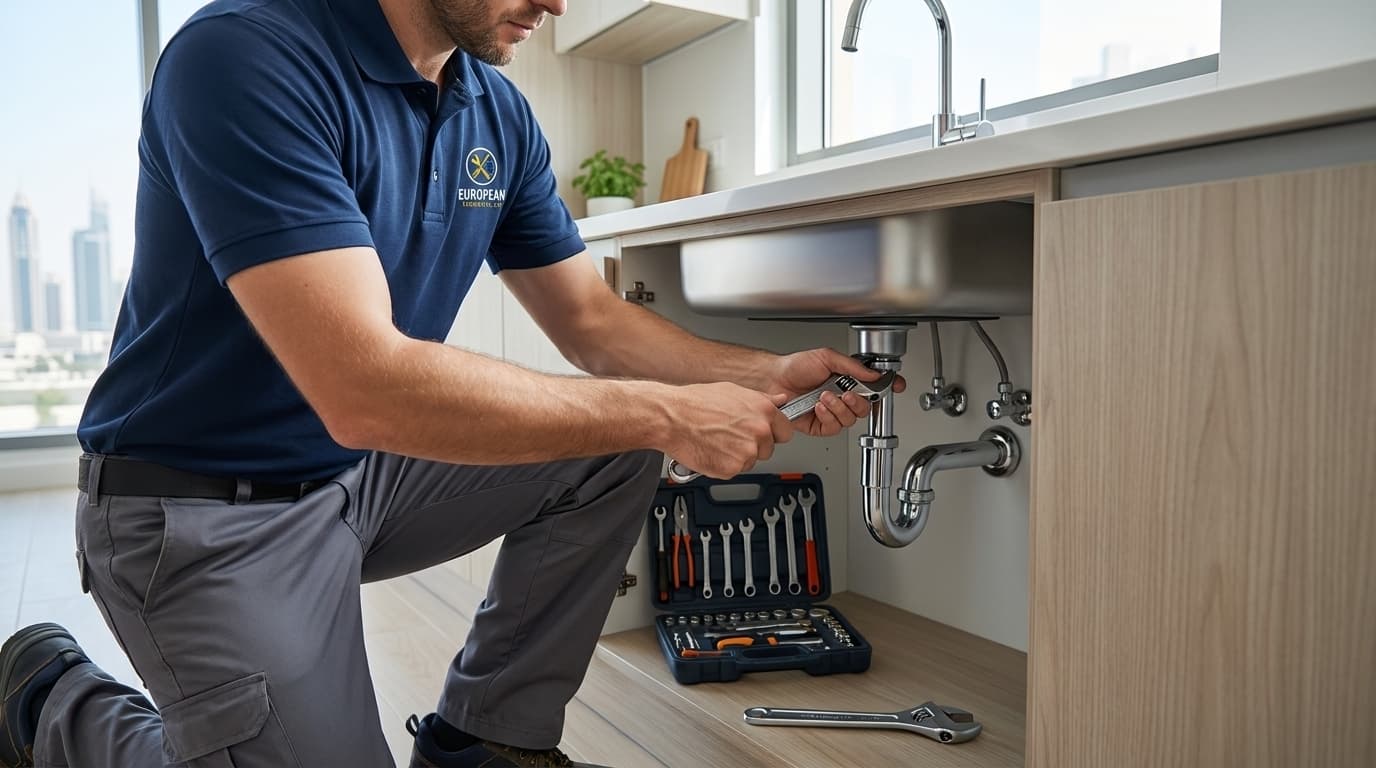
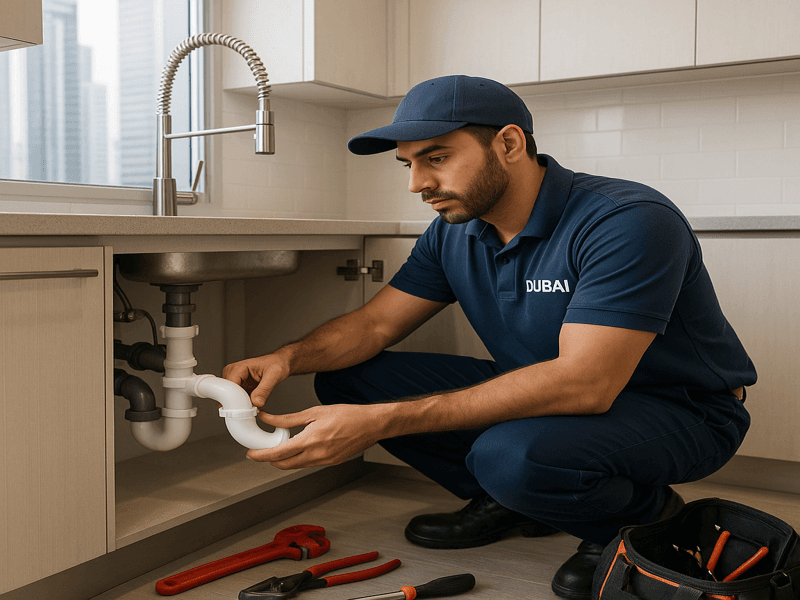
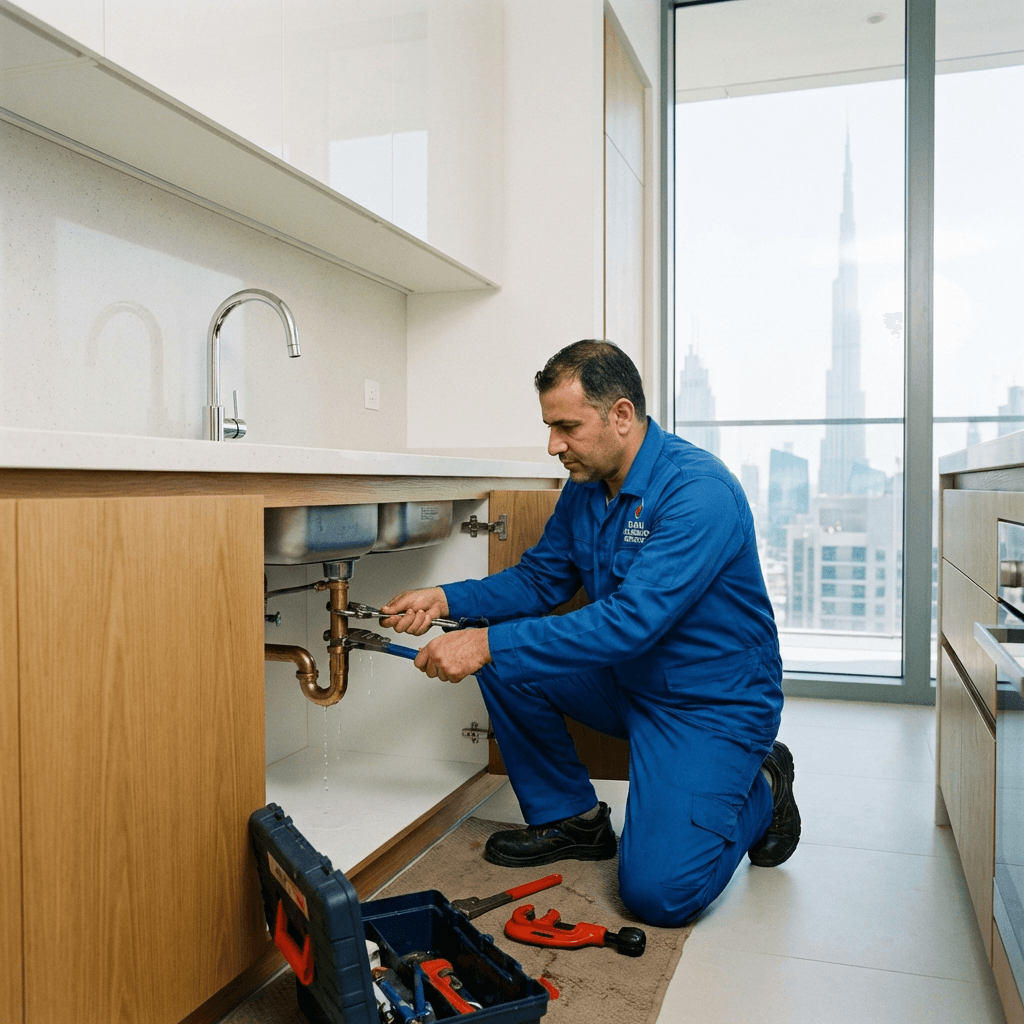
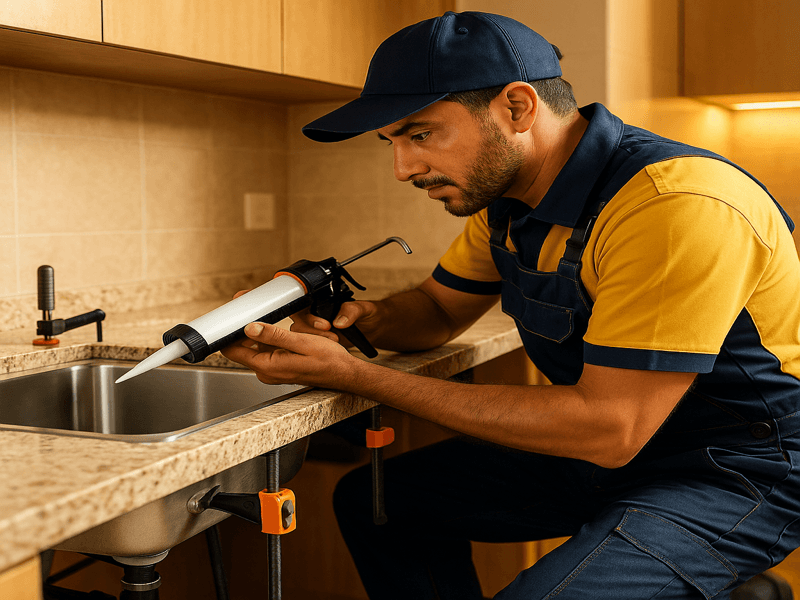
Leaky pipes are more serious. In apartments in Downtown, Business Bay or Marina towers, much of the pipework sits behind walls and within shared risers, so a slow leak may only reveal itself as a damp patch, a musty smell or an unexplained spike in your water bill. In villas in Arabian Ranches or Springs-style communities, leaks tend to appear around water heaters, garden irrigation connections and under kitchen sinks. Check under sinks weekly. Look for greenish corrosion on copper fittings, water stains on cabinet bases, and limescale build-up around joints.
Clogged Drains
Clogged drains are one of the biggest plumbing headaches in Dubai. In bathrooms, the culprits are hair and soap scum. In kitchens, it is grease, oils and fats that stick to the inside of the pipes, combined with soap residue and food particles. Over months, this builds into a stubborn blockage that no amount of hopeful pouring will shift.
The first warning sign is usually slow drainage. Water pooling around your feet in the shower, or a kitchen sink that takes a minute to empty, means a clog is forming. Deal with it early.
Running Toilets and Toilet Clogs
A running toilet is the quiet budget killer. If the flapper valve inside the cistern is worn or the float is misaligned, water runs continuously into the bowl, and you pay for every litre. Lift the cistern lid and look: if water is flowing into the overflow pipe, the fill valve needs attention.
Toilet clogs usually happen because inappropriate items have been flushed. Wet wipes, even those labelled flushable, sanitary products, cotton buds and excessive toilet paper are the usual suspects. In high-rise buildings, a blockage in a shared line can affect several apartments at once, so what goes down your toilet matters to your neighbours too.
Low Water Pressure
Low water pressure in a Dubai apartment can stem from clogging in the aerator or shower head, corrosion inside older pipework, or reduced delivery from the main supply. Before assuming the worst, unscrew the aerator on your tap and check for limescale. Dubai water is mineral-rich, and aerators clog regularly. Soaking the aerator in white vinegar for an hour often restores full flow. If pressure is low throughout the whole apartment, or affects hot and cold differently, the issue may sit in the building's supply system, which is a matter for the building management or a professional plumber.
Rusty or Dirty Water
Discoloured water occasionally appears in Dubai, usually brownish or yellowish after building maintenance work on the mains, or when older galvanised pipes corrode. Run the cold tap for a few minutes. If the water clears, it was disturbance in the supply. If it persists, particularly only at one outlet, the problem may be inside your unit's pipework and deserves professional inspection.
DIY Plumbing Maintenance Habits That Actually Work
You do not need to be a plumber to keep your home's plumbing healthy. These habits take minutes and prevent the majority of problems we are called out for.
1. Do a Monthly Leak Check
Once a month, walk through your home and check under every sink, around the toilet base, behind the washing machine and around the water heater. Look for dampness, staining, mould spots and drips. Check your water meter last thing at night and again in the morning before anyone uses water; if it has moved, you likely have a hidden leak.
2. Clean Aerators and Shower Heads Regularly
Limescale builds up fast in Dubai. Unscrew tap aerators and shower heads every couple of months and soak them in vinegar to dissolve mineral deposits. This alone resolves a surprising number of low-pressure complaints.
3. Be Careful What Goes Down the Drain
Use a hair catcher in every shower drain. Scrape plates into the bin before rinsing, and never pour cooking oil or fat down the kitchen sink; let it cool and bin it. Run hot water with a squirt of dishwashing liquid down the kitchen sink weekly to help flush grease through the pipes before it sets.
4. Know Your Shut-Off Valve Locations
Every homeowner should know where the main shut-off valve is, plus the isolation valves behind toilets and under sinks. When a pipe bursts, and in summer the thermal expansion and constant AC condensation can stress joints, those first thirty seconds matter. Make sure family members or staff know too.
5. Flush Your Water Heater Annually
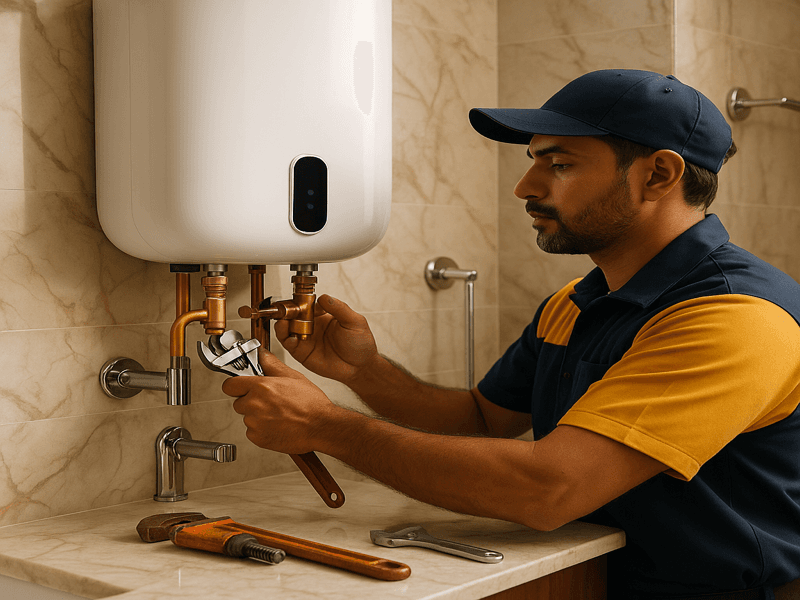
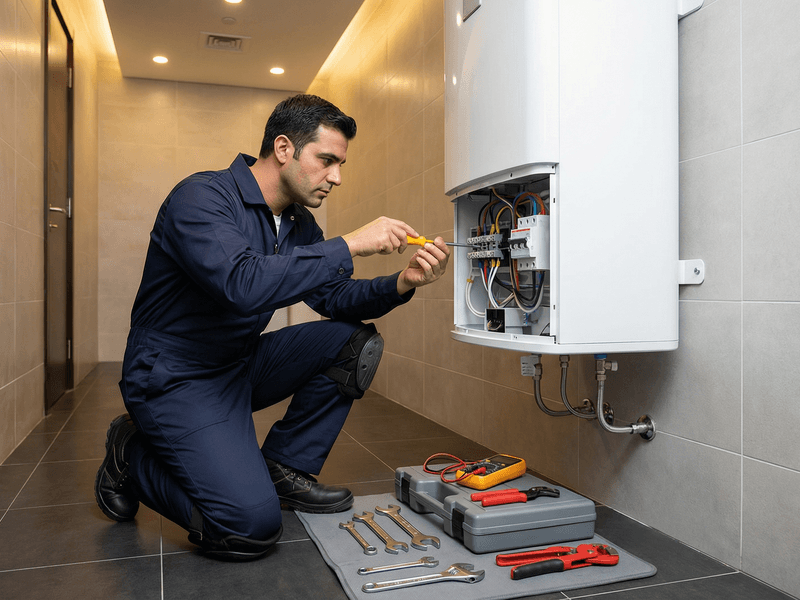
Sediment collects in water heater tanks, reducing efficiency and shortening the unit's life. An annual flush, ideally before summer, keeps it running efficiently. This is a job a handyman or plumber can handle quickly during a routine visit.
Clearing a Blocked Drain: What to Try First
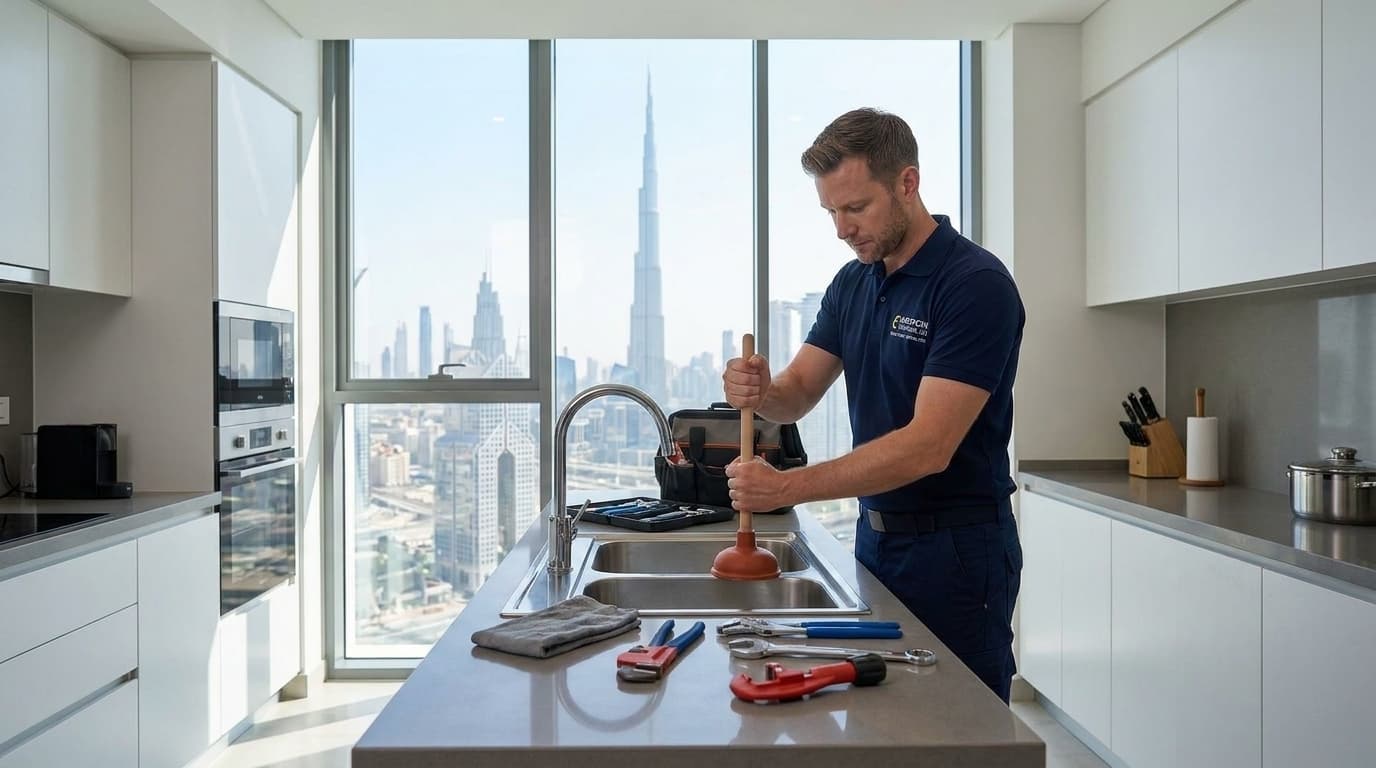
For a kitchen sink clog, start simple. Run hot water and dishwashing soap down the drain, follow with more hot water, then use a plunger to shift the blockage. This combination deals with most grease and soap build-ups. For bathroom drains, remove visible hair from the drain cover before plunging.
If the clog persists, you can consider a chemical drain cleaner, but use these sparingly and strictly per the instructions. Harsh chemicals used repeatedly can damage pipe joints, especially in older apartment buildings, and they rarely clear serious blockages. For anything beyond a simple clog, call a professional. Licensed plumbers use drain snakes, high-pressure water jetting and inspection cameras to clear blockages thoroughly without damaging your pipes, and to identify whether the real problem is a broken sewer line or a shared riser issue that needs building management involvement.
Apartments vs Villas: Who Is Responsible for What
Apartment living in Dubai adds a layer of complexity. Plumbing in high-rises is interconnected, meaning one issue can affect several units at once, and troubleshooting is complicated by limited access to pipes behind walls and shared responsibility for repairs. As a general rule in Dubai, the landlord or building management is responsible for structural and shared infrastructure, while tenants and owners are expected to avoid misuse, such as flushing inappropriate items or pouring grease down drains. Wear and tear on fixtures inside your unit is typically the occupant's or owner's responsibility to resolve.
If a leak appears to come from the ceiling or a wall shared with a neighbouring unit, report it to building management immediately and document it with photos. Delaying helps nobody, because water travels and the damage bill grows.
Villa owners have full responsibility for their own pipework, irrigation lines and water heaters, which makes a preventive routine even more valuable. Whatever your property type, an annual maintenance contract takes the guesswork out of it: scheduled inspections catch worn washers, corroded fittings and partial blockages before they become emergency callouts. You can read more about our approach on the European Technical home page.
When to Call a Professional Plumber
Some jobs are genuinely DIY. Many are not. Call a licensed plumber in Dubai when:
- A leak persists after replacing a washer, or you cannot access its source
- Water pressure drops throughout the property with no obvious aerator cause
- A drain remains blocked after plunging and hot water
- You notice damp patches, mould or staining on walls or ceilings
- Water is discoloured and does not clear after running the tap
- A pipe bursts or a joint fails
Attempting major repairs yourself can void warranties, breach tenancy or building rules, and turn a small job into a large one. Professional plumbers carry the right tools, spare parts and experience with Dubai's common fixture brands, and a licensed company provides the accountability that matters in a rental or managed building.
A Simple Seasonal Plumbing Checklist for Dubai Homes
Twice a year, ideally in spring and autumn, work through this list:
- Check every tap, shower and toilet for leaks or continuous running
- Inspect under-sink cabinets for dampness and corrosion
- Clean all aerators and shower heads
- Test the main shut-off valve turns freely
- Flush the water heater
- Check washing machine and dishwasher hoses for bulging or cracking
- Inspect around the water heater and AC condensate lines for leaks
- Look for cracked grout or sealant around wet areas
If any item raises a concern, book a plumber before the summer peak, when demand for emergency callouts across Dubai is at its highest and small problems compete with big ones for attention.
FAQ
What are the most common plumbing problems in Dubai apartments?
The most common issues are leaky faucets, clogged drains, running toilets, low water pressure and occasional pipe bursts. Leaks usually result from worn-out washers, O-rings or mineral build-up from hard water, while clogs are typically caused by hair, soap scum, grease and food waste. Rusty or dirty water can also appear occasionally, usually after disturbance to the building's water supply.
How much water does a leaky faucet waste?
A single dripping faucet can waste thousands of litres of water per year, which shows up directly on your DEWA bill. Because leaks usually come from small worn components like washers and O-rings, they are inexpensive to fix if caught early, but costly to ignore.
How do I clear a blocked drain myself?
Start by running hot water and dishwashing soap down the drain, follow with more hot water, then use a plunger. For bathroom drains, remove hair from the drain cover first. If the clog persists, a chemical cleaner used strictly per instructions is an option, but repeated use can damage pipes. Stubborn blockages need a professional, who will use a drain snake, high-pressure jetting or a camera to clear the line safely.
Who is responsible for plumbing repairs in a Dubai apartment, the tenant or the landlord?
It depends on the issue. Structural damage and shared building infrastructure are generally the landlord's or building management's responsibility, while wear and tear on fixtures within your unit is typically handled by the occupant or owner. Because plumbing lines between apartments are interconnected, report suspected leaks from ceilings or shared walls to building management immediately.
Why is my water pressure low and how do I fix it?
Low water pressure is often caused by a limescale-clogged aerator or shower head, which you can fix by soaking the part in white vinegar. If pressure is low across the whole apartment, the cause may be pipe corrosion or reduced delivery from the main supply, and a professional plumber should inspect the system.
How often should plumbing be inspected in a Dubai home?
A professional inspection once or twice a year is a sensible rhythm for Dubai homes, ideally before summer. Regular checks catch worn washers, corroded fittings and partial blockages early. An annual maintenance contract is the easiest way to keep this on schedule, and it typically costs far less than a single emergency repair caused by an undetected leak.