Rodent Control in Dubai: A Complete Guide for Homeowners and Tenants
Introduction
Rodent infestations are a serious concern for property owners and tenants across Dubai. From villas in Arabian Ranches and The Springs to apartments in Marina and JLT, rats and mice can find their way into any property when conditions are right. The warm climate, combined with food sources and nesting opportunities in urban environments, makes rodent control a year-round necessity rather than a seasonal chore.
Dealing with rodents isn't just about eliminating an existing problem. it's about understanding the warning signs, acting quickly, and taking preventive steps to stop them returning. dealing with a few droppings in the kitchen or a full-blown infestation in the ceiling cavity, this guide covers everything Dubai residents need to know about rodent control, from early detection to professional treatment.
Common Signs of a Rodent Infestation in Dubai Homes
Rodents are nocturnal and secretive by nature. You may have an infestation for weeks before spotting an actual mouse or rat. The following signs are the most reliable indicators that you need to take action.
Droppings and Urine Trails Fresh rodent droppings are dark and moist, usually found along walls, inside cabinets, near food storage areas, or in utility rooms. Old droppings turn grey and crumble easily. Rats produce about 40 droppings per night, while mice produce up to 80. If you see droppings in kitchen cupboards, behind appliances, or in the garage, you have an active problem.
Gnaw Marks and Damage Rodent teeth grow continuously, so they gnaw constantly to keep them trimmed. Look for damage to food packaging, electrical wiring, wooden furniture, plastic pipes, and even concrete. Gnaw marks on wires are especially dangerous because they create fire and short-circuit risks. Burnt or frayed wiring in villa compounds in Emirates Hills and Palm Jumeirah has been traced back to rodent activity in ceiling cavities.
Scratching Noises in Walls and Ceilings Scratching, scurrying, or squeaking sounds at night are classic signs of rodents moving through wall cavities, false ceilings, or ductwork. These noises are most noticeable in quiet hours and often come from attics, roof spaces, or behind kitchen cabinetry.
Nests and Burrows Rats and mice build nests from shredded paper, fabric, insulation material, and cardboard. cheque behind large appliances, in storage boxes, and in roof voids. Outdoors, look for burrow holes near garden walls, along fence lines, and under sheds. Rat burrows are typically 5-10 cm wide with smooth, packed edges.
Grease Marks Along Walls Rodents follow the same routes repeatedly. As they travel, grease and dirt from their fur leaves dark, smudged marks along skirting boards, pipes, and wall edges. These rub marks are a strong indicator of established rodent pathways.
Health and Safety Risks from Rodents
Rodents carry over 35 diseases that can be transmitted to humans through direct contact, contaminated food, droppings, urine, and parasites such as fleas and ticks.
In Dubai's climate, where air conditioning and shared ventilation are common in apartment buildings and villa communities, the risks multiply. Rodent droppings can contaminate air handling systems, spreading allergens and pathogens throughout a property. Diseases associated with rodent infestations include salmonellosis, leptospirosis, hantavirus, and rat-bite fever.
there's also the financial risk. Rodents cause structural damage by gnawing through insulation, drywall, and electrical cables. In Dubai villa communities, insurance claims for rodent-related electrical fires have increased, and pest damage is often excluded from standard home insurance policies.
Why Rodent Problems Are Common in Dubai
Several factors make Dubai properties particularly vulnerable to rodent issues.
Construction and Urban Development Dubai's rapid construction creates constant disturbance to rodent habitats. When land is cleared for new developments in communities like Dubai South, Al Furjan, and Damac Hills, displaced rodents move into nearby residential areas. This is why pest control activity often spikes in established neighbourhoods adjacent to new construction sites.
Villa Gardens and Irrigation Systems Villas with gardens, irrigation lines, and outdoor kitchens provide ideal conditions for rodents. Dense landscaping, palm trees, and decorative rocks offer shelter. Drip irrigation systems and pet water bowls supply water. If fruit trees drop produce and it's left to rot, that's a direct food source.
Shared Walls and Ceiling Cavities Dubai apartment buildings and townhouse communities have interconnected ceiling voids, ductwork, and pipe chases. Once rodents enter one unit, they can travel through the entire building. This is why individual pest control treatments often fail - the rodents simply move to the next apartment and return later.
DIY Rodent Control: What Works and What doesn't
Before calling a professional, many homeowners try DIY methods. Some approaches are effective as short-term measures. Others are a waste of time and money.
Snap Traps Traditional snap traps are still among the most effective DIY tools for small infestations. Place them along walls where you have seen droppings or rub marks. Use peanut butter or dried fruit as bait. cheque traps daily and dispose of dead rodents in sealed plastic bags. Snap traps work best with fewer than five rodents. Beyond that, the problem is bigger than DIY can handle.
Glue Boards Glue boards are inhumane and ineffective for long-term control. They catch rodents but don't solve the underlying issue. A trapped rodent may also attract other pests. Glue boards aren't recommended for ethical or practical reasons.
Ultrasonic Repellents Plug-in ultrasonic devices are widely sold in Dubai hardware stores, but there's little scientific evidence that they work. Rodents quickly become accustomed to the sound and return to normal activity. These devices are best avoided.
Poison Baits Rodenticides are available in Dubai supermarkets and garden centres, but they carry significant risks. Poisoned rodents can die inside walls, causing foul odours that last weeks. Secondary poisoning poses a danger to pets, birds, and children. In villa communities, poisoned rodents may also be eaten by local cats and wildlife. Professional-grade baits should only be handled by licensed pest control operators.
Sealing Entry Points This is the single most effective DIY measure. Walk around the exterior of your property and seal any gap larger than 5 mm. Use stainless steel mesh, expanding foam, or cement. Pay attention to gaps around pipes entering walls, vents, door thresholds, and garage doors. In Dubai villas, the gap under the main gate is a common entry point that's easily overlooked.
Professional Rodent Control: When to Call the Experts
If DIY traps are catching rodents every night, or if you have found nests in ceiling cavities or behind appliances, it's time to call a professional pest control company. A qualified pest control technician will follow a structured process.
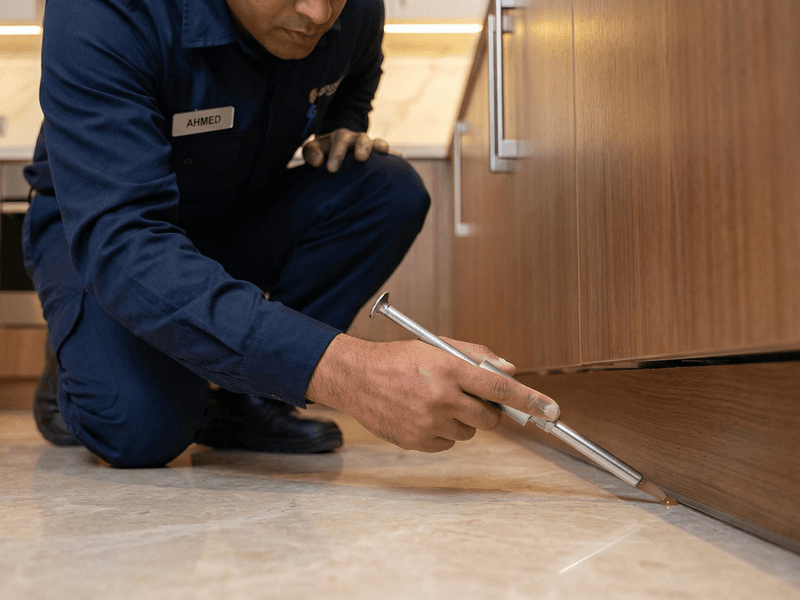
Inspection and Assessment The technician inspects the property thoroughly - inside and out - to identify entry points, nesting areas, food sources, and rodent pathways. They also assess environmental factors such as vegetation, irrigation, and waste storage.
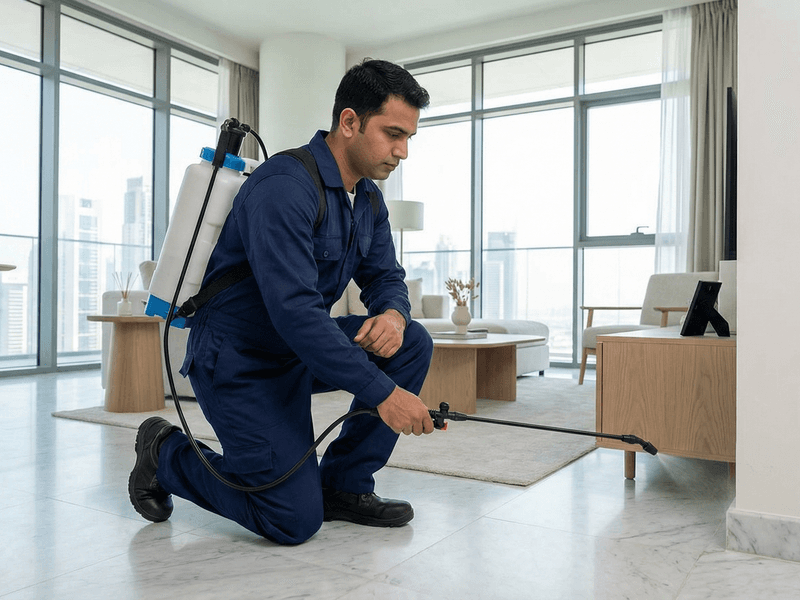
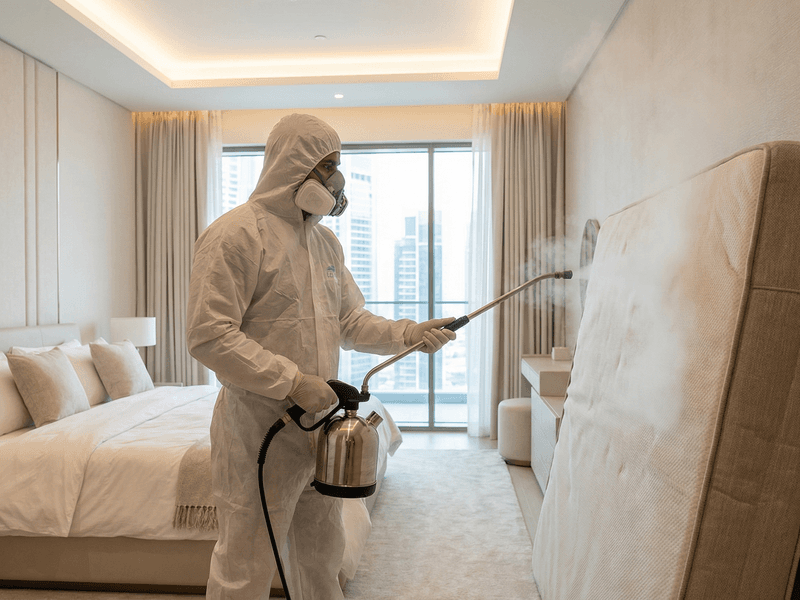
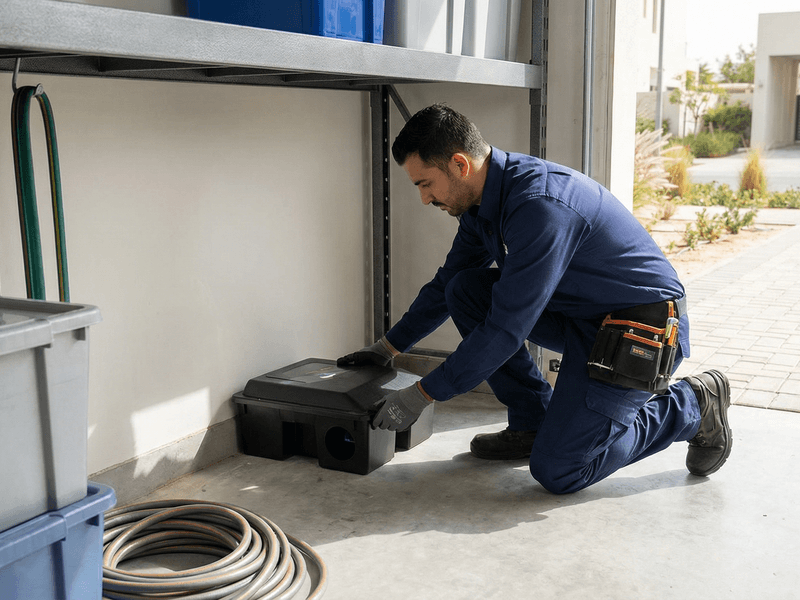
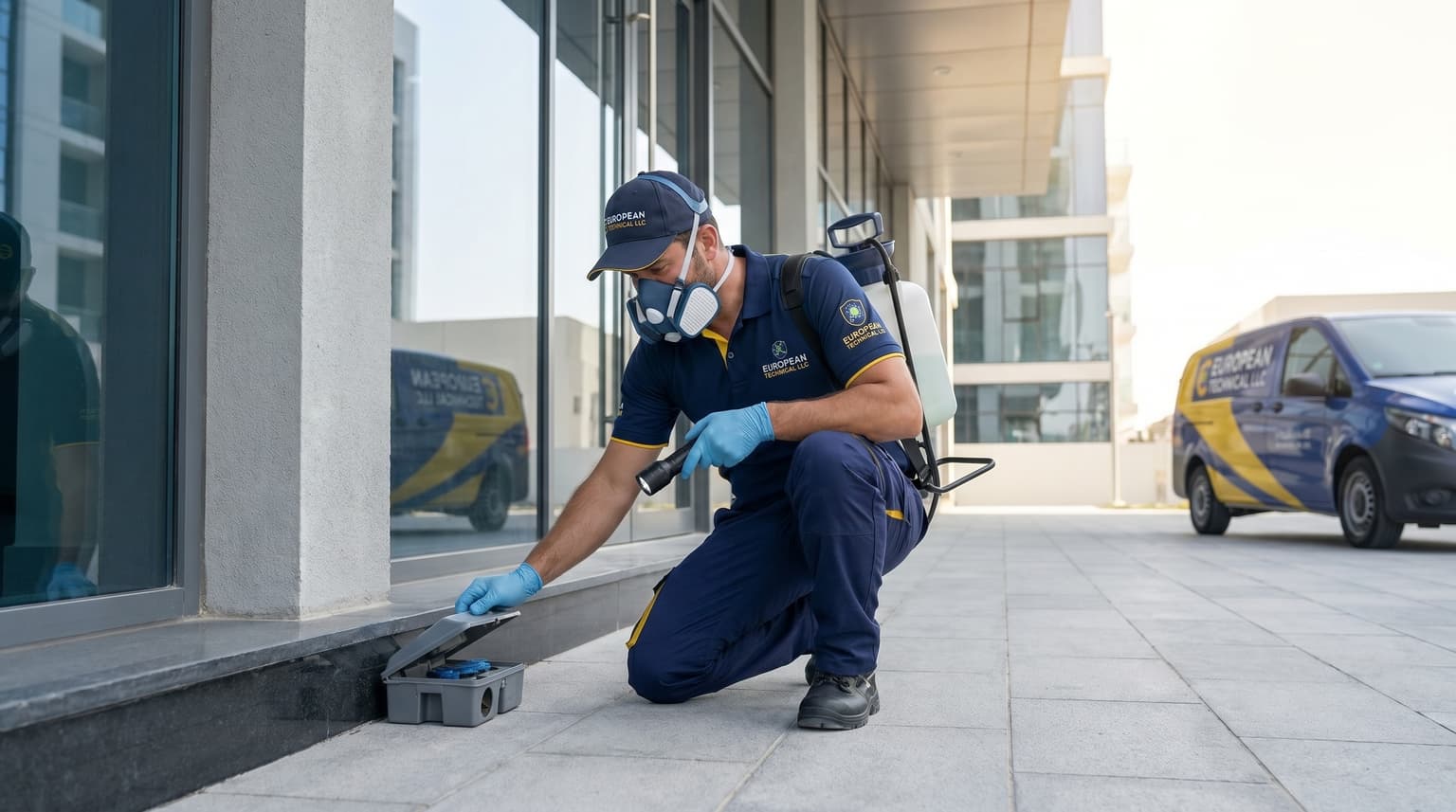
Customised Treatment Plan Based on the inspection, the technician develops a treatment plan. This may include a combination of tamper-resistant bait stations, snap traps placed in safe locations, exclusion work to seal entry points, and in some cases, fumigation for severe infestations in roof spaces.
Follow-Up and Monitoring Rodent control is rarely a one-time treatment. Professional pest control companies in Dubai typically offer follow-up visits to monitor bait stations, cheque for new activity, and adjust the treatment plan. Most providers offer quarterly or monthly service plans for ongoing protection.
For severe infestations, a combined approach - exclusion, trapping, and baiting - delivered by a licensed professional is the only effective solution. Homeowners in communities like The Meadows, The Springs, and Jumeirah Golf Estates typically opt for annual pest control contracts that include rodent monitoring as part of a broader pest management plan.
Preventing Rodent Infestations in Dubai Properties
Prevention is always more cost-effective than treatment. Property owners and tenants can take several practical steps to reduce the risk of rodent problems.
Keep Food in Sealed Containers Store dry goods such as rice, flour, pasta, and pet food in airtight glass or metal containers. Rodents can chew through plastic bags and cardboard boxes. don't leave food out overnight.
Manage Waste Properly Use bins with tight-fitting lids. Take rubbish out regularly. If you have an outdoor bin, keep it away from the house and wash it periodically.
Maintain the Garden Trim bushes and shrubs away from the house exterior. Keep grass short. Remove fallen fruit from trees promptly. Store firewood and building materials off the ground. In villa communities, overgrown gardens are a primary harbourage for rodents.
Inspect and Seal Regularly Walk the perimeter of your property every month. Look for new gaps, cracks, or holes. Seal anything larger than 5 mm immediately. cheque weather stripping on doors and windows. Ensure vents and chimneys have mesh covers.
Coordinate with Neighbours In apartment buildings and townhouse communities, rodent control works best when neighbours coordinate. A single untreated unit can reinfest an entire building. If you see signs of rodents in shared areas, notify building management immediately.
When to Call European Technical
If you have tried DIY methods and rodent activity continues, or if you prefer to deal with the problem professionally from the start, European Technical can help. Our team provides complete rodent control services across Dubai, including inspection, treatment, and prevention for villas, apartments, and commercial properties.
We service all major Dubai communities including Arabian Ranches, Palm Jumeirah, The Springs, The Meadows, Jumeirah Golf Estates, Motor City, Dubai Marina, JLT, Al Barsha, and Downtown Dubai. Our technicians hold Dubai Municipality pest control certifications and use approved products that are safe for families and pets when used according to label directions.
Frequently Asked Questions
How do I know if I've rats or mice? Rat droppings are larger - about the size of a grain of rice for mice and the size of a bean for rats. Rat burrows outdoors are another telltale sign. Mice leave smaller, more scattered droppings and are more likely to be found inside kitchen cabinets and pantries.
Are rodents in Dubai dangerous to my family? Yes. Rodents carry diseases, contaminate food, and trigger allergies. They also cause structural damage by gnawing through electrical wiring, insulation, and pipes, which can lead to fires and water damage.
How long does professional rodent control take? An initial inspection and treatment usually takes one to two hours for a standard villa. Full eradication may require follow-up visits over two to four weeks depending on the severity of the infestation.
Will rodent poison harm my pets or children? Professional pest control companies use tamper-resistant bait stations that prevent direct access to bait. These stations are placed in locations inaccessible to children and pets. Always tell your pest control technician if you have pets, especially cats and dogs that may hunt rodents.
How often should I schedule pest control for rodents? For most Dubai homes, quarterly pest control visits are sufficient to keep rodent activity under control. Properties adjacent to construction sites, farms, or green spaces may benefit from monthly monitoring.
Can I claim for rodent damage on my home insurance? Most standard home insurance policies in the UAE exclude pest and vermin damage. cheque your policy wording carefully. Prevention is the only reliable protection against the cost of rodent-related repairs.
Call to Action
don't wait until a small rodent problem becomes a major infestation. Contact European Technical today for a professional rodent control inspection and treatment plan.
Call us now on +971 58 544 1160 or send us a message on WhatsApp at 971501685444 to schedule a visit. We serve all areas of Dubai with fast, reliable, and discreet pest control services.
For more information about our pest control services, visit our /services/pest-control page. You can also read our complete pest control guide for Dubai for more tips on keeping your home pest-free.
European Technical Team