Why Electrical Safety Matters More in Dubai Than Almost Anywhere Else
Living in Dubai places unique demands on your home's electrical system. Air conditioning runs for much of the year, sometimes around the clock in July and August. Humidity along the coast in Dubai Marina and Jumeirah Beach Residence encourages condensation around appliances and outlets. Sandstorms coat everything in fine dust, including the ventilation grilles of your electrical panel. Add to that the sheer number of devices a modern apartment or villa runs, from washing machines to EV chargers, and it becomes clear why electrical safety deserves a permanent place on your maintenance list.
The good news is that most electrical accidents at home are entirely preventable. They come down to a handful of habits: do not overload sockets, keep water away from electrics, replace damaged cords, and have the installation checked by a licensed electrician. None of these require technical knowledge. What they do require is consistency, and a willingness to call in a professional when something does not look right.
There is also a regulatory dimension. DEWA requires electrical installations to undergo inspection and testing by certified professionals before connecting to the electric supply, and any work carried out afterwards should be done by UAE-registered electricians who adhere to UAE building codes and safety standards. Cutting corners with an unlicensed handyman may save a small amount today, but it puts your family, your tenants and your property at risk, and it can complicate insurance claims and DEWA compliance later.
The Everyday Habits That Prevent Most Electrical Accidents
Do Not Overload Sockets
Overloaded sockets are among the most common causes of electrical fires in homes. In a typical Dubai apartment, it is tempting to plug the kettle, toaster, microwave and coffee machine into a single extension lead behind the kitchen counter. Each of those appliances draws a significant current, and daisy-chaining extension leads multiplies the risk.
A practical rule: one high-draw appliance per socket. If you find yourself relying on extension leads as permanent wiring, that is a sign you need additional sockets installed. Our electrical team adds socket circuits regularly in apartments across JVC, Business Bay and Dubai Marina, and it is a small job compared with the consequences of an overloaded circuit.
Watch for the warning signs of an overloaded or failing circuit:
- Sockets, plugs or switches that feel warm to the touch
- Flickering or dimming lights when an appliance switches on
- A burning smell near sockets or the distribution board
- Breakers that trip repeatedly for no obvious reason
Any of these means you should stop using the circuit and have it inspected.
Keep Water Away from Electrics
Water and electricity do not mix, and in Dubai the humidity makes this rule more relevant than in drier climates. Bathrooms, kitchens, laundry areas and balconies are the danger zones. Never handle switches, plugs or appliances with wet hands, and keep appliances such as hair dryers and radios well away from baths and showers.
For areas near water, Ground Fault Circuit Interrupters (GFCI) are the key protective device. A GFCI monitors the current flowing through a circuit and cuts the power within a fraction of a second if it detects leakage, such as current flowing through a person. If your bathroom, kitchen or outdoor sockets do not have GFCI protection, ask a licensed electrician to install it. In older buildings in areas like Deira, Al Barsha and some mid-rise blocks in JVC, original installations may predate modern expectations, so an inspection is worthwhile.
Replace Damaged Cords and Inspect Them Regularly
Cables deteriorate. Heat, bending, furniture resting on them and general wear all take their toll. Frayed insulation on a kettle lead or a phone charger is not a cosmetic issue; exposed conductors cause shocks and start fires. Make it a habit to walk through your home every few months and look at the cords on every appliance. Check for cracks in the insulation, discolouration, kinks and loose plugs. Replace anything damaged rather than taping it up.
The same applies to extension leads and power strips, which in many Dubai homes quietly age behind sofas and beds for years. If the plastic has yellowed or become brittle, replace it. Cheap uncertified chargers and leads sold at markets are a particular concern; always choose products that carry proper certification.
Unplug During Sandstorms and Long Vacations
Dubai's sandstorms are a fact of life, and fine dust finds its way into everything, including sockets, appliances and ventilation openings. Dust inside electrical equipment can cause overheating and short circuits. When a sandstorm is forecast, unplug sensitive electrical equipment. It protects against dust ingress and against the power fluctuations that sometimes accompany storms.
The same logic applies to long trips. If you are heading home for the summer or travelling for an extended period, unplug appliances rather than leaving them on standby. This protects them from dust damage and power surges, and it reduces wasted consumption on your DEWA bill. Before a long absence, it is also worth having someone check that the water heater is off and that nothing is left running.
When to Call a Licensed Electrician
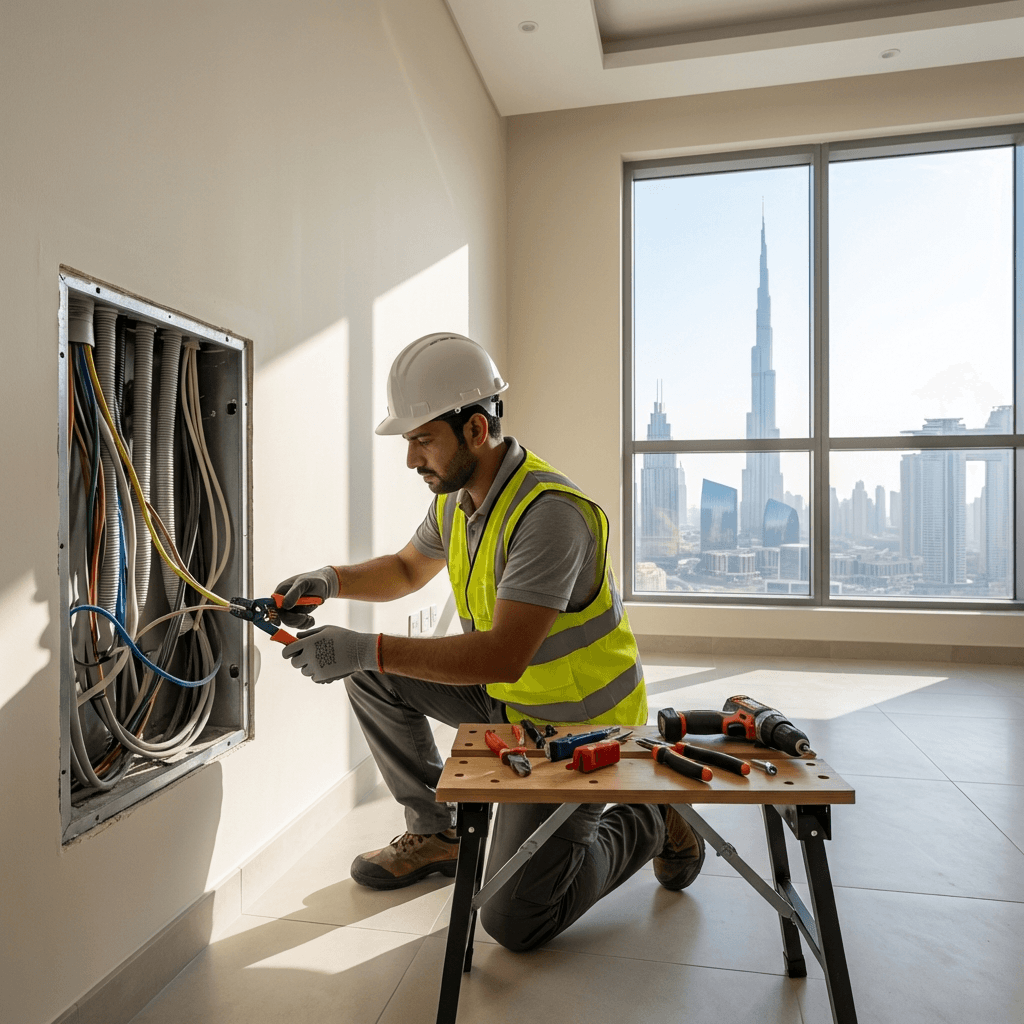
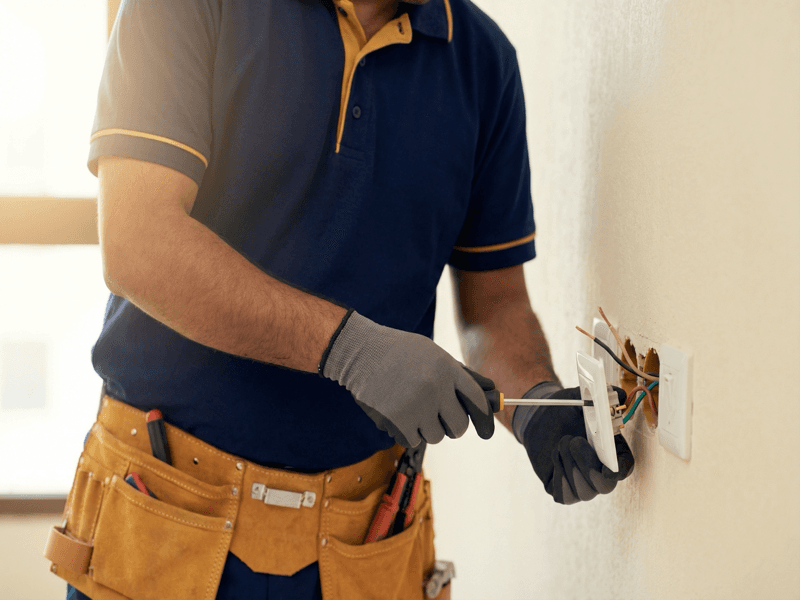
Some jobs are simply not for amateurs. In the UAE, electrical work should only be carried out by UAE-registered electricians who adhere to UAE building codes and safety standards. Call a professional if you notice any of the following:
- Sparks, burning smells or scorch marks around sockets, switches or the distribution board
- Breakers that trip frequently, or a breaker that will not reset
- Outlets or switches that are warm, discoloured or buzzing
- Lights that flicker persistently even after changing bulbs
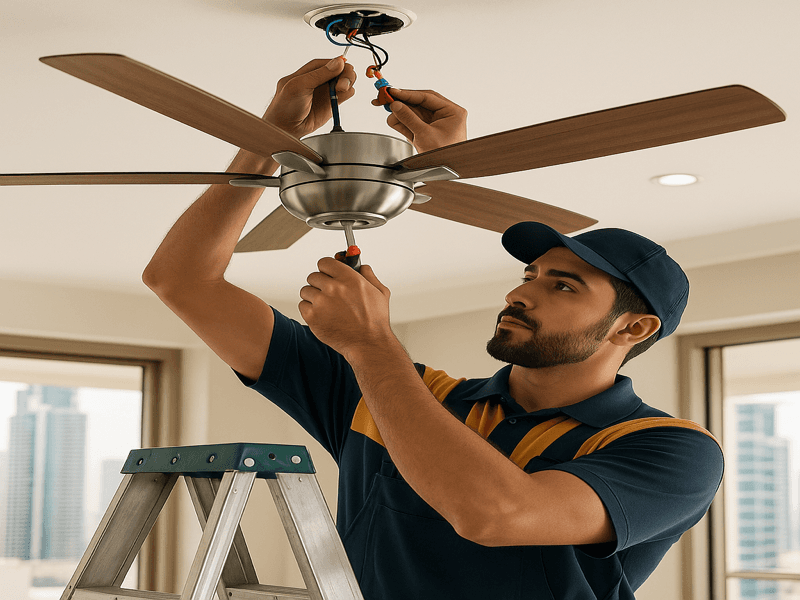
- Any planned work: new sockets, chandelier installation, water heater wiring, EV charger installation or panel upgrades
A licensed electrician will verify earthing, check circuit protection devices such as breakers and residual current devices, and confirm that cable sizes match the loads they carry. DEWA requires electrical installations to be inspected and tested by certified professionals before connection to the supply, so using registered tradesmen keeps you on the right side of that requirement at every stage.
For older buildings, a periodic check is a sensible investment. As a general guide, electrical checks every two to three years are recommended for older buildings, alongside yearly maintenance for major appliances such as AC units and water heaters. If you own a rental in Downtown, Business Bay or the Marina, this also protects you as a landlord: tenants report problems quickly when they know the property is looked after, and small faults get fixed before they become dangerous ones.
Many owners bundle these visits into an annual maintenance contract, which typically covers scheduled AC servicing, plumbing checks and electrical inspections in one predictable annual fee. It is often cheaper than calling out tradesmen individually, and it means nothing gets forgotten.
Electrical Safety for Villas and Larger Properties
Villa communities such as Arabian Ranches, The Springs and Mirdif have their own considerations. Pumps for irrigation and pools, outdoor lighting, garden sockets and gate motors all sit outdoors where heat, dust and occasional rain exposure accelerate wear. Outdoor sockets must have appropriate weather-rated enclosures and GFCI protection, and pump housings should be checked for water ingress.
Villas also tend to have larger electrical loads: two or three AC units, water heaters, and increasingly a home EV charger in the garage. If you are adding an EV charger or upgrading to a higher-capacity supply, the work must be designed and certified properly, including verification that the incoming supply, earthing and circuit protection can handle the additional load.
If you are unsure about the condition of an older villa installation, a full inspection by a licensed electrician gives you a written report on what is safe, what needs attention and what can wait. From there, small jobs can be handled by our handyman team, while anything involving wiring stays with qualified electricians. We also cover AC maintenance visits, since air conditioning is the single biggest electrical load in most Dubai homes and its condition directly affects your electrical safety.
A Quick Room-by-Room Checklist
Run through this every few months. It takes fifteen minutes.
Kitchen: one high-draw appliance per socket, no cords near the sink or hob, extractor fan clean and working.
Bathroom: GFCI protection on sockets near water, no appliances within reach of the bath or shower, no extension leads.
Living areas: no cables under rugs or trapped behind furniture, no overloaded power strips, chargers unplugged when not in use.
Laundry and utility: water heater connections checked, no signs of leakage near the washing machine socket.
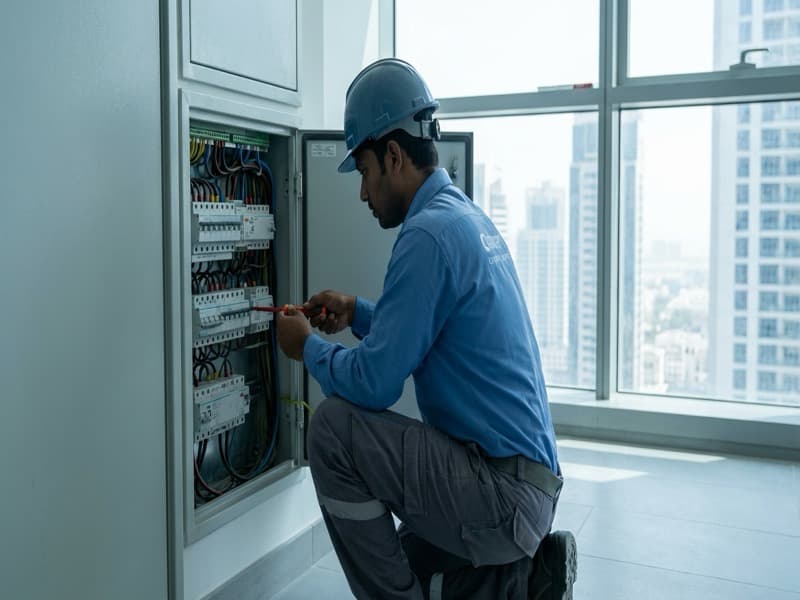
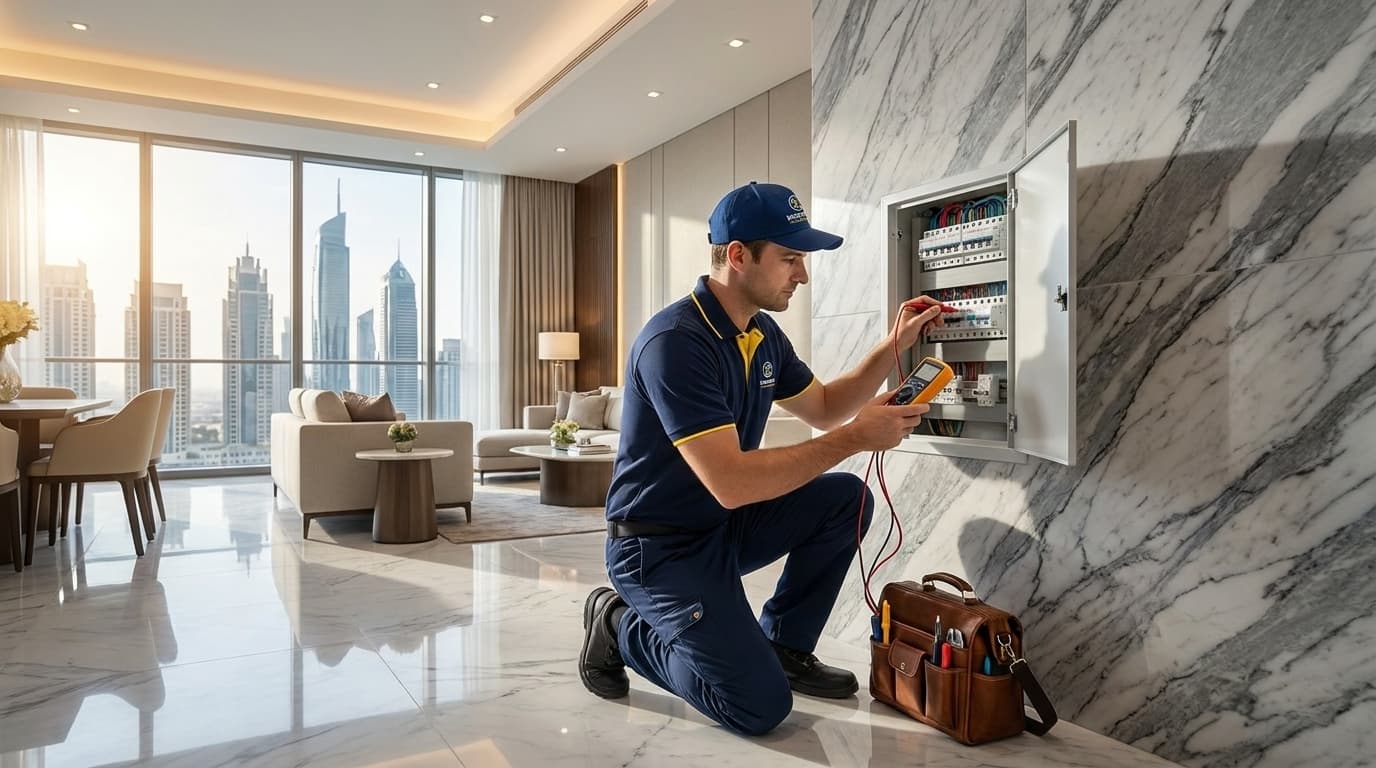
Distribution board: labelled circuits, no scorch marks, breakers that are not hot to the touch. If in doubt, photograph it and show it to an electrician.
Outdoors and balcony: weather-rated sockets only, nothing plugged in during sandstorms or rain.
FAQ
How often should a Dubai home's electrical installation be checked?
As a general guide, electrical checks every two to three years are recommended for older buildings, while newer properties can usually go longer between full inspections. Major appliances such as AC units and water heaters benefit from yearly maintenance. If you notice sparks, burning smells, warm sockets or breakers that trip repeatedly, do not wait for the next scheduled check, call a licensed electrician straight away.
What is a GFCI and do I need one in my home?
A Ground Fault Circuit Interrupter is a protective device that cuts power almost instantly if it detects current leaking out of a circuit, for example through a person touching a faulty appliance with wet hands. GFCIs are recommended around water outlets, so bathrooms, kitchens, laundry areas and outdoor sockets in Dubai homes should all have this protection. A licensed electrician can test existing GFCIs and install them where they are missing.
Why should I unplug appliances during a sandstorm?
Fine sand dust penetrates sockets, appliances and ventilation openings, where it can cause overheating and short circuits. Sandstorms can also bring power fluctuations. Unplugging sensitive electrical equipment during a storm protects it from both. The same applies to long vacations: unplugging equipment protects it from dust damage and surges while you are away.
Can I do my own electrical repairs in Dubai?
Minor tasks like changing a light bulb or resetting a tripped breaker are fine, but electrical work in the UAE should only be carried out by UAE-registered electricians who adhere to UAE building codes and safety standards. DEWA also requires installations to be inspected and tested by certified professionals before connection. DIY wiring work risks shock, fire, insurance complications and problems with compliance, so it is genuinely a false economy.
How do I know if a socket is overloaded?
Touch the socket and plug after the appliance has been running for a while. If either feels warm, or if you notice a burning smell, discolouration or flickering lights when the appliance switches on, the circuit is likely overloaded. Avoid plugging multiple high-draw appliances such as kettles, microwaves and heaters into one socket or extension lead, and never daisy-chain extension leads. If you regularly need more sockets, have additional circuits installed by a licensed electrician.
What should I check before a long summer trip away from Dubai?
Unplug appliances rather than leaving them on standby, switch off the water heater at its isolator, and make sure nothing is left running that could fail unattended. Ask a neighbour, friend or your maintenance company to check the property periodically. Many owners schedule an inspection before travelling so they return to a home that has been looked after rather than a surprise repair bill.