How Much Does a House Renovation Cost in Dubai for 2026?
Renovating a home in Dubai is rarely a small decision. Whether you own an apartment in Dubai Marina, a townhouse in JVC or a villa in Arabian Ranches, the question that sits at the centre of every renovation conversation is the same: what will it actually cost in 2026? The honest answer is that it depends on the scope of work, the condition of the property, the quality of finishes you choose and, importantly, how well the project is planned before a single tool is lifted.
What we can do is break the renovation down into its component parts, explain where the money goes, and highlight the areas Dubai homeowners most often underestimate. That way, when you collect quotations for your own project, you will know which numbers look realistic and which ones deserve closer scrutiny.
What Shapes the Cost of a Dubai Renovation
Every property tells a different story. A ten-year-old apartment in Business Bay with leak damage around the bathrooms will cost more to bring up to standard than a relatively modern unit that simply needs cosmetic refreshing. The main cost drivers are consistent across the city, though.
Scope of work. A cosmetic refresh, meaning repainting, replacing fittings, minor tiling touch-ups and redecorating, sits at the lower end of the scale. A full renovation, which involves stripping kitchens and bathrooms, replacing flooring, rewiring sections and re-plumbing, is a different order of investment altogether. Most Dubai projects fall somewhere between the two.
Property size and type. A studio or one-bedroom apartment is naturally cheaper to renovate than a four-bedroom villa in Arabian Ranches, simply because there is less floor area, fewer bathrooms and less pipework. Villas also tend to hide more issues: older water tanks, concealed leaks, termite or pest damage and ageing air conditioning ducting.
Age and condition. This is the big variable. Once walls are opened, previously invisible problems surface. Water ingress around shower trays, corroded pipework behind kitchen units and poorly executed repairs from previous owners all add cost. Budgeting a contingency, commonly around ten to twenty per cent of the project value, is sensible practice for exactly this reason.
Quality of materials and finishes. The difference between standard and premium fittings is enormous. A budget tap set and a designer Italian set can differ by a factor of ten. Tiles, kitchen cabinetry, sanitaryware and door hardware are where personal taste most directly moves the final figure.
Approvals and permissions. If your building or community requires NOC letters, drawings or approvals before work begins, factor in both the fees and the time. Some Dubai buildings restrict working hours, require deposits against damage to common areas, or mandate that certain trades be handled by the building's approved contractors. These rules affect cost indirectly through scheduling delays.
The Main Cost Areas, One by One
Kitchen renovation
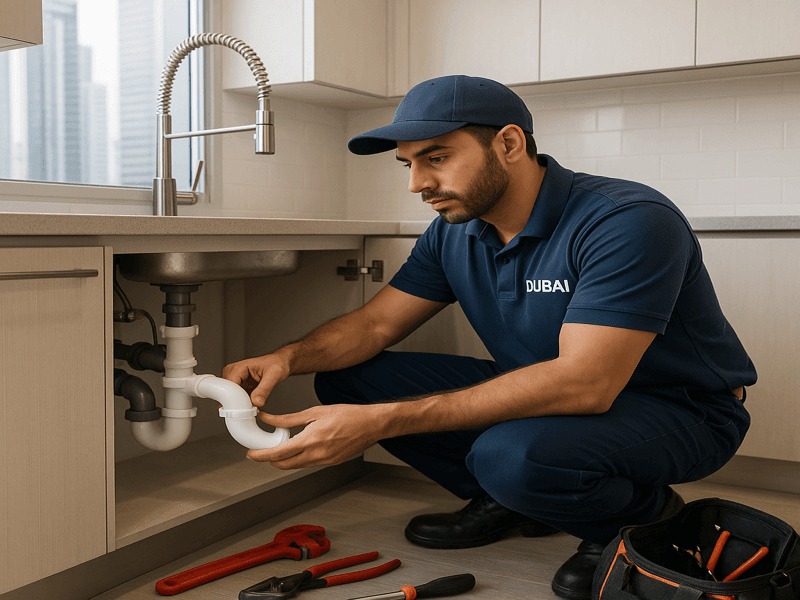
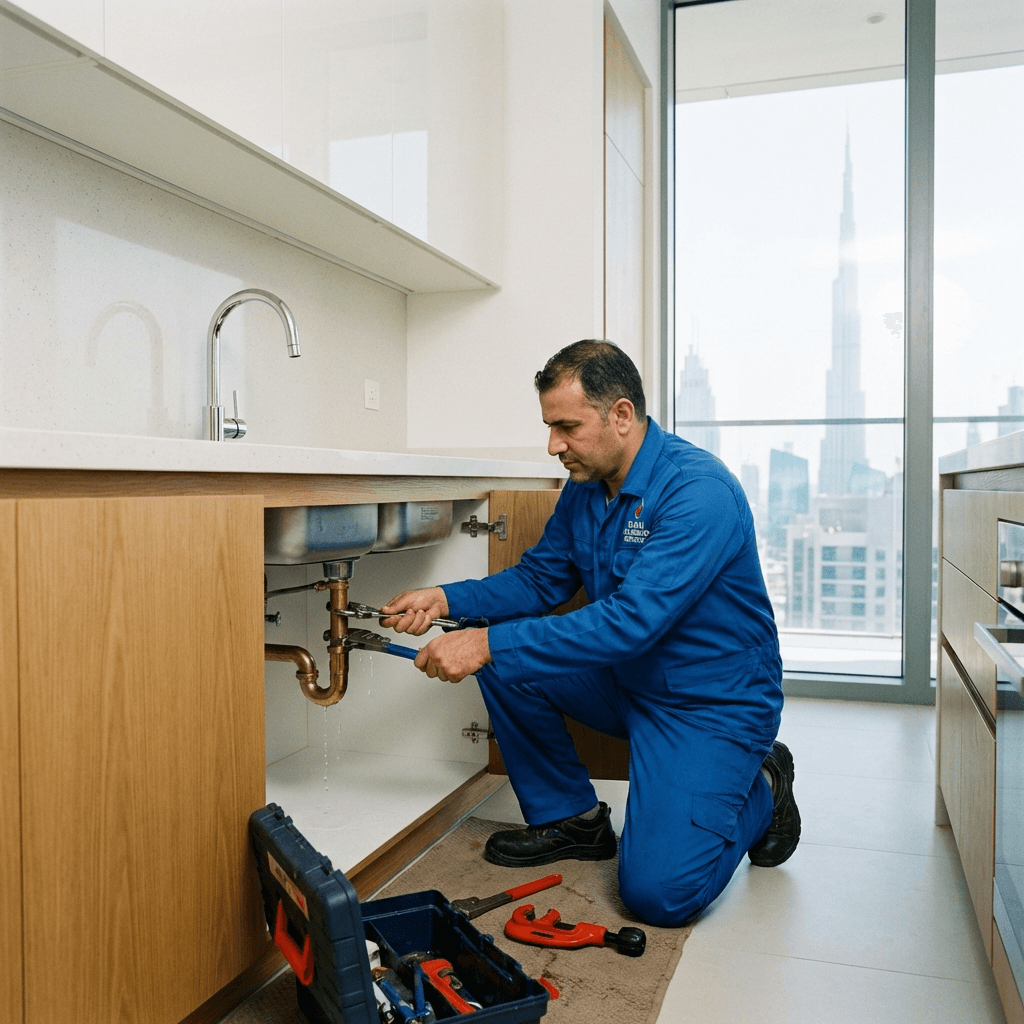
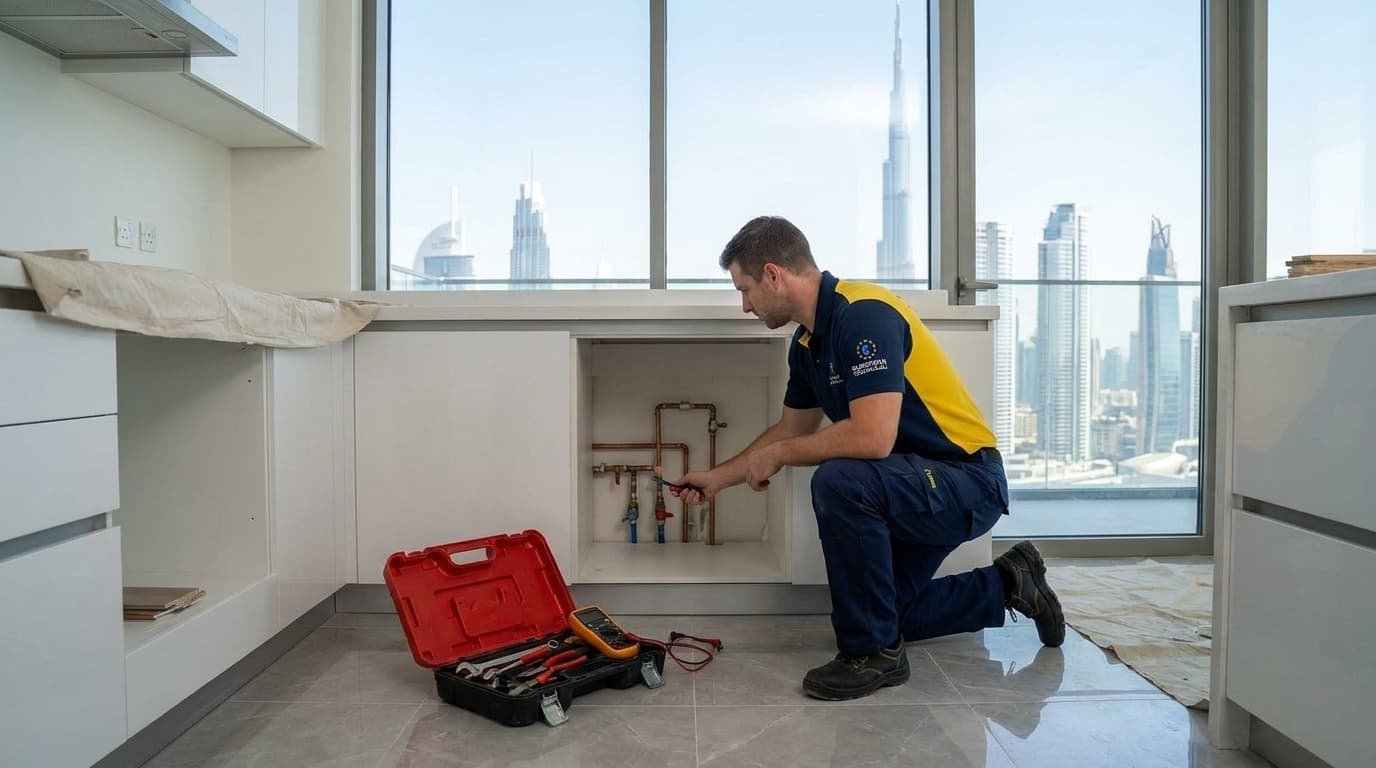
The kitchen is usually the single largest line item in an apartment renovation. Cabinetry dominates the budget, followed by worktops, appliances and the sink unit. It is also the room where hidden problems most often appear. Summer cooking in Dubai puts real strain on kitchen drains: more oil, food scraps and grease go down the plughole, and it does not take long before water starts backing up. If your renovation reveals grease-clogged or damaged waste pipes, they should be properly cleared or replaced rather than covered up behind new units. A renovation is the ideal moment to fix drainage properly, and our plumbing team regularly clears and reworks kitchen waste pipework as part of wider projects. Clearing a blocked line mechanically, without harsh chemicals, protects both the pipework and the new kitchen going in around it.
As a rough orientation for 2026, a modest apartment kitchen refresh in areas like JVC or International City might start from the low tens of thousands of dirhams, while a full bespoke kitchen in a Marina or Downtown apartment, with premium appliances and stone worktops, can run well past AED 100,000. The range is wide precisely because material choice dominates.
Bathrooms
Bathrooms are the second-largest cost area, driven by waterproofing, tiling and sanitaryware. In Dubai's humidity, waterproofing is not optional. A poorly sealed shower area will leak into the unit below, and rectifying water damage after the fact costs far more than doing it correctly the first time. Expect each bathroom to be a meaningful investment on its own, with the number of bathrooms often mattering more than the size of the property overall.
Painting and finishing
Repainting is one of the most cost-effective ways to transform a tired interior. Preparation matters more than most people realise: filling, sanding, priming and treating any damp patches determines whether the finish lasts two years or ten. In coastal areas such as Marina and JBR, salt-laden humidity can degrade cheaper paints quickly, so exterior-facing walls and balconies deserve quality products.
Electrical and air conditioning
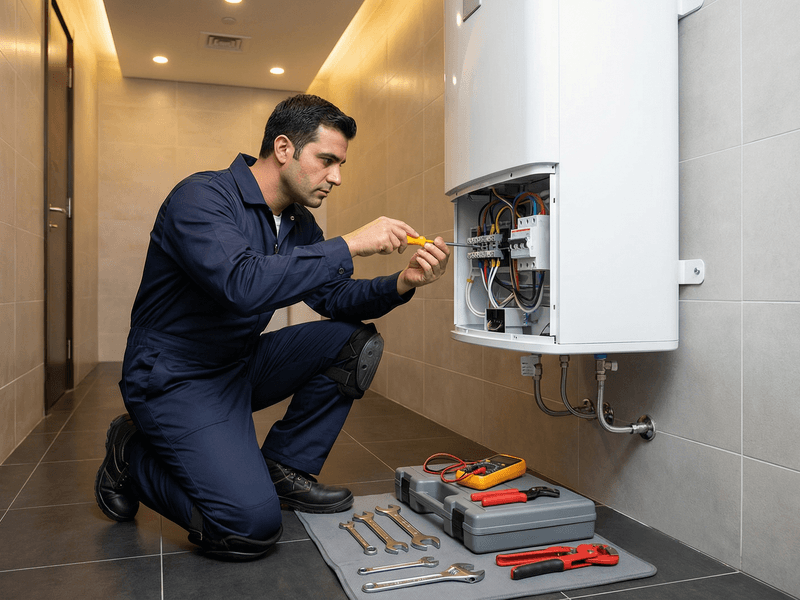
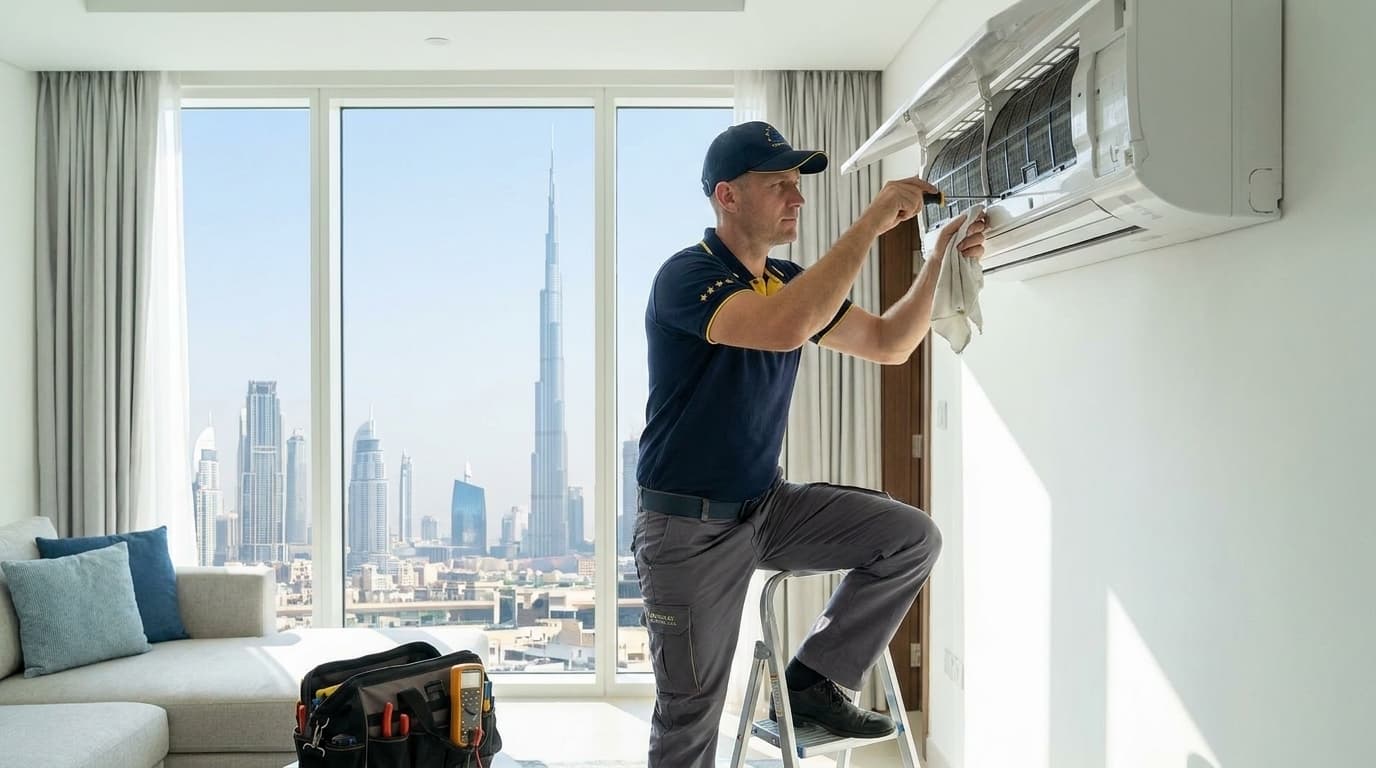
Dubai summers are unforgiving, and AC is not a luxury here. If your renovation includes ceiling modifications, new lighting circuits or relocated vents, the electrical and HVAC work must be coordinated early, not bolted on at the end. Duct cleaning, drain pan checks and thermostat upgrades are frequently bundled into renovation projects because the ceilings are already open. Any electrical work should be carried out by licensed technicians, and records kept for future resale.
General repairs and small works
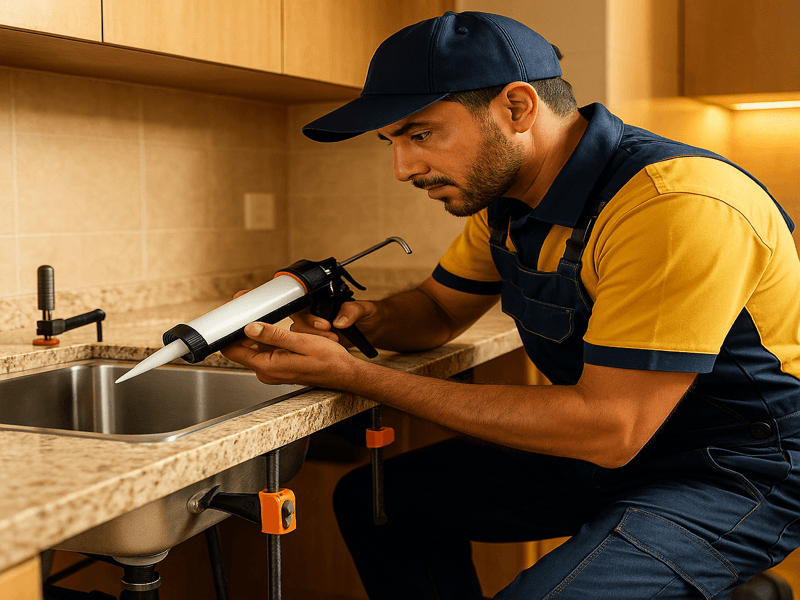
Between the big-ticket items sit dozens of smaller jobs: door adjustments, wardrobe repairs, silicone renewal, grout restoration, shelving and furniture assembly. Individually they look minor, but collectively they can consume a surprising share of the budget. Bundling them into your project and assigning them to a handyman service during the finishing phase is far more economical than booking them separately afterwards.
Why Planning Beats Guessing
The most expensive renovations are usually the poorly planned ones. Changed decisions mid-project, trades waiting on each other and rework caused by unclear specifications all inflate the final invoice. Before committing, we recommend three steps.
First, define the scope in writing, room by room, including finishes and fittings. Ambiguity is where budgets drift. Second, open up and inspect before quoting: check under sinks, behind access panels and above false ceilings. Drainage problems, in particular, are often visible in advance if someone looks. Slow drainage, gurgling sounds, overflow when the tap runs or foul odours from the waste pipe are all warnings that the plumbing needs attention before cosmetic work begins. Third, sequence the project properly: structural work first, then mechanical and electrical, then plastering, tiling and painting, with fittings installed last.
Many Dubai owners also reduce long-term cost by pairing a renovation with an annual maintenance contract. A freshly renovated property is an asset worth protecting, and scheduled maintenance of AC systems, water heaters, drains and seals prevents the small faults that eventually become renovation-scale problems.
Choosing Who Does the Work
Dubai has no shortage of contractors, and quotations for the same brief can vary dramatically. Rather than chasing the lowest number, assess what is included. Does the quote itemise materials or leave them vague? Is waterproofing specified with a warranty? Who handles rubbish removal and building permits? Is the company licensed and able to provide after-service support if something fails?
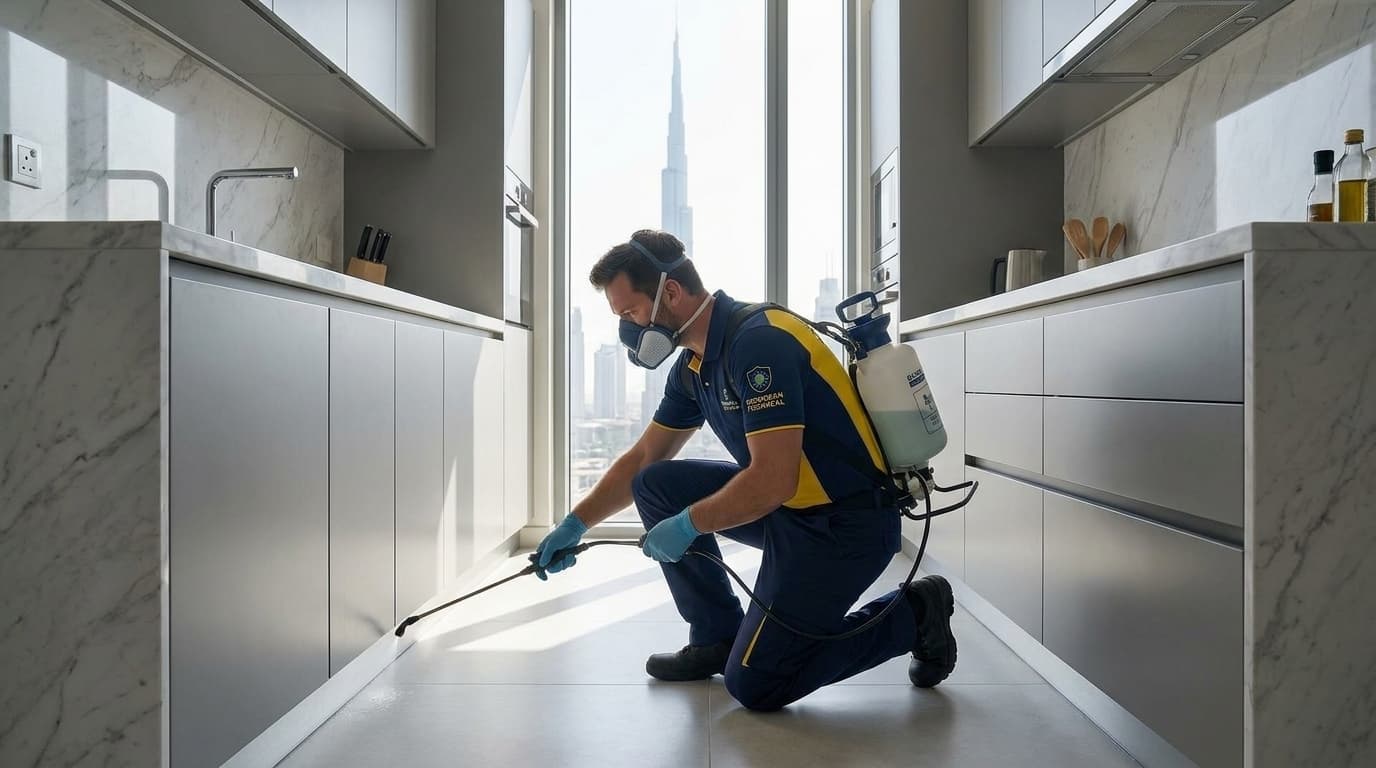
A licensed provider such as European Technical can cover the full maintenance and finishing side of a renovation, from plumbing and electrical work to painting, handyman tasks and deep cleaning at handover, which keeps accountability under one roof. For villas, you may also want pest control included at the end of the project, since disturbed wall cavities sometimes disturb more than dust.
Finally, be realistic about time. Even a well-run apartment renovation causes weeks of disruption. Villas take longer. Build the schedule around the Dubai calendar: summer heat affects certain external works and curing times, and holiday periods slow approvals and material deliveries.
FAQ
How much should I budget for a full apartment renovation in Dubai in 2026?
There is no single figure, because scope and finishes dominate the cost. A cosmetic refresh of a one or two-bedroom apartment sits at the lower end, while a full strip-out and refit of a premium Marina or Downtown apartment can reach several hundred thousand dirhams once designer kitchens, stone worktops and high-end bathrooms are included. The practical approach is to price room by room, with particular attention to kitchens and bathrooms, and add a contingency of ten to twenty per cent for what is discovered once walls and floors are opened.
Why do renovation costs in Dubai escalate beyond the original quote?
The most common causes are hidden defects, unclear specifications and mid-project changes. Concealed leaks, corroded pipework, failed waterproofing and inadequate electrical work only become visible during demolition. Verbal agreements about finishes also cause drift, because 'standard' means different things to different people. A written, itemised scope and a proper pre-renovation inspection of drains, ceilings and wet areas will prevent most surprises.
Should drainage problems be fixed before or during the renovation?
Before, ideally. Blocked or damaged waste pipes should be cleared and inspected while the property is opened up. Summer cooking in particular pushes grease and food scraps into kitchen drains, and sealing a faulty line behind brand-new cabinetry simply guarantees an expensive problem later. Mechanical clearing without harsh chemicals protects existing pipework and leaves no residue in the system. Our plumbing team handles this as part of renovation preparation.
Is it cheaper to renovate a villa or an apartment in Dubai?
Generally, apartments cost less overall because they are smaller and have fewer wet rooms, though cost per square foot can be similar or higher. Villas in communities such as Arabian Ranches involve more floor area, multiple bathrooms, external elements and often older infrastructure such as water tanks and extended AC ducting. Villas also carry more contingency risk because there is simply more building to reveal problems.
Can I renovate my Dubai property in stages to spread the cost?
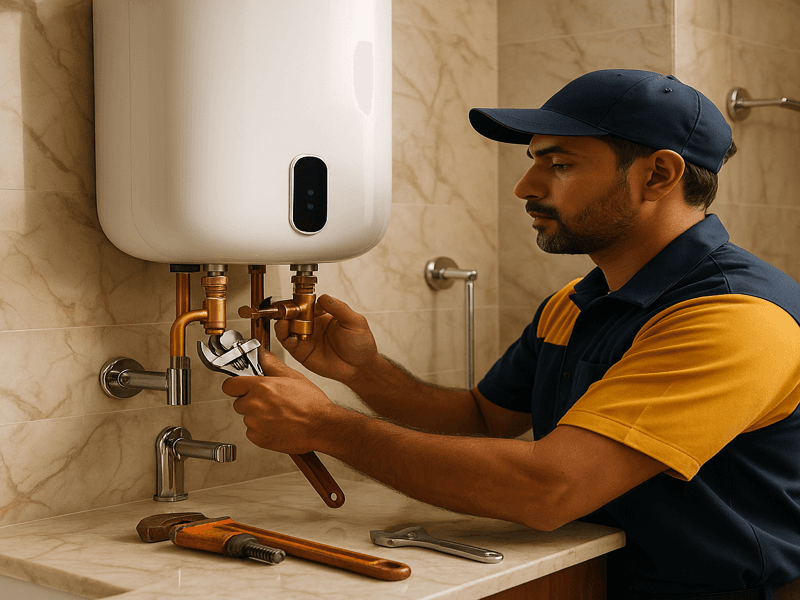
Yes, and it is a popular approach. Bathrooms and the kitchen deliver the most value per dirham spent, so they usually come first, followed by flooring and painting. Mechanical systems such as AC and water heaters should be assessed early even if replacement is deferred, because their condition affects what happens to ceilings and walls later. Staging works best when the overall plan is fixed at the start, so early work does not need to be undone.
How do I keep a renovated property in good condition afterwards?
Protect the investment with scheduled upkeep. AC filters, drain lines, water heater checks, silicone and grout renewal, and annual inspection of wet areas all catch faults while they are minor. Dubai's heat and humidity accelerate wear on paints, seals and mechanical systems, so a maintenance schedule is not a luxury here. An annual maintenance contract covering plumbing, electrical, handyman and AC checks is the simplest way to keep everything on record and under control.