Why Pest Control Is a Year-Round Concern in Dubai
Dubai's climate creates the perfect conditions for pests to thrive throughout the year. High humidity, sustained summer temperatures above 40 degrees Celsius, and the constant operation of air conditioning systems all contribute to an environment where cockroaches, ants, bed bugs, flies and other unwanted visitors flourish. Whether you live in a studio in Dubai Marina, a family villa in Arabian Ranches, or manage an office in Business Bay, pest issues can arise without much warning and escalate quickly if left untreated.
Many residents attempt to handle infestations with off-the-shelf sprays and gels from supermarkets. These products can offer temporary relief but rarely address the root cause. Pests like bed bugs hide in mattress seams, cracks and upholstery, emerging at night to feed. Cockroaches nest inside wall cavities, behind kitchen appliances and inside drainage pipes. Without a proper inspection and targeted treatment plan, the problem returns within weeks. Professional pest control services in Dubai are designed to identify the source, apply the correct treatment and provide guidance on preventing recurrence.
At European Technical, we hold the necessary Dubai Municipality approvals to carry out pest control treatments safely and legally. Our technicians are trained to work in residential and commercial properties across Dubai, Abu Dhabi and Sharjah, using methods that comply with local health and safety standards. This article explains what you can expect to pay, how different treatments work and what steps you can take to keep your property pest-free.
Common Pests in Dubai Homes and What Attracts Them
Dubai residents most frequently encounter cockroaches, ants, bed bugs, flies and drain flies. Each pest has distinct habits and requires a different approach.
Cockroaches are drawn to food residue, grease and moisture. Kitchens in apartments across JVC, Downtown and Business Bay are common battlegrounds, particularly in buildings where waste disposal chutes are not cleaned regularly. German cockroaches reproduce rapidly, so a few sightings can indicate a much larger population behind the scenes.
Ants enter homes through tiny cracks in walls and floors, following scent trails toward food sources. In villa communities like Arabian Ranches and The Springs, ants often nest in gardens and find their way indoors through gaps around doors and windows. Gel baits placed in cracks and along trails are effective, but sealing entry points is essential for long-term control.
Bed bugs are a growing concern in Dubai, particularly in furnished apartments and properties with high tenant turnover. They travel on luggage, clothing and second-hand furniture. Once inside, they settle into mattress seams, bed frames, headboards and upholstery. You may notice small blood spots on sheets, itchy bites on your arms and legs, or a musty odour near the bed. Bed bugs are not a sign of poor hygiene. They can appear in any home regardless of cleanliness.
Flies and drain flies breed in organic matter inside drains, bins and damp areas. Kitchens, bathrooms and laundry rooms with slow-draining pipes are prime breeding grounds. Fruit flies congregate around ripe produce and sweet residues, while drain flies lay eggs in the gelatinous film that builds up inside pipes over time.
Bed Bug Treatment Costs in Dubai
Bed bug treatment is one of the most requested pest control services in Dubai, and pricing is relatively transparent across the market. Costs typically start from AED 149 for small apartments and offices and can reach AED 500 for larger villas. The price reflects the size of the property, the severity of the infestation and the treatment method used.
Here is a general breakdown of bed bug treatment prices in Dubai based on property type:
- Studio apartment: AED 200
- 1 bedroom apartment: AED 250
- 2 bedroom apartment: AED 300
- 3 bedroom apartment: AED 350
- 3 BHK villa: AED 400
- 4 BHK villa: AED 500
- Office: from AED 149
Most standard treatments include an inspection and a spray application. A 30-day warranty is commonly offered, giving you a follow-up visit if the problem persists. Some providers offer a two-visit treatment for flies, claiming up to 99 per cent removal of house flies and fruit flies.
Before the technician arrives, you will need to remove and wash all affected linen and clothing in hot water. This step is critical because bed bugs and their eggs cling to fabric, and a spray treatment alone cannot reach every surface. Clearing the area also allows the technician to access baseboards, mattress seams and furniture joints where bed bugs congregate.
For general pest control covering cockroaches, ants and bed bugs in a small apartment, expect to pay between AED 200 and AED 500 depending on the provider and the scope of work. Prices vary, so it is worth requesting a detailed quotation that specifies what is included.
If you are a landlord or property manager overseeing multiple units, bundling pest control into an annual maintenance contract can reduce costs and ensure treatments are scheduled proactively rather than reactively.
Treatment Methods: Chemical Spray vs Steam
Two primary methods dominate bed bug treatment in Dubai: chemical spray and steam treatment. Each has its strengths, and the right choice depends on the property, the severity of the infestation and whether the space has sensitive occupants such as children, pets or individuals with respiratory conditions.
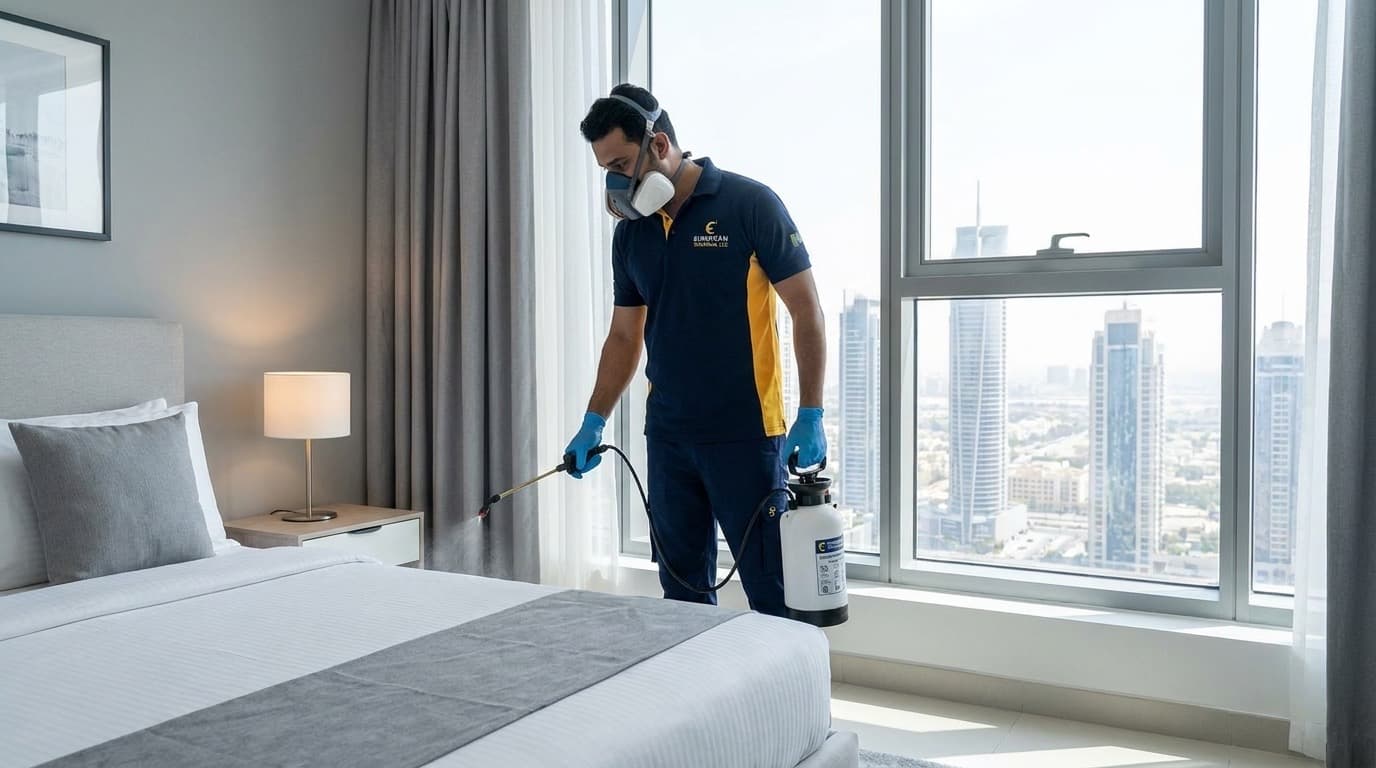
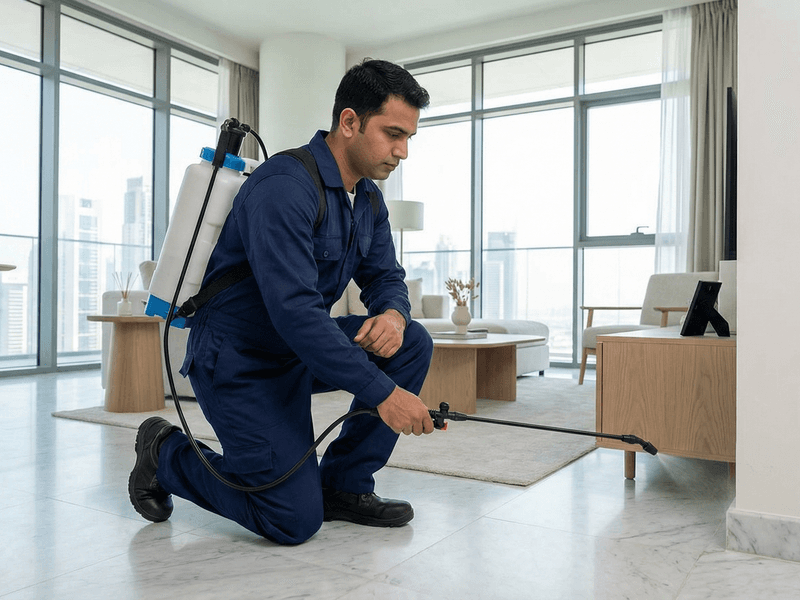
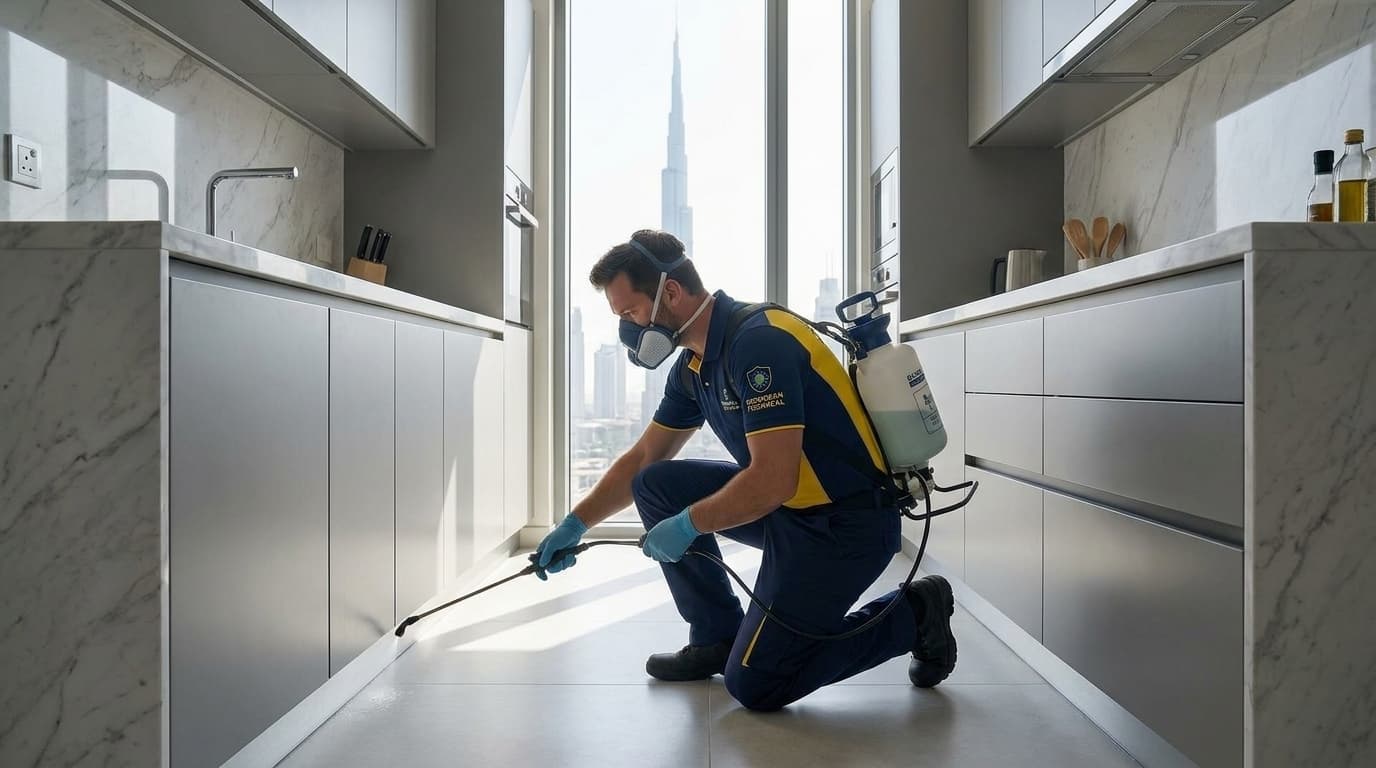
Chemical spray treatment is the most common and cost-effective option. A licensed technician applies an insecticide to mattress seams, bed frames, baseboards, furniture joints and carpet edges. The chemical targets bed bugs on contact and leaves a residual effect that continues to kill insects for several weeks. This method is fast and widely used in apartments and offices across Dubai. However, it requires the space to be vacated for a specified period, usually a few hours, until the product dries and any odour dissipates.
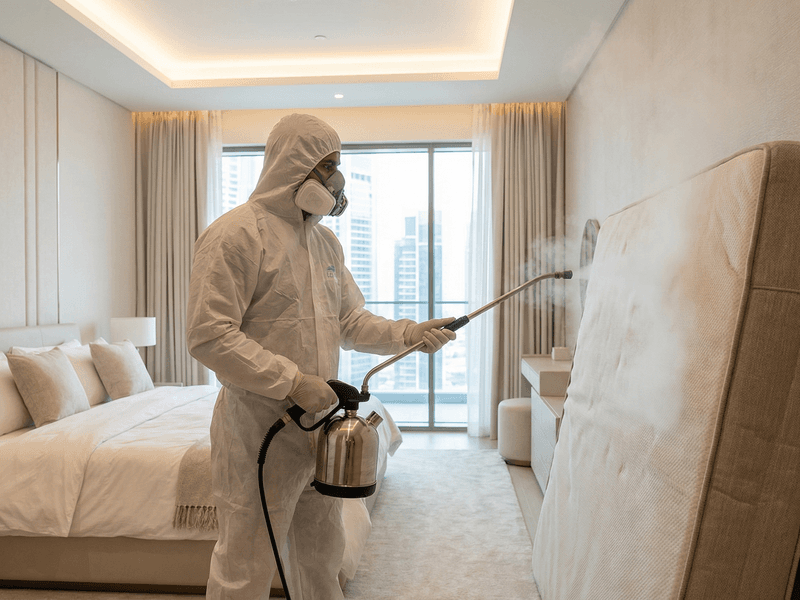
Steam treatment uses high-temperature steam to kill bed bugs and their eggs without chemicals. The steam penetrates mattress fibres, fabric and crevices where bed bugs hide, destroying them through heat. This non-toxic method is particularly well-suited for sensitive environments such as food preparation areas, care homes, hotels and hospitals where safety and compliance are essential. Steam leaves no chemical residue, making it safe for immediate reoccupation. The trade-off is that steam treatment can be slower, may require multiple sessions for heavy infestations and typically costs more than a standard chemical spray.
Some providers combine both methods for maximum effectiveness. A chemical spray addresses the broader area while steam targets deep infestations in mattresses and upholstery. This combined approach is worth discussing with your technician if previous treatments have failed.
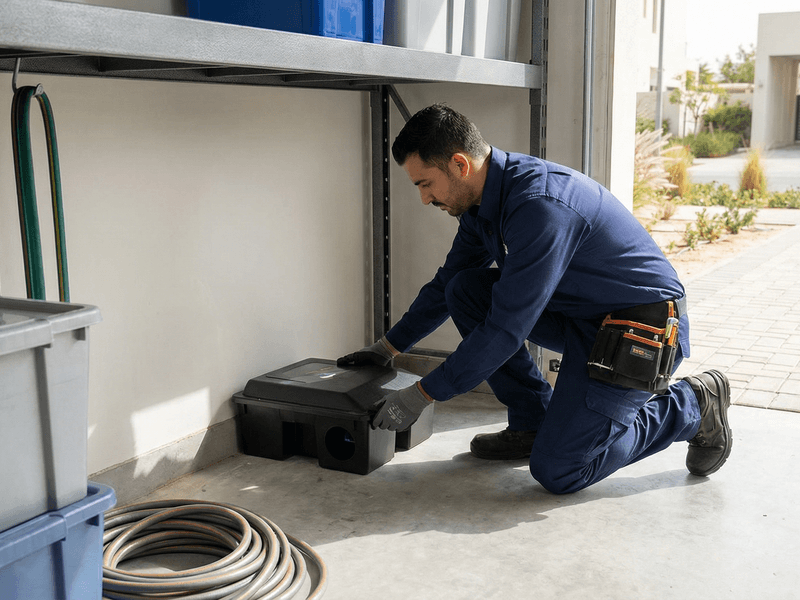
For other pests, the methods differ. Cockroach treatment typically uses gel baits placed in strategic locations rather than widespread spraying. Ant control relies on bait stations and gel droplets in cracks, combined with sealing entry points. Fly and drain fly treatment may involve drain gel applications that break down the organic matter where larvae develop. Regular cleaning of water tanks and drains also plays a role in reducing fly populations, as stagnant water and organic buildup are primary breeding sites.
Preventing Pest Infestations in Dubai Properties
Prevention is always more affordable and less disruptive than treatment. Dubai's climate means pests remain active throughout the year, so a proactive approach is necessary rather than seasonal.
Start with kitchen hygiene. Wipe down surfaces after cooking, store food in sealed containers and empty bins daily. In apartment buildings, the waste chute room on each floor can become a cockroach highway if not maintained. Report persistent issues to your building management so they can arrange regular treatment of common areas.
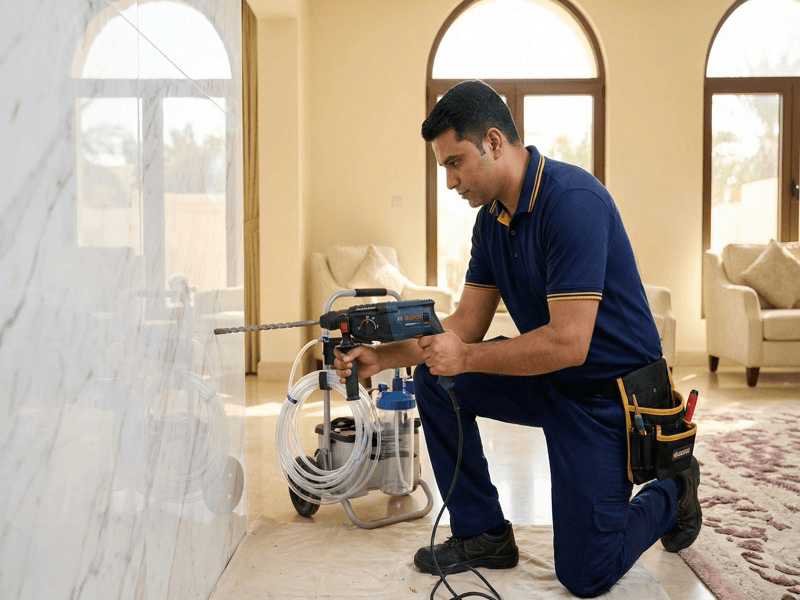
Seal entry points where possible. Use silicone sealant around pipes, skirting boards and window frames. A handyman can help with minor repairs such as fixing gaps under doors, replacing damaged window screens and sealing cracks in walls. These small fixes make a noticeable difference in keeping ants and cockroaches out.
Manage moisture carefully. Dubai's humidity creates condensation around AC units, in bathrooms and near water heaters. Leaking pipes and dripping taps provide water sources that attract pests. Have your plumbing inspected regularly and address leaks promptly. DEWA bills that show unusually high water consumption can sometimes indicate a hidden leak that also creates a pest-friendly environment.
For bed bugs specifically, inspect second-hand furniture before bringing it into your home. If you travel frequently, check hotel mattresses and headboards for signs of infestation, and keep your luggage on racks rather than on the floor or bed. Wash all clothing in hot water after returning from trips.
Drain maintenance is often overlooked. Pour a biological drain cleaner down kitchen and bathroom sinks monthly to break down organic buildup. Avoid pouring grease down the drain, as it solidifies and creates an ideal breeding ground for drain flies. If you notice slow drainage, have it investigated before it becomes a larger plumbing issue.
In villa communities, garden maintenance matters. Overgrown shrubs, standing water in plant pots and accumulated leaf litter all attract pests. Keep outdoor bins sealed and away from the main entrance. If you have a pest control treatment scheduled, clear the surrounding area so the technician can access all necessary spots.
For property owners who rent out their units, consider scheduling a pest control treatment between tenancies. This prevents infestations from carrying over and protects your property's reputation with incoming tenants. You can read more about our full range of pest control services to understand what we cover.
What to Expect During a Professional Pest Control Visit
Understanding the process helps you prepare and get the best results from your treatment. When you book a pest control visit with European Technical, the technician arrives at the scheduled time and begins with an inspection. This step is essential because it identifies the type of pest, the locations of activity and any contributing factors such as moisture or entry points.
For bed bug treatment, the technician examines mattress seams, bed frames, headboards, bedside furniture and carpet edges. They look for live insects, shed skins, eggs and faecal spots. The inspection determines the severity of the infestation and informs the treatment plan.
Once the inspection is complete, the technician applies the treatment. For chemical spray, this involves targeted application to identified areas. You will be asked to vacate the property for a set period, typically two to four hours, depending on the product used. Fish tanks and reptile enclosures should be covered or removed, and food items should be stored away or sealed.
After treatment, the technician provides written guidance on what to do next. This usually includes avoiding vacuuming treated areas for a set period, washing all bedding and clothing that was present during treatment, and monitoring for any further activity. A follow-up visit may be scheduled within 30 days if the warranty applies.
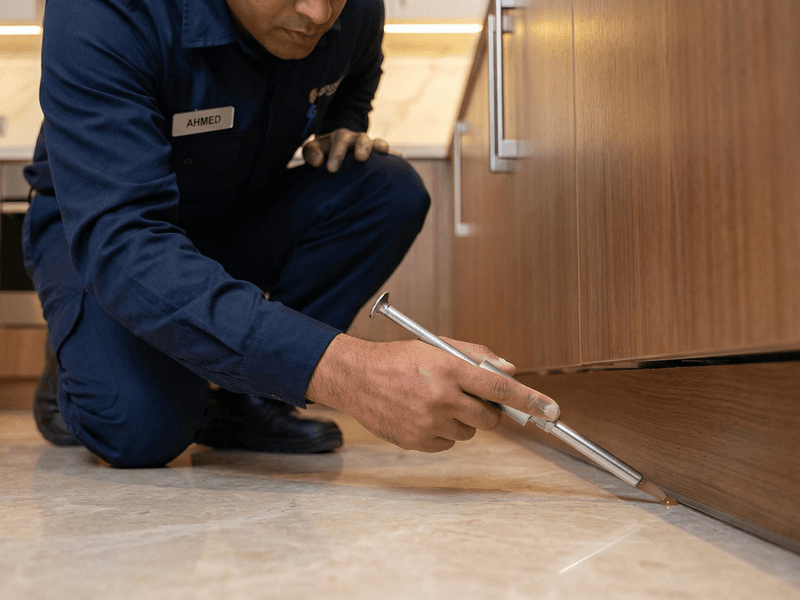
For cockroach and ant treatments, the process is less disruptive. Gel baits are placed discreetly in kitchen cupboards, under sinks, behind appliances and along baseboards. You do not usually need to leave the property, but you should avoid cleaning the bait points for at least a week to allow the product to work.
Communication is key. Tell the technician about any previous treatments, products you have tried yourself and any health concerns in the household. This information helps them select the most appropriate method and avoid products that could cause reactions.
Choosing a Licensed Pest Control Provider in Dubai
Dubai Municipality regulates pest control activity in the emirate, and any company carrying out treatments must hold a valid pest control licence. This is not a formality. It ensures that the technicians are trained, the products used are approved and the application methods meet safety standards. Unlicensed operators may use banned substances or apply chemicals incorrectly, creating health risks for you and your family.
When comparing providers, ask about their licence number, the products they use and the warranty they offer. A reputable company will provide this information without hesitation. Be cautious of unusually low prices, as they may indicate substandard products or incomplete treatments that require repeat visits.
European Technical operates under Dubai Municipality regulations and uses only approved products. Our technicians carry identification and arrive in marked vehicles. We service properties across Dubai, Abu Dhabi and Sharjah, covering residential apartments, villas, offices and commercial spaces. Whether you need a one-off treatment or ongoing protection through an annual maintenance contract, we tailor our approach to your property and circumstances.
Reviews and reputation matter. Look for providers with consistent feedback on service quality, punctuality and effectiveness. A treatment that fails within a week is not a bargain, regardless of the price. The goal is a lasting solution, not a temporary fix.
FAQ
How much does bed bug treatment cost in Dubai?
Bed bug treatment in Dubai typically starts from AED 149 for offices and small apartments. For residential properties, expect to pay around AED 200 for a studio, AED 250 for a one-bedroom, AED 300 for a two-bedroom and AED 350 for a three-bedroom apartment. Villa treatments range from AED 400 for a 3 BHK to AED 500 for a 4 BHK. Prices vary depending on the provider, the treatment method and the severity of the infestation.
Is chemical spray or steam treatment better for bed bugs?
Chemical spray is more common and cost-effective, killing bed bugs on contact and leaving a residual effect for several weeks. Steam treatment uses high-temperature steam without chemicals, making it ideal for sensitive environments such as homes with young children, pets or individuals with respiratory conditions. Steam is non-toxic but may require multiple sessions for heavy infestations. Some providers combine both methods for maximum effectiveness.
How should I prepare my home before a pest control visit?
For bed bug treatment, remove and wash all affected linen, bedding and clothing in hot water before the technician arrives. Clear the area around the bed, including under the bed and beside furniture, so all surfaces are accessible. Store food in sealed containers, cover or remove fish tanks and reptile enclosures, and plan to vacate the property for two to four hours after a chemical spray treatment. Your technician will provide specific instructions based on the treatment method.
How long does the pest control treatment take?
Most standard treatments take between 30 minutes and one hour to complete, depending on the size of the property and the type of pest. Bed bug spray treatments in a one or two-bedroom apartment typically take 30 to 45 minutes. You will usually need to stay out of the property for two to four hours afterwards to allow the product to dry and any odour to dissipate. Gel bait treatments for cockroaches and ants do not require you to leave the property.
Do pest control companies in Dubai offer a warranty?
Many licensed pest control providers in Dubai offer a 30-day warranty on bed bug treatments. This means if you notice continued activity within the warranty period, the company will return for a follow-up treatment at no additional cost. Always confirm the warranty terms in writing before booking, including what it covers and any conditions you must meet, such as following post-treatment instructions.
Can I stay in my apartment after a chemical pest control treatment?
You should vacate the property for the period specified by your technician, usually two to four hours, after a chemical spray treatment. This allows the product to dry completely and reduces exposure to any fumes. Once the recommended time has passed, open windows to ventilate the space, then return. If anyone in your household has asthma, allergies or other respiratory conditions, discuss this with your technician beforehand so they can select the most suitable product or method.