What Renovation Work Actually Costs In Dubai Homes
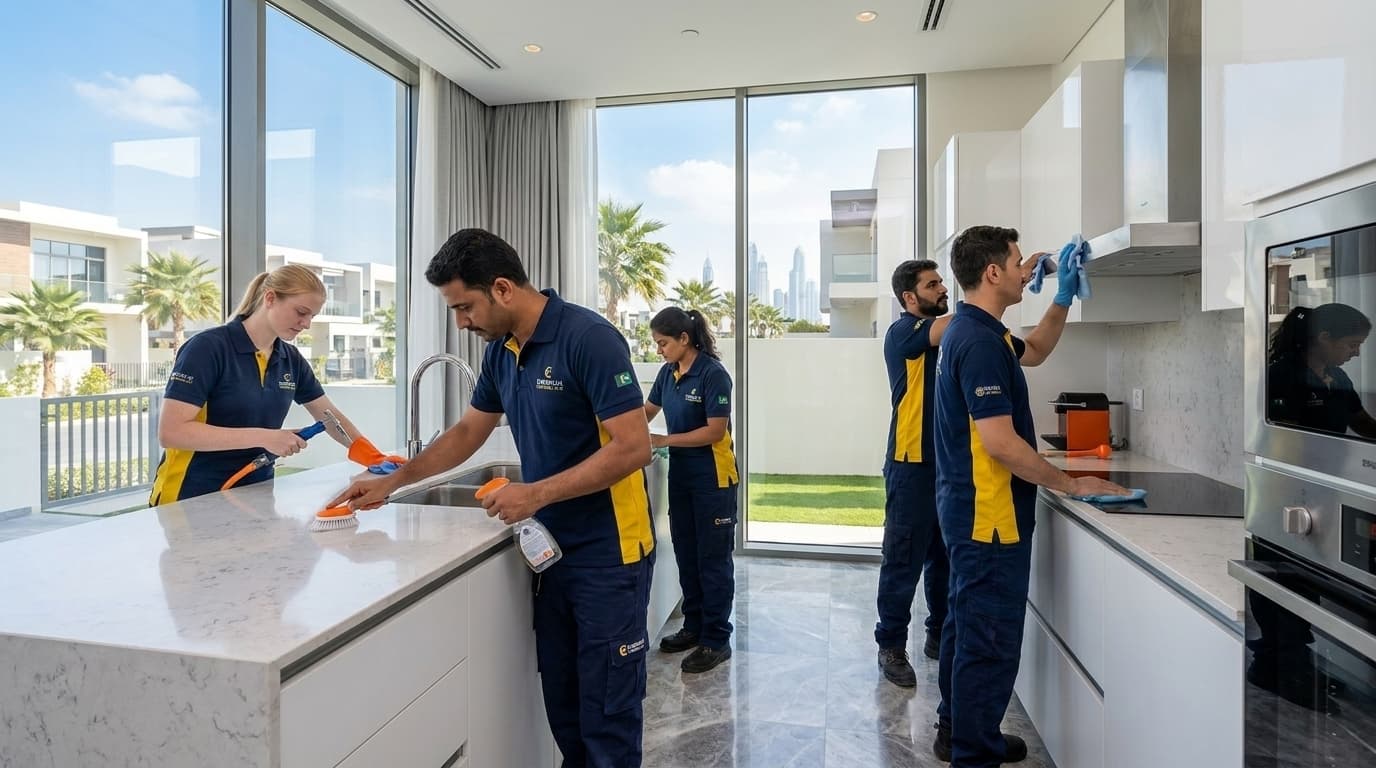
Ask ten Dubai residents what a bathroom or kitchen renovation costs and you will get ten wildly different answers. That is not because anyone is lying. It is because "renovation" covers everything from a full strip-out of a Marina apartment bathroom to something far smaller: refreshing tired silicone around a shower tray, resealing a kitchen sink, or replacing a cracked seal in a JVC studio.
If you own a property in Dubai, you already know how the climate treats finishes. Summer heat pushes indoor humidity around when air conditioning cycles on and off, showers run hot because the mains water is warm for half the year, and coastal areas like Dubai Marina and JBR get salt-laden air that finds its way into every gap. All of this is hard on sealants. Before you commit to a major renovation budget, it is worth knowing which jobs genuinely need a contractor and which are smaller maintenance tasks with modest, predictable costs.
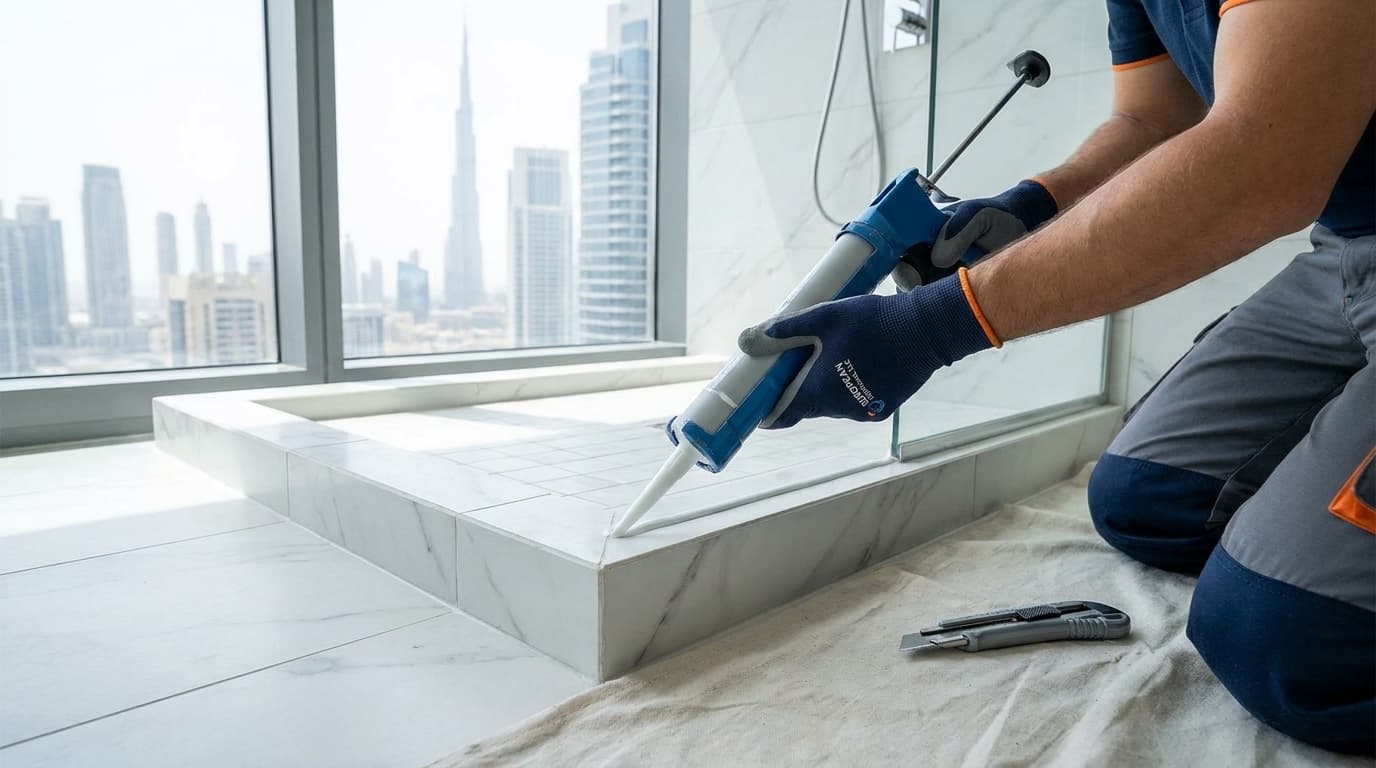
At European Technical, we regularly visit apartments in Downtown, Business Bay, JVC and Arabian Ranches where owners believe they need a full bathroom refit. Quite often, what they actually need is a proper silicone refresh and a handful of plumbing repairs. Cutting away blackened, failing sealant and applying fresh anti-mould silicone transforms the look of a bathroom for a small fraction of a renovation bill.
Why Silicone Is The Part Of Your Bathroom That Fails First
Silicone sealant is the quiet workhorse of every bathroom and kitchen. It seals the joints around baths, showers, toilets, sinks, basins, worktops and tiled areas. A good quality silicone, such as an anti-mould shower and bathroom sealant, is weatherproof, durable, adheres well to a range of surfaces and stays flexible for years. It is also the component that is easiest to get wrong, because a rushed or badly prepared sealing job shows immediately.
Bathrooms create close to ideal conditions for mould. Constant humidity, warmth and organic waste such as soap residue and skin oils give fungi everything they need. Silicone joints make this worse in a subtle way: because silicone is slightly insulating, the surface of the seal stays marginally cooler than its surroundings. That temperature difference encourages condensation to sit on the bead. Water plus organic material plus warmth equals mould, usually starting as faint grey speckling and progressing to stubborn black staining deep inside the seal.
In Dubai the problem is amplified. Air conditioning dries the air, then a hot shower spikes the humidity in a small room. Many apartments have bathrooms without windows, so mechanical extraction is the only defence, and when the extractor fan is weak or clogged, moisture lingers for hours. Kitchen seals face their own version of this: the joint around a sink sits in warm, damp conditions with food particles washing over it daily.
What Replacing Mouldy Silicone Costs In Dubai
So where does this fit into a renovation budget? Here are the real numbers we work with. Replacing mouldy silicone in a Dubai bathroom typically runs from AED 150 to AED 700 or more, depending on the scope.
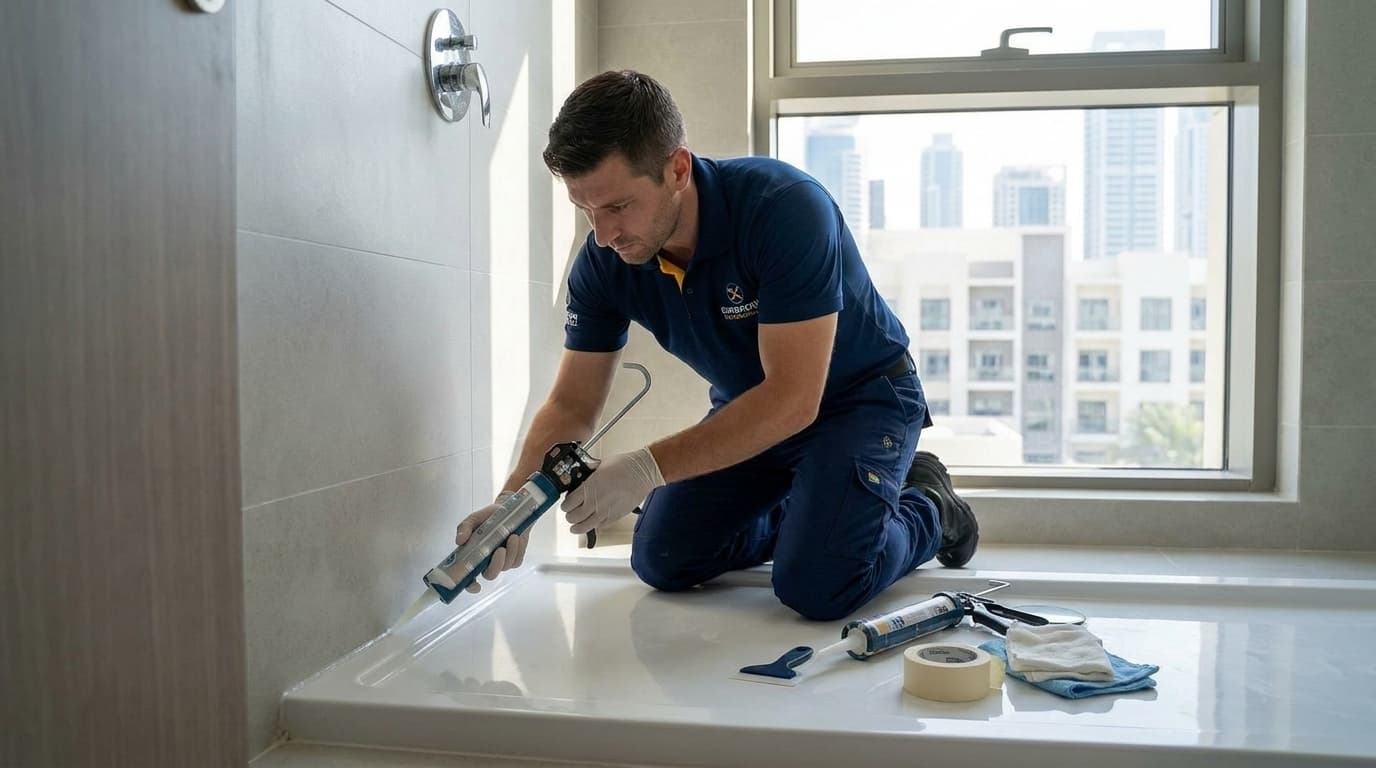
The lower end of that range, around AED 150 to AED 300, usually covers a single wet area: one shower cubicle or one bath, where the technician rakes out the old silicone, cleans and dries the joint, applies a fresh anti-mould bead and tool finishes it neatly. Mid-range jobs, roughly AED 300 to AED 500, cover a full bathroom: shower or bath, basin, toilet and any tiled junctions that need attention. Larger jobs push past AED 700 when the property is a big family bathroom in a villa in Arabian Ranches or Arabian Ranches 2, when there are multiple bathrooms to treat, or when old sealant has failed so badly that water has got behind tiles or into plasterboard and repairs are needed before re-sealing can even begin.
For context, compare that with the disruption of a full renovation: closing off a bathroom for days, dust through the apartment, disposal fees, tiling labour and new sanitaryware. A silicone replacement visit is a few hours, and the room is usable again the same day once the seal cures. This is why we so often recommend it as the first step before deciding on anything larger. If the tiles, sanitaryware and grout are sound, refreshing the seals can give you another few years out of a bathroom you were ready to tear out.
If you find yourself calling for this kind of work every year, the smarter route is an annual maintenance contract, which schedules seal checks, plumbing checks and other routine tasks so problems are caught before water gets where it should not.
Signs You Need More Than A Silicone Refresh
Not every damp or blackened bathroom can be saved with a new bead of sealant. Sometimes the mouldy silicone is a symptom rather than the disease. Call a professional rather than reaching for the sealant gun if you notice any of the following.
Persistent damp patches on the wall or floor around a shower, long after everything has dried. A musty smell that never fully clears even after cleaning. Loose or hollow-sounding tiles near wet areas, which suggests water has migrated behind the tile and broken down the adhesive. Grout that crumbles when you run a finger along it.
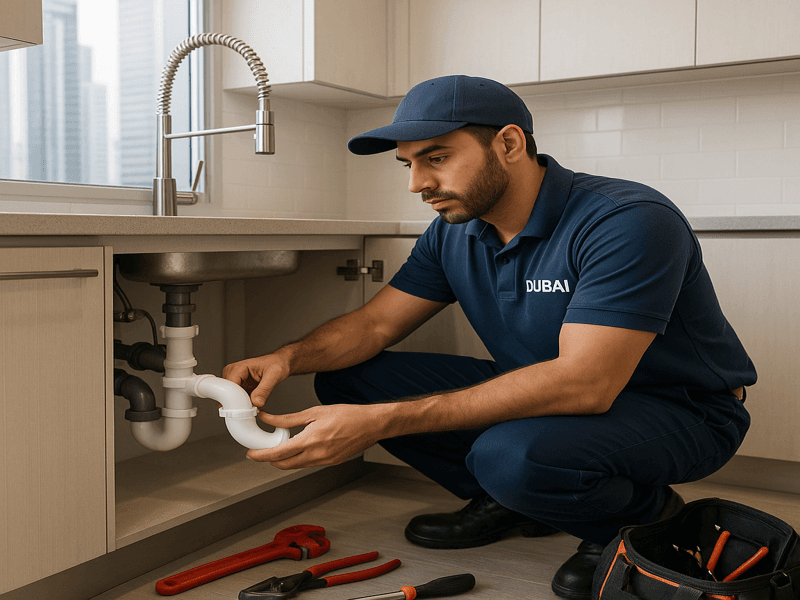
Also check the obvious things first. A leaking shower mixer or a slow drip under the kitchen sink keeps the surrounding area permanently damp and will ruin new silicone within months. Fix the leak, then reseal. Our handyman team handles exactly this combination: diagnose the leak, repair the pipework or waste fitting, then carry out the sealing properly in one visit. It is far more efficient than paying for a re-seal twice.
Can You Remove Bathroom Mould Yourself?
For surface staining on otherwise sound sealant, yes, and it is a straightforward method. Homeowners have had good results by applying bleach-soated absorbent material, such as strips of tissue or paper towel, pressed along the length of the silicone bead, leaving it in place for many hours (around twelve is common), then removing it and washing the area down well to clear any bleach residue. A widely viewed tutorial demonstrating this technique shows it restoring sealant to a near-new appearance, which can last another few years.
A few cautions from our technicians. Open the window or run the extractor fan, wear gloves, and never mix bleach with other cleaning products. This method lightens the mould but does not fix the reason the mould arrived. If the bead is deeply blackened, shrinking away from the tile, cracked, or missing in sections, it has passed the point where cleaning helps and the only real fix is removal and replacement. If water is visibly getting through a failed joint, stop cleaning and get it replaced, because that moisture is going somewhere behind your tiles.
How To Stop The Mould Coming Back
Fresh silicone plus a few habits is usually enough to keep a Dubai bathroom looking clean for years.
First, insist on quality anti-mould silicone rather than the cheapest generic tube on the shelf. Anti-mould formulations are designed specifically for showers, baths, toilets, wet rooms, sinks and tiled areas, and their resistance to fungal growth is meaningfully better. A translucent or colour-matched bead also hides future staining better than bright white against older tiles.
Second, fix the room's ventilation. Run the extractor fan during and after showers, not just during, and keep it clear of dust. Squeegee the walls and screen after showering in the hottest months, when the water in the pipes is warm enough that showers generate more steam than you might expect.
Third, keep the seals dry where you can. Wipe the shower tray and screen junction after use, and in kitchens, avoid letting water pool at the back of the sink. A small squeegee kept in the shower costs less than one specialist call-out.
Fourth, make seal inspection part of your routine property care. Across our European Technical visits in Dubai, we find that seals inspected twice a year last dramatically longer than seals left until they visibly fail. Catching an early breakdown means a AED 200 repair instead of a tile-out repair.
Kitchen Seals: The Same Rules Apply
Kitchens get less attention than bathrooms but the same physics applies. The sealant around your sink, behind the worktop splashback and at wall junctions sits in warm, damp conditions with organic material constantly washing over it. In Dubai kitchens, where many households cook daily and run the dishwasher in an enclosed space, sink seals can go mouldy just as fast as shower seals.
The replacement cost logic is identical: a single sink or worktop re-seal sits at the lower end of the AED 150 to 700+ range, while a full kitchen water-protection refresh across sink, splashback joints and any tiled areas climbs toward the top. If your kitchen sink has been draining slowly, deal with the blockage first. Standing water and slow drains keep seals permanently wet, and there are several same-day kitchen sink blockage services in Dubai, including ours, that clear clogs safely without damaging pipework before any sealing work begins.
FAQ
How much does it cost to replace mouldy silicone in a Dubai bathroom?
Expect AED 150 to AED 700 or more, depending on scope. A single shower or bath re-seal sits at the lower end, a full bathroom with basin, toilet and tiled junctions sits mid-range, and larger villas, multiple bathrooms or jobs requiring water-damage repairs before re-sealing push past AED 700.
Why does bathroom silicone go mouldy so quickly in Dubai?
Bathrooms combine constant humidity, warmth and organic waste such as soap residue, which feeds mould. Silicone also stays marginally cooler than its surroundings, which encourages condensation on the bead. Dubai's air-conditioned interiors plus hot, steamy showers and often windowless bathrooms with weak extraction make the problem worse.
Can I clean mould off silicone instead of replacing it?
For light surface staining, yes. Soak strips of tissue or paper towel in bleach, press them along the bead, leave for around twelve hours, then remove and wash the area down well. If the mould has penetrated deep into the seal, or the bead is cracked, shrinking or leaking, replacement is the only lasting fix.
How long should a good bathroom sealant last?
A quality anti-mould silicone applied to a clean, dry joint, in a bathroom with decent ventilation, should hold a sound, good-looking seal for years. Poorly prepared joints, weak extractor fans and constant moisture can shorten that considerably, which is why we see such a spread in how long seals last across Dubai properties.
Should I re-seal before or after fixing a leak?
Always fix the leak first. A dripping shower mixer or a weeping waste pipe keeps the surrounding area permanently damp, which will ruin new silicone within months and can hide water damage behind tiles. Have the plumbing repaired, let everything dry fully, then apply fresh sealant.
Is a silicone refresh enough, or do I need a full bathroom renovation?
If your tiles, sanitaryware and grout are sound and the only problem is blackened or failing seals, a professional silicone replacement often restores the bathroom for a fraction of renovation cost. If grout is crumbling, tiles sound hollow near wet areas, or damp patches persist, get a professional assessment before spending on either route, because those are signs of water getting behind the finishes.