Give Your Walls a New Life: When to Repaint Your Dubai Home
There comes a moment in every Dubai home when the walls start telling on you. The once-crisp white in your JVC apartment has gone slightly grey near the air conditioning vents. The exterior of your Arabian Ranches villa has faded from warm sand to tired beige. Perhaps the paint in your bathroom has begun to bubble near the shower, a familiar story in a city where humidity and heat work overtime against your walls.
Repainting is one of the most transformative and cost-effective things you can do for your property. It is also protective. Paint is your wall's first line of defence against moisture, dust and UV damage, and in Dubai's climate that defence gets tested harder than almost anywhere else. The question every homeowner eventually asks is simple: how often should I actually repaint?
The honest answer is that it depends on your home's condition, its location, how you use each room, and your own taste. But there are reliable rules of thumb, backed by what Dubai's climate does to painted surfaces year after year. Let's break it down.
Exterior Repainting: Every Three to Five Years
Most villa exteriors in Dubai need a fresh coat of paint every three to five years. That is noticeably more frequent than milder climates, where seven to ten years between exterior repaints is common. The reason is no mystery. Dubai's sun is relentless. Intense UV exposure breaks down paint resins and pigments over time, causing fading and chalking. Add wind-blown dust, occasional sandstorms and salt-laden air in coastal areas like Dubai Marina and JBR, and your exterior paint is fighting a daily battle.
Where your villa sits within that three-to-five-year window depends on a few factors:
- Sun exposure. A villa in Arabian Ranches or Motor City with large west-facing walls taking the full afternoon sun will age faster than one with more natural shade.
- Paint quality. High-quality, weather-resistant exterior paint with UV inhibitors simply lasts longer than budget emulsion pressed into outdoor service.
- Surface preparation. A repaint done over properly cleaned, primed and repaired surfaces holds its colour far longer than one rushed onto dusty or cracked walls.
- Sandstorm exposure. Homes on the desert edge, such as parts of Dubailand or Nad Al Sheba, cop more abrasion and dust accumulation.
If your villa gets heavy direct sun or frequent sandstorms, repainting every three years is usually the safe bet. If you have better shade, good insulation and used a quality weather-resistant paint last time, you might stretch to five years.
One practical note: timing matters as much as frequency. Dubai's peak summer, with surface temperatures that can make exterior walls unpleasant to touch by mid-morning, is the worst time for exterior work. Paint applied in extreme heat can dry too quickly, leading to poor adhesion, brush marks and premature failure. The cooler months between October and April are ideal for exterior projects.
A word on regulations too. Exterior painting in Dubai, particularly villa work involving scaffolding, often requires permits or approvals from authorities such as the Dubai Development Authority or Dubai Municipality, depending on your community. This is one of the reasons exterior work is best handled by a professional contractor who knows the local approval process rather than a casual handyman with a ladder. If your villa sits in a master community with its own homeowners' association, there may be additional colour and finish guidelines to observe.
Interior Repainting: Five to Seven Years, With Exceptions
Interior walls have a much easier life. No sandstorms in your living room, mercifully. In normally used rooms, such as bedrooms, hallways and living areas, paint typically lasts five to seven years before showing enough wear to justify a full repaint. That wear shows up as scuffs along skirting levels, marking around switches and door handles, slight colour unevenness, and the gradual dulling that comes from years of AC-filtered, low-humidity air.
The exceptions are the rooms where moisture lives:
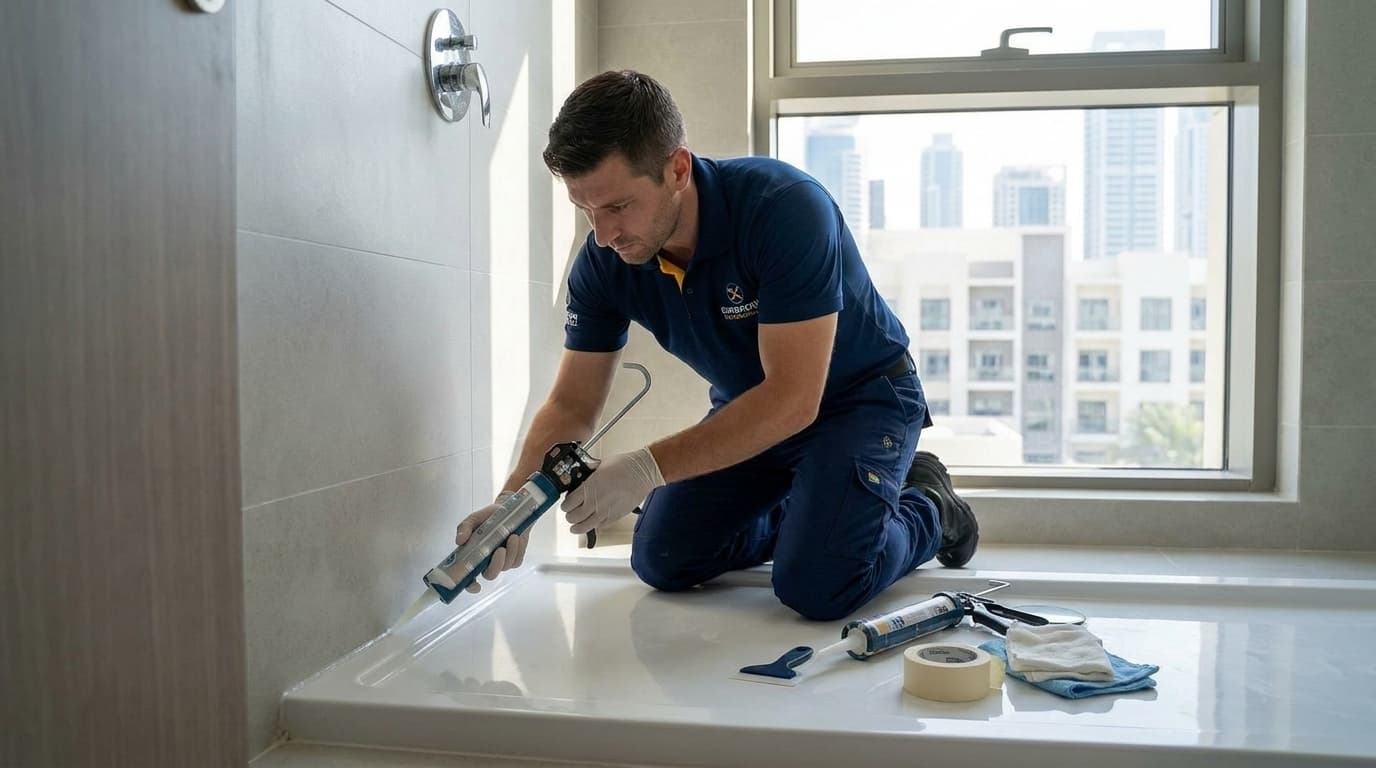
- Bathrooms need attention closer to every three to four years. Steam, splashing and poor ventilation combine to cause peeling, bubbling and occasionally mildew spotting on ceilings and walls above showers.
- Kitchens fall into a similar category. Cooking steam, grease deposits and cleaning products all shorten paint life, especially near hobs and sinks.
- Children's rooms and high-traffic corridors may need touching up more often simply because of daily contact.
There is also a category that has nothing to do with damage at all. Sometimes there is no fading, no peeling, no mildew, and you are simply ready for a change. That is reason enough. Your home should reflect your taste and make you feel good when you walk through the door. A new colour scheme can make an apartment in Business Bay feel brand new without moving a single piece of furniture. If you want a change, repaint. Style is a legitimate maintenance schedule too.
Warning Signs Your Walls Are Due
Rather than counting years on a calendar, your walls will tell you when they need help. Look out for these:
- Fading and chalking. Run your hand over an exterior wall and find a powdery residue. The paint film is breaking down and needs replacing.
- Bubbling or blistering. Usually moisture trapped behind or within the paint layer, common in bathrooms and on shaded exterior walls that stay damp after humidity spikes.
- Peeling and flaking. Once paint lifts from the substrate, spot repairs rarely hold for long. The affected area needs scraping back, drying completely, and proper priming before recoating.
- Hairline cracks. Fine cracking is common in Dubai villas due to thermal expansion as walls heat and cool daily. Cracks should be filled and the surface repaired before any repaint.
- Visible patches and uneven sheen. A sign the previous coats were thin or the walls were not properly prepared.
If you spot several of these, patching is a false economy. A full professional repaint with proper preparation will outlast a series of repairs by years. Our painting team handles everything from crack filling and wall repair to waterproof coatings in wet areas, so the new coat bonds to a sound surface rather than covering a problem.
What Professional Repainting Actually Involves
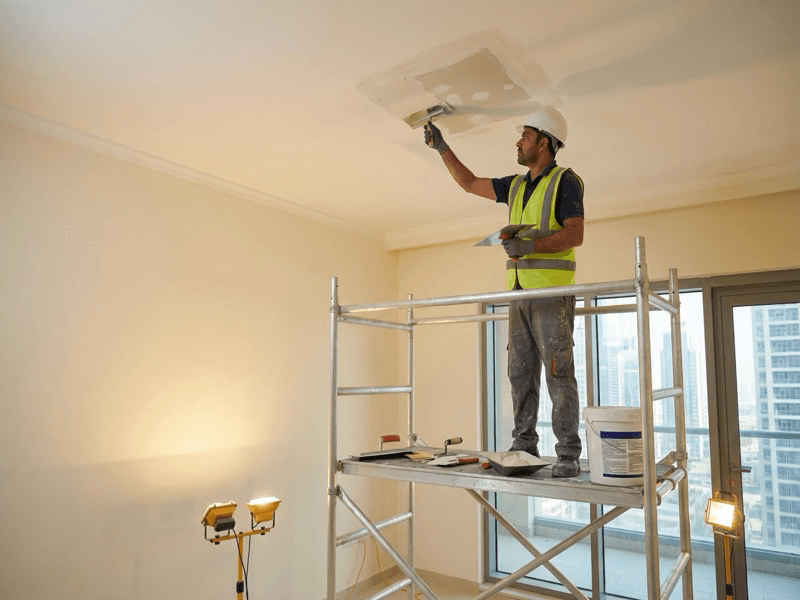
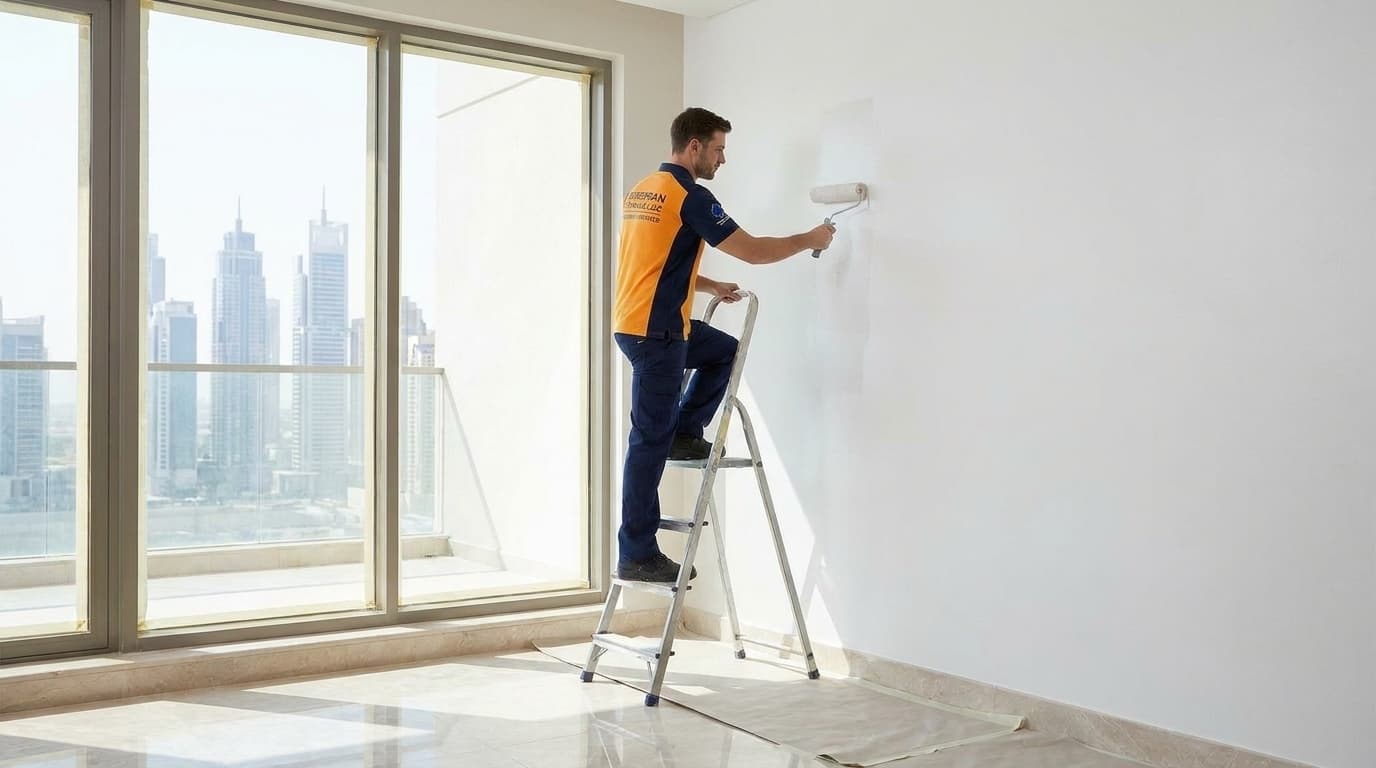
A quality repaint is mostly preparation. Any painter who arrives with a roller and no plan for surface repair is setting you up for early failure. A proper interior job typically includes:
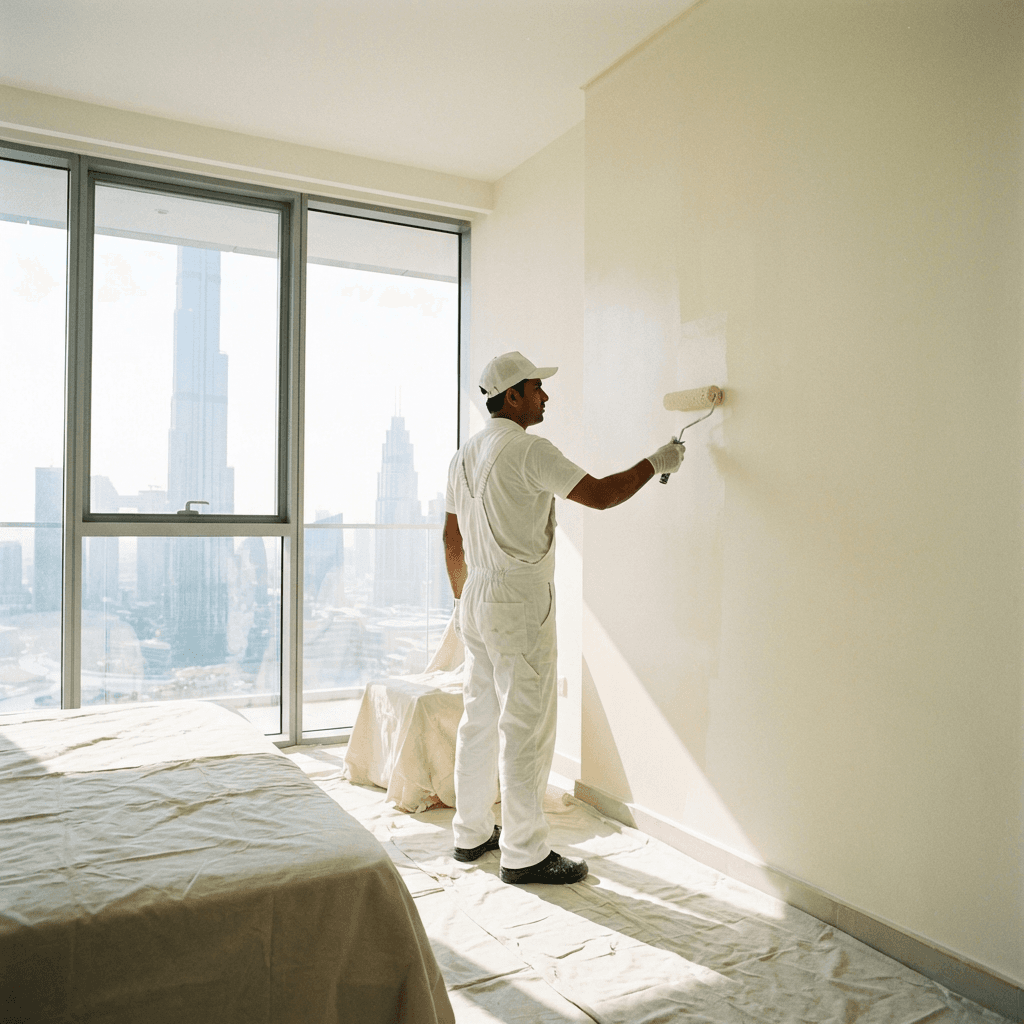
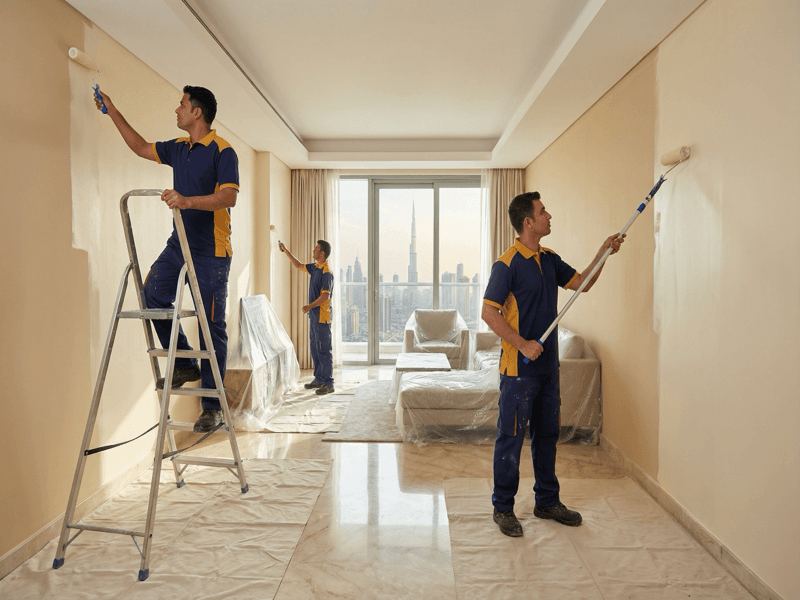
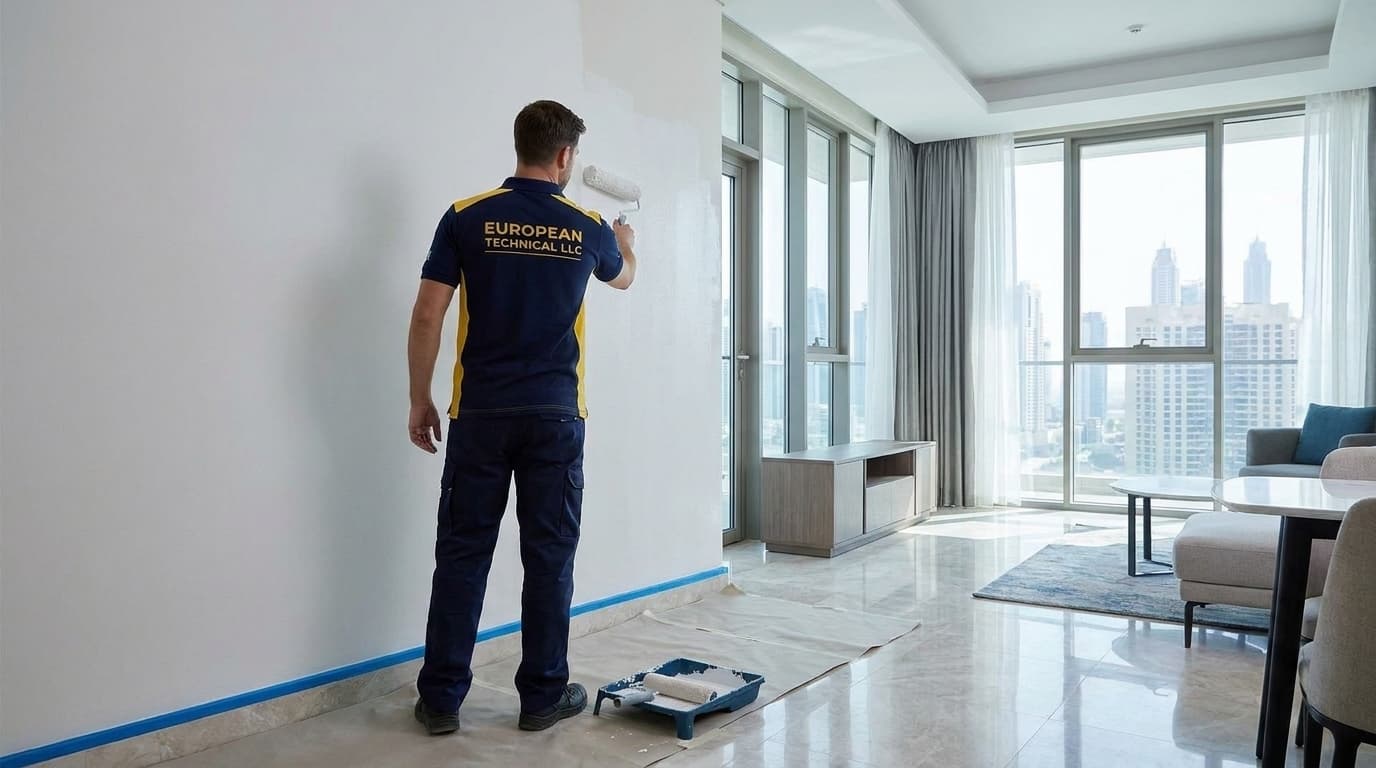
- Protecting the area with painters' tape along all edges, covering floors and exposed furniture with dust sheets.
- Repairing hairline cracks, holes and general wall damage with appropriate fillers, then sanding smooth.
- Priming bare or repaired areas, particularly where old paint has been scraped away.
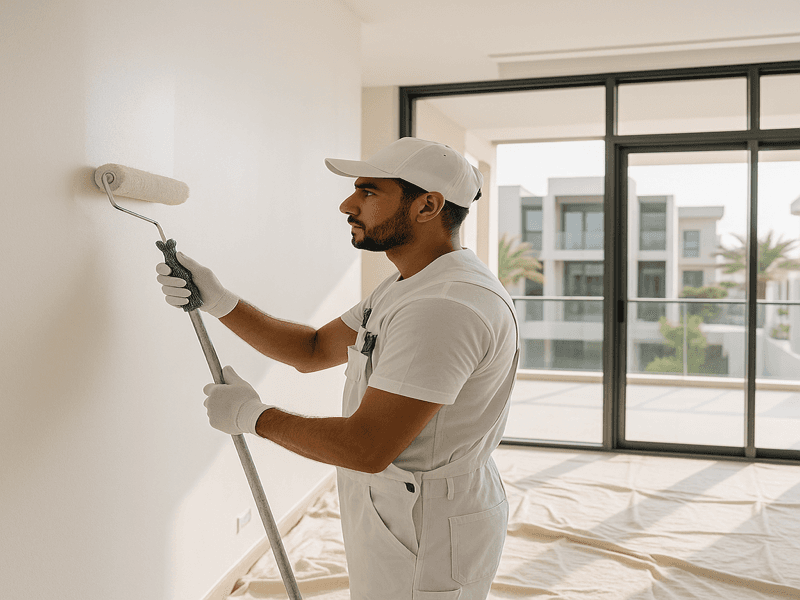
- Applying the finish coats, usually two, with correct drying time between them.
Exterior work adds pressure washing or sanding to remove chalked paint, repairing render and stucco cracks, and using paints formulated for UV and dust resistance.
How long does it take? For villas, an interior and exterior painting project in Dubai can run from a few days to four weeks depending on the size of the property and the scope of work. A one-bedroom apartment interior might be completed in two to four days; a large villa exterior with scaffolding and permits will sit at the longer end. Your contractor should give you a written schedule before starting.
On cost, villa and apartment painting in Dubai is quoted on area, paint quality, number of coats and the amount of preparation and repair needed. Getting an itemised written quotation protects you from surprises. It also lets you compare quotes on like-for-like scope rather than headline price, because the cheapest quote usually means the thinnest preparation and paint.
Making Your Paint Last Longer
Whatever schedule you land on, a few habits extend the life of every repaint:
- Choose the right paint for the right room. Moisture-resistant and mould-inhibiting formulations for bathrooms and kitchens; scrubbable, stain-resistant emulsions for hallways and children's rooms; UV-resistant exterior paints outside.
- Ventilate wet rooms. Running the extractor fan during and after showers does more for your bathroom paint than any product choice.
- Wash walls gently. A soft wipe with mild detergent removes the dust film that gradually dulls interior colour.
- Rinse exterior dust off periodically. Particularly after sandstorms, hosing down walls removes abrasive dust that accelerates wear.
- Fix leaks immediately. A slow leak behind a wall will destroy a new paint job from within months.
- Book periodic inspections. A handyman visit can catch hairline cracks, sealant failures and early paint problems while a five-minute touch-up still fixes them.
If you would rather take the whole question off your plate, an annual maintenance contract covers scheduled inspections and upkeep across painting, AC, plumbing and general repairs, so small issues never get the chance to become full repaints. Many Dubai landlords and villa owners also pair planned repainting with regular cleaning to keep dust and grime from settling into surfaces between coats.
FAQ
How often should I repaint my house in Dubai?
Exterior surfaces typically need repainting every three to five years due to intense UV exposure and dust accumulation. Interior walls in normally used rooms usually last five to seven years, while high-humidity rooms like bathrooms and kitchens need attention closer to every three to four years. Villas with large sun-exposed exterior areas often need repainting every three years.
Why does exterior paint fade faster in Dubai than elsewhere?
Dubai's intense UV radiation breaks down paint pigments and binders, while wind-blown dust, sandstorms and coastal humidity add abrasion and moisture stress. This is why exteriors here last three to five years rather than the seven to ten years common in milder climates.
What are the signs my walls need repainting?
Look for fading, chalking (a powdery residue when you rub the wall), bubbling, peeling, flaking, hairline cracks and visible patches or uneven sheen. In bathrooms, mildew spotting and paint bubbling near showers are clear signals the surface needs attention.
How long does it take to paint a villa in Dubai?
It depends on the size of the villa and the scope of work. Interior and exterior villa painting projects in Dubai generally take from a few days to four weeks. Apartments and smaller interiors sit at the shorter end of that range.
Do I need a permit to paint my villa exterior in Dubai?
Often, yes. Exterior villa painting, especially work involving scaffolding, may require a painting and maintenance permit from authorities such as the Dubai Development Authority or Dubai Municipality, and some communities have their own colour and approval guidelines. A professional contractor will handle the approvals for you.
Can I repaint just because I want a new look?
Absolutely. Sometimes there is no damage, no fading and no mildew, and you simply want a change. Your home should reflect your taste and make you feel good when you walk in. A fresh colour scheme is a perfectly good reason to repaint, and it is one of the fastest ways to make a Dubai home feel new again.