Signs Your Water Pipes Are About to Fail
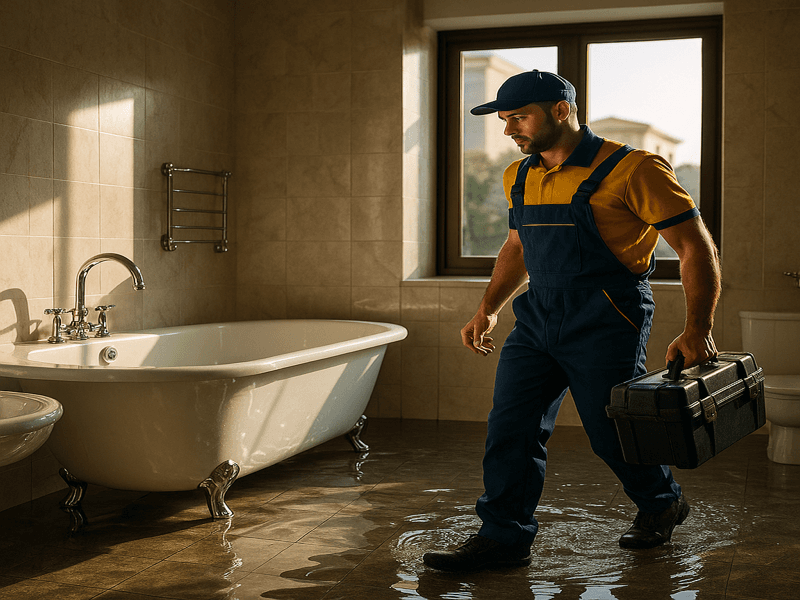
Water pipe failures in Dubai cause thousands in damage annually - destroyed flooring, ruined furniture, mould growth, and disputes with neighbours when leaks affect multiple units. The frustrating part: most pipe failures show warning signs weeks or months before catastrophic leaks occur. Knowing what to watch for prevents emergency repairs and extensive property damage.
Why Dubai Pipes Fail Faster
Dubai's water infrastructure faces unique stress factors that accelerate pipe deterioration:
High Mineral Content: Dubai's desalinated water contains treatment chemicals and minerals that corrode pipes faster than soft water in other regions.
Temperature Extremes: Pipes expand and contract with temperature swings, stressing joints and connections.
Building Age: Properties over 15 years old increasingly face original plumbing reaching end of lifespan.
Water Pressure: Some areas experience pressure surges during peak demand times, stressing weak points.
Installation Quality: Dubai's construction boom period (2002-2008) saw variable plumbing standards, with some properties having substandard materials or installation.
Warning Signs You Can See
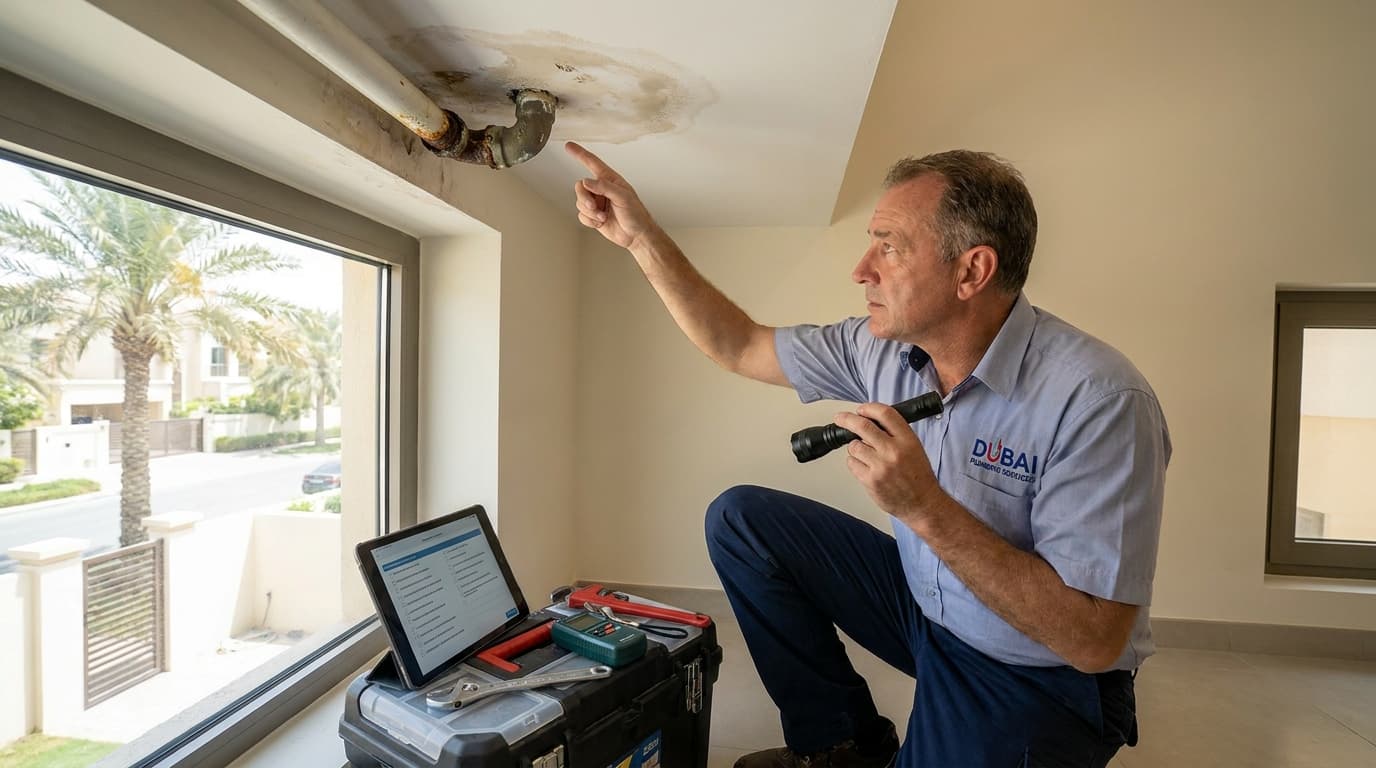
Water Stains and discolouration
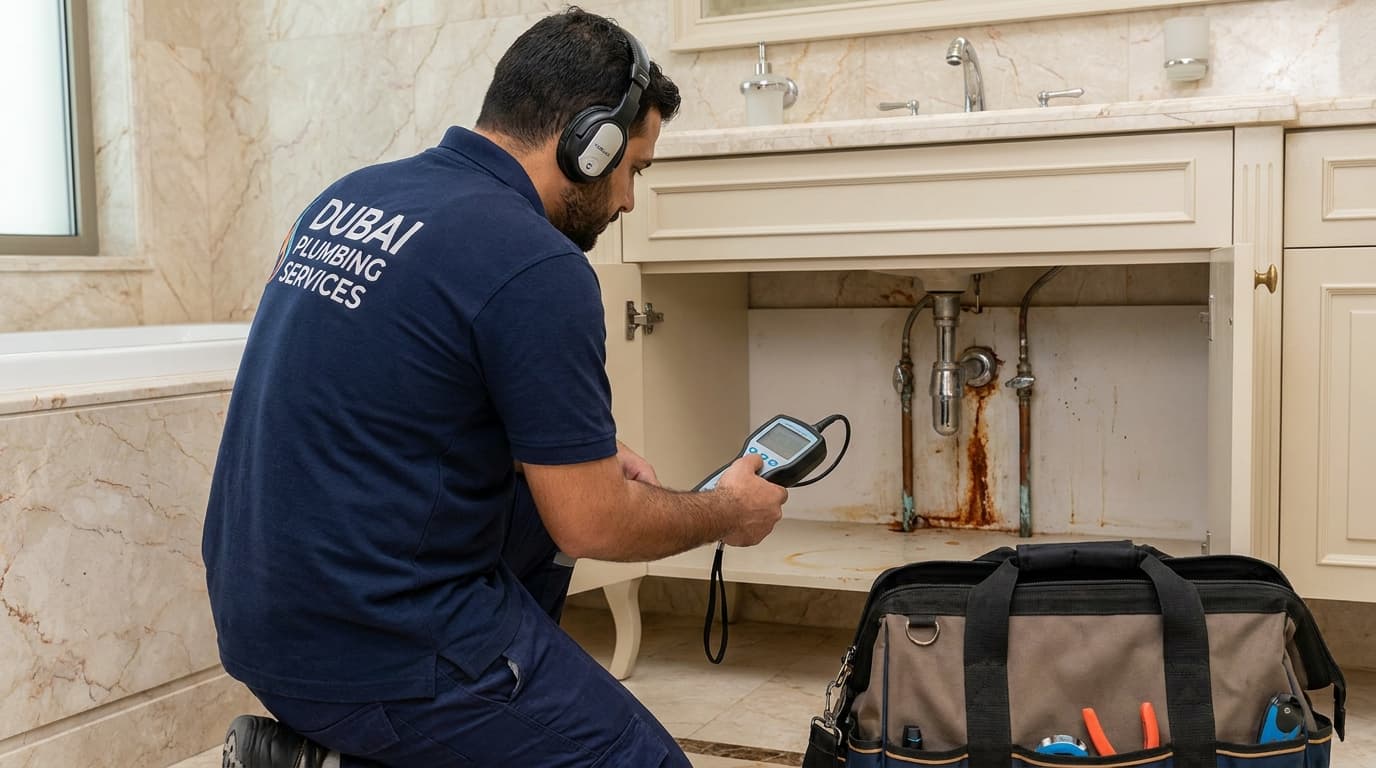
Yellow, brown, or rust-coloured stains on walls, ceilings, or cabinets indicate water has been seeping through:
Where to cheque:
- Under sinks and around pipe penetrations
- Ceiling areas directly below bathrooms
- Behind toilets and under water heaters
- Exterior walls near outdoor taps or irrigation connections
Stains grow slowly. If a stain expanded since last month, active leaking is occurring. Don't wait for obvious drips - by then, hidden damage is extensive.
Peeling or Bubbling Paint
Paint bubbling or wallpaper peeling often appears before visible water:
- cheque wall areas near plumbing fixtures
- Inspect baseboards (water travels down walls and pools at bottom)
- Look at ceilings in rooms below bathrooms
Paint reacts to moisture before humans notice other signs. This early warning often gets ignored until serious leaks develop.
Mould and Mildew Growth
Mould indicates moisture present continuously:
Problem Areas:
- Under sinks
- Behind washing machines
- Around toilets
- Corners of bathrooms (especially floor/wall junctions)
Dubai's humidity causes some surface mould, but extensive growth or mould appearing in unusual locations points to hidden water sources.
Warped or Damaged Flooring
Water infiltration damages flooring materials:
Wood floors: Cupping, warping, or dark staining Tiles: Lifting, cracking, or hollow sounds when tapped Carpet: Persistent damp smell, staining, or spongy feeling Vinyl/laminate: Bubbling, warping, or lifting at seams
Floor damage near plumbing fixtures is almost always water-related, not just cosmetic ageing.
Warning Signs You Can Hear
Running Water Sounds When Nothing Is On
If you hear water running when all taps are closed and appliances are off:
- cheque your water metre immediately
- Note if the dial is spinning
- Turn off main supply valve
- If metre stops, leak exists in your internal plumbing
This indicates water flowing somewhere continuously - even small leaks waste thousands of litres monthly while causing hidden damage.
Dripping or Hissing
Faint dripping sounds from walls, ceilings, or under floors signal active leaks. Hissing suggests high-pressure leaks, which are particularly serious.
cheque during quiet times (late night) when ambient noise is low. Follow sounds to origin points using a glass held against walls (amplifies sounds) or moisture metre.
Gurgling from Drains
While gurgling often indicates drainage venting problems, it can also signal:
- Partial pipe blockages (increasing pressure on weak pipe sections)
- Air entering system through cracks
- Drain line failures
Combined with slow drainage or bad smells, gurgling warrants immediate inspection.
Warning Signs You Can Feel
Low Water Pressure
Sudden pressure drops across multiple fixtures suggest:
- Major leak diverting water before it reaches taps
- Pipe blockages from corrosion buildup
- Supply line failures
Pressure drops affecting only one fixture usually indicate localized issues (aerator clogs, shut-off valve problems).
Pressure Test: Normal Dubai water pressure: 40-60 PSI (276-414 kPa). If you notice weak flow from multiple taps, especially upstairs, deteriorating pipes may be constricting water flow.
Hot or Cold Spots on Floors or Walls
Temperature anomalies indicate water leaking:
Hot spots: Hot water leaks from heater supply lines Cold spots: Cold water leaks or sewage line issues Damp, cooler areas: Water accumulation behind surfaces
Use your hand to cheque floor and wall areas near plumbing during different times of day.
Unexplained Moisture
Touch baseboards, under-sink cabinets, and areas around plumbing:
Persistent moisture or dampness indicates ongoing leakage. Even small amounts cause mould and structural damage over time.
Warning Signs in Your Water Bill
Unexplained Usage Increases
If your DEWA bill shows 20%+ increase in water consumption without obvious causes (guests, new appliances, lifestyle changes), hidden leaks are likely.
Track Your Usage:
- Note cubic metres consumed monthly
- Calculate daily average usage
- Identify sudden jumps
A single toilet flapper leak wastes 200+ litres daily. Larger pipe leaks waste thousands of litres, costing hundreds monthly while destroying property.
Inconsistent Billing Patterns
Examine 6-12 months of bills. Sudden spikes followed by returns to normal might indicate intermittent leaks or pressure-related failures that worsen during certain conditions.
Pipe Material-Specific Warning Signs
Copper Pipes (Common in Older Dubai Properties)
Corrosion indicators:
- Green or blue staining (copper oxidation)
- Pinhole leaks (tiny water jets under pressure)
- Flaking or rough surface texture
- Visible corrosion at joints and bends
Copper pipes typically last 50+ years in ideal conditions, but Dubai water quality can reduce this to 25-30 years.
PEX Pipes (Modern Properties)
Failure signs:
- discolouration (white/beige pipes turning yellow)
- Brittleness (older PEX becomes rigid)
- Failed fittings (brass connections corrode faster than pipe)
- Cracking near fixtures
PEX lifespan in Dubai: 20-30 years expected, but UV exposure and installation quality affect this significantly.
PVC Pipes (Drainage and Some Cold Water)
Deterioration indicators:
- Cracks at joints
- discolouration or chalky surface
- Sagging sections
- Loose connections
PVC cold-water pipes should last 50+ years, but hot water contact or improper installation shortens this drastically.
Galvanized Steel (Older Buildings Only)
If your property has galvanized pipes (pre-2000 buildings):
Replace immediately if:
- Rust-coloured water (internal corrosion advanced)
- Frequent leaks
- Very low pressure (internal diameter reduced by rust)
- Pipes are 40+ years old
Galvanized pipes in Dubai typically fail after 20-30 years. Continued use past this point invites catastrophic failures.
High-Risk Locations to Monitor
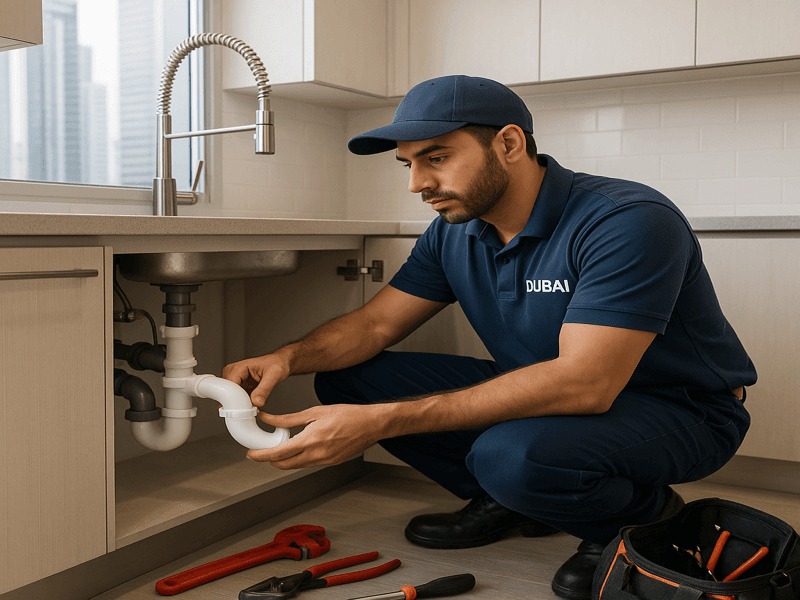
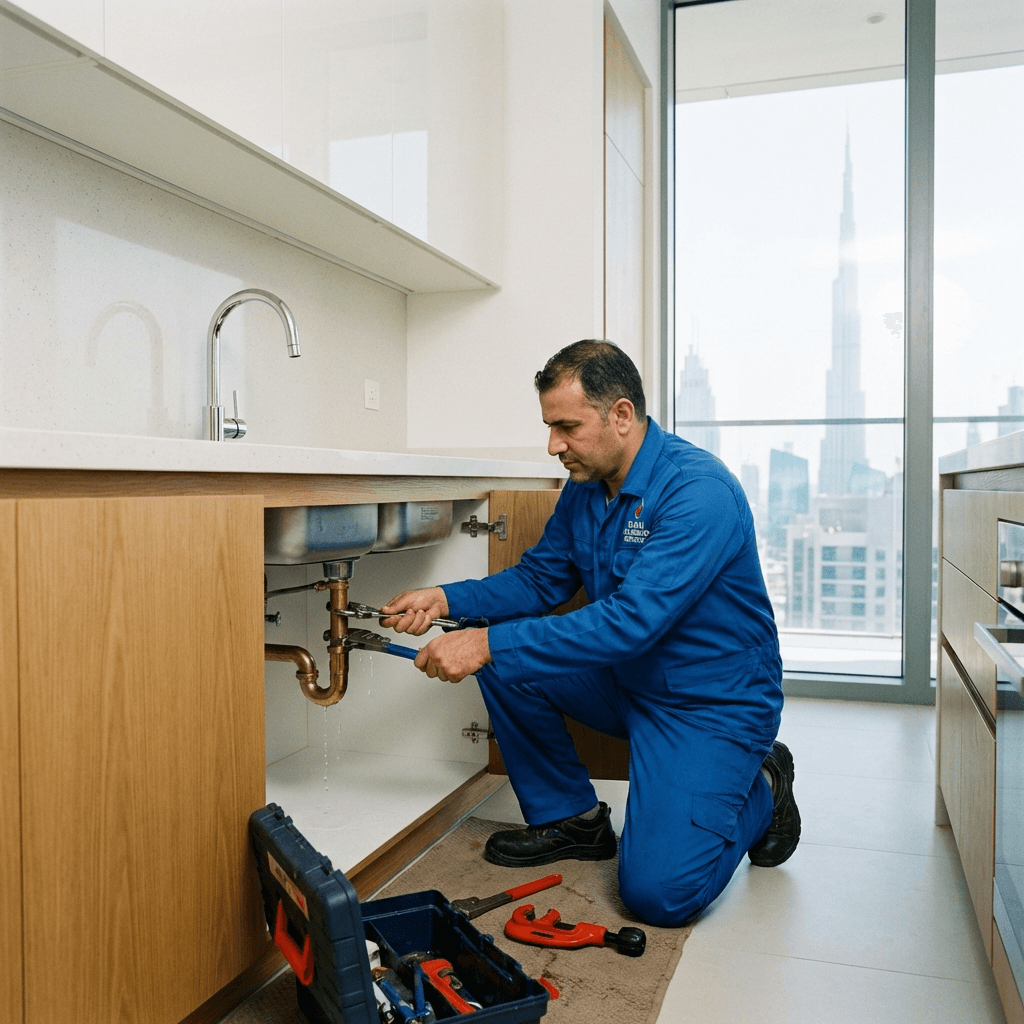
Under-Sink Areas
Inspect monthly:
- Trap connections (frequent leak points)
- Shut-off valve connections
- Cabinet floor for water staining
- P-trap for corrosion or cracks
Kitchen sink drains corrode faster due to grease and detergent exposure.
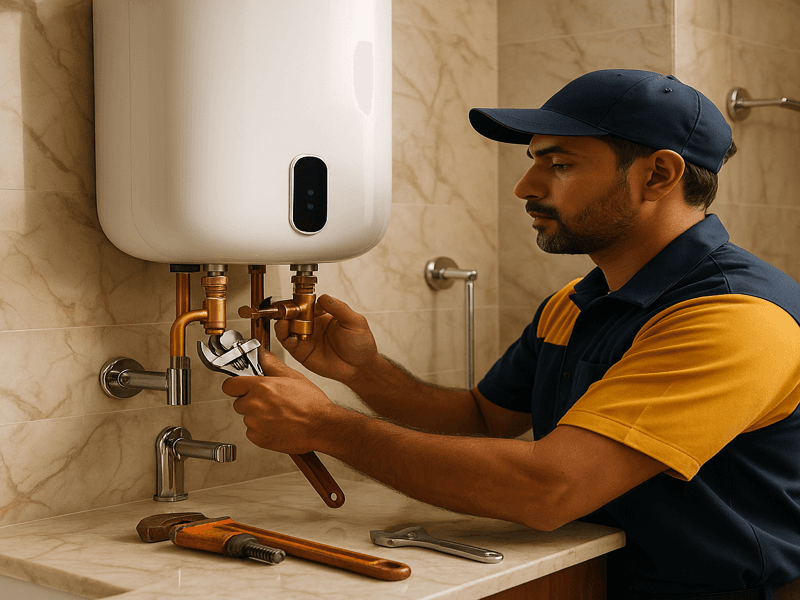
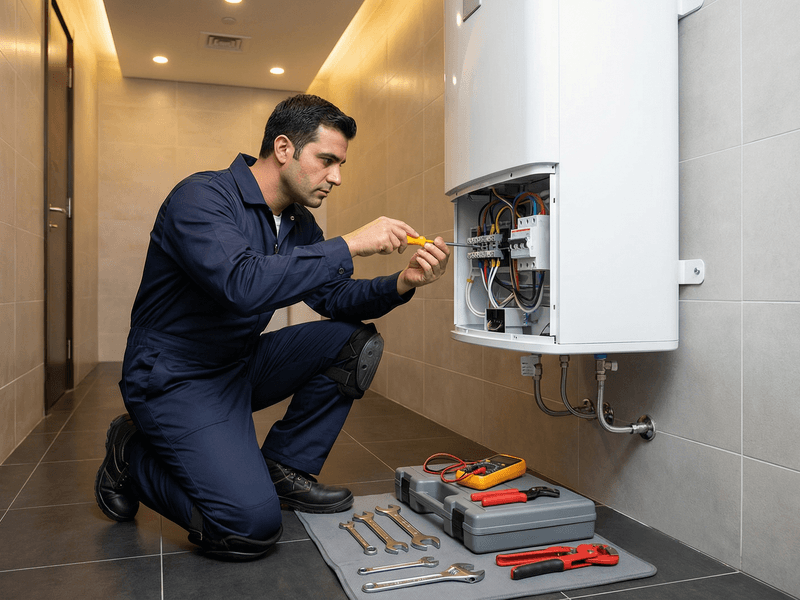
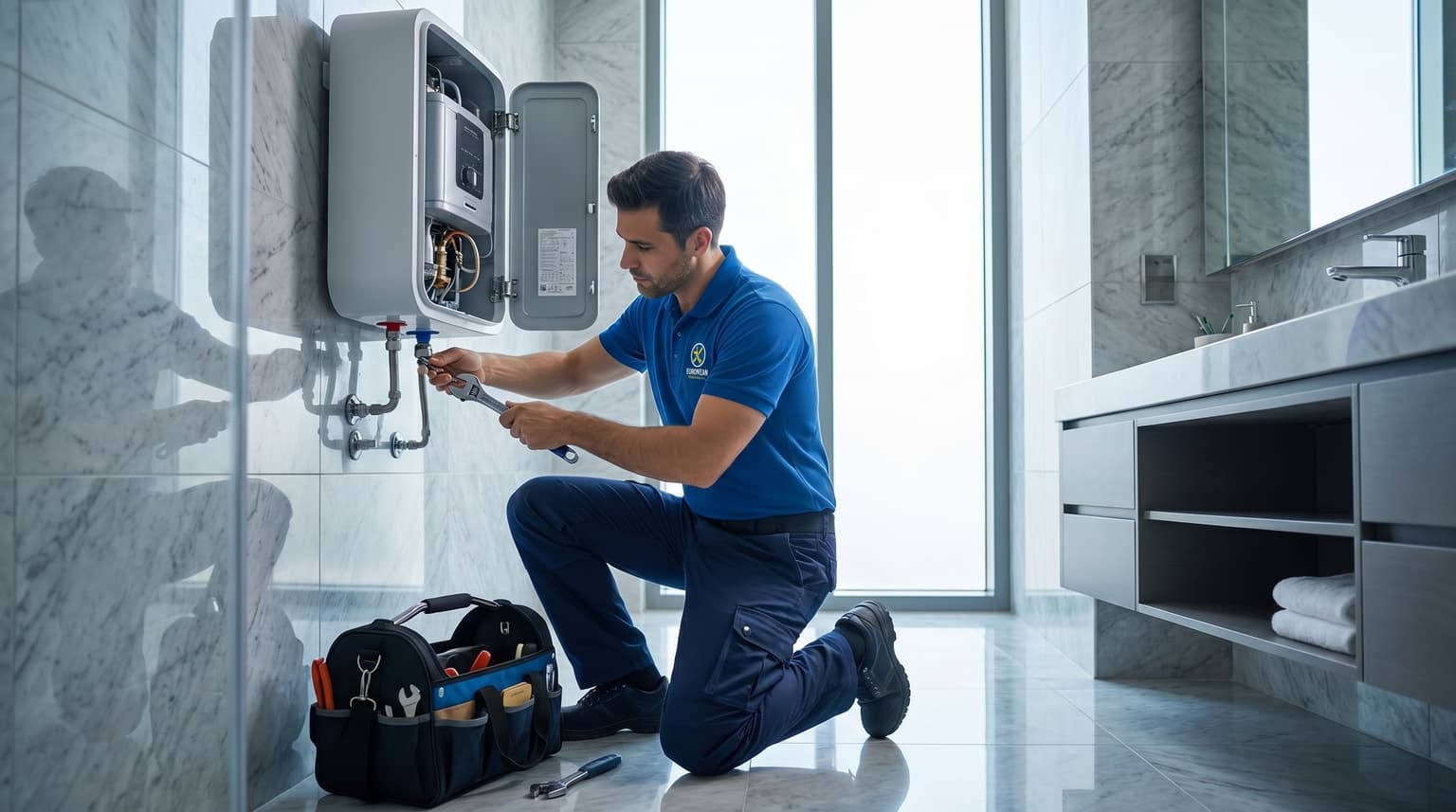
Water Heater Connections
cheque every 3 months:
- Inlet/outlet connections for moisture or corrosion
- Pressure relief valve for drips
- Tank base for rust or moisture
- Floor area under heater
Water heater failures cause extensive damage. Units over 8-10 years old warrant replacement consideration.
Toilet Connections
Inspect quarterly:
- Supply line connection at wall and tank
- Tank-to-bowl gasket (water on floor around toilet base)
- Flapper seal (listen for running water after flush)
Toilet leaks often go unnoticed because small amounts of water evaporate, but they waste massive amounts over time.
Washing Machine Connections
Monthly checks:
- Hose condition (cracks, bulges, brittleness)
- Connection tightness at wall and machine
- Floor area for water staining
Washing machine hoses under constant pressure fail without warning. Replace every 5 years even if they look fine.
When to Call Professionals Immediately
Some warning signs require urgent professional plumbing inspection:
Emergency Situations:
- Visible active leaking
- Water stains rapidly expanding
- Significant pressure loss across property
- Water running with main supply off (metre spinning)
- Ceiling bulging with water weight
- Foundation cracks near plumbing areas
Urgent (24-48 Hours):
- New mould growth in dry areas
- Unexplained 30%+ water bill increase
- Multiple fixtures showing low pressure
- discoloured water (rust, brown, or dark)
- Floor damage near plumbing
Schedule Soon (1-2 Weeks):
- Slow-growing water stains
- Occasional gurgling or strange sounds
- Minor pressure fluctuations
- ageing pipe systems (15+ years)
Inspection Tools and Techniques
DIY Detection Methods
metre Test:
- Turn off all water use in property
- cheque metre reading or dial
- Wait 30 minutes
- cheque again - any movement indicates leaks
Food colouring Test (Toilets):
- Add drops of food colouring to tank
- Wait 15 minutes without flushing
- If colour appears in bowl, flapper is leaking
Paper Towel Test: Wrap dry paper towels around pipe connections. cheque after 24 hours - moisture indicates leaking.
Professional Detection
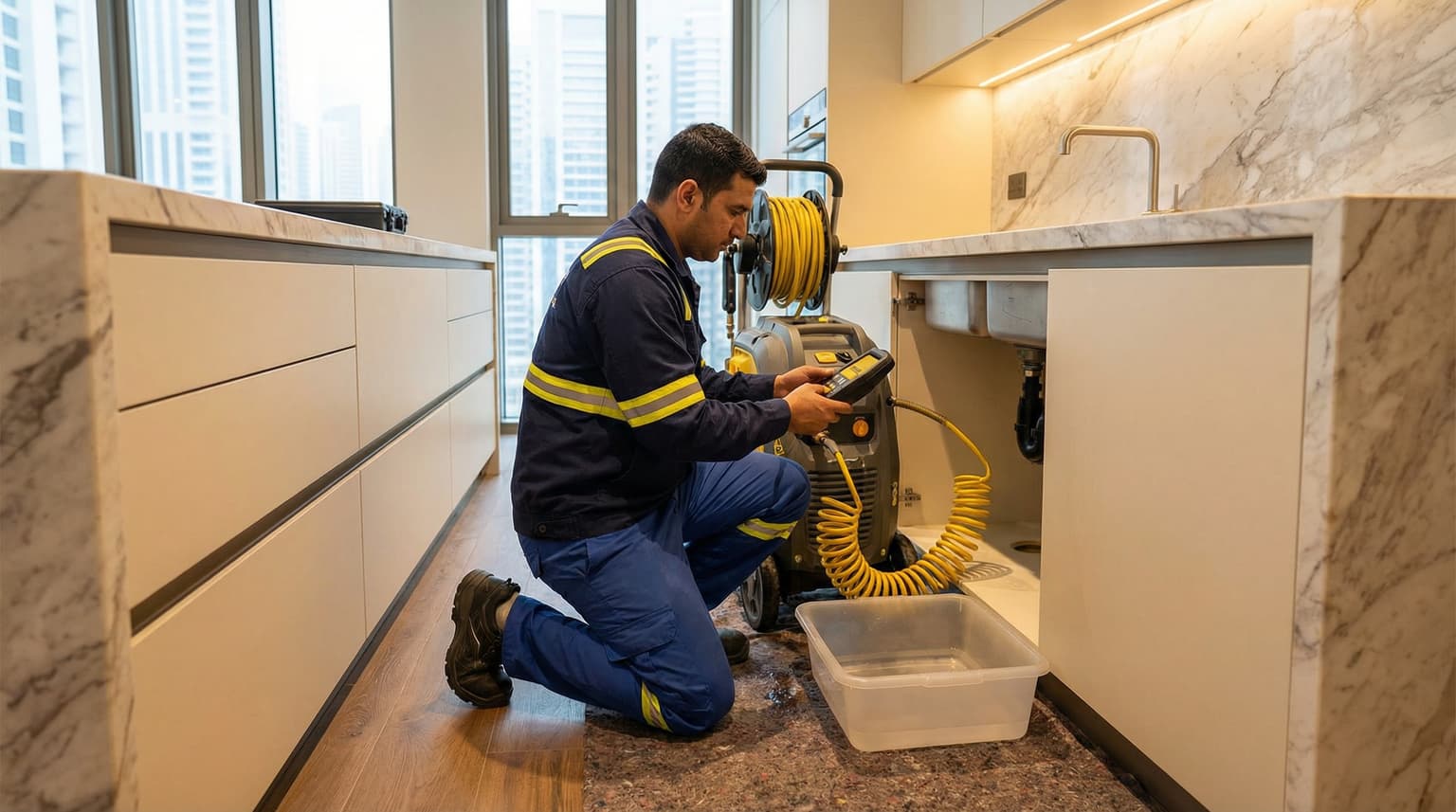
For hidden leaks, professionals use:
- Acoustic leak detection: Identifies leak locations without demolition
- Thermal imaging: Shows temperature differences indicating water presence
- Moisture metres: Quantify water content in walls and floors
- Pressure testing: Identifies weak system points before they fail
Professional inspection costs AED 300-800 but prevents damage costing thousands.
Preventive Actions
Regular Inspections
Monthly quick checks:
- Visual scan under sinks
- cheque water heater area
- Look for new stains or mould
- Test water pressure at multiple fixtures
- Listen for unusual sounds
Annual professional inspection for properties over 10 years old.
Proactive Replacements
Replace Before Failure:
- Washing machine hoses: Every 5 years
- Water heater: 10-12 years
- Toilet flappers and fill valves: 5-7 years
- Visible corroded connections: Immediately
Replacement costs are fraction of emergency repairs plus damage restoration.
Water Pressure Management
High pressure stresses pipes:
- Install pressure regulator if pressure exceeds 60 PSI
- Consider water hammer arrestors (prevent pressure spikes)
- Address pressure fluctuations with DEWA or building management
The Cost of Ignoring Warning Signs
Typical pipe failure damage costs:
- Minor leak repairs: AED 300-800
- Wall/ceiling repairs after leak: AED 2,000-8,000
- Flooring replacement: AED 5,000-20,000
- Furniture and contents damage: AED 5,000-50,000+
- Mould remediation: AED 3,000-15,000
- Claims against you from neighbours: Variable, potentially severe
Ignoring early warning signs transforms AED 500 repairs into AED 20,000-50,000 disasters.
Documentation for Insurance Claims
If pipe failure occurs, documentation matters:
Photograph:
- All visible damage immediately
- metre readings
- Failed pipe components
- Progression of staining (if you noticed it earlier)
Keep Records:
- Maintenance history
- Previous repair receipts
- Communication about problems
- Water bill history
Insurance companies scrutinise claims. Evidence of ignored warning signs or poor maintenance can reduce or deny coverage.
Taking Action
Found warning signs? Priority order:
- Stop further damage: Shut off water if active leak
- Document current state: Photos and notes
- Schedule professional inspection: Don't delay
- Plan repairs: Get written quotes
- Address related issues: Prevent recurrence
Water damage accelerates exponentially. What starts as a small stain becomes structural damage, mould infestation, and property value loss.
Your pipes are trying to tell you something. Listen before they start screaming - or worse, before they're silent because they've already failed.